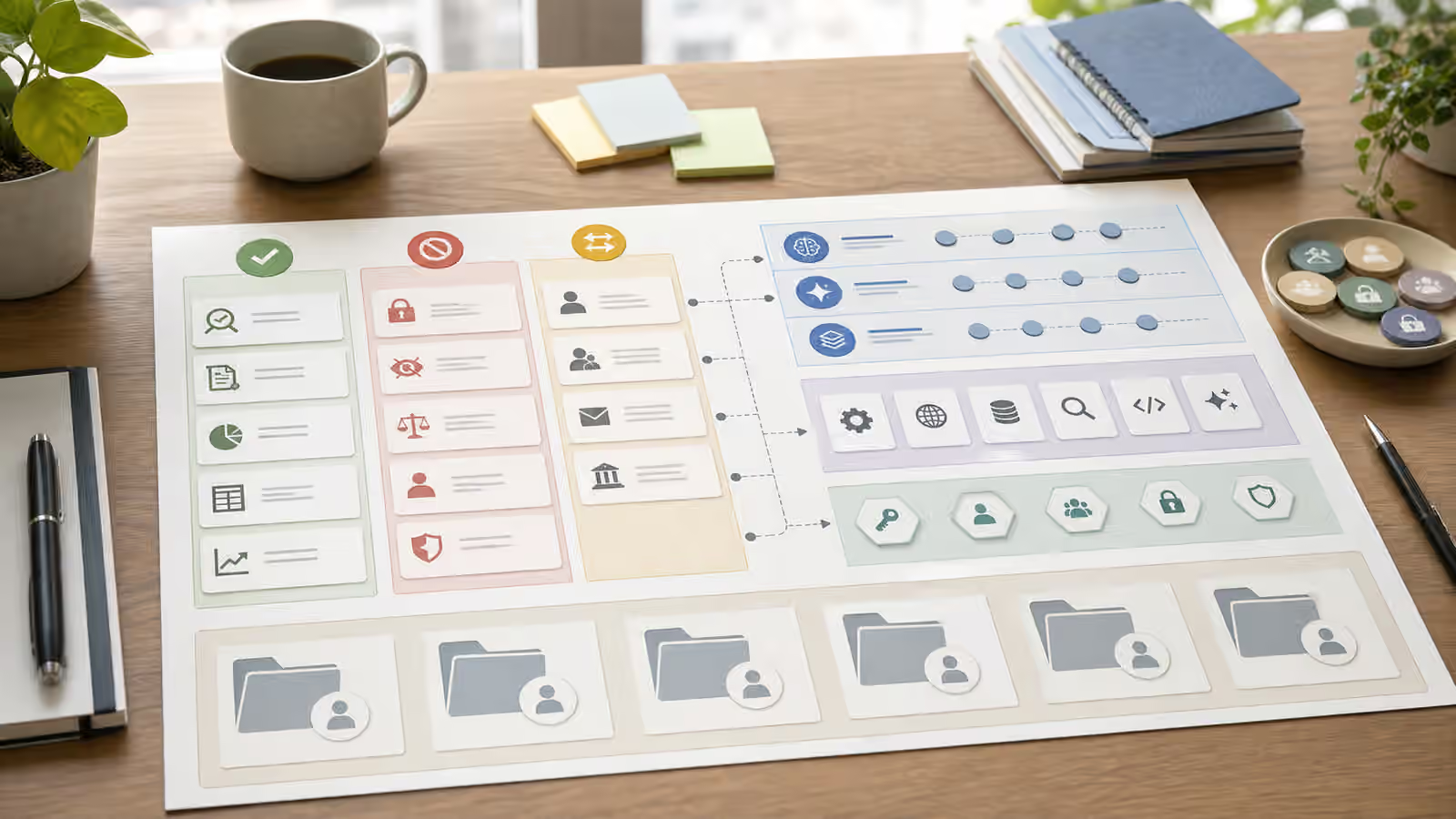
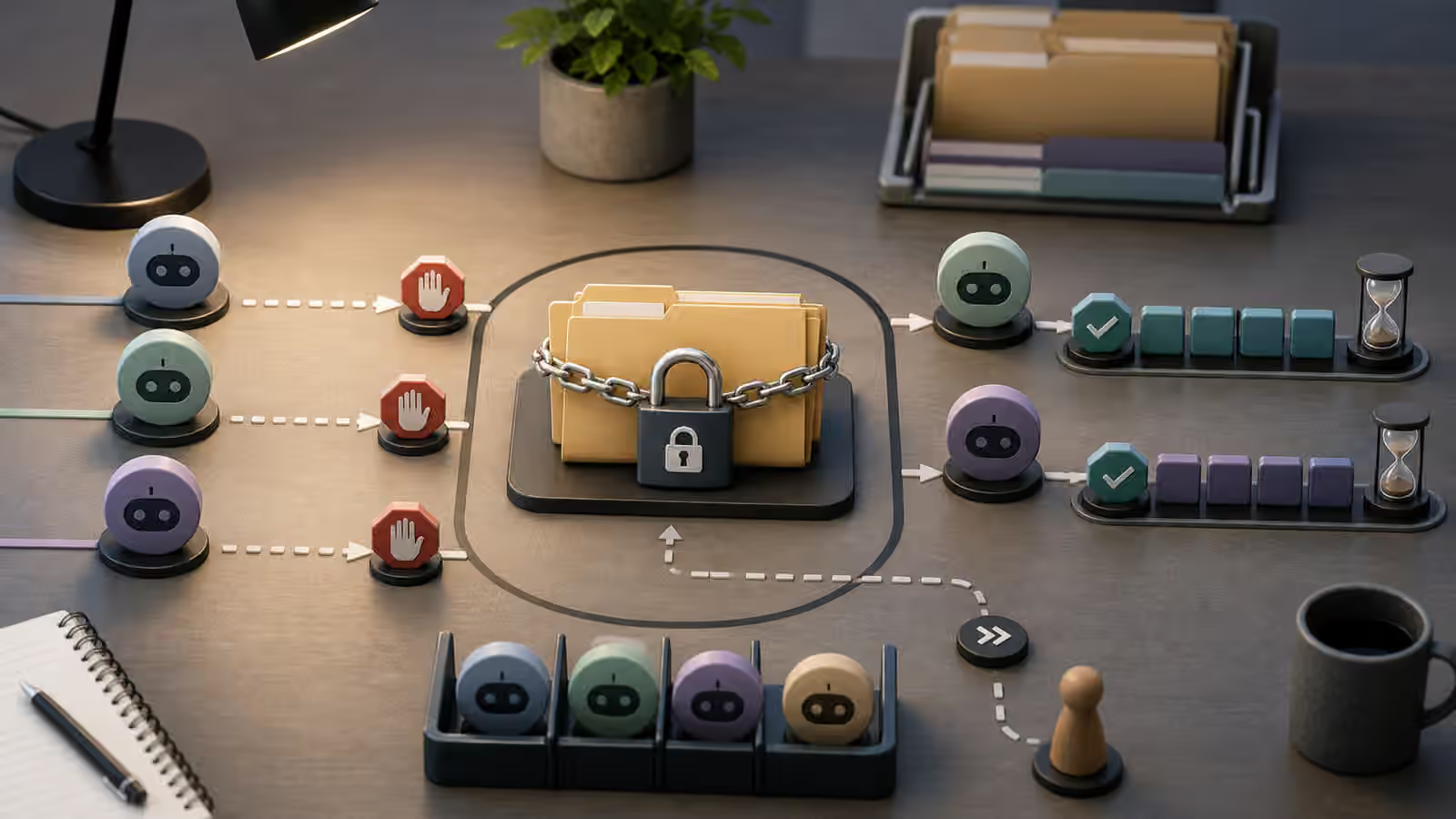
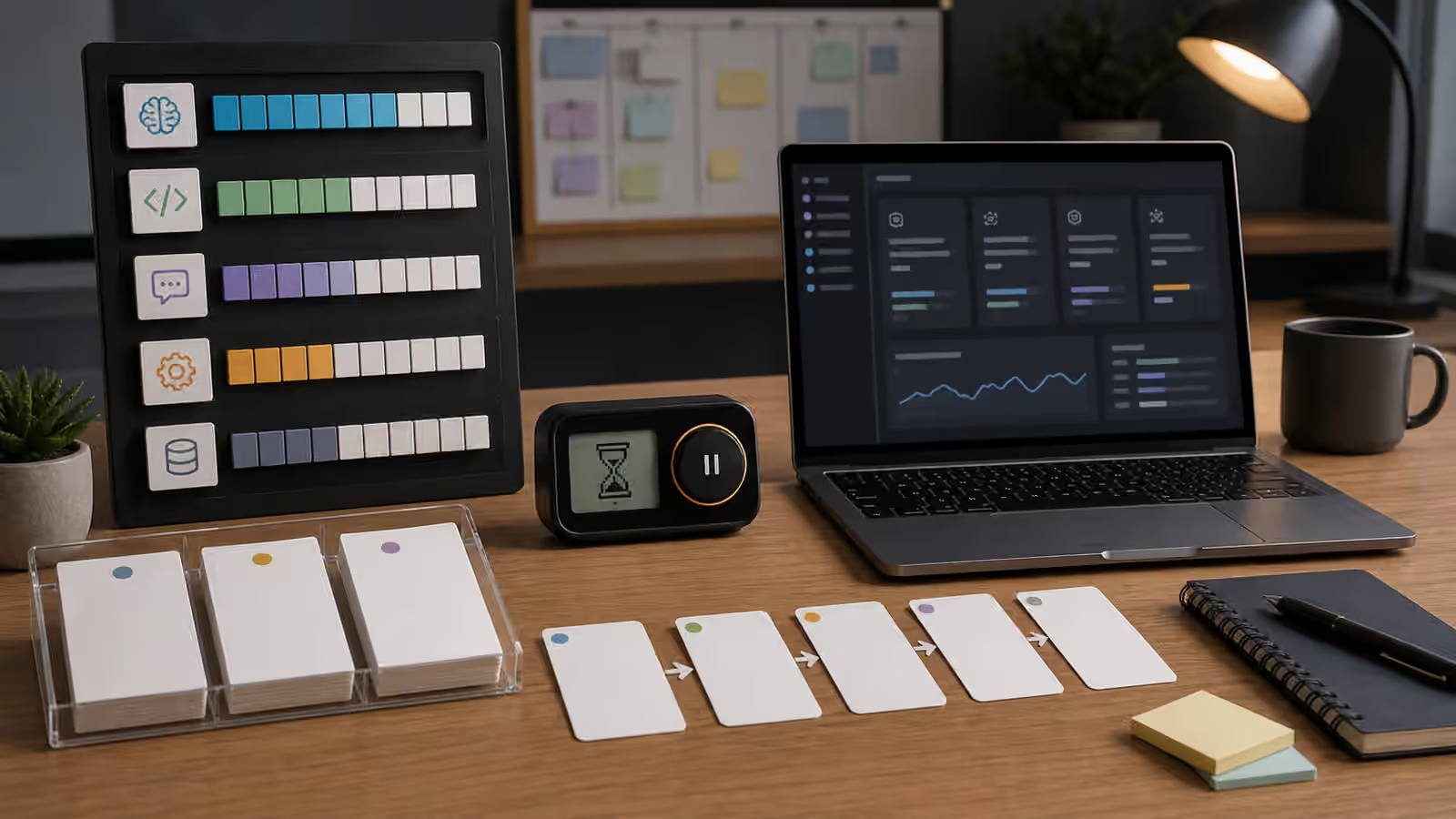
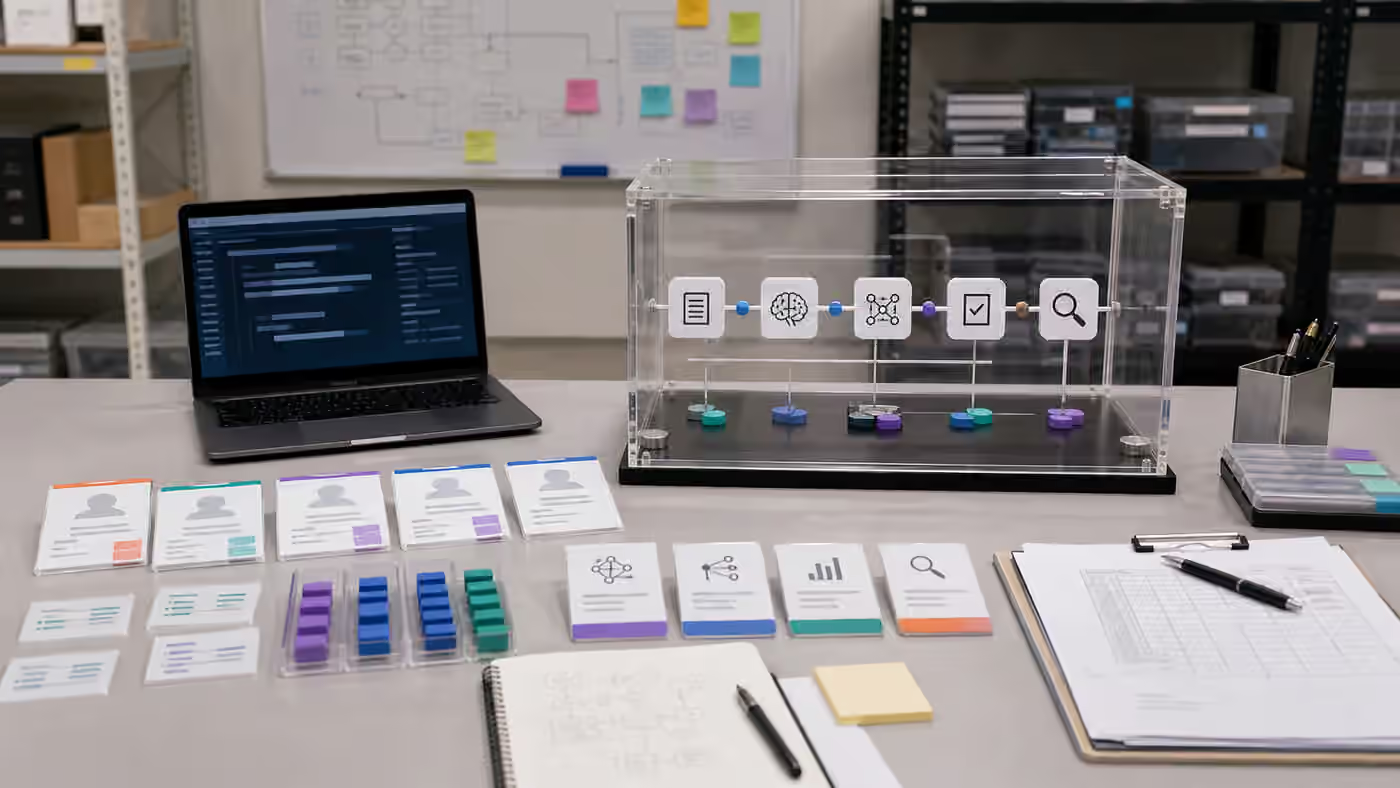
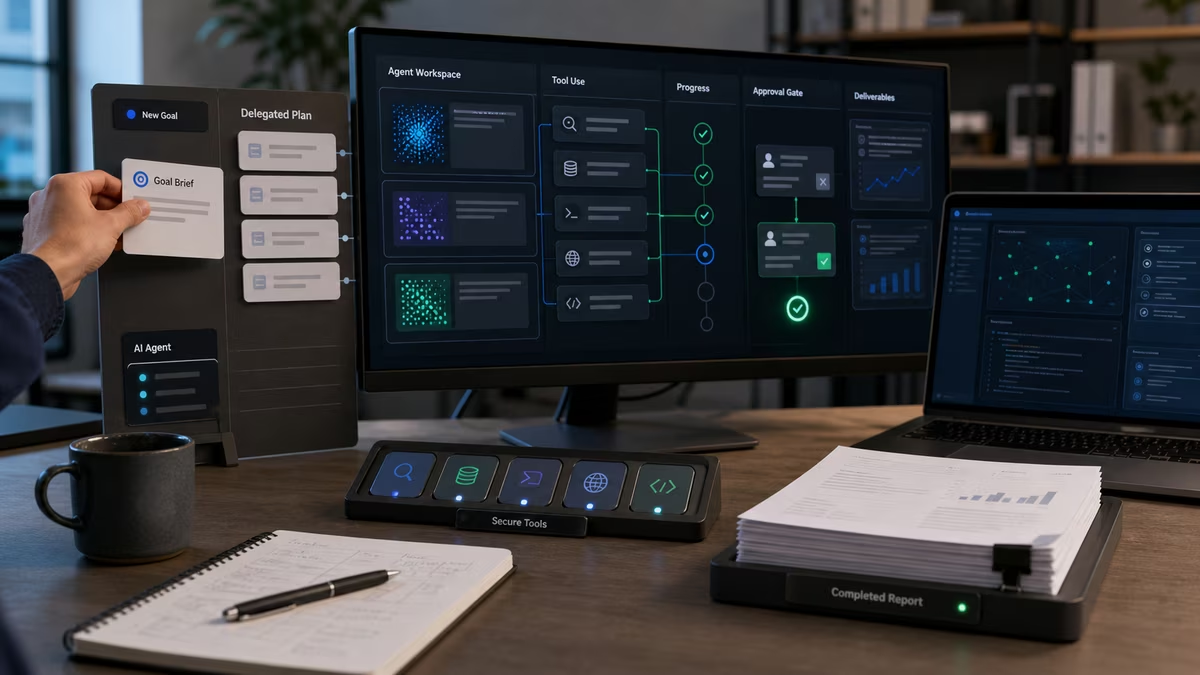
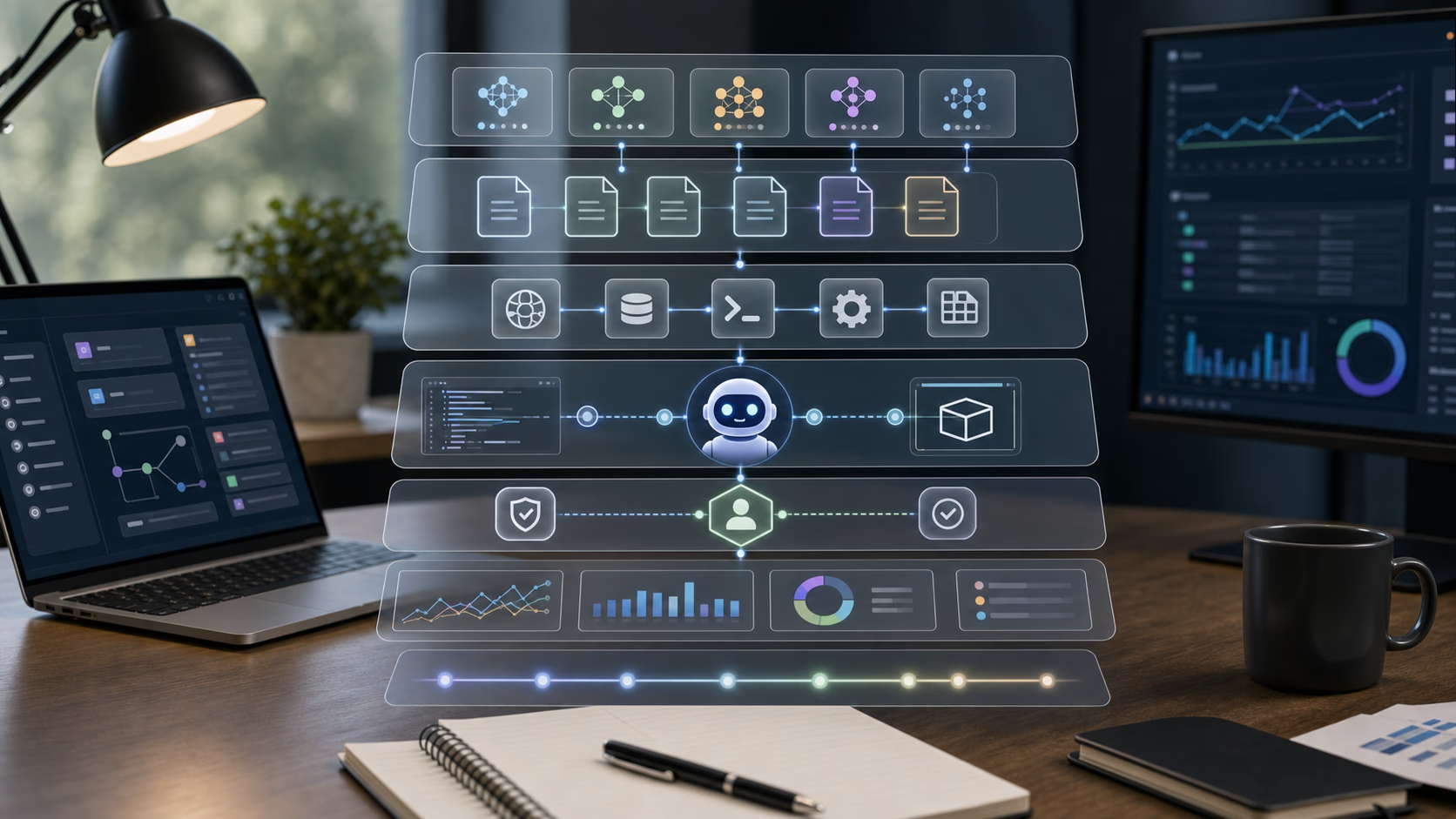
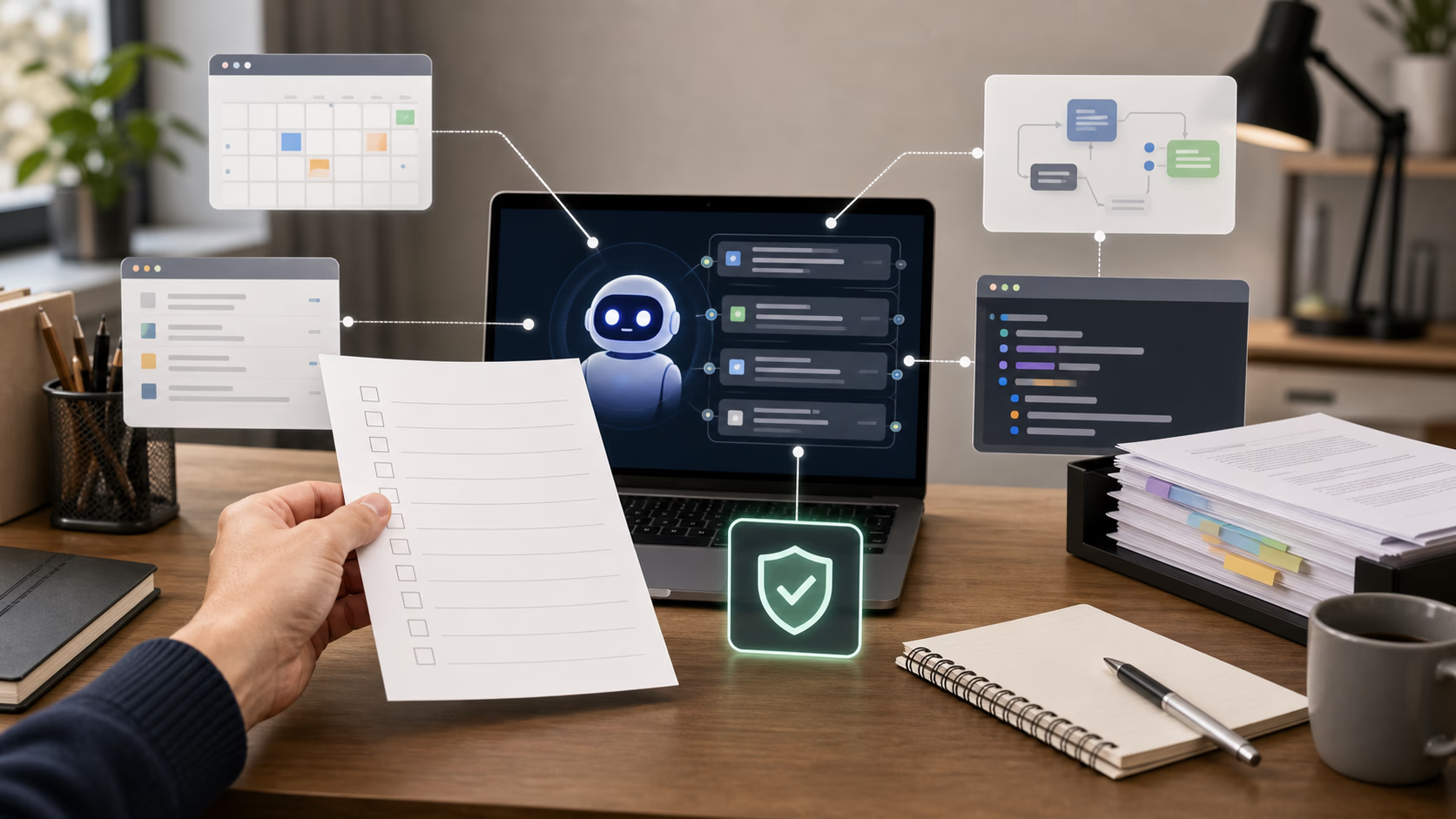
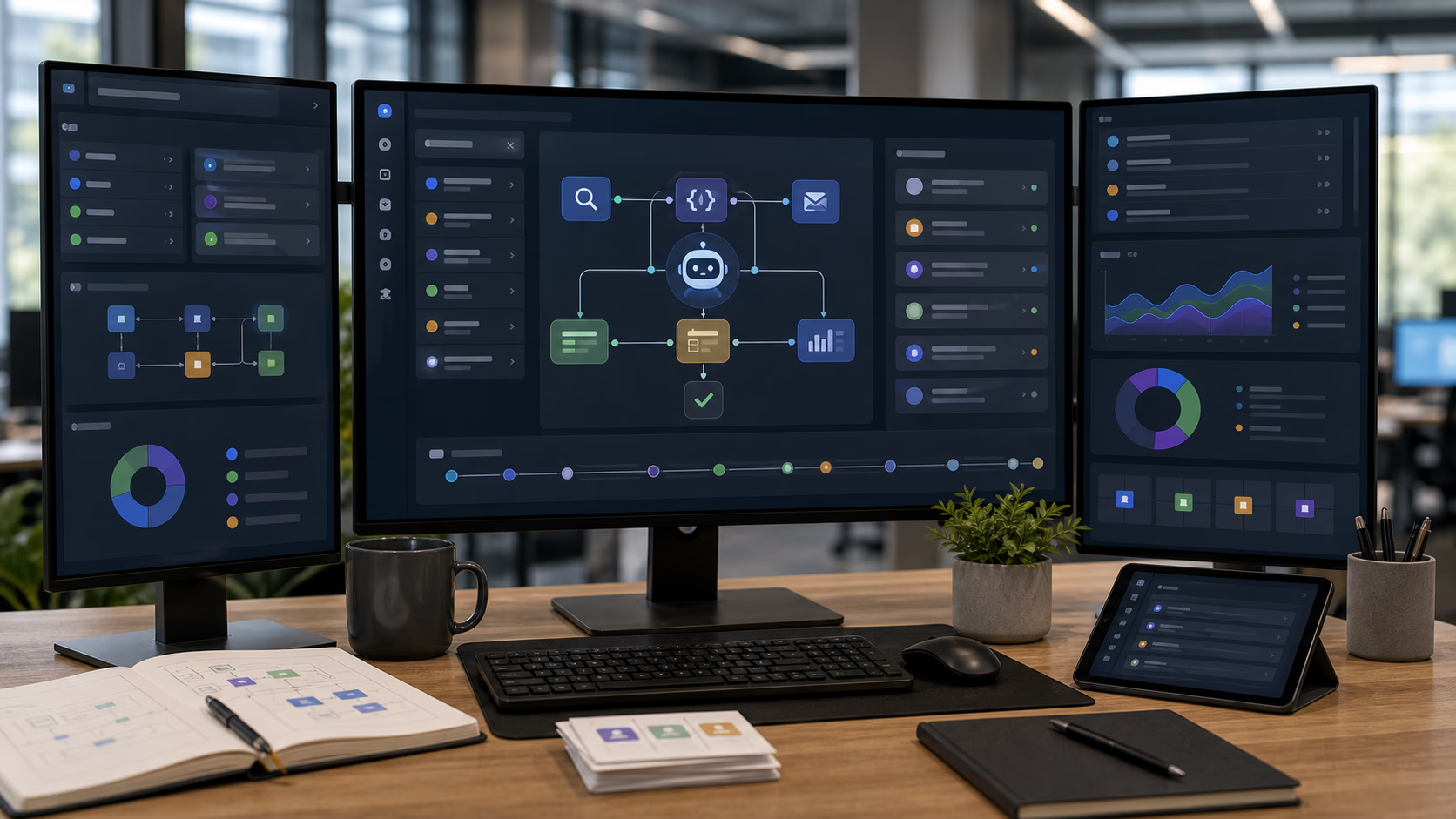
AI agents are becoming the new shape of software: not only a box that answers, but a system that can plan, use tools, remember context, ask for permission, and carry a task forward. The important question is not whether agents are magical. They are not. The useful question is where a model, a toolset, a memory, and a set of guardrails can do work that used to require a person to sit in front of several tabs and keep every step in their head.
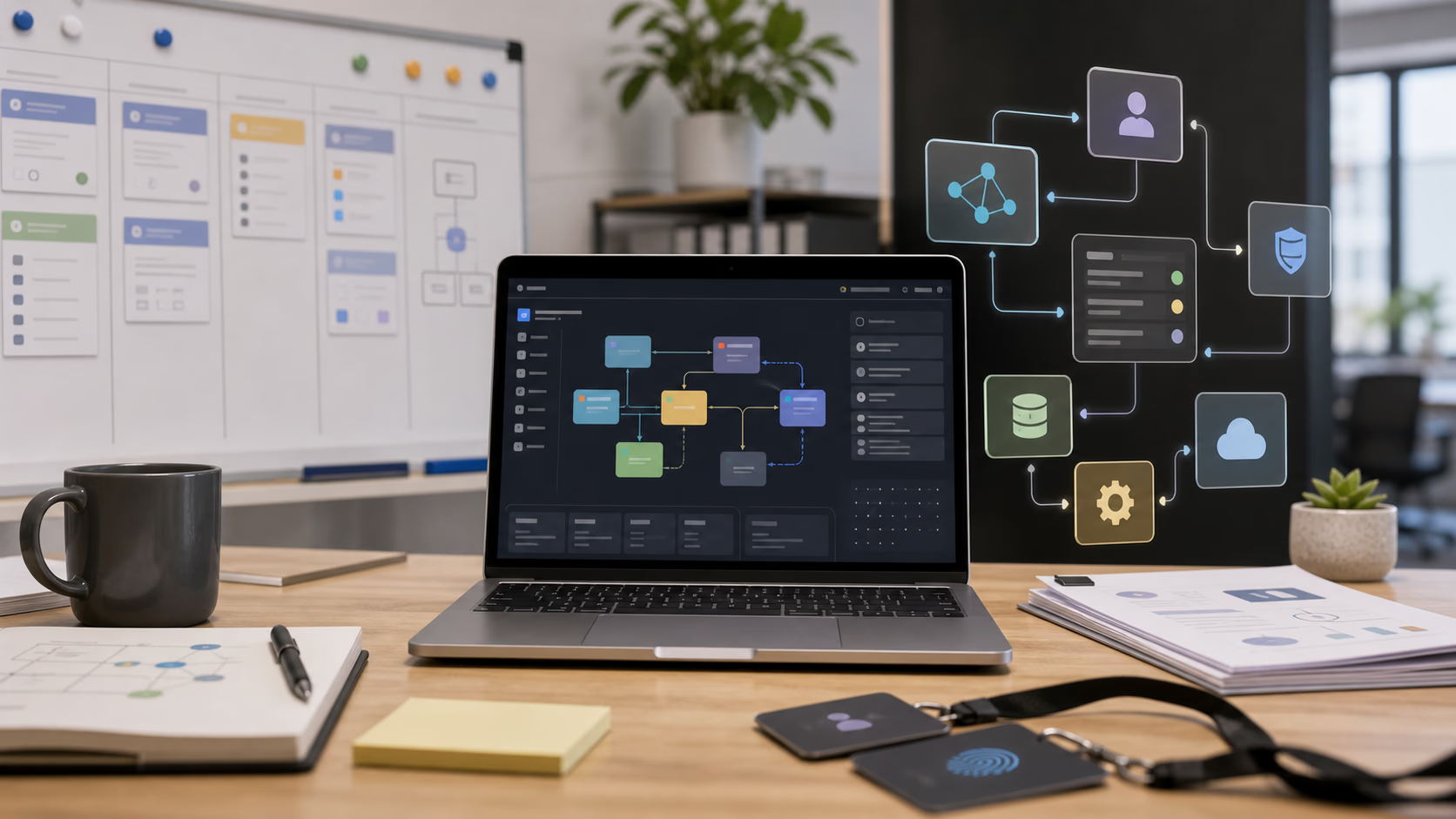
Start with What AI Agents Are if the term still feels slippery. Then read What AI Agents Can Do for the practical range: research, coding, customer operations, file work, browser work, and business process automation. How AI Agents Work opens the machine room without turning it into jargon. AI Agent Tool Contracts explains how to design the handles agents use when they search, read, update, ask for approval, and leave evidence behind.
Once the basics are clear, move into practice. How to Delegate to AI Agents shows how to turn vague work into clean assignments. AI Agent Runbooks explains how to make repeated delegated work inspectable instead of improvising each run. AI Agent Change Management explains how to ship prompt, model, tool, data, and permission changes without silently breaking delegated workflows. AI Agent Sandboxes explains where delegated work should happen before it touches real systems: test branches, mock tools, read-only data, staging records, and approval boundaries. AI Agent Cost, Latency, and Queues adds the operating layer behind that practice: model calls, tool waits, review queues, retries, and the budget discipline that decides whether delegation scales. AI Agent Observability goes one layer deeper into traces, logs, evidence trails, and the review surface that lets people trust work without trusting blindly. AI Agent Permissions covers the ladder from read-only access to audited action. AI Agent Incident Response explains what happens when that permissioned system still goes wrong: stopping runs, preserving evidence, triaging harm, rolling back changes, and learning without blame theater. Human Review for AI Agents explains the handoff moment where agent output becomes trusted work. AI Agent Evaluations shows how to test delegated work before you trust it. AI Agent Memory and Context explains what agents should remember and what they should forget, while AI Agent Context Windows and Working Sets narrows that idea into the practical question of what the delegate should actively see during a run. When AI Agents Fail gives you a debugging method when the workflow goes sideways.
The last stretch looks outward: AI Agents at Work , Personal AI Agent Readiness , and The Future of AI Agents .
Reading path
- What AI Agents Are
- What AI Agents Can Do Now
- How AI Agents Work
- AI Agent Tool Contracts
- How to Delegate to AI Agents
- AI Agent Runbooks
- AI Agent Change Management
- AI Agent Cost, Latency, and Queues
- AI Agent Observability
- AI Agent Permissions
- AI Agent Incident Response
- Human Review for AI Agents
- AI Agent Evaluations
- AI Agent Memory and Context
- When AI Agents Fail
- AI Agents at Work
- Personal AI Agent Readiness
- The Future of AI Agents
The short version
An agent is useful when the job has steps, context, decisions, and tools. It is risky when the same job has private data, money movement, irreversible actions, weak supervision, or vague success criteria. The future will belong less to one giant agent and more to well-scoped agents with identities, permissions, logs, evaluations, memory discipline, and people who know when to let them act.