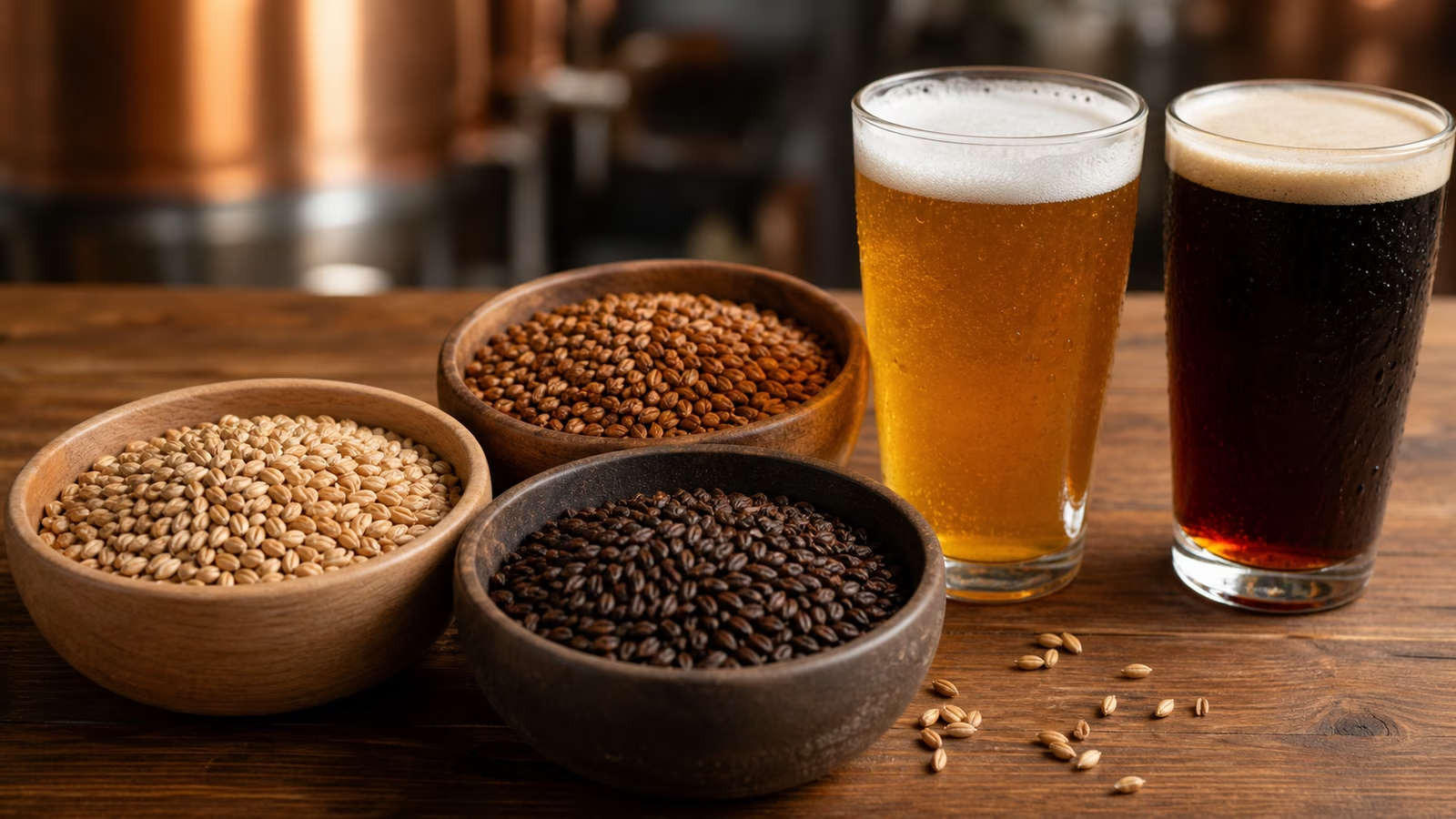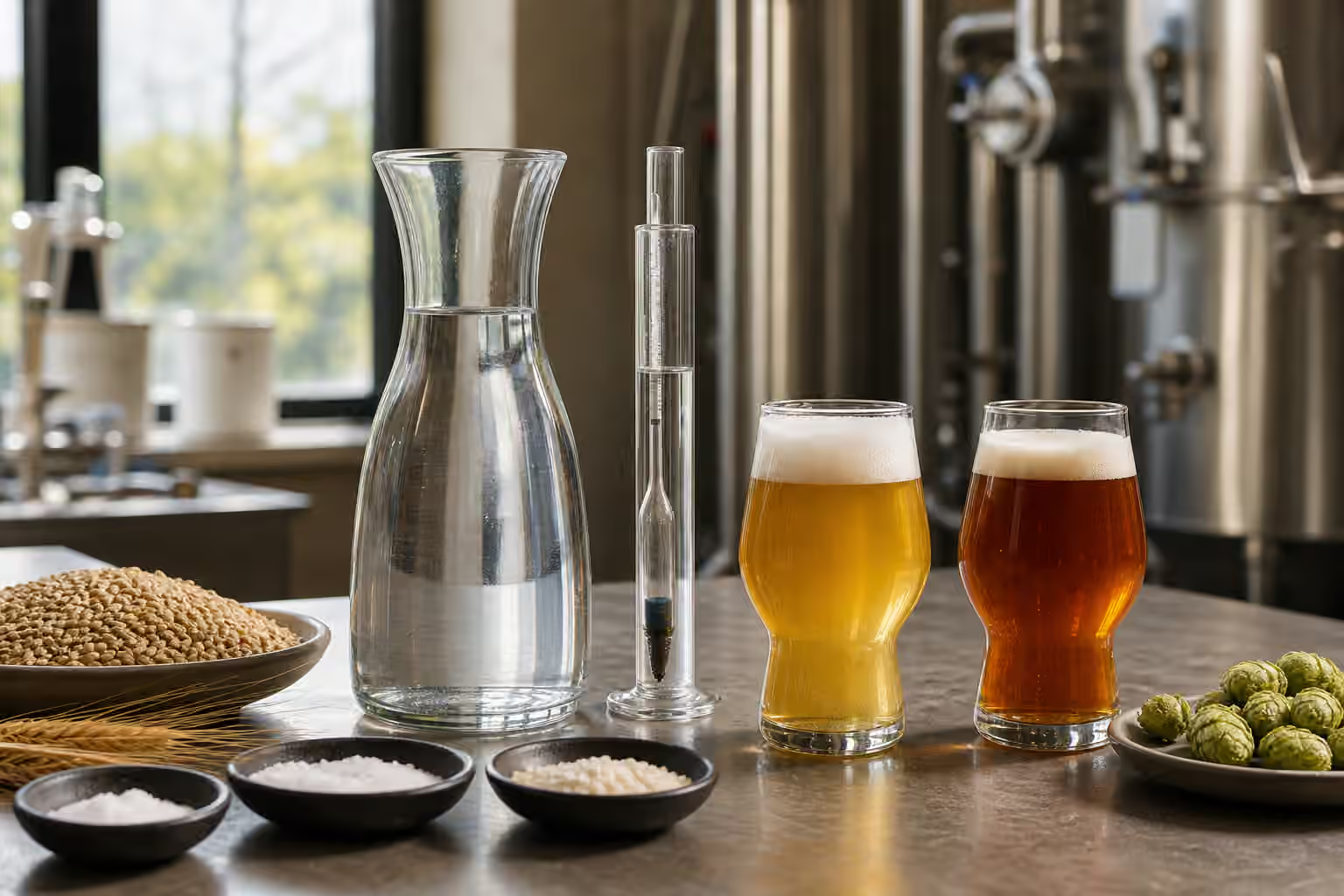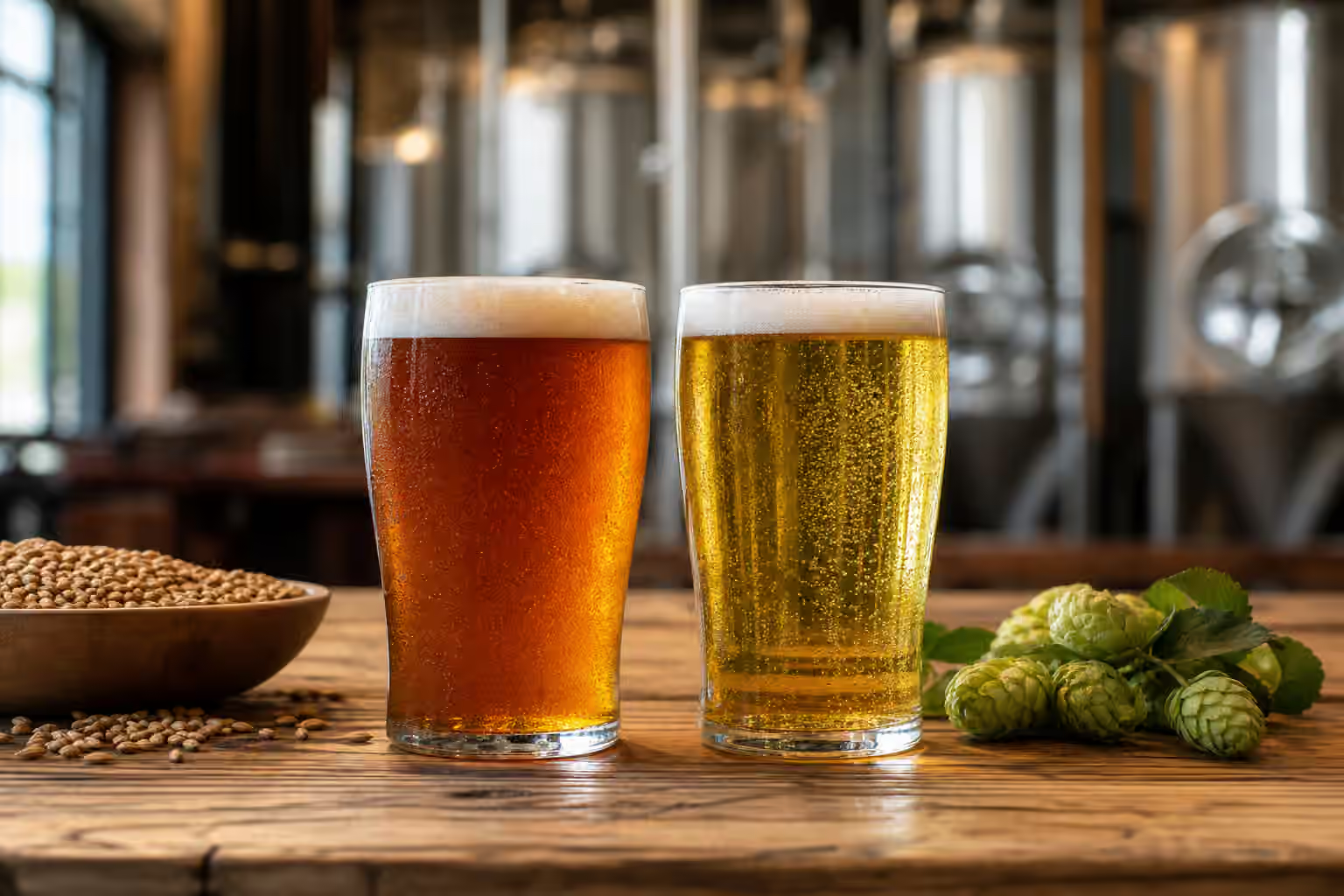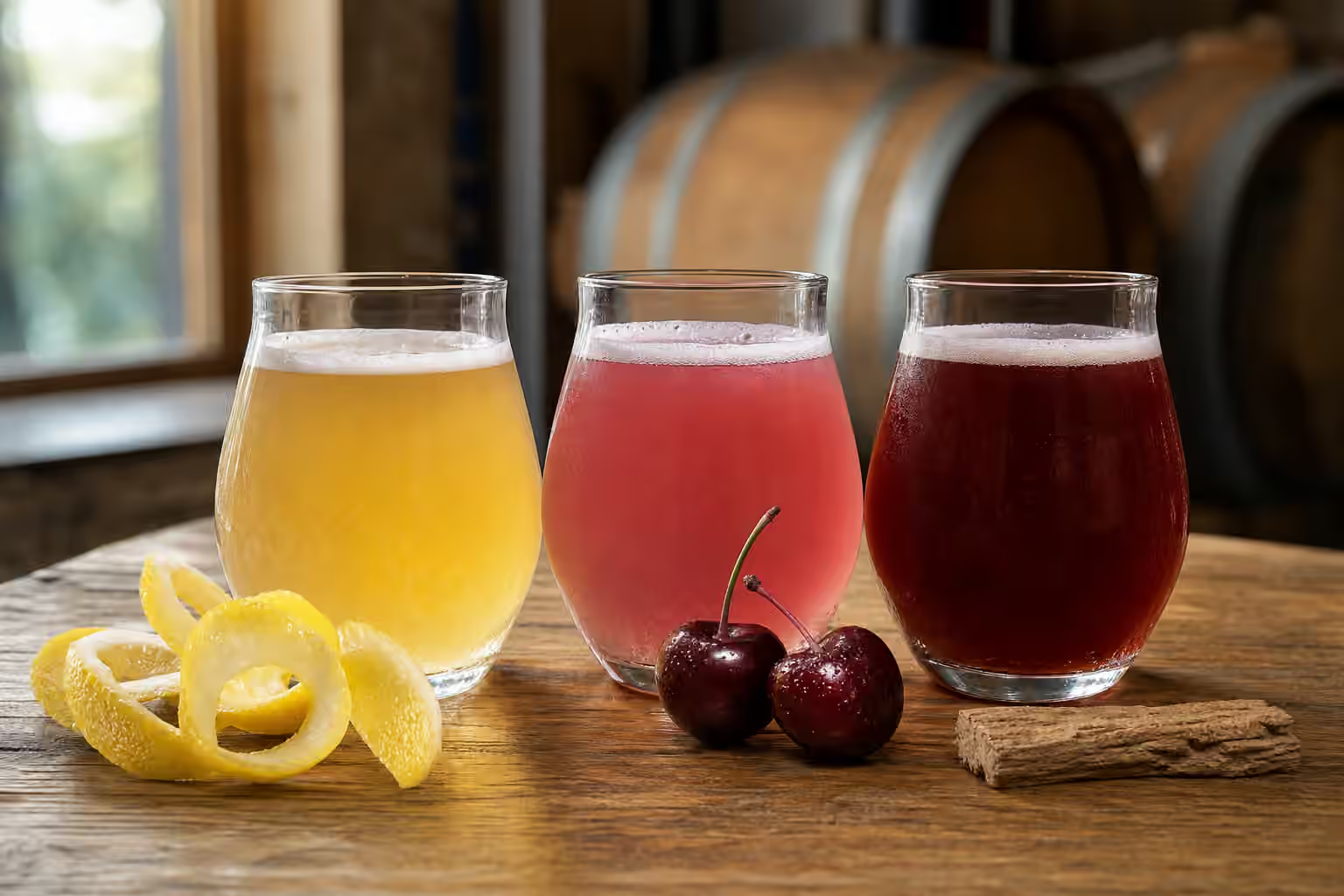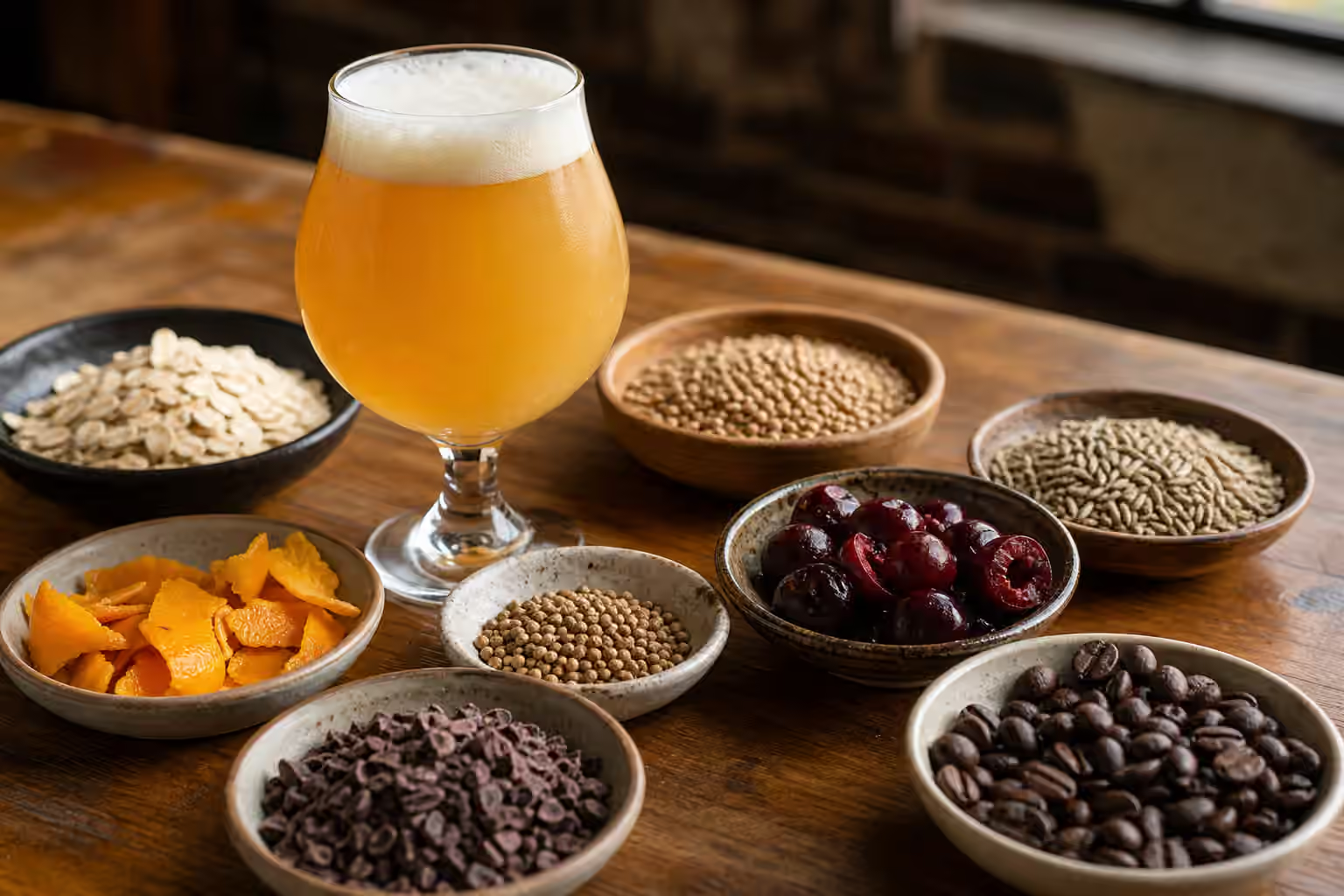
Beer Explorer is a library for drinking with more attention and less jargon. Beer is the most casual of the great fermented drinks, which is exactly why it rewards a little study: once you can tell what malt, hops, yeast, and water are each doing in the glass, an ordinary pint becomes legible, and a tap list stops reading like a wall of invented names.
The guidebooks are written as narratives rather than spec sheets. They cover the whole path: how beer is made, how the major style families relate to one another, how to taste deliberately, how to buy fresh beer and store it well, and how to bring it to the table. Deep entries on single styles — pilsner, saison, imperial stout, lambic — sit alongside practical pages on glassware, off-flavors, draft etiquette, and reading the dates on a label.
Where to start
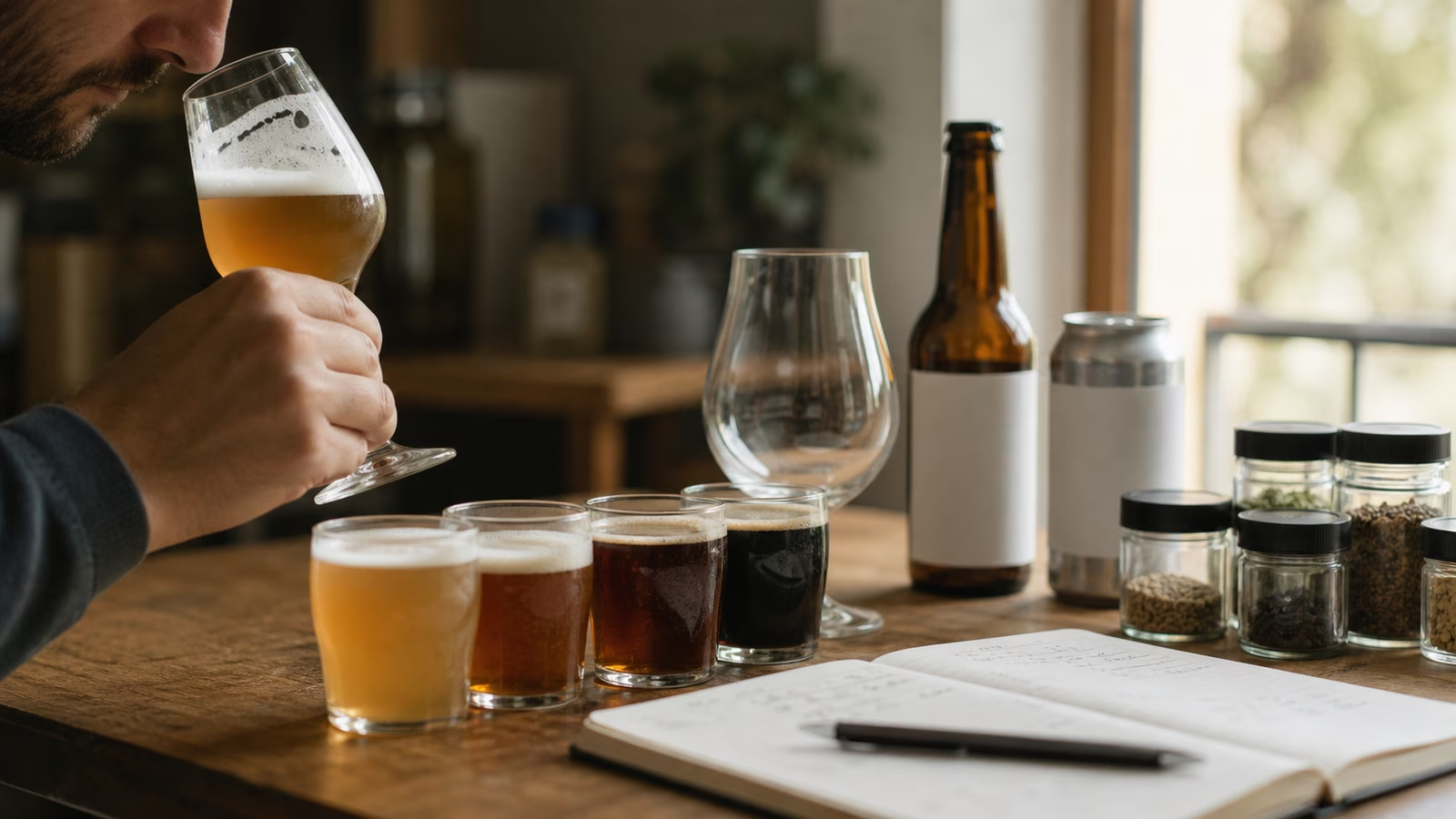
Begin with the Beer Quickstart Guide for the ten-minute map: ales versus lagers, the four ingredients, and what to order first. Then read Beer Tasting 101: A Complete Guide to build a simple tasting habit, and keep the Complete Beer Styles Guide open as the reference you return to when a menu names something unfamiliar. When you are ready to shop deliberately, How to Buy Beer covers freshness, packaging formats, and how to get real value out of a good bottle shop.
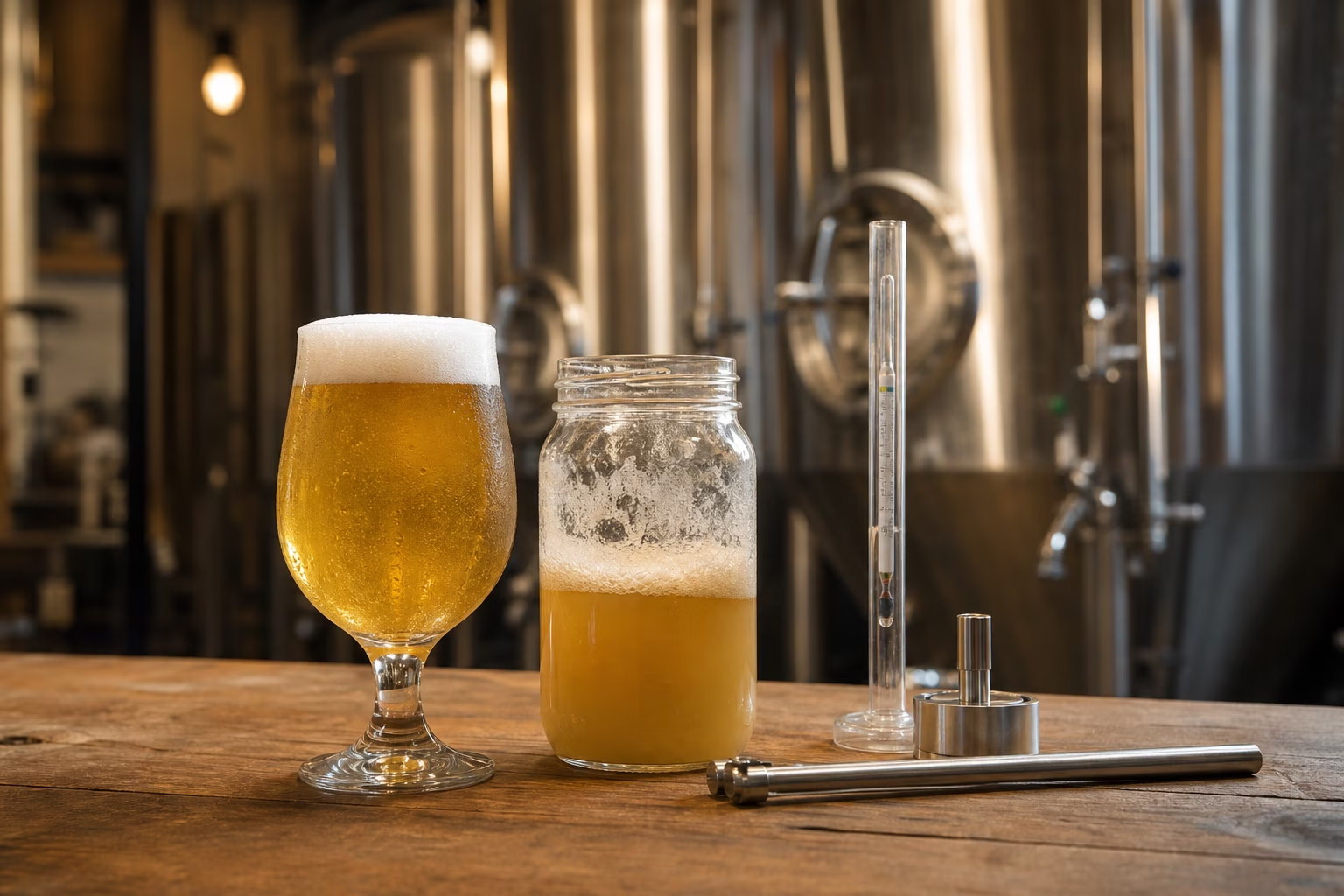
If you want to see the mechanism rather than read about it, Mash In puts you in front of a three-vessel brewhouse. You write the brewday as a schedule first — mash rests, boil length, when each hop charge goes in, what temperature the fermenter runs at — and then watch it execute and try to hold it together while the tun loses heat and the kettle threatens to boil over. The enzyme behaviour, the bitterness calculation and the yeast temperature curves are the real ones, so the beer you end up with is the beer that schedule would actually make.
The editorial approach is practical and evidence-first. Styles are described by what is actually in the glass — fermentation temperature, hop character, malt depth, carbonation — not by scores or hype around rare releases. Historical claims are kept honest, and homebrewing pages favor what beginners genuinely encounter over idealized process. The aim is modest and useful: that the next beer you order feels like a choice instead of a guess, and that you can explain to a friend why you liked it.