The first time you taste beer on purpose, it feels a little silly. You have had beer before. You have liked some and ignored others. Then one night you want the drink to be part of the evening, not background noise. Maybe you are hosting. Maybe you are tired of guessing. Maybe you had a beer that tasted like orange peel and fresh bread, and you wanted to know why.
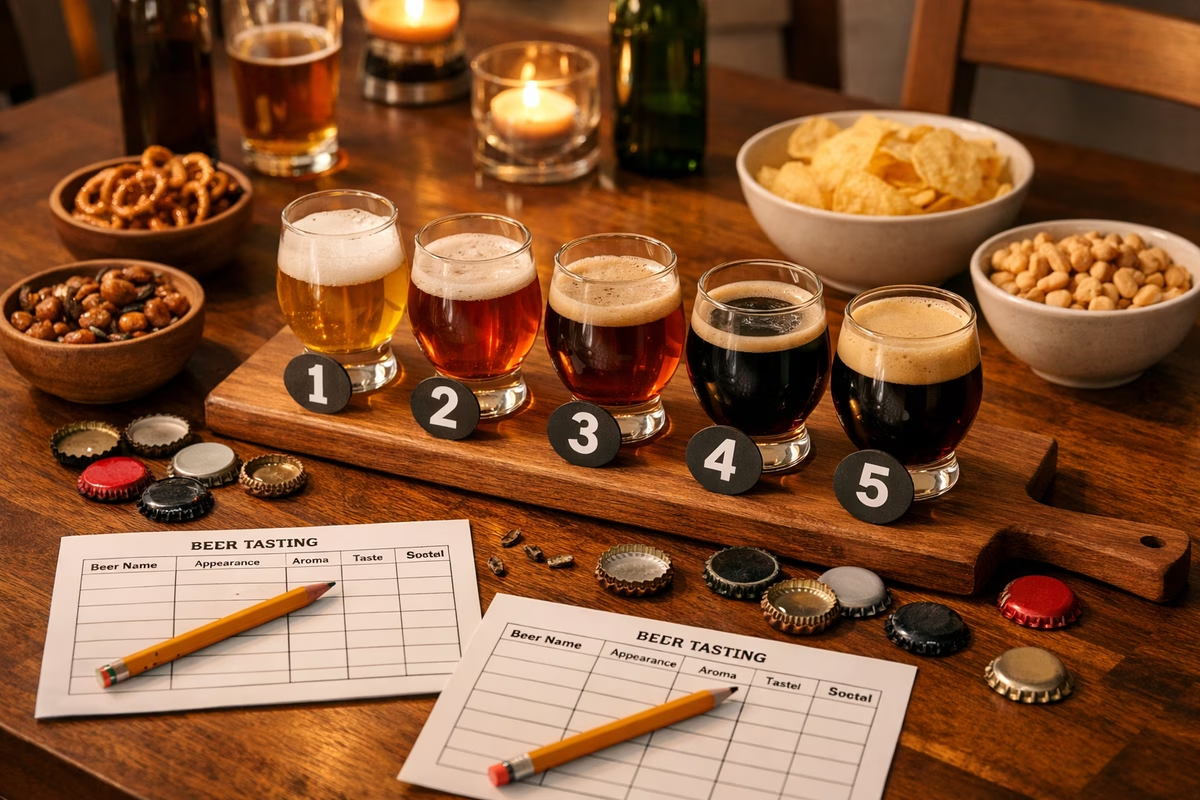
So you run a small tasting at home, not as a performance, but as a way to notice your own preferences. You do not need rare bottles. You need contrast and a calm setup. Buy three easy beers that are different enough to teach you something. Keep them cold, but not ice-cold. Beer opens as it warms, and if it is too cold, the aroma gets shut down.
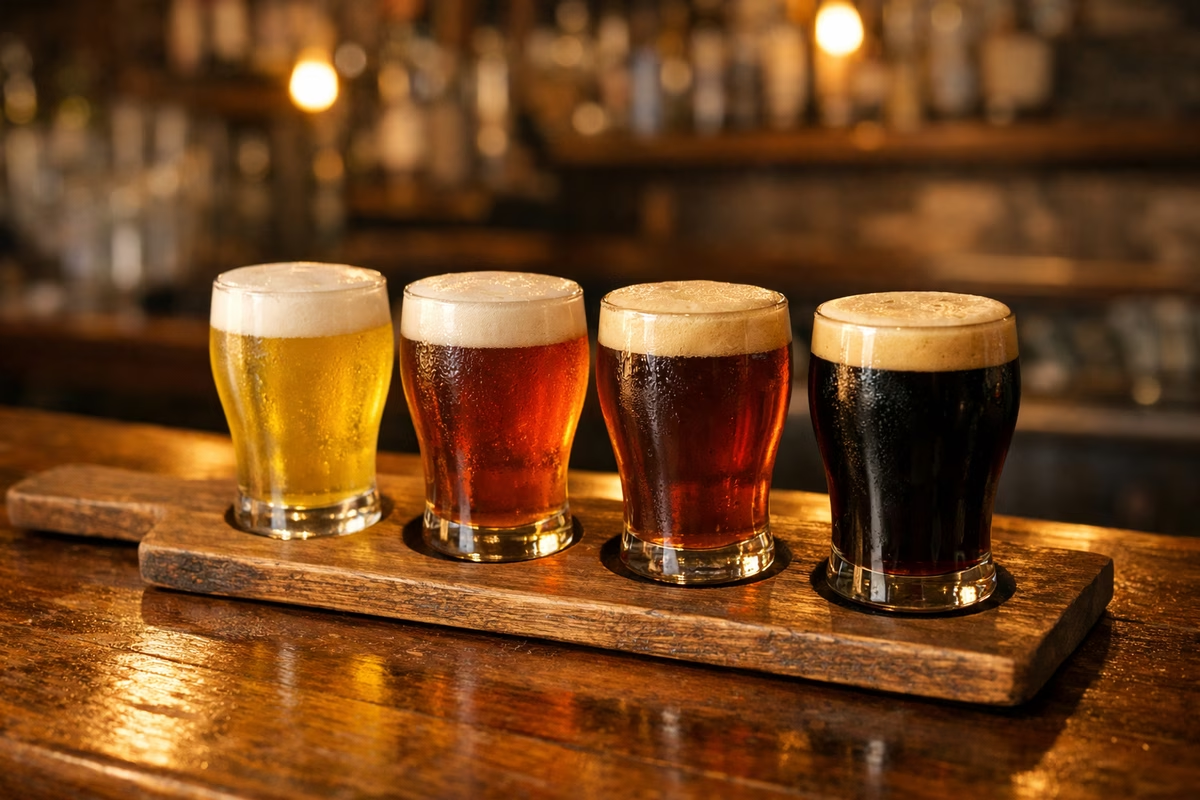
When you pour the first beer, you notice the sound before the flavor. You pour gently at first, then build a small head. The foam is not decoration. It carries aroma. The color already tells you something. Pale straw looks light. Amber looks like caramel. Deep brown looks like toasted grain. You have learned something before the first sip.
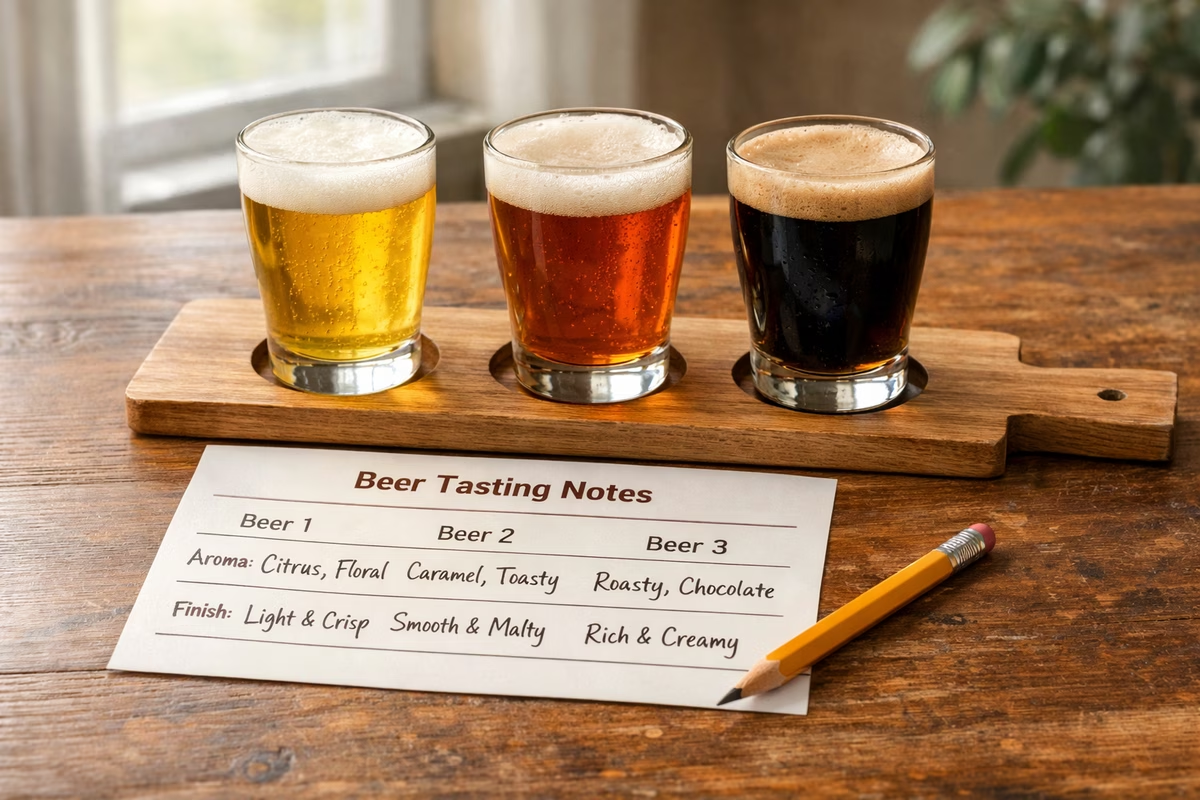
You smell the beer and do not need poetry. You just need honesty. Does it smell clean and crisp? Citrus? Pine? Flowers? Fruit? Bread crust? Cereal? Honey? Coffee? Cocoa? Most beer aromas live in those neighborhoods. If you can place it somewhere, you are already doing the work.
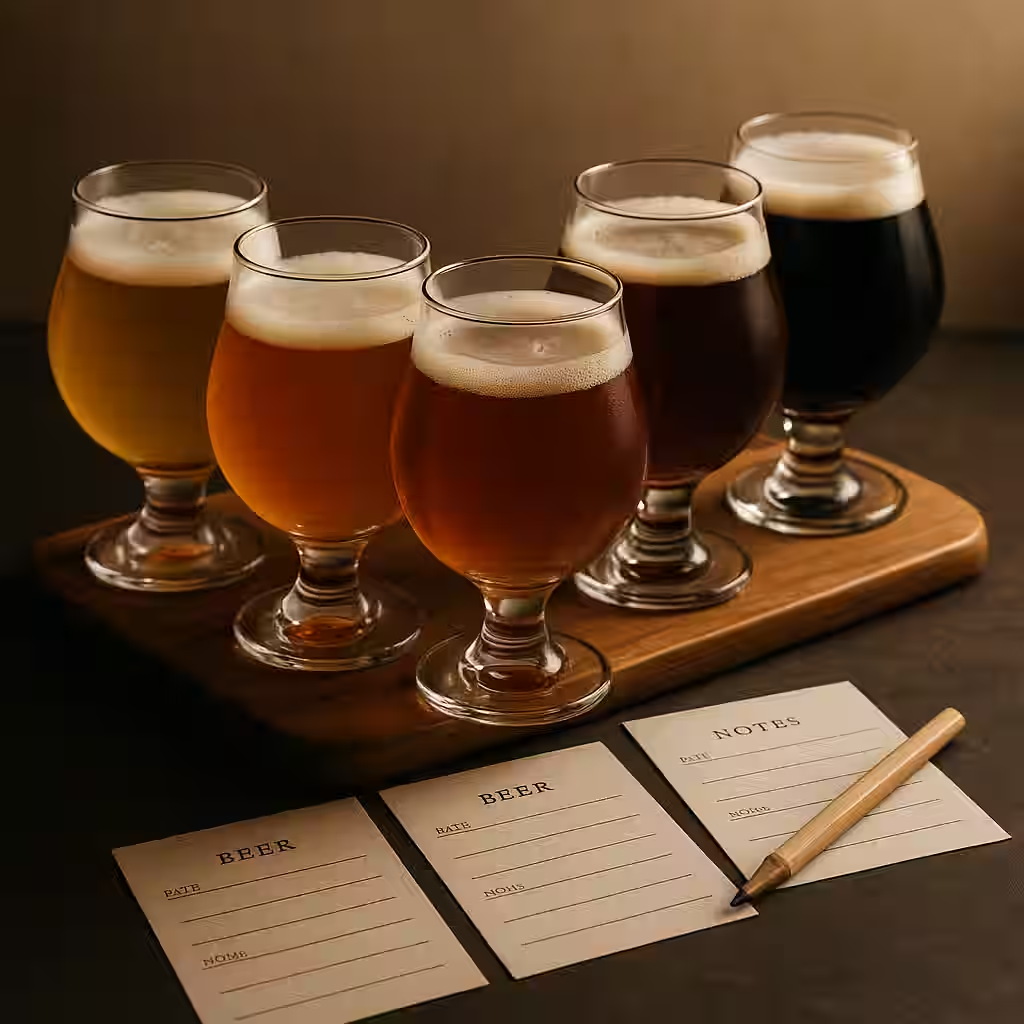
The first sip is where people rush. Slow down and let it sit for a second. You start to notice the shape of the beer. Where sweetness shows up. Whether bitterness arrives early or late. Bitterness is not one thing. Sometimes it is clean like grapefruit pith. Sometimes it is sharp and lingering. Sometimes it feels like the spine of the drink. Once you notice that difference, you stop saying you like or dislike hoppy beer and start saying what kind of bitterness you like.
You move to the second beer, the hoppy one, and the order starts to matter. The aroma is louder and more vivid. Hops are not one flavor. Some feel tropical and soft. Some feel sharp and green. Some feel floral. Some feel herbal or resinous. You do not need the hop name. You just need to notice the general direction.
The third beer is dark, and you expect heaviness. Sometimes that is what you get. Sometimes dark beer surprises you with clarity. You taste coffee-like roast without much sweetness, or chocolate without sugar, or a dry finish that makes you want another sip. Color is not the same as sweetness. A stout can be rich. It can also be dry. A porter can be soft. A brown ale can taste like toasted nuts and bread. Dark beer is not one category. It is a range.
Halfway through the tasting, you notice your own patterns. You lean toward clean and crisp beers, or fruitier ones, or beers that feel warm and toasty. You also learn what you do not like. Heavy sweetness may tire your mouth. Aggressive bitterness may feel sharp. You may like the smell of hops but prefer them in a softer body. The tasting is not teaching you what beer should be. It is teaching you what you want beer to do.
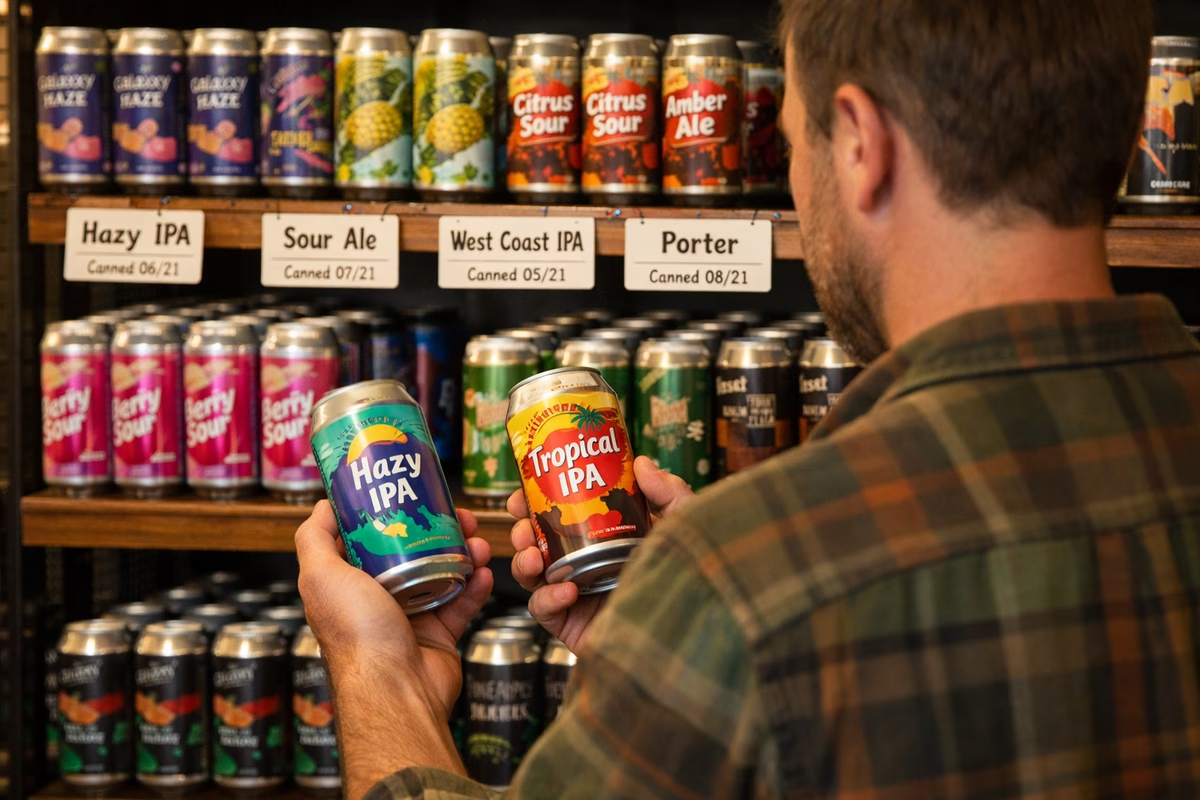
When the tasting ends, you do not feel like an expert. You feel calmer. You have a small vocabulary that is yours: crisp, juicy, floral, piney, toasty, dry, sweet, clean, heavy. That is enough to buy better beer. The next time you are in a shop, you are choosing a mood, not guessing.
If you want the practical structure behind this story, read Beer Tasting 101 and Beer Styles Guide .
Bring the guide back to the pour
Beer learning works best when it stays close to the glass. For Your First Great Beer Tasting (A Small Story), the useful question is how malt, hops, yeast, fermentation, freshness, glassware, temperature, and setting change the actual pour in front of you. Vocabulary matters, but only when it helps you taste more clearly.
Start with appearance, aroma, texture, flavor, and finish. Notice foam, clarity, grain, bitterness, sweetness, roast, fruit, spice, acidity, alcohol warmth, and carbonation. A short honest note can teach more than a long borrowed description.
Then connect the note to a choice. Maybe the beer wants a different glass, fresher packaging, cooler storage, a better food pairing, or a slower pour. Maybe the style is simply not your preference. That is useful information too.
Good beer knowledge should make taprooms and bottles more enjoyable, not more intimidating. It lets you ask better questions and waste fewer pints on guesses.
Your First Great Beer Tasting (A Small Story) belongs to that practical path: taste, notice, compare, and keep the pleasure of the pour at the center.
Taste it twice if you can
After reading Your First Great Beer Tasting (A Small Story), return to one beer with more attention than usual. Taste it cold, then slightly warmer. Notice aroma before the first sip and the finish after the glass has been open for a few minutes. Many beer lessons appear in that small change of temperature and time.
Keep the note practical. If the beer tasted brighter with food, write the food. If bitterness felt harsh, note freshness, style, and serving temperature. If malt sweetness felt heavy, try a smaller pour or a sharper pairing next time. The point is to make the next choice easier.
Beer culture can make preferences sound like tests. They are not. The best knowledge gives you more enjoyment, better questions at the taproom, and fewer stale bottles in the fridge.
A good guide should make the pour more generous. It should help you notice what is there without taking away the simple pleasure of drinking it.