Welcome to a World Hiding in Plain Sight
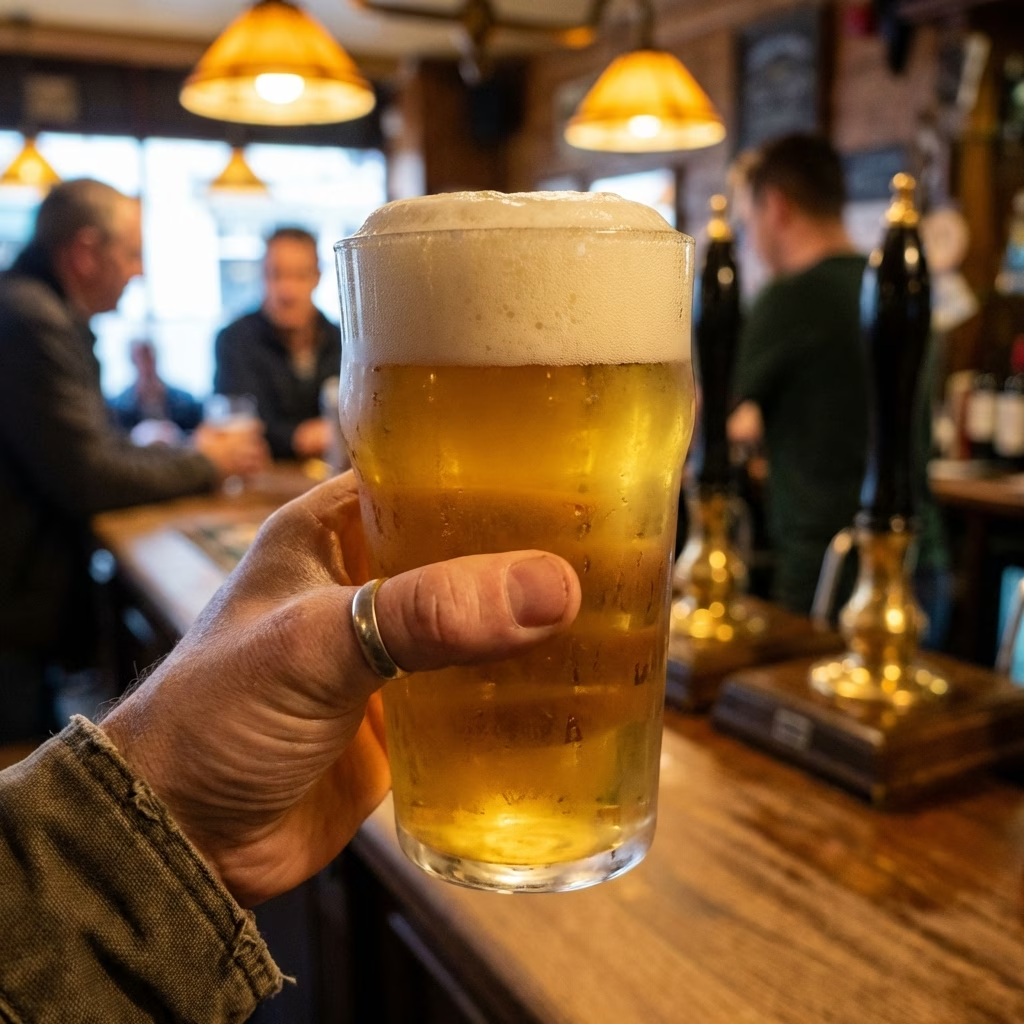
You’ve been drinking beer for years. Maybe decades. Water, grain, hops, yeast—the formula hasn’t changed in five thousand years.
But here’s what you might not realize: the glass in front of you is a universe. That amber liquid contains the same complexity as wine, the same craftsmanship as whisky, the same cultural depth as coffee. You just haven’t learned the language yet.
Give me ten minutes. I’ll teach you enough to transform every future pint from “beer” into an experience worth remembering.
The Great Divide: Ales and Lagers
All beer—all of it, from ancient Sumerian brews to the hazy IPA someone’s pouring right now in a Brooklyn taproom—falls into two families. The divide comes down to yeast.
Ales: The Warm and Wild
Ale yeast ferments at warmer temperatures, 60-75°F, near the top of the fermentation vessel. It works quickly, aggressively, and leaves behind character—fruity esters, spicy phenolics, complexity. Ales tend to be robust, varied, expressive.
You’ll love ales if you enjoy: IPAs with their citrus and pine, rich chocolate stouts, spicy Belgian tripels, cloudy wheat beers redolent of banana and clove.
Lagers: The Cool and Clean
Lager yeast works colder, 45-55°F, settling toward the bottom. It takes its time—weeks rather than days—and produces a cleaner, crisper result. Lagers emphasize ingredients over yeast character; they’re about precision, subtlety, drinkability.
You’ll love lagers if you enjoy: Crisp pilsners, refreshing Mexican lagers, toasty bocks, or the malty sweetness of a Munich dunkel.
Four Ingredients, Infinite Possibilities
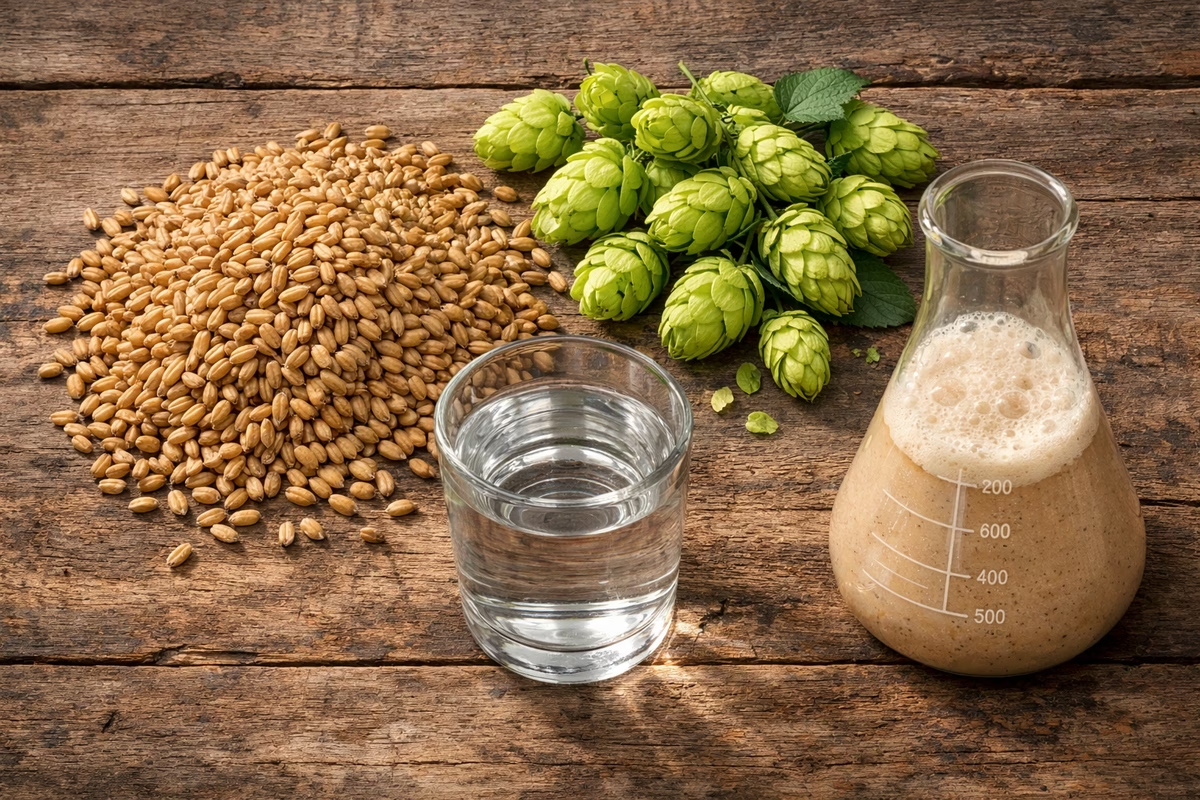
Every beer you’ve ever tasted came from the same four building blocks:
Water comprises 90-95% of beer. Its mineral content shapes the final product—the soft water of Pilsen, the gypsum-rich water of Burton-on-Trent, each enabling different styles.
Malt—usually barley, sometimes wheat or other grains—provides the sugar that yeast ferments into alcohol. It also determines color and contributes flavors from bready and biscuity (pale malts) through caramel and toffee (crystal malts) to coffee and chocolate (roasted malts).
Hops are the flowers of the hop vine, and they’ve been flavoring beer for about a thousand years. They contribute bitterness to balance malt sweetness, plus an astonishing range of aromatics: floral, citrus, tropical fruit, pine, herbal, dank.
Yeast is the miracle organism that transforms sugary water into beer. Beyond producing alcohol and carbonation, yeast creates much of what we call flavor—the banana notes in hefeweizen, the peppery spice in saison, the clean finish of a pilsner.
That’s it. Four ingredients, and from them: thousands of styles, millions of recipes, centuries of tradition.
Six Styles That Define the World
You could spend a lifetime exploring beer styles—and people do. But these six will give you a map to navigate almost any beer menu, any bottle shop, any brewery taproom.
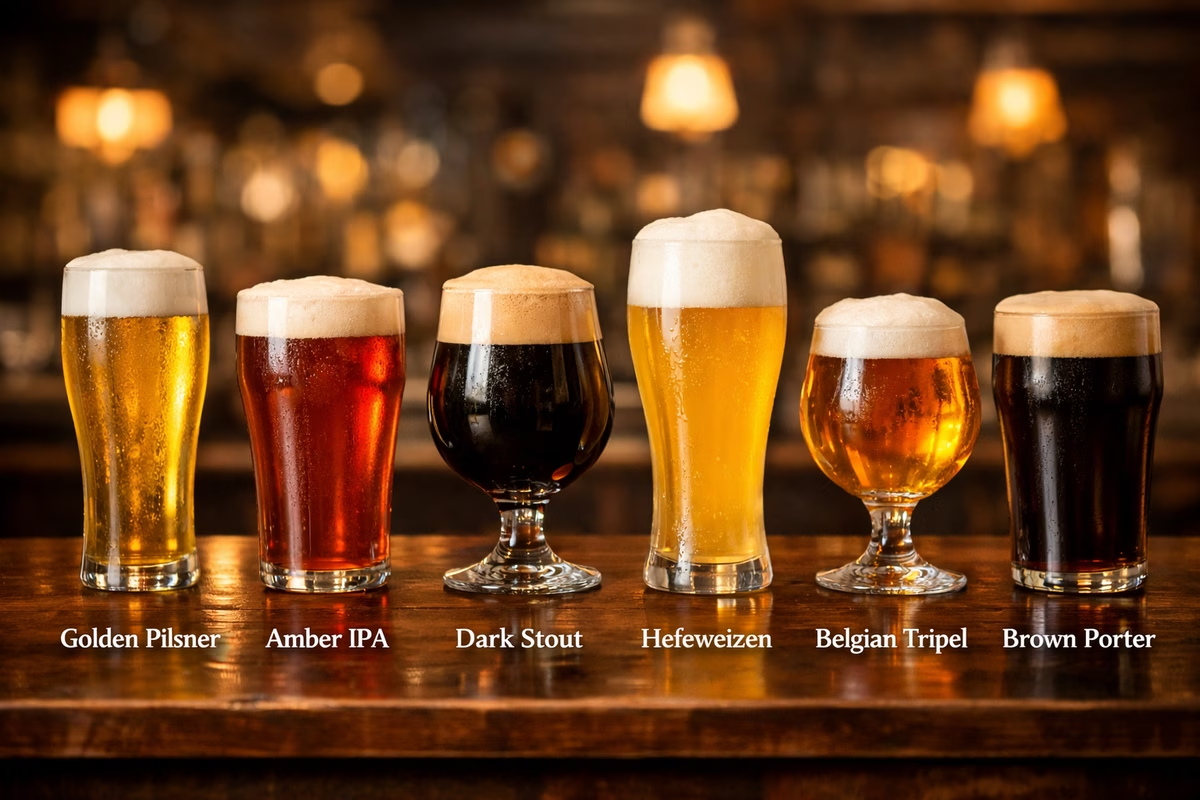
1. Pilsner: The Global Standard
Born in 1842 in the Czech city of Pilsen, pilsner is humanity’s most popular beer style. It’s golden, crystal-clear, with moderate hop bitterness and a crisp, clean finish. When someone says “beer,” they’re probably picturing a pilsner.
What to expect: Bread, light floral or spicy hops, refreshing dryness.
Pairs brilliantly with: Fish, chicken, salads, Mexican cuisine.
Try: Pilsner Urquell, Victory Prima Pils.
2. IPA: The Hop Showcase
India Pale Ale began as heavily-hopped British beer brewed to survive the voyage to colonial India. American craft brewers reinvented it, emphasizing citrus, pine, and tropical fruit from New World hop varieties. Today, IPA is craft beer’s flag-bearer style.
What to expect: Citrus, grapefruit, pine resin, tropical fruit, noticeable bitterness.
Pairs brilliantly with: Burgers, spicy food, strong cheeses.
Try: Bell’s Two Hearted, Sierra Nevada Torpedo.
3. Stout: The Dark Depths
Don’t let the color intimidate you. Stout—black, roasty, sometimes creamy—is often gentler and more approachable than its appearance suggests. Guinness, the world’s most famous stout, clocks in at a mere 4.2% ABV, lighter than many IPAs.
What to expect: Coffee, chocolate, cream, roasted grain.
Pairs brilliantly with: Oysters (classic!), chocolate desserts, grilled meats.
Try: Guinness Draught, Left Hand Milk Stout.
4. Hefeweizen: Bavaria’s Gift
This unfiltered German wheat beer is a revelation if you’ve never tried it. The cloudy golden liquid delivers intense banana and clove aromas—not from added ingredients, but from the yeast itself. Refreshing, complex, unmistakable.
What to expect: Banana, clove, bread, wheat.
Pairs brilliantly with: Breakfast foods, salads, seafood, light dishes.
Try: Weihenstephaner Hefeweissbier—arguably the world’s best.
5. Belgian Tripel: Deceptive Strength
Tripel is the golden strong ale of Belgian abbey tradition. It looks innocent—pale gold with a fluffy white head—but hides 7.5-9% alcohol behind layers of spice, fruit, and honey. Drink slowly; this one sneaks up on you.
What to expect: Spice, pepper, fruit, subtle honey, warming alcohol.
Pairs brilliantly with: Seafood, roast chicken, soft cheeses.
Try: Westmalle Tripel, La Fin du Monde.
6. Porter: Stout’s Approachable Sibling
Porter predates stout and occupies similar territory: dark, roasty, malty. But where stout leans into intensity, porter often feels softer, more balanced, with chocolate and caramel notes complementing rather than dominating.
What to expect: Chocolate, caramel, coffee, toast.
Pairs brilliantly with: BBQ, roasted meats, chocolate desserts.
Try: Founders Porter, Deschutes Black Butte Porter.
Quick Answers (FAQ)
What beer should beginners start with? Pilsners and amber lagers offer clean flavors and gentle bitterness—easy entry points.
How do I know if I prefer ales or lagers? If you like fruity or spicy notes, ales will feel right; if you want crisp and clean, lagers win.
What glass should I use? A clean shaker pint works for most beers; level up with a tulip for aromatic styles (IPAs, Belgians) and a pilsner flute for crisp lagers.
Best serving temperatures? Light lagers/pilsners: 38-42°F. Most ales: 45-50°F. Strong/dark beers: 50-55°F.
How do I taste beer properly? Look, swirl, sniff, sip, then breathe out through your nose. See our Beer Tasting 101 guide for the full flow.
Tasting Like You Mean It
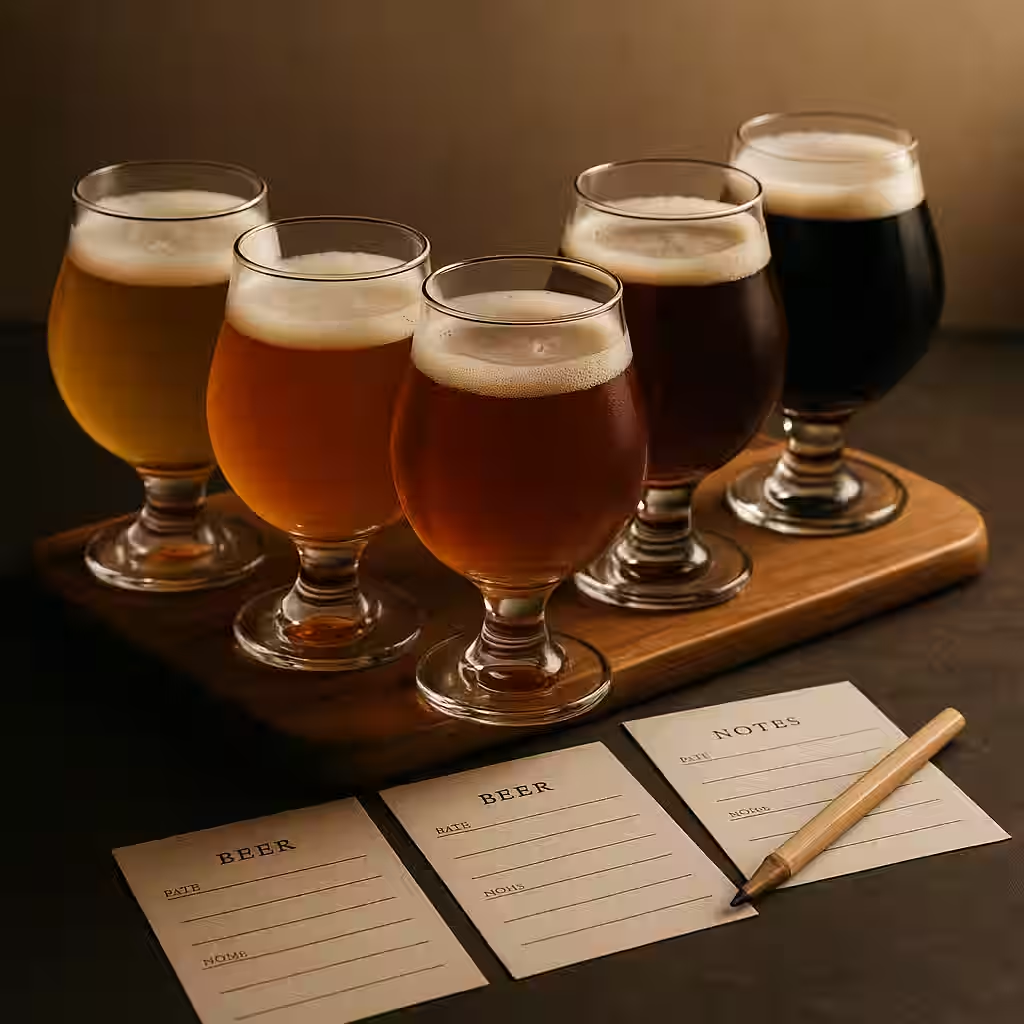
Most people drink beer without really tasting it. The glass empties, the conversation continues, the flavor registers only as “good” or “not good.” But a few simple techniques will unlock layers you’ve been missing.
Look First
Before you sip, observe. What color is the beer—pale gold, amber, ruby-tinged brown, impenetrable black? Is it clear or hazy? Does the foam cap persist, leaving lacy rings on the glass as you drink?
Smell Before You Sip
Your nose does more tasting than your tongue. Swirl the glass gently to release aromatics, then take short sniffs. What do you notice? Citrus? Bread? Chocolate? Clove? Banana?
Taste With Intention
Take a sip large enough to coat your mouth. Let the beer touch your tongue, cheeks, and palate before swallowing. Breathe gently through your nose to enhance the perception.
Notice the Goodbye
After you swallow, pay attention to what lingers. Does the flavor fade quickly or persist? Is it dry, sweet, bitter, warming? Would you take another sip?
Reading Labels Like an Insider
Beer labels contain valuable intelligence once you know what to look for.
ABV (Alcohol by Volume)
This tells you how strong the beer is:
- 3-4%: Light, session-able
- 4-6%: Standard strength for most beers
- 7-12%+: Strong; sip rather than chug
IBU (International Bitterness Units)
A measure of hop bitterness:
- 10-20: Low bitterness
- 20-40: Moderate
- 40-70: High (typical IPA territory)
- 70+: Very high; intense hop character
Remember that bitterness perception depends on context. A beer with 60 IBU will taste less bitter if it’s balanced by more malt sweetness.
Style
The style name tells you what to expect. “Pilsner” means crisp and hoppy. “Stout” means dark and roasty. “Saison” means spicy and dry. Learning style associations multiplies your ability to choose well.
Serving Beer Right
You wouldn’t serve champagne warm or whisky cold. Beer deserves similar consideration.
Temperature Matters More Than You Think
Light lagers and pilsners drink best at 38-45°F—cold enough to be refreshing, not so cold that flavor disappears.
IPAs and pale ales want 45-50°F—slightly warmer to let hop complexity shine.
Stouts, porters, and Belgian ales prefer 50-55°F, where roasted and complex flavors fully emerge.
Imperial stouts and barleywines can go even warmer, 55-60°F, releasing all their richness.
Too cold numbs your palate. Too warm lets alcohol dominate. Find the sweet spot.
Glassware: Not Just for Wine Snobs
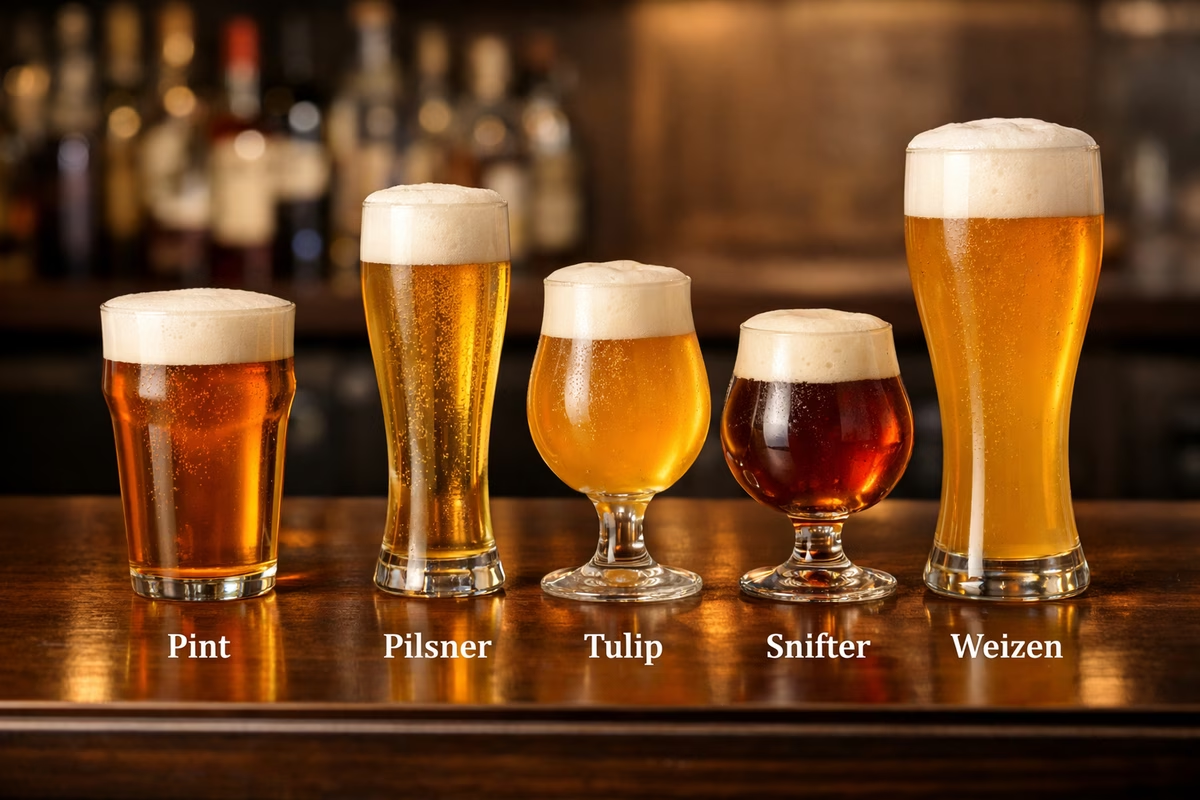
Different glasses serve different purposes:
- Pint glass: General purpose, works for most styles
- Pilsner glass: Tall and tapered, showcases clarity and carbonation
- Tulip: Captures and concentrates aromatics—great for IPAs and Belgians
- Snifter: Warms beer in the hand, concentrates intense aromas—ideal for strong ales
- Weizen glass: Tall and curved, designed for German wheat beers
Whatever glass you use, make sure it’s clean. Soap residue destroys head retention and mutes flavors.
The Pour: A Small Ritual
- Hold the glass at 45 degrees
- Pour down the side until half full
- Straighten the glass
- Pour into the center to build 1-2 fingers of foam
- That head isn’t waste—it’s concentrated aroma and flavor
Putting It Together: Food and Beer
Beer’s versatility makes it a natural dining companion. A few principles will guide you:
Match intensity: Light beer with light food, bold beer with bold food. A delicate pilsner can’t stand up to smoked brisket; an imperial stout would overwhelm a garden salad.
Complement or contrast: You can either echo flavors (chocolate stout with chocolate cake) or set them against each other (hoppy IPA cutting through rich, fatty fried chicken).
When in doubt: Pilsners pair with almost anything. So do saisons. Pale ales handle most American food beautifully.
Your First Week in Beer
You don’t need to taste everything at once. Here’s a gentle progression:
Day 1: Try a quality pilsner. Really taste it. Notice the crispness, the subtle hop character, the clean finish.
Day 3: Move to a pale ale. Compare it to what you remember from the pilsner. More hop flavor? More color? Fuller body?
Day 5: Explore a wheat beer—a hefeweizen if possible. That banana and clove? It’s all yeast.
Day 6: Taste an IPA. Feel the hop intensity, the bitterness, the citrus and pine.
Day 7: Finish with a stout. Notice how dark doesn’t mean harsh. Find the chocolate, the coffee, the smoothness.
Take notes if you’re so inclined. Your palate will develop faster if you write down what you experience.
Common Questions, Straight Answers
Does darker mean stronger?
No. Color comes from roasted malt, not alcohol. Guinness is only 4.2% ABV; many pale IPAs hit 7% or higher.
Should I drink from the bottle?
Pour into a glass whenever possible. You’ll experience far more aroma and flavor.
How long does beer last?
Most beers: drink within 3-6 months of packaging. IPAs: drink fresh—hop character fades quickly. Strong beers (barleywines, imperial stouts): can age for years, developing new complexity.
Is beer good for you?
In moderation, beer offers some genuine benefits—B vitamins, antioxidants, social connection. “Moderation” means one to two per day maximum.
Why does some beer taste skunky?
Light exposure damages hop compounds, creating the infamous “skunked” aroma. Clear and green bottles offer less protection than brown glass. Avoid anything that’s been sitting in a sunny window.
Where to Go From Here
This quickstart gave you the foundation. Now the real exploration begins:
Go deeper:
- Beer Tasting 101 — Master the full tasting framework
- Complete Beer Styles Guide — Explore every major style
- Food & Beer Pairing — Perfect pairings for any meal
- Homebrewing Basics — Brew your own batch
Practice:
- Beer Styles Quiz — Test your style knowledge
- Matching Game — Connect beers with characteristics
- Flashcards — Build your vocabulary
Three Rules for the Journey Ahead
Drink what you like. Your palate, your preferences, your choice. No one gets to tell you what you should enjoy.
Experiment fearlessly. Every unfamiliar style is an opportunity. Try things that seem weird. You might discover your favorite.
Share the experience. Beer is social. It’s meant to be passed across tables, discussed with friends, celebrated in company.
You now understand more about beer than 95% of drinkers. The difference between ale and lager, the roles of malt and hops, the basics of tasting and pairing—it’s all yours now.
But this is just the beginning. A lifetime of discovery awaits in every glass. Welcome to the wonderful world of beer.