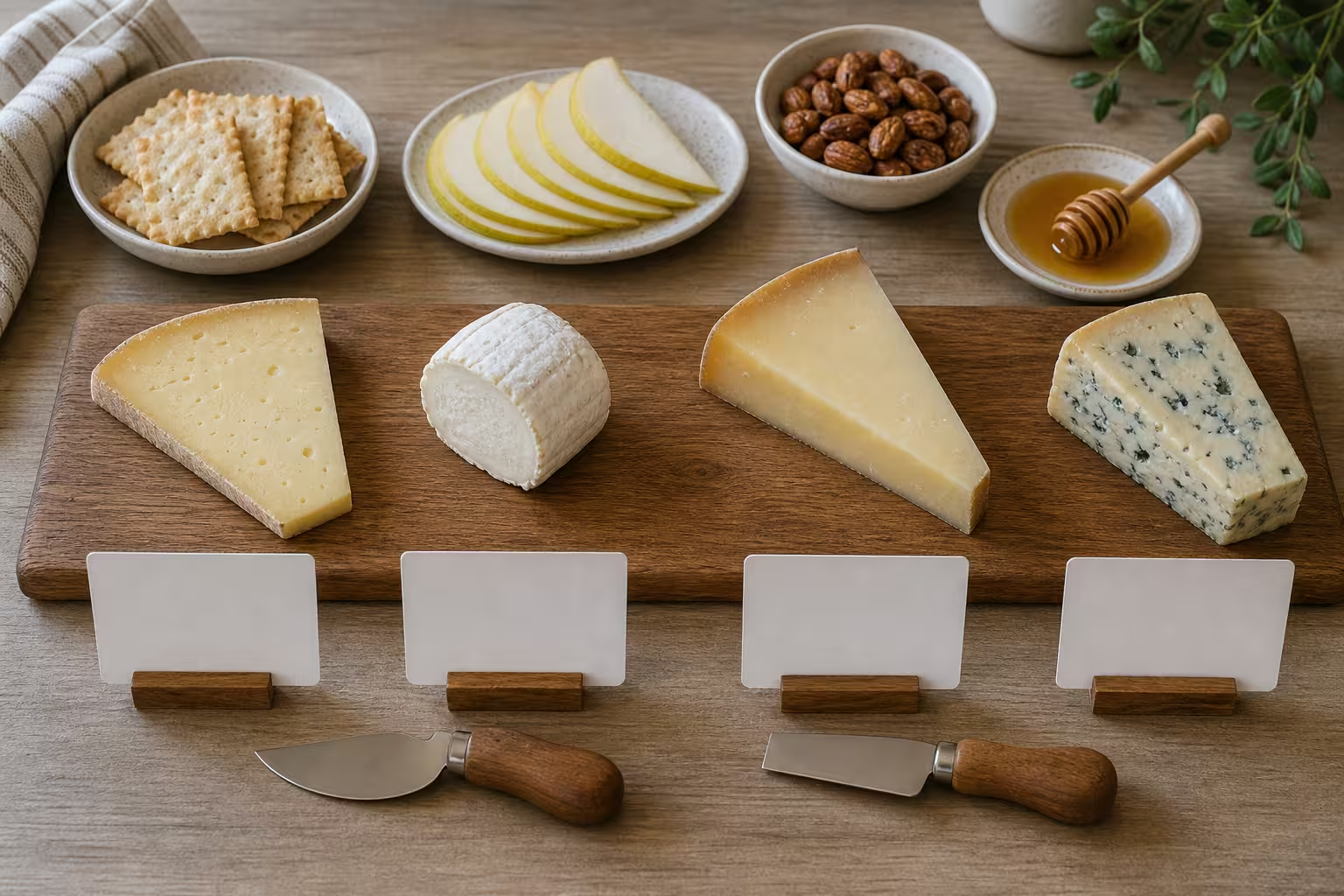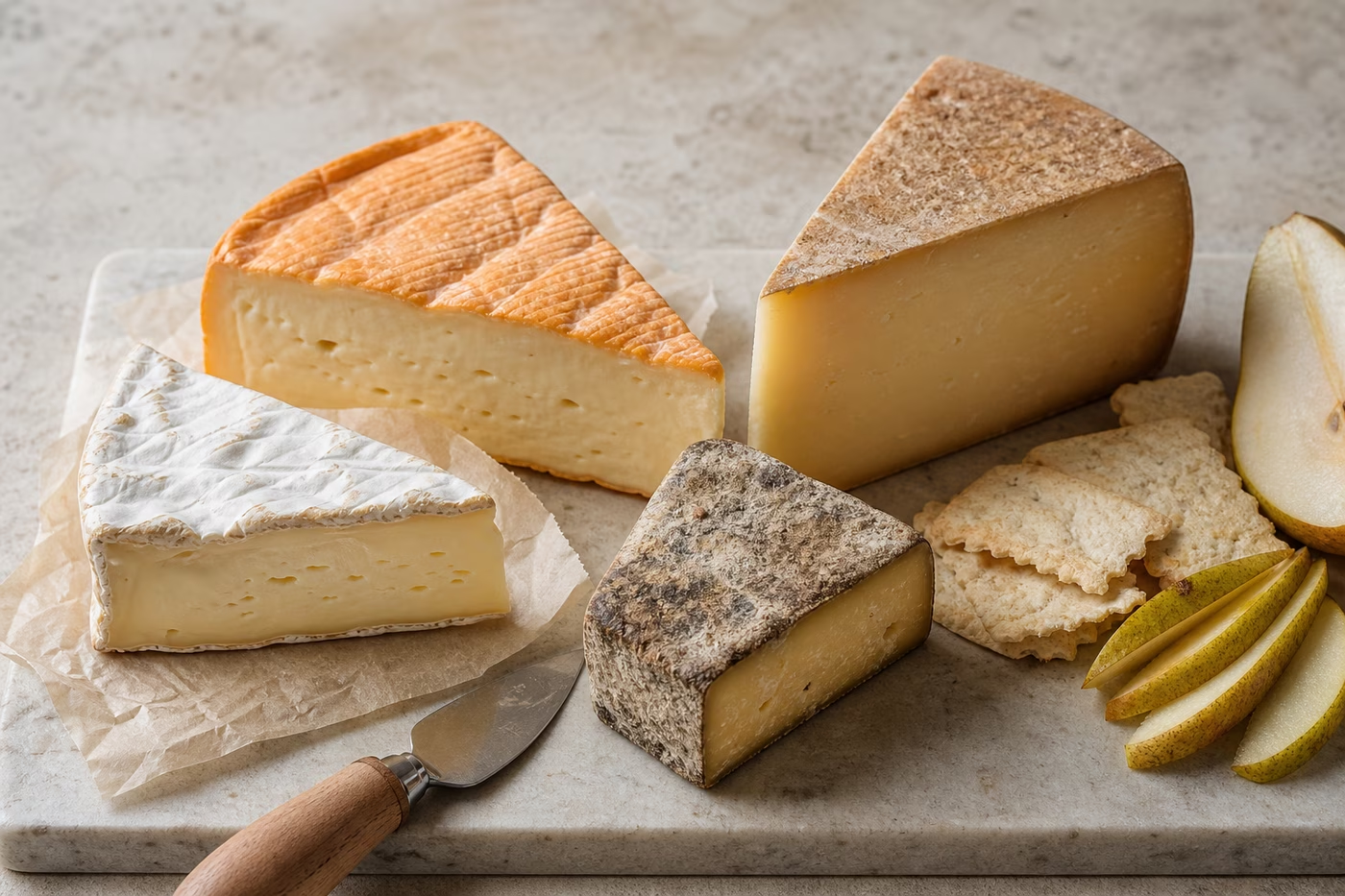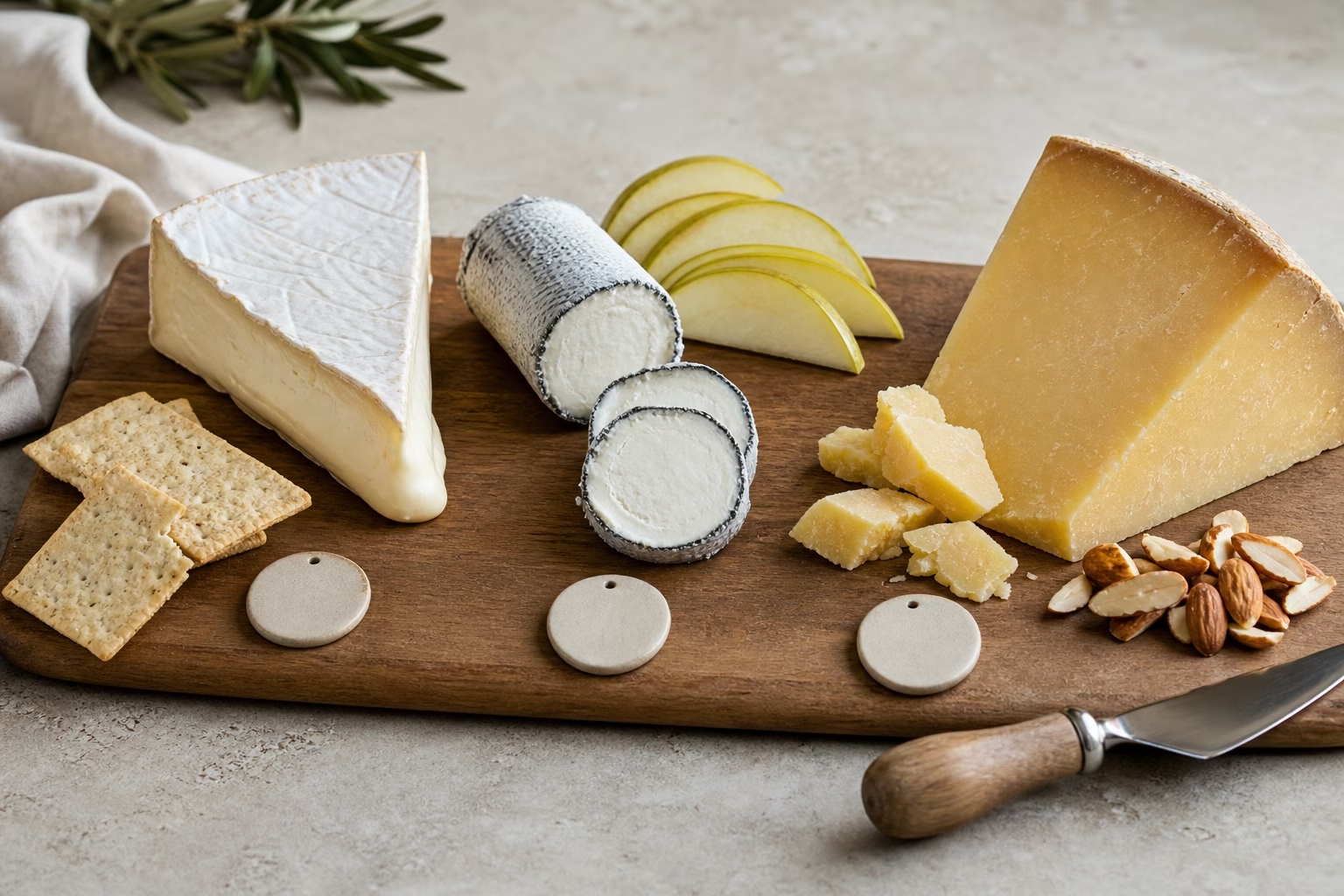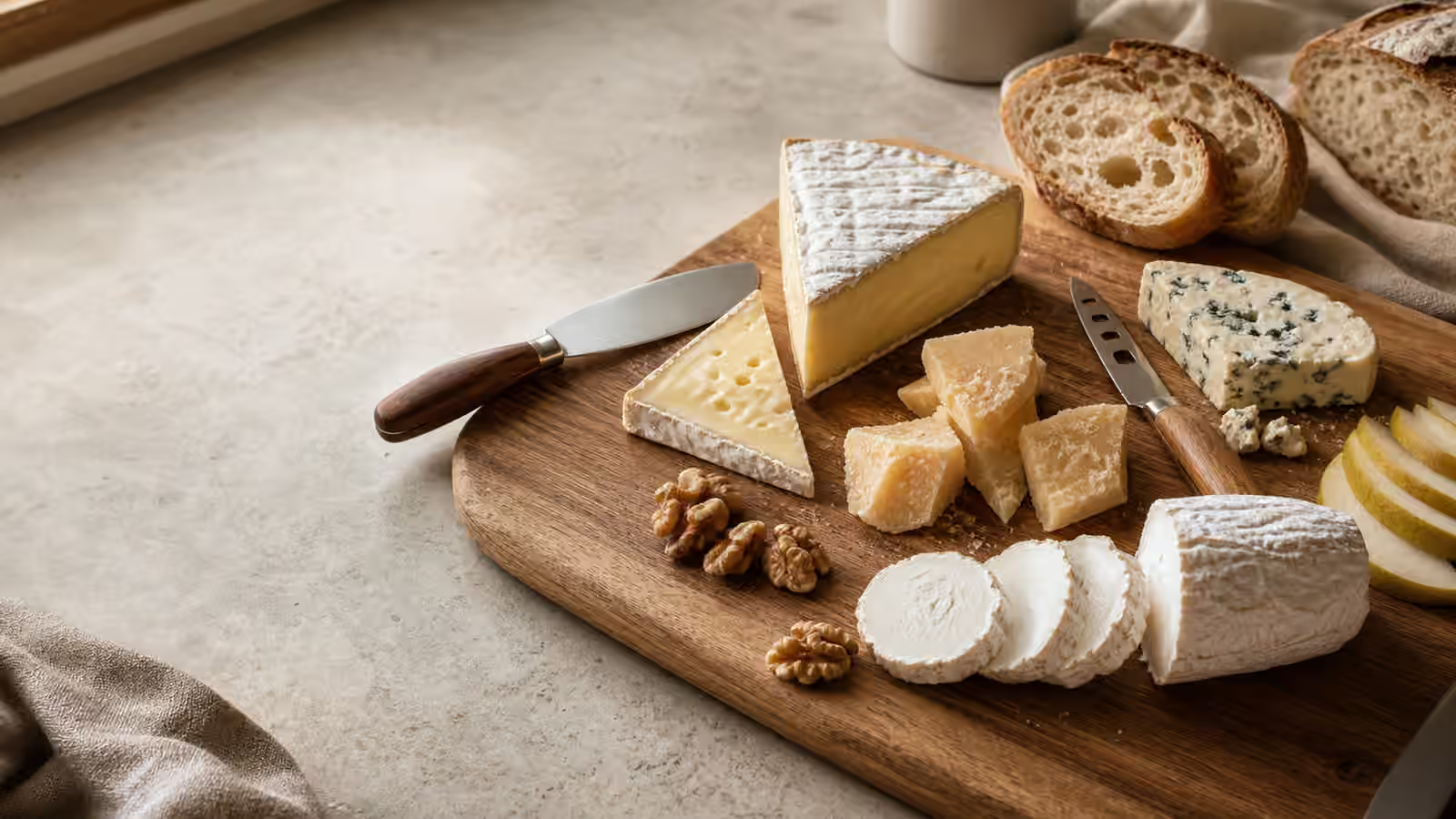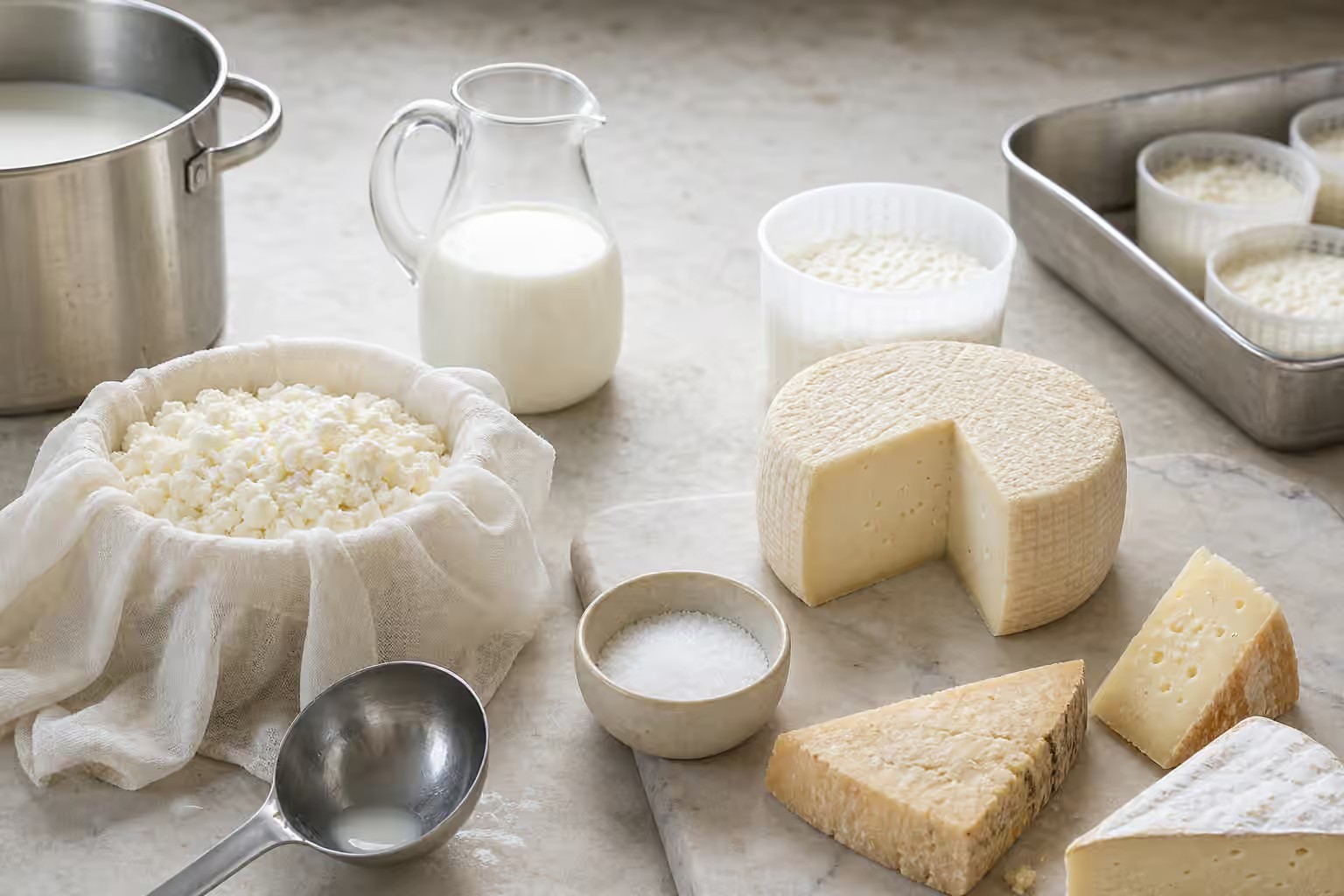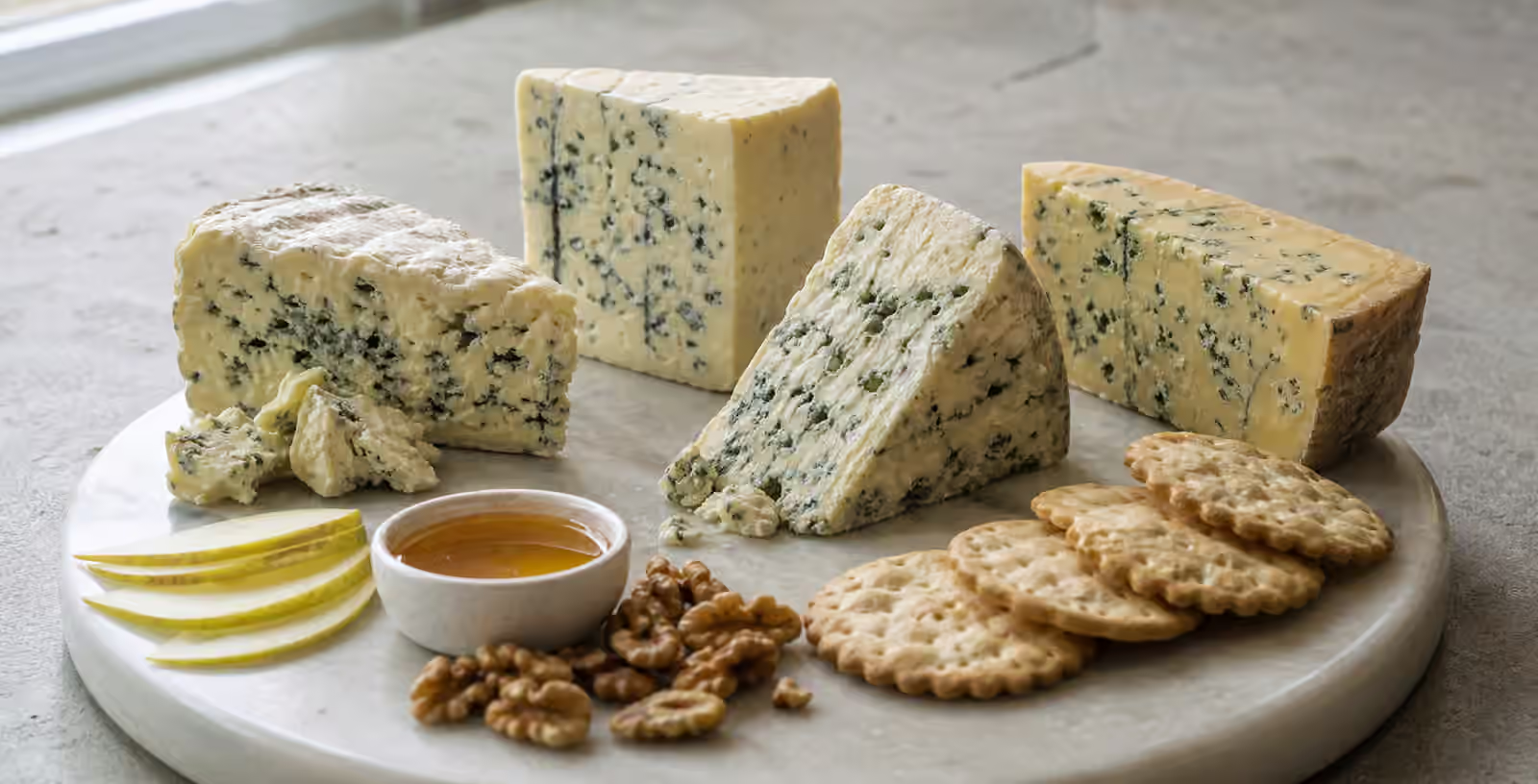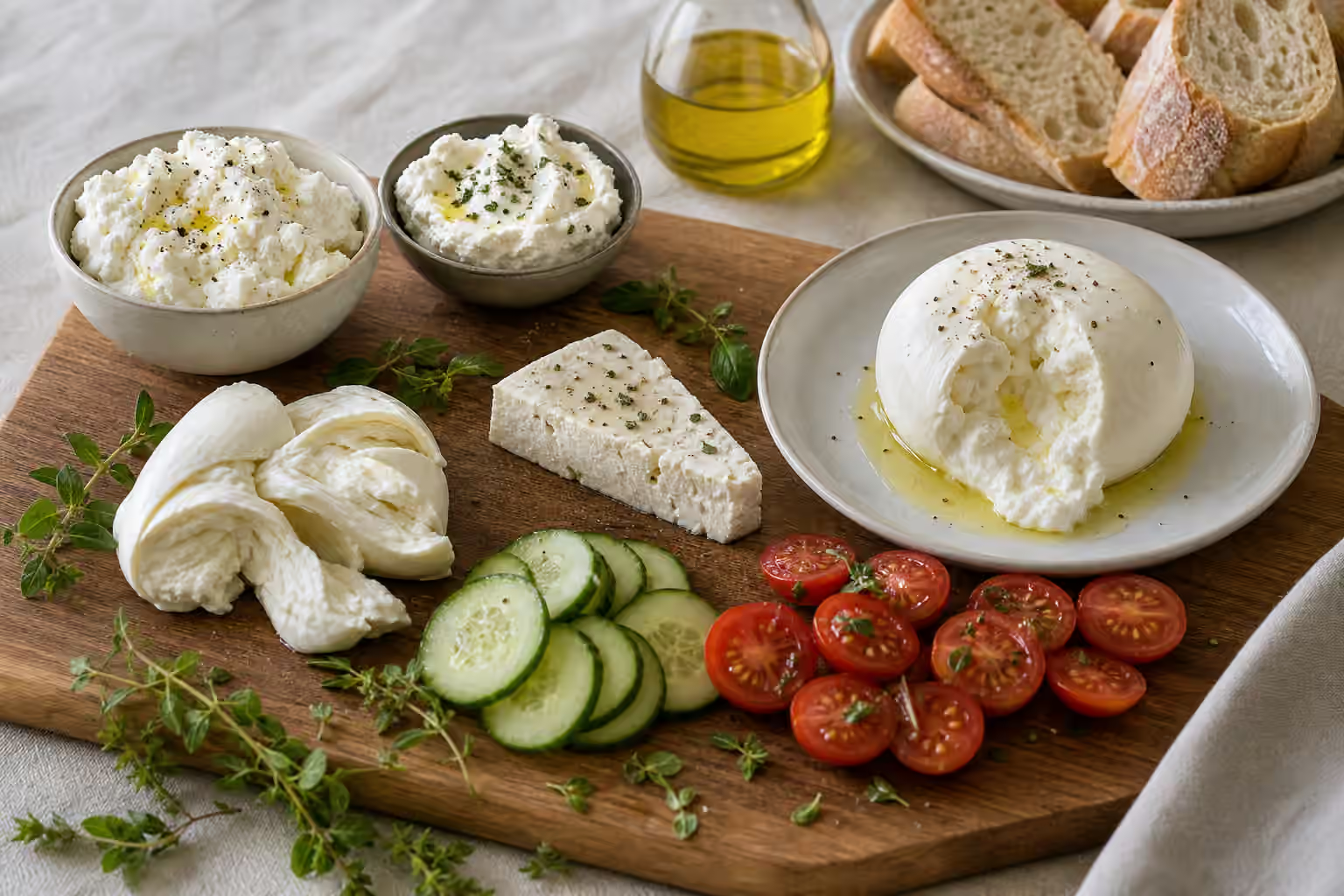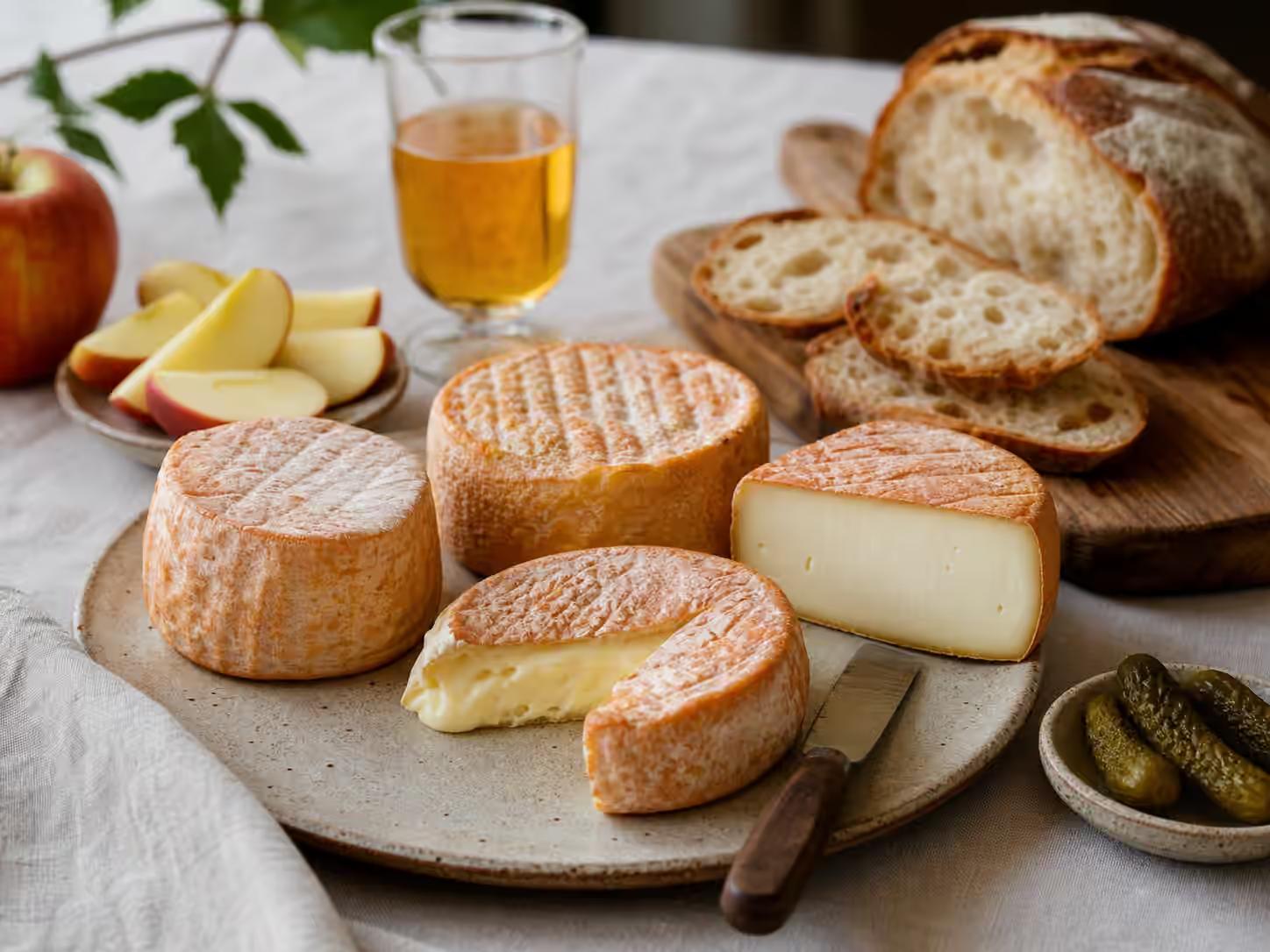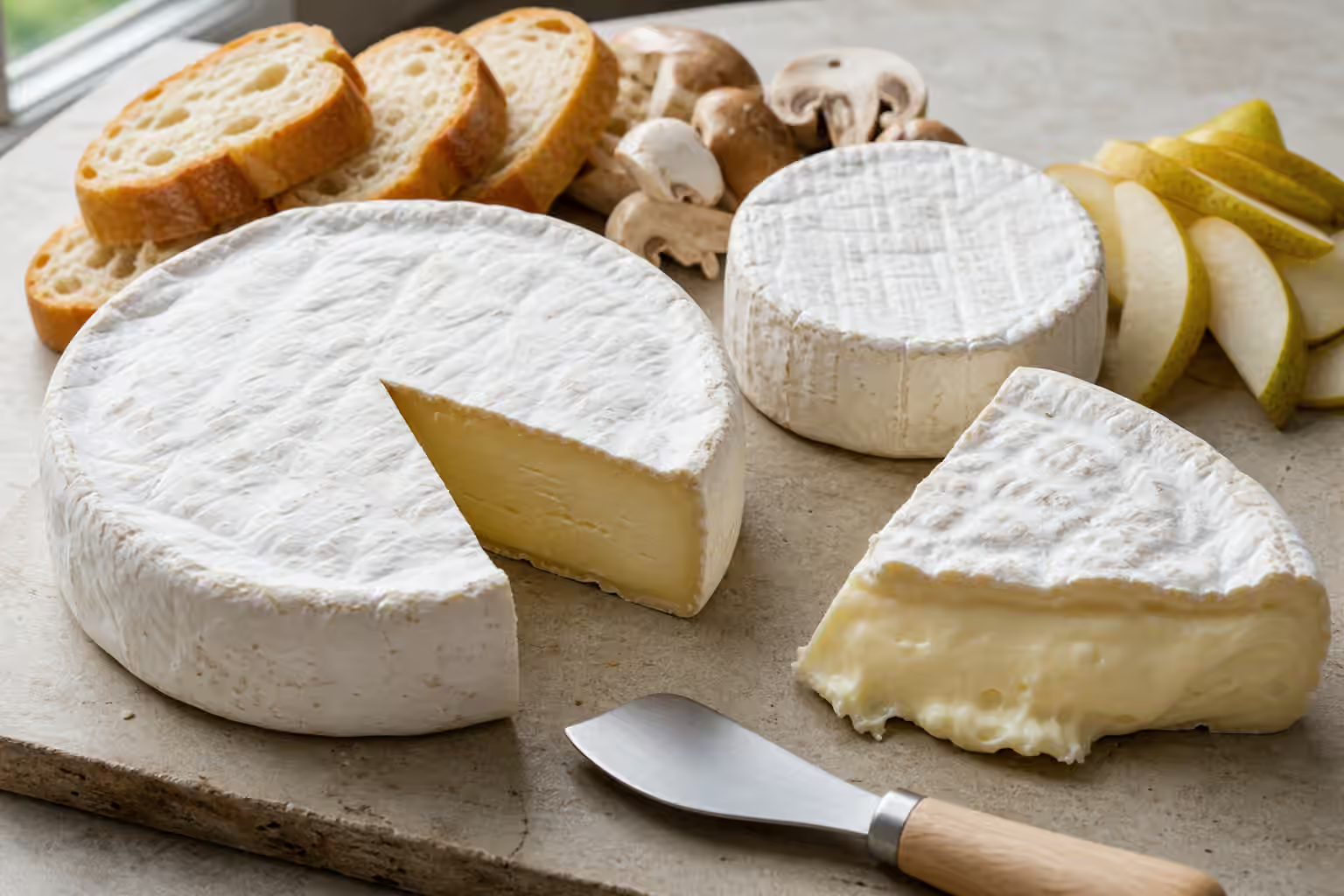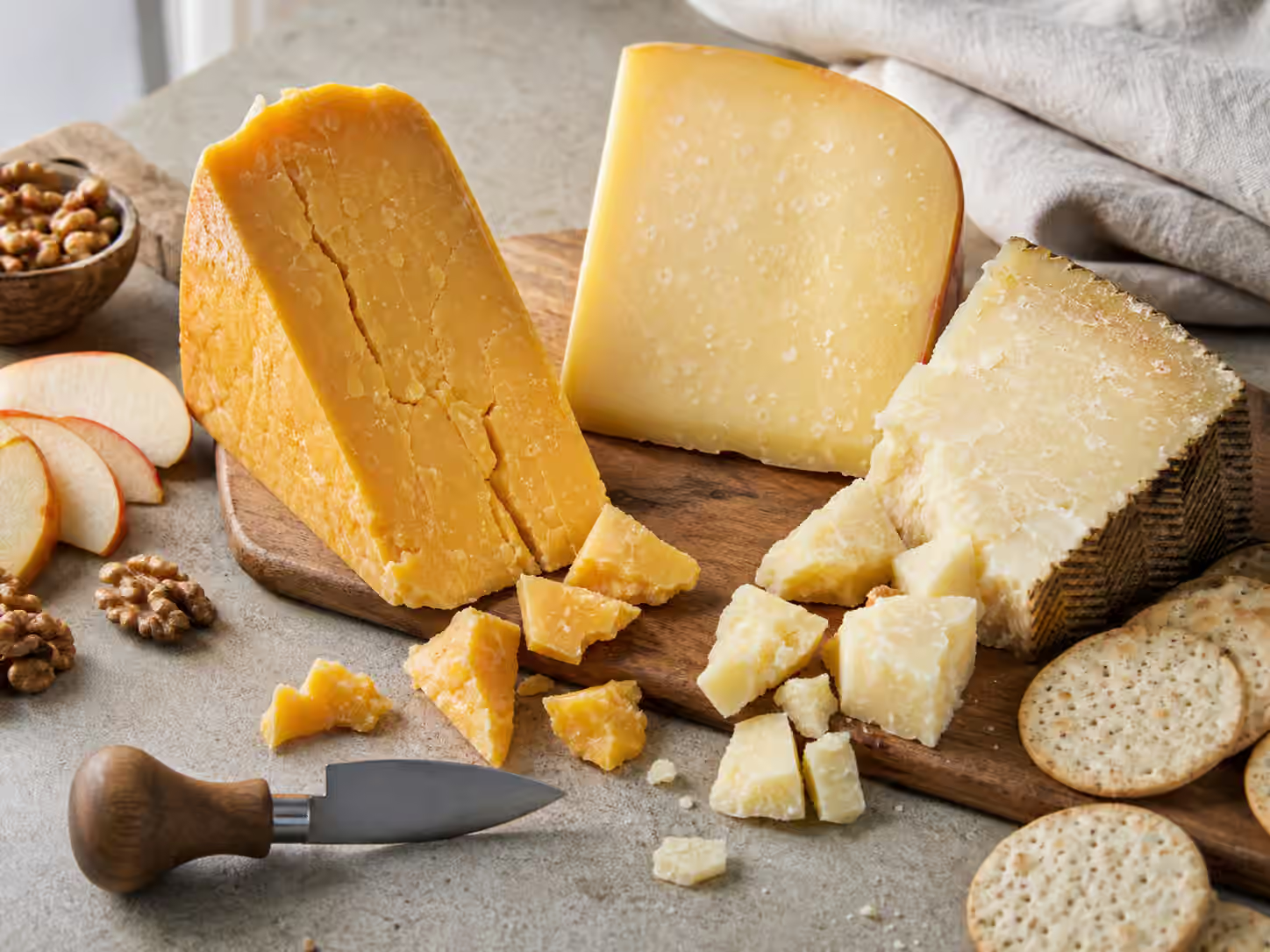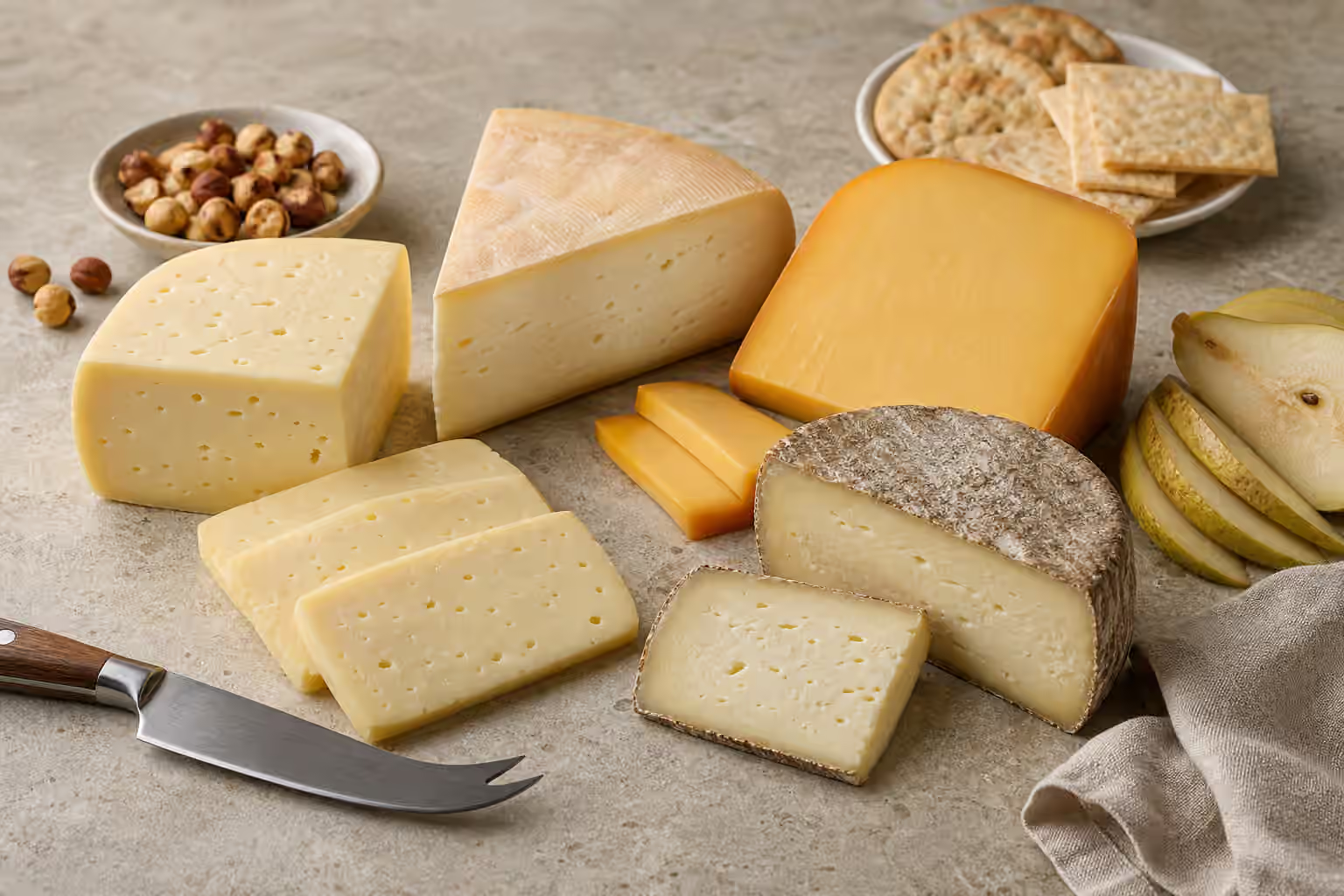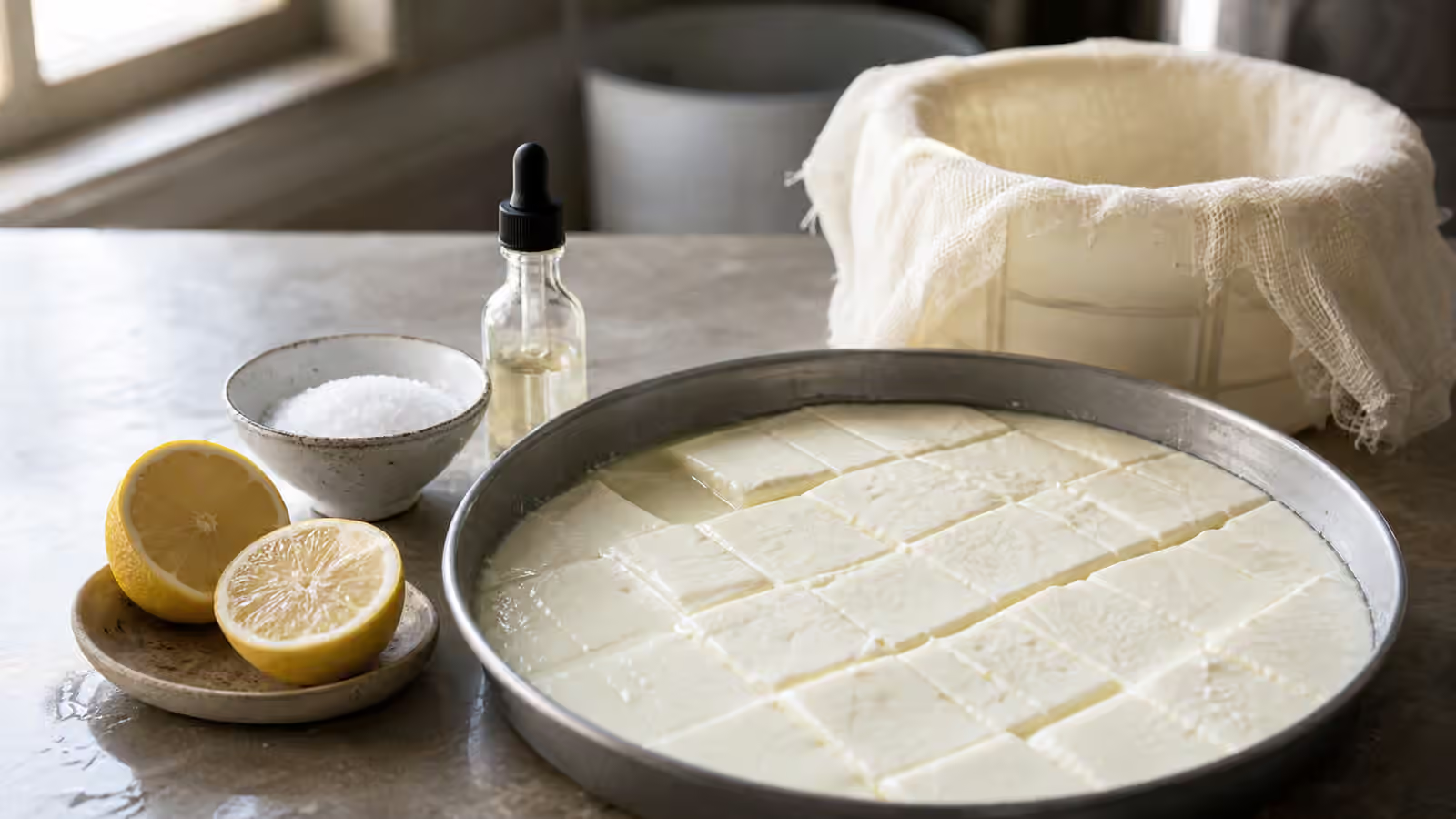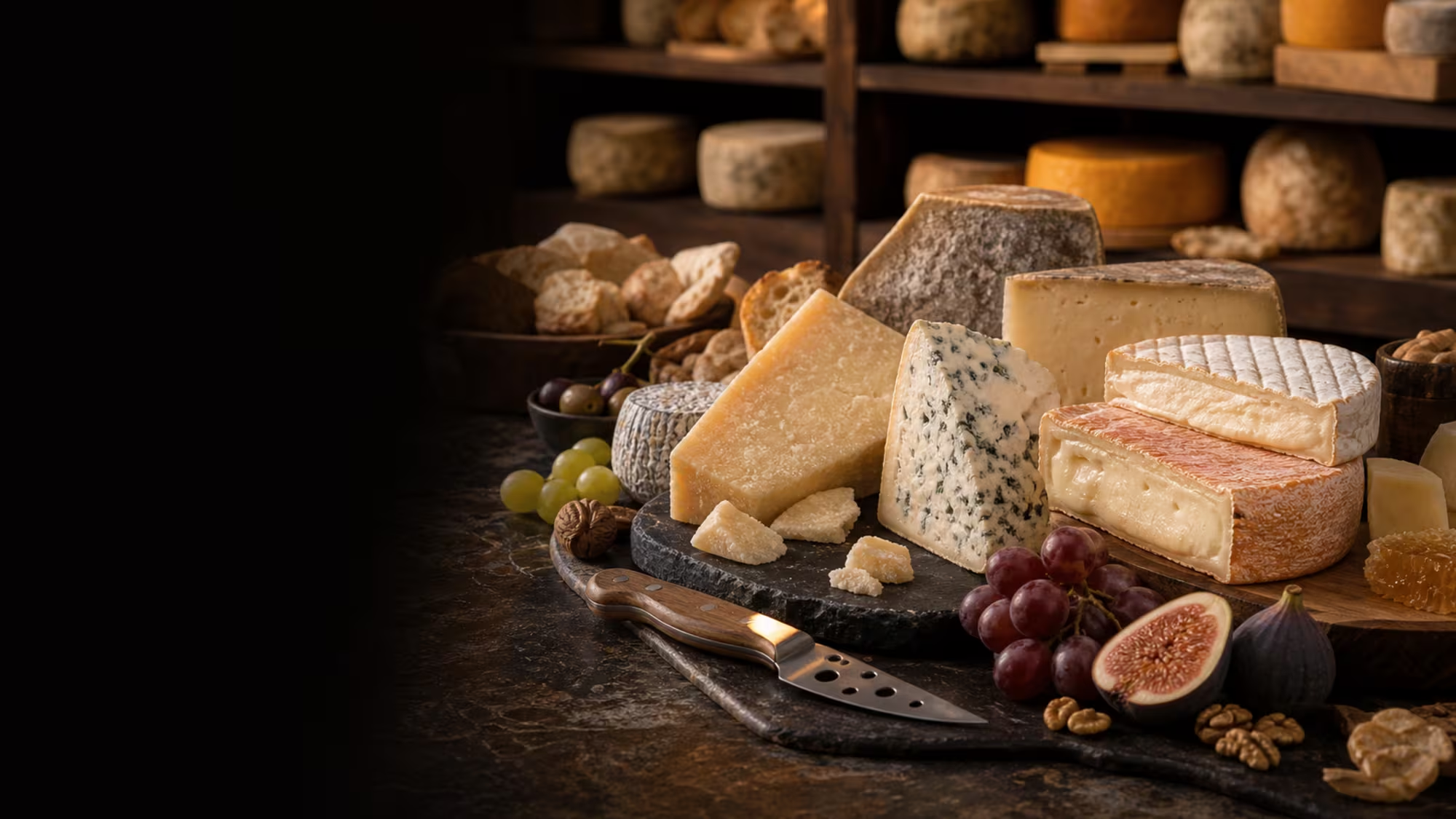
Cheese Atlas is a working map of the cheese counter. Most people already eat cheese constantly and still feel unsure in front of the case: which wedge is worth the price, whether the rind is edible, how ripe is too ripe, and why the same name can taste so different from one shop to the next. These guidebooks exist to make those moments easier — to help you read a label, talk to a monger, spend sensibly, and get a cheese home in good condition.
The library is organized around how cheese actually enters a life. One shelf explains the material itself: the five broad families, milk types, rinds, texture and moisture, and how aging changes flavor. Another covers the practical craft of buying, storing, cutting, and serving. A third is about cooking — melting behavior, sauces that do not break, and which cheese belongs on pasta, pizza, eggs, or a burger. A final set of pages handles hosting, from portion planning to boards built for mixed groups.
Where to start
If you are new, read Getting Started with Cheese: A Quickstart Guide first; it introduces the families and a simple way to taste across them. Keep Cheese Types: A Comprehensive Guide nearby as the reference layer, then move to The Art of the Cheese Plate when you want to serve people rather than just feed yourself. Everything else branches from there by appetite.
The editorial approach is practical and evidence-first. Cheeses are described by how they are made and how they behave — moisture, salt, cultures, age — rather than by romance about caves and countryside. Price advice assumes ordinary budgets, storage advice assumes an ordinary fridge, and nothing here requires special equipment before you have learned what you actually like. And when you would rather feel the process than read about it, run a cellar of your own for a season in Cave Aged , the Cheese Atlas arcade game.