Chocolate gets more interesting the moment you stop asking “is it good?” and start asking “what am I tasting, and why?” These guidebooks teach you to notice structure, origin, and craft in a way that makes every bar feel more legible—and every kitchen session more predictable.
If you’re new to craft chocolate, think of this section as a translator. It turns percentage labels and origin names into something you can actually use: a way to predict intensity, recognize fermentation character, and understand why one maker’s “70%” tastes like berries while another reads like cocoa and toast.
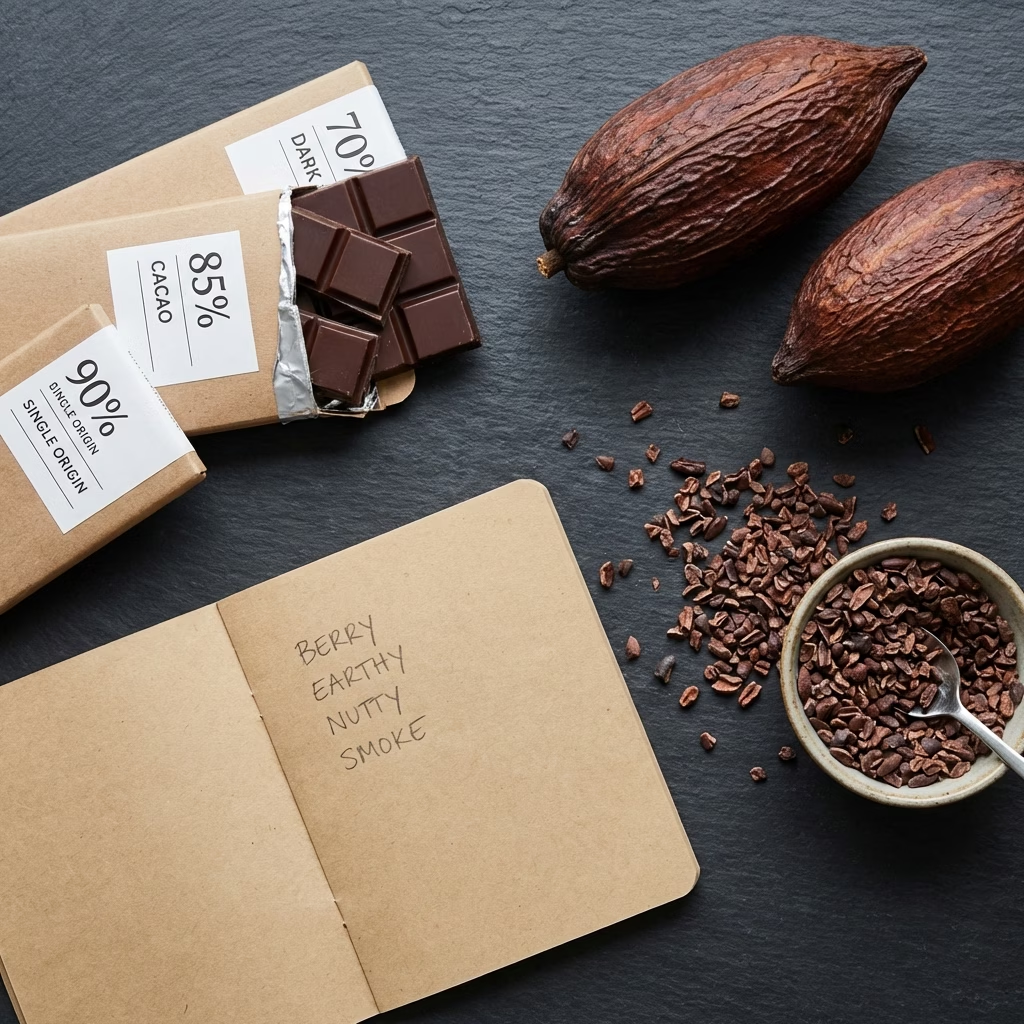
If you’re not sure where to start, open Quickstart and then move into the Chocolate Tasting guide and Cacao Origins. If you want a single “how chocolate is made” backbone to hang everything on, add Bean-to-Bar Basics—it’s the clearest route from farm decisions to flavor in the final bar.
When you’re ready to work with chocolate, the technique chapters focus on the parts that actually change gloss, snap, and texture. Start with Melting Without Seizing to avoid the most common home-kitchen failure mode, then use Tempering Chocolate at Home and Tempering Troubleshooting to get repeatable results instead of “sometimes it works.”
For the simplest “upgrade” that makes any bar taste better, use Storage and Serving and taste the difference once. Keep quick notes on aroma and texture to lock in the contrast.
The best way to use this library is to keep it tied to real moments: one tasting flight, one recipe, one bar you want to understand. Read a chapter, do the thing immediately, and write down one observation you can test again next time.