Single-origin chocolate isn’t a flex. It’s a shortcut to understanding. Taste a few origins side by side and chocolate stops being “70%” and becomes legible—bright and berry-like, nutty and mellow, floral and perfumed, deep and cocoa-forward.
Use this guide like a map. Keep the style as constant as you can (similar percentages, no heavy inclusions, ideally the same maker across bars) and let origin be the variable. Then taste with a simple rhythm—smell first, melt slowly, notice the finish—so you’re learning signals instead of collecting adjectives.
If you’re shopping in the real world (where you can’t always find matched bars), use a practical fallback: keep percentages close and prioritize clean ingredient lists. Bars with lots of added cocoa butter, vanilla, dairy, or inclusions can still be delicious, but they make it harder to hear what origin is doing.
Terroir, in practice
“Terroir” is everything that pushes flavor in a direction before a maker ever touches the beans. Genetics sets the outer boundaries of what’s possible; fermentation turns fruit into flavor precursors; drying decides whether those precursors arrive clean or harsh; and climate, soil, and altitude do the slow work of shaping acidity, sugar development, and aromatic potential.
The “three varieties” model (useful, but simplified)
You’ll see Criollo, Forastero, and Trinitario everywhere. It’s a helpful historical shorthand, but modern cacao is often genetically mixed. Still, the tendencies are real enough to guide expectations.
Criollo is often described as delicate and aromatic, with lower bitterness and a refined, “clean” profile when post-harvest work is strong. Forastero is the sturdy backbone of global cacao, commonly delivering classic cocoa depth and power, with a wider range of bitterness depending on fermentation and roast. Trinitario sits between them as a hybrid, sometimes giving you brightness and perfume without losing structure.
South America
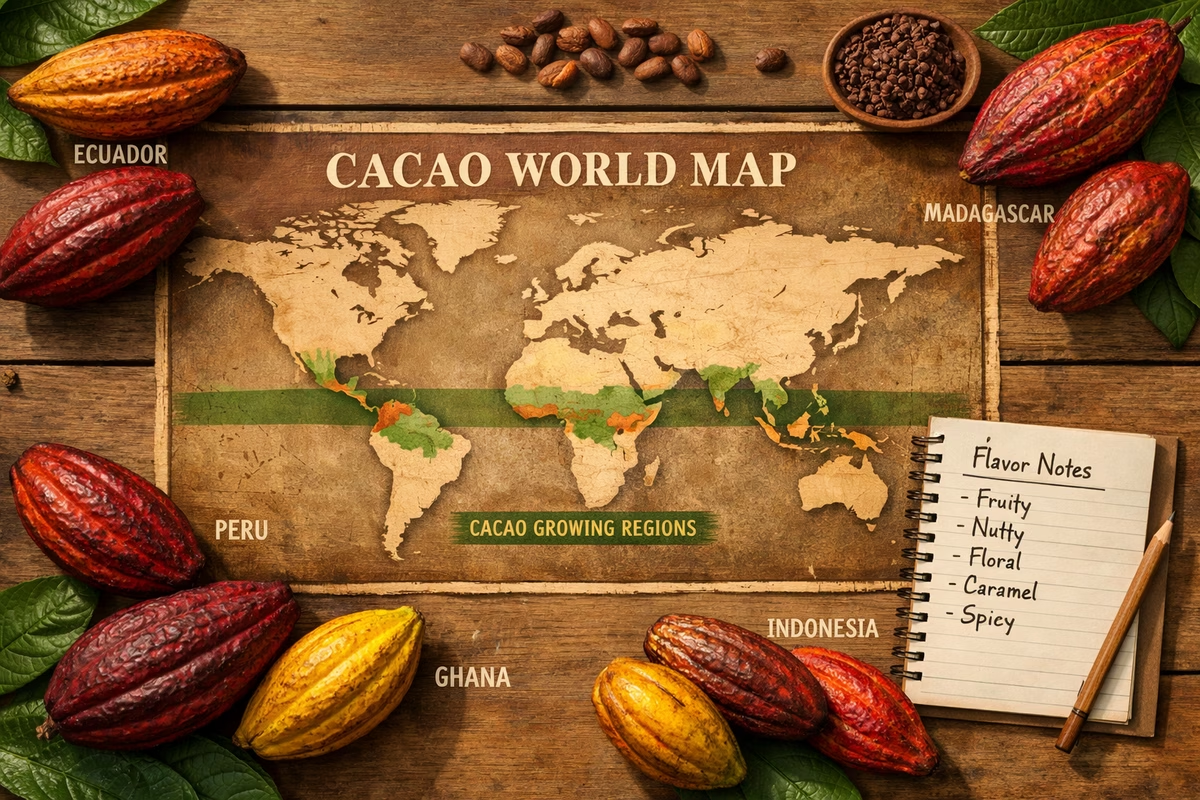
Ecuador
Ecuador is famous for cacao that feels perfumed—floral, sometimes jasmine-like—often layered with tropical fruit and a gentle nuttiness. When the roast is restrained, these bars can feel elegant rather than intense, with a clarity that makes aroma the main event. If you’re trying to learn what “aromatic chocolate” means, Ecuador is one of the cleanest introductions.
Venezuela
Venezuelan cacao has a reputation for refinement: nutty, caramel-toned sweetness, dried fruit, and long, composed finishes that avoid sharp edges. When it’s great, it tastes expensive in the way silk feels expensive—less about loudness, more about texture, balance, and length. It’s often priced accordingly, but it’s a memorable reference point for what chocolate can do when bitterness stays in the background.
Peru
Peru frequently lands in the “balanced” zone: approachable cocoa, nuts, gentle fruit, and a finish that stays clean. It’s a good bridge between bright, acidic origins and deep, roasty styles, and it’s one of the easiest places to taste how fermentation choices can tilt a bar toward fruit or toward classic cocoa without making it feel extreme.
Colombia
Colombian bars often show red-fruit energy—raspberry, cherry, sometimes a winey lift—paired with caramel sweetness and a lively acidity. The best versions feel bright without being sharp, and they can teach you the difference between pleasant brightness and the kind of acidity that reads as unfinished fermentation.
Brazil
Brazil can be wonderfully straightforward: cocoa, nuts, coffee tones, and an earthy bass note, especially when makers choose a more developed roast. It’s not always a “perfume” origin, but it’s a useful anchor—an origin that helps you recognize what roast-forward chocolate tastes like when the goal is depth and comfort rather than fruit.
Central America and the Caribbean
Dominican Republic
Dominican cacao often tastes like calm competence: honeyed sweetness, nuts, dried fruit, and a creamy, steady profile that doesn’t demand attention to be enjoyable. It’s excellent for learning texture and balance, and it tends to show how good fermentation can feel “quiet” without being boring.
Trinidad
Trinidad’s history is intertwined with Trinitario cacao, and many bars from the region lean toward warm spice, cocoa depth, and a slightly aromatic edge. When handled well, it reads as composed and layered rather than bright, with a finish that lingers like toast and gentle spice.
Jamaica
Jamaican cacao is often positioned as small-production and premium. The profile can lean tropical—honey, molasses, warm spice—carried by a smooth, refined finish. If you like chocolate that feels dessert-like without being sugary, Jamaica is a rewarding detour.
Grenada
Grenada is a small origin with a big personality: cocoa-forward, often nutty, sometimes with an earthy or spicy edge that feels rustic in a good way. It’s a place to learn how “chocolatey” can be a flavor profile all its own, not a lack of character.
Africa and the Indian Ocean
Madagascar
Madagascar is the origin many people remember on the first bite. The signature is bright and red-fruited—raspberry, strawberry, citrus—sometimes with a tang that feels almost sparkling. When it’s well made, the acidity feels intentional and clean, and the fruit reads as aroma rather than sourness.
Ghana and Côte d’Ivoire
West African cacao is the backbone of global chocolate, and many profiles lean toward classic cocoa, brownie, nuts, and a deeper, roasted register. It’s a valuable reference point: if you want to understand “chocolate tastes like chocolate,” this is often the path. At fine-flavor quality levels, you can also find surprising nuance, especially when makers roast with restraint.
Tanzania
Tanzanian bars can combine cocoa depth with a bright edge—citrus, tea-like tannin, sometimes dried fruit—often landing in a profile that feels both structured and lively. If you’re learning how tannin feels in chocolate, Tanzania is a useful teacher.
Uganda
Ugandan cacao often reads as bold: cocoa-forward, sometimes earthy, sometimes fruit-tinged, with an intensity that can feel rustic or powerful depending on roast. It’s a good origin for understanding how fermentation and roast can either clarify flavor or push it toward heaviness.
Asia and Oceania
Vietnam
Vietnam is often vivid and aromatic, with bright fruit, spice, and a clean snap of acidity. Many bars feel energetic rather than heavy, and they can teach you how a bar can be intense without being bitter—when acidity is clean and sweetness is well placed.
Papua New Guinea
Papua New Guinea frequently brings a darker, earthier profile—forest-floor notes, cocoa depth, and a rustic edge that can be compelling when the finish stays clean. It’s an origin that rewards slow tasting, because the interest often shows up late, in the finish.
Philippines
Philippine cacao can move between fruit and cocoa, sometimes with a warm, caramel-like sweetness and a gentle spice note. It’s a flexible origin that shows how “balanced” doesn’t have to mean “forgettable.”
India
Indian cacao is still emerging in many craft contexts, but it can be fragrant and spice-leaning, with cocoa depth and a pleasant, warm finish. When it’s good, it feels like a bar that wants to be paired—coffee, chai, nuts—without needing additions to be complete.
Taste origins in a way that teaches you fast
Set out three bars that are meaningfully different and keep everything else quiet: room temperature chocolate, water, and a little time. Taste each bar once on its own, then taste again with a simple question in mind. Does the aroma read fruit, flowers, nuts, spice, or cocoa? Does the melt feel silky or waxy, and does the finish stay clean or turn dry and tannic? The answers are more useful than a dozen poetic notes.
If you want a simple three-origin flight that works almost anywhere, choose one “bright” origin (often Madagascar or a fruit-forward Vietnam), one “perfumed” origin (often Ecuador), and one “cocoa-forward anchor” (often a West African style). This isn’t about ranking them. It’s about building reference points so future labels mean something.
If you want a single comparison that makes origin “click,” put a Madagascar bar next to an Ecuador bar at a similar percentage. One teaches you brightness and fruit; the other teaches you perfume and aroma. Then add a cocoa-forward West African style bar as a grounding reference and you’ll feel how wide the world really is.
Single-origin and blends (both belong)
Single-origin bars are great for learning and for chasing a specific mood. Blends are where makers often build balance on purpose, combining strengths and smoothing sharp edges. If you love one origin but find it occasionally too intense, you may prefer a blend that keeps the character while softening the extremes.
What origin can’t tell you (but you’ll taste anyway)
Origin doesn’t tell you roast style, sugar strategy, or refining choices. Two makers can source the same origin and produce bars that feel like different foods: one preserving fruit and florals, the other leaning into cocoa and toast. That’s not a contradiction—it’s the craft layer.
When a bar surprises you, write down which layer you think you’re tasting: “origin character,” “fermentation character,” or “maker style.” Over time, that one habit turns the whole category into something you can navigate confidently.
Ethics, without the performative fog
Chocolate is also a supply chain, and it’s worth paying attention. Low farmer income, labor exploitation, and deforestation are real problems in cacao, and “origin” alone doesn’t tell you whether a bar is ethical. What helps is transparency: makers who name farms or cooperatives, describe their sourcing relationships, and show how they think about pricing and long-term quality.
If you want to align your purchases with better outcomes, buy from makers who can tell you where their cacao comes from and how it moves, and be willing to pay the true cost of careful post-harvest work. In chocolate, ethics and flavor are often linked; the same systems that produce clean fermentation and careful drying tend to produce better lives and better bars.
Single-origin chocolate is a passport that tastes like fruit, flowers, nuts, spice, and cocoa. Start with a few clear contrasts, take notes that stay honest, and let repetition do what it always does: turn complexity into familiarity, and familiarity into pleasure.