Chocolate looks sturdy until you care about it. A cheap bar can survive a drawer. Good chocolate is pickier. It picks up heat, moisture, and smells fast, and the result is a bar that tastes flat or waxy instead of bright.
You do not need a lab. You need a stable spot that stays cool, dry, and away from strong odors. The goal is to protect the cocoa butter structure, the aroma, and the clean finish on the surface.
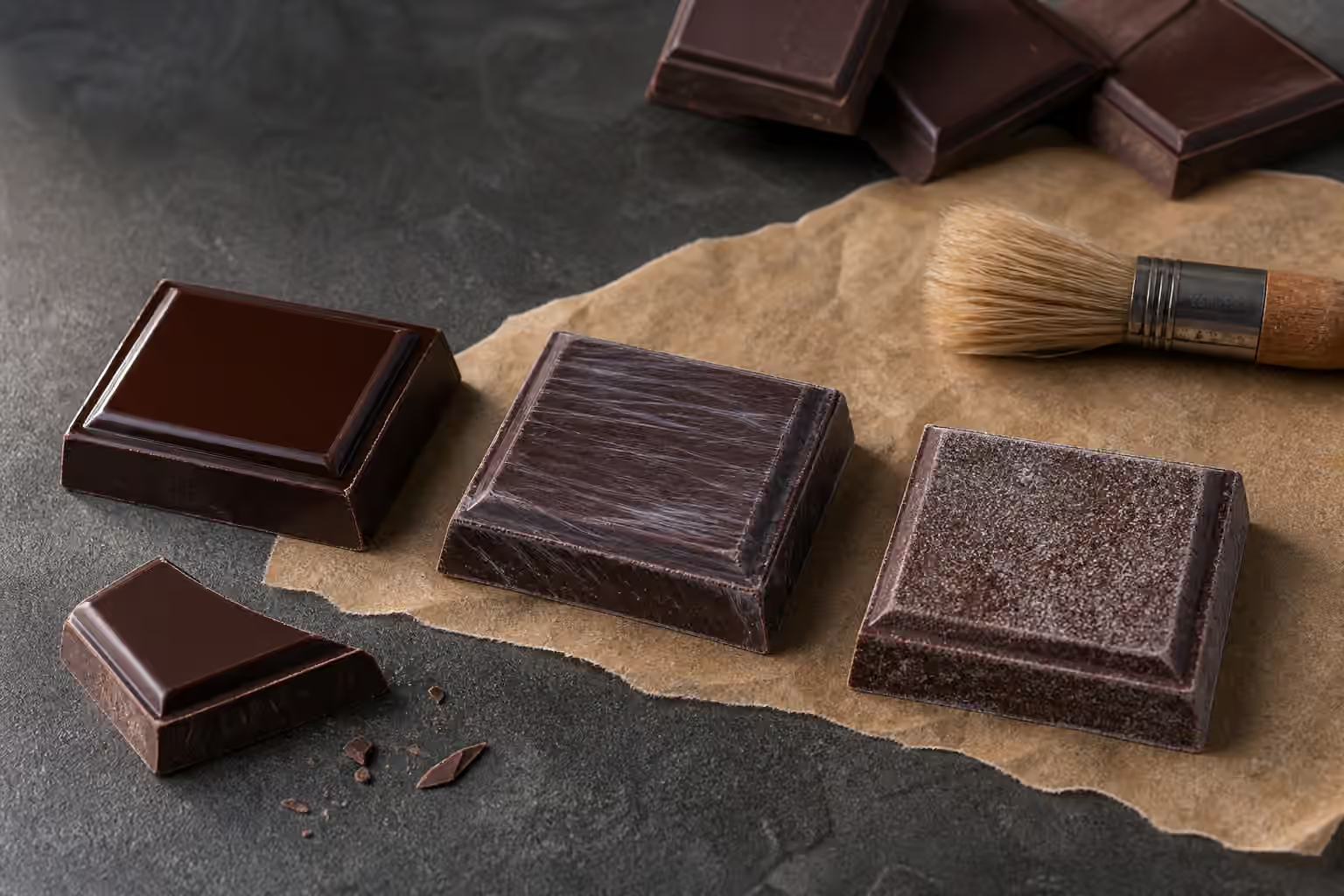
If you leave a bar near a warm window, you may find a pale film later. That is bloom. It is usually not dangerous, but the texture changes and the snap softens. Fat bloom comes from temperature swings. Sugar bloom comes from moisture.
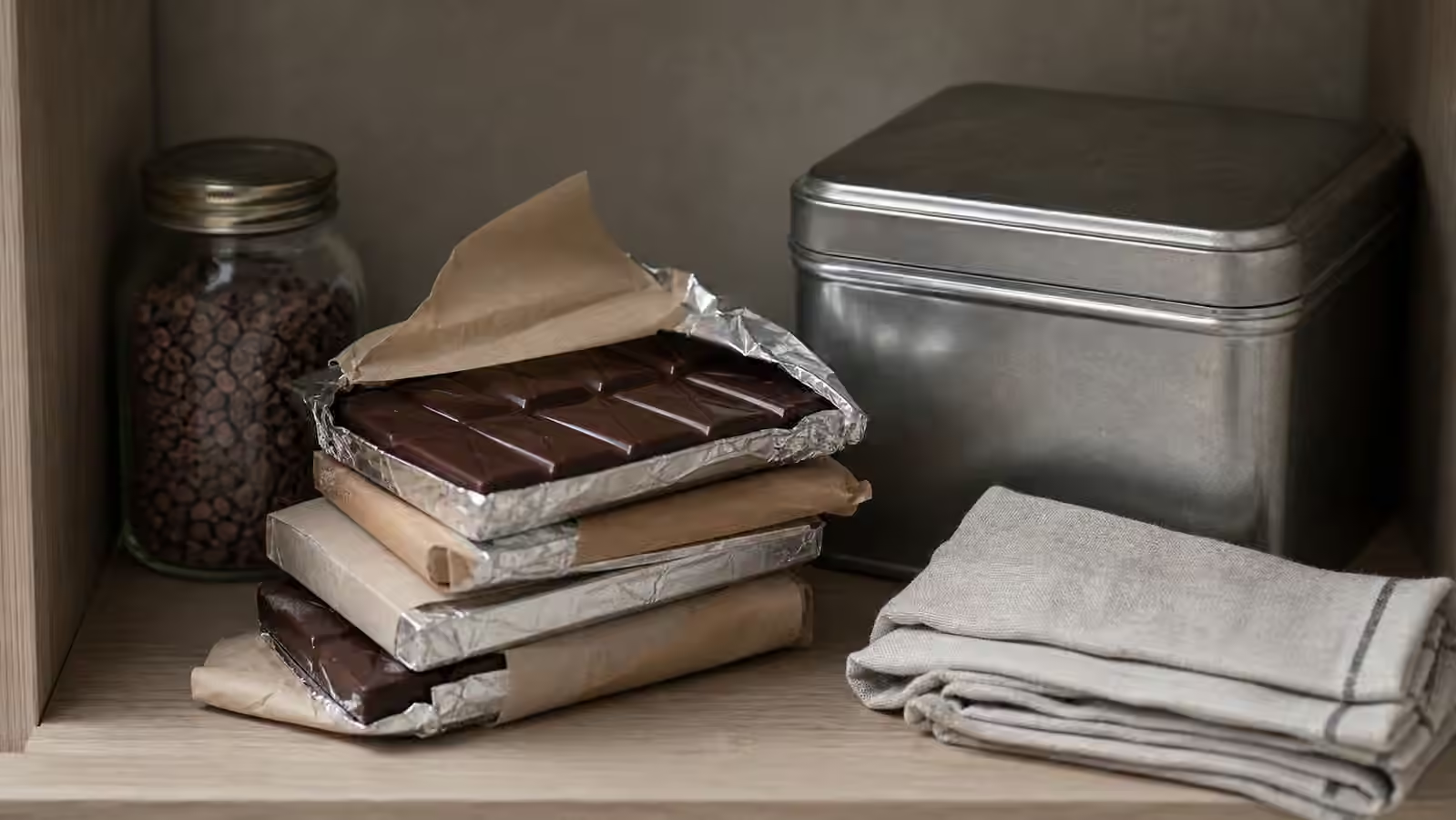
Pick a pantry or cabinet away from sunlight, the stove, the dishwasher, and anything strongly scented. Chocolate does not want to live next to onions, garlic, coffee, or soap. It wants a calm spot that stays the same from one day to the next.
Fridges are not forbidden. They are just risky. They are cold, but they are also humid and full of smells. If your kitchen runs hot, the fridge can be the least bad option. Seal the chocolate first, put it in an airtight container, and let it come back to room temperature while it is still sealed. That keeps condensation off the bar.
Freezing works the same way. Wrap it well, seal it, freeze it, and thaw it slowly while it is still closed up. Chocolate is not as fragile as fresh fruit, but it still does not like sudden changes.
When it is time to eat, let it warm a little. Chocolate that is too cold stays quiet. The aroma does not open up. The texture feels hard and a little flat. At cool room temperature, the bar melts the way it should and the flavors show up more clearly.
A simple serving routine helps. Keep the bar wrapped until you are ready. Let it sit out for 10 to 20 minutes. Break off a piece. Smell it first. Then let it melt instead of chewing right away.
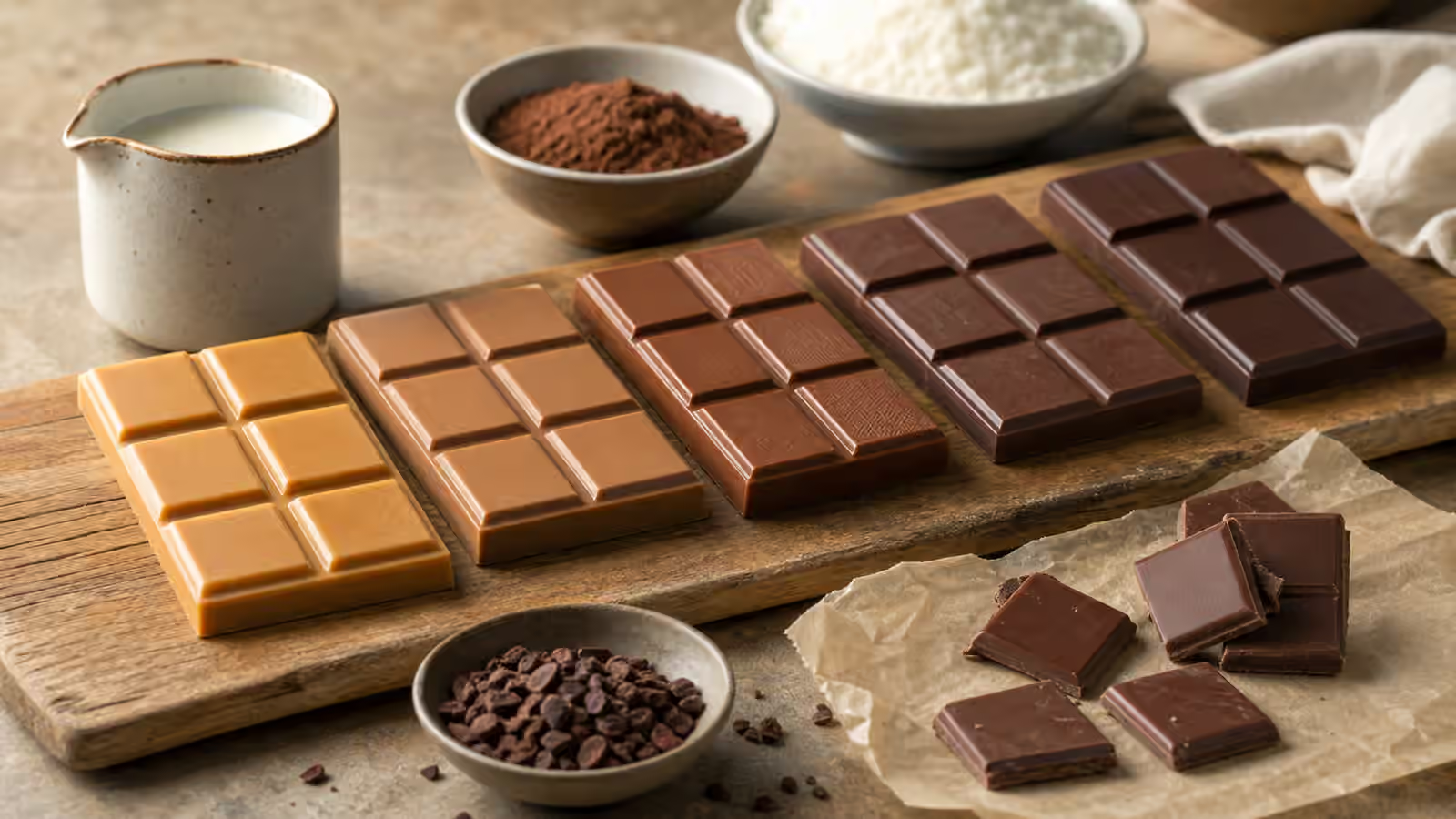
Plain bars like room temperature most. Filled bars and bonbons should stay cool, but not fridge-cold when served. Truffles are best slightly cool so they hold shape. The same rule still applies. Keep them stable, not icy.
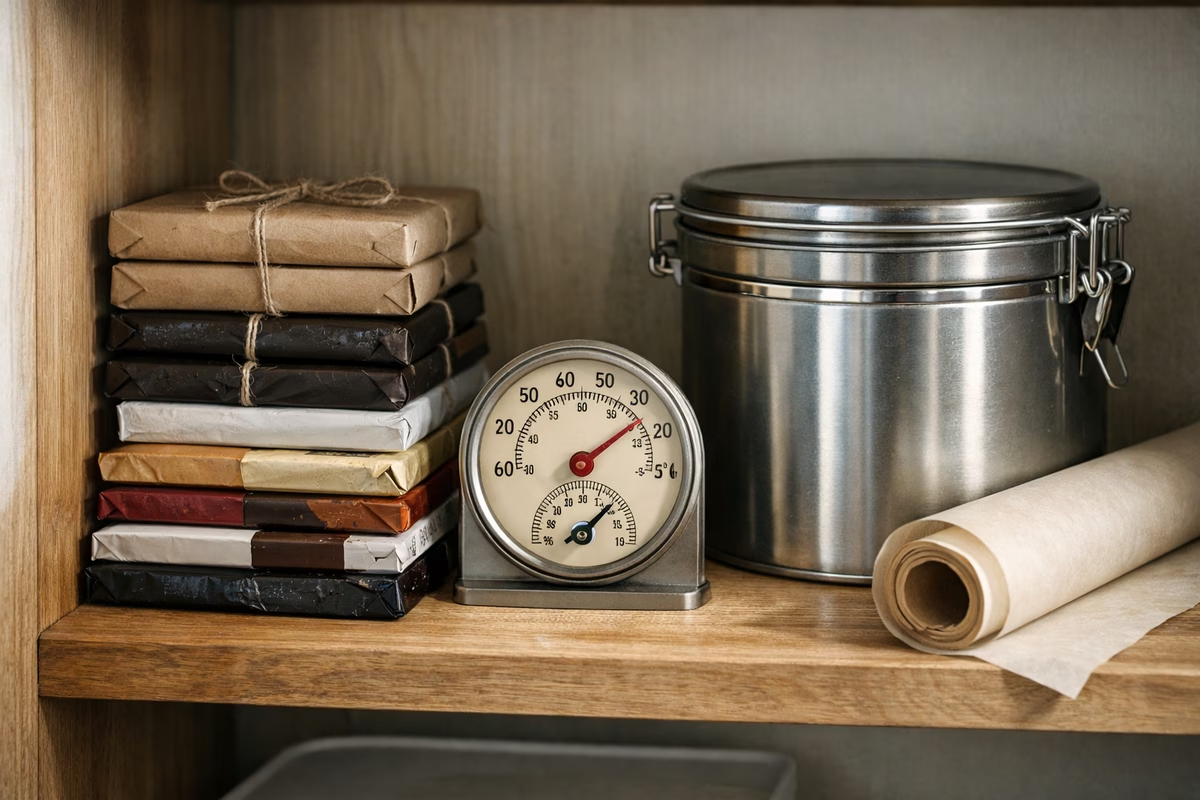
You do not need much gear. A few zip bags, one airtight container, and a marker for dates will handle most homes.
The best test is boring: open the storage spot on a normal afternoon and notice what else you smell. If it smells like spices, cleaning products, roasted coffee, or last night’s dinner, chocolate will notice too. Then check whether that spot warms up when the oven runs or the sun hits the wall. A cabinet can look perfect in the morning and become a softening box by late afternoon. Once you find the quiet, steady shelf, keep chocolate there by habit instead of moving it around whenever the kitchen gets crowded.
Chocolate does not spoil fast, but flavor fades. Dark bars hold up better than milk or white chocolate. Filled bars need more care. If you buy less at a time and eat it sooner, you will usually get the best result.
If a bar blooms or picks up a smell, it is still usually fine for baking or hot chocolate. The mistake is annoying, not fatal. It just means the next bar should live somewhere better.
If you want the more technical side, read Storage and Serving and Tempering Chocolate to see why structure matters so much.
Return to the square in your hand
Chocolate learning becomes richer when it stays sensory. For How to Store Chocolate, the important move is to connect origin, roast, grind, sugar, fat, inclusion, storage, and serving temperature to the square in your hand. The label matters, but the melt tells the story.
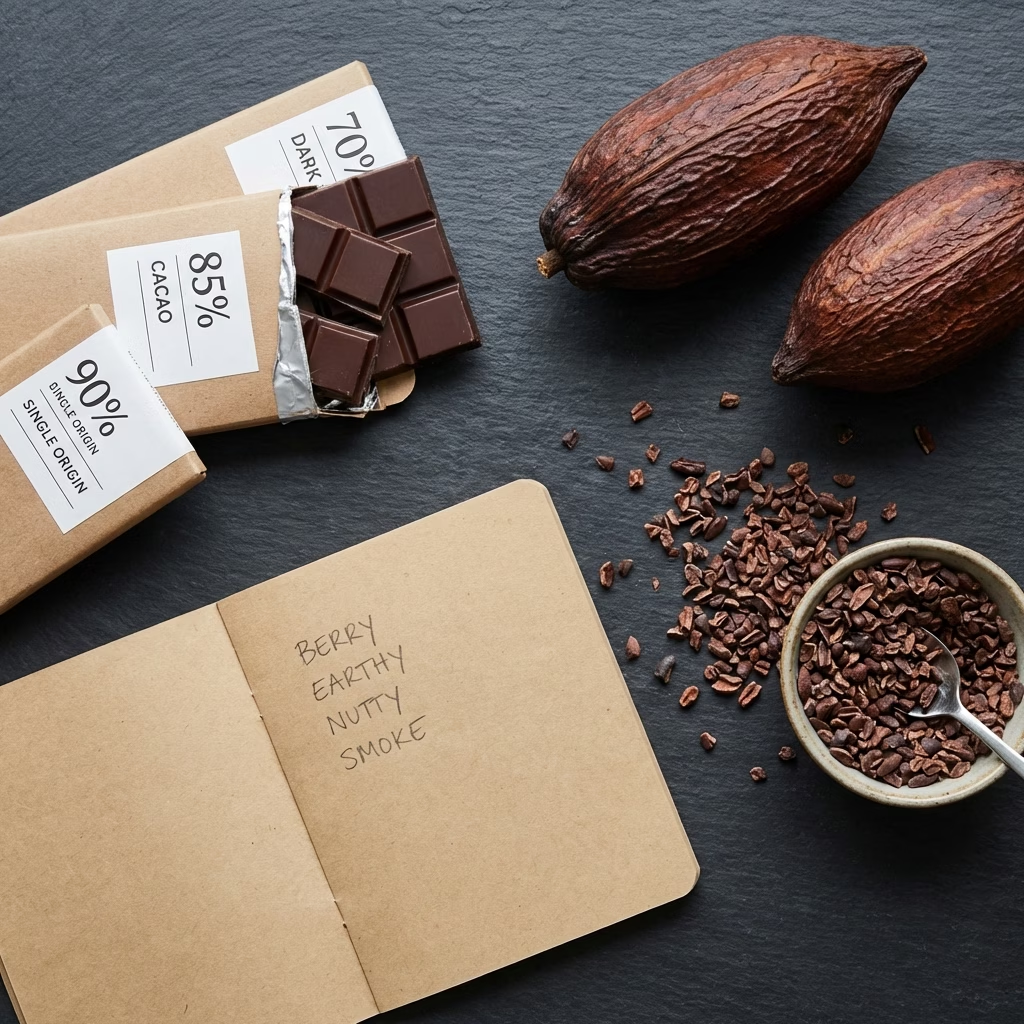
Start by looking and smelling before tasting. Notice snap, shine, bloom, aroma, and how quickly the chocolate softens. Then let a small piece melt slowly. Fruit, nut, caramel, floral, earthy, dairy, spice, bitterness, and acidity can appear in layers.
Change one variable at a time. Taste a bar slightly warmer, compare two percentages from the same maker, or pair one square with coffee, tea, fruit, or bread. Small comparisons build memory better than big flights.
Storage deserves respect. Heat, odor, humidity, and time can flatten even excellent chocolate. A tidy storage habit protects the pleasure you paid for.
How to Store Chocolate should make chocolate feel more alive and less like a label contest. The goal is attention, not snobbery.
Taste slowly enough to learn
After reading How to Store Chocolate, choose one piece of chocolate and let it warm slightly before tasting. Notice the snap, aroma, melt, sweetness, bitterness, acidity, and finish. Many differences that look dramatic on a label become clearer when the chocolate has time to melt instead of being chewed quickly.
Use comparisons sparingly. Two bars from different origins, two percentages from one maker, or one bar before and after better storage can teach more than a crowded tasting. Write one plain sentence for each.
If the chocolate disappoints, check storage before judging the style. Heat, age, odors, and bloom can flatten flavor. A better storage habit is often the cheapest upgrade.
The goal is not to become severe about pleasure. It is to make each square more vivid and each purchase more intentional.