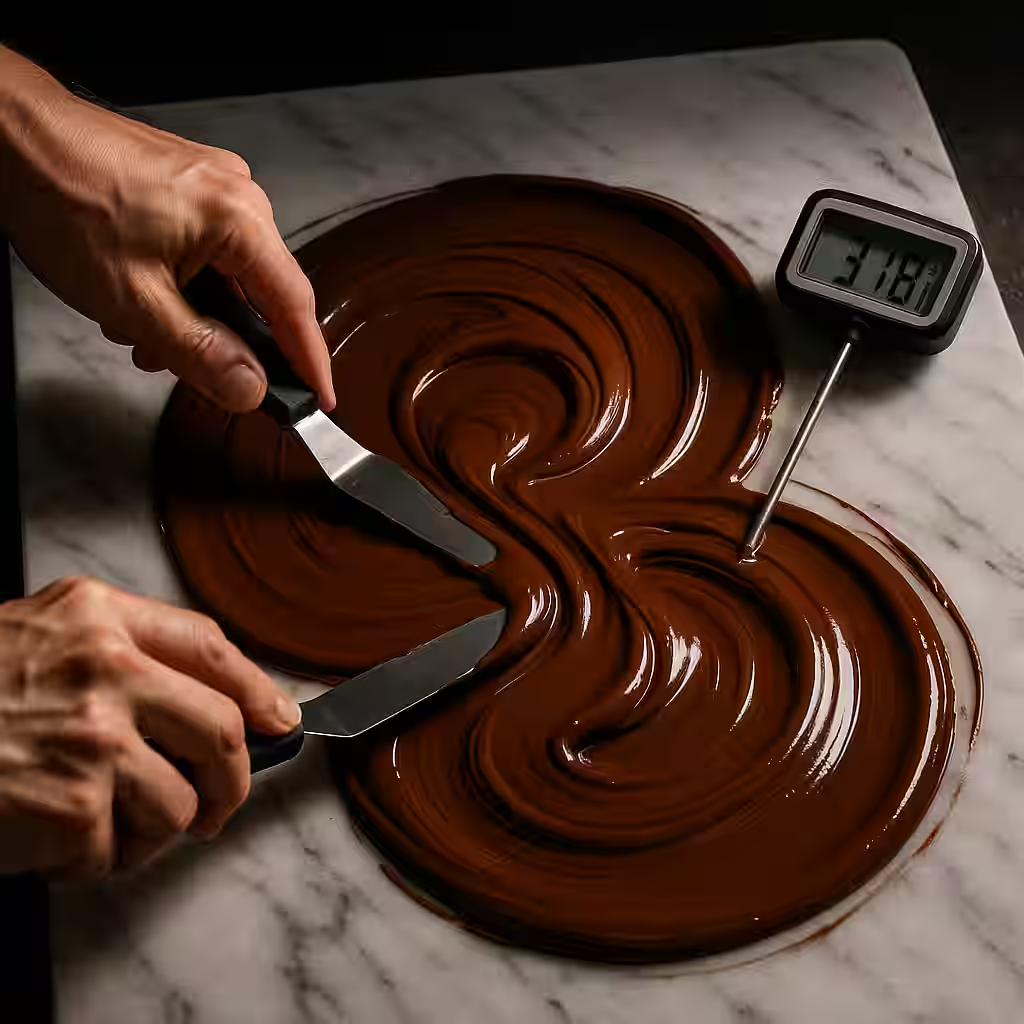
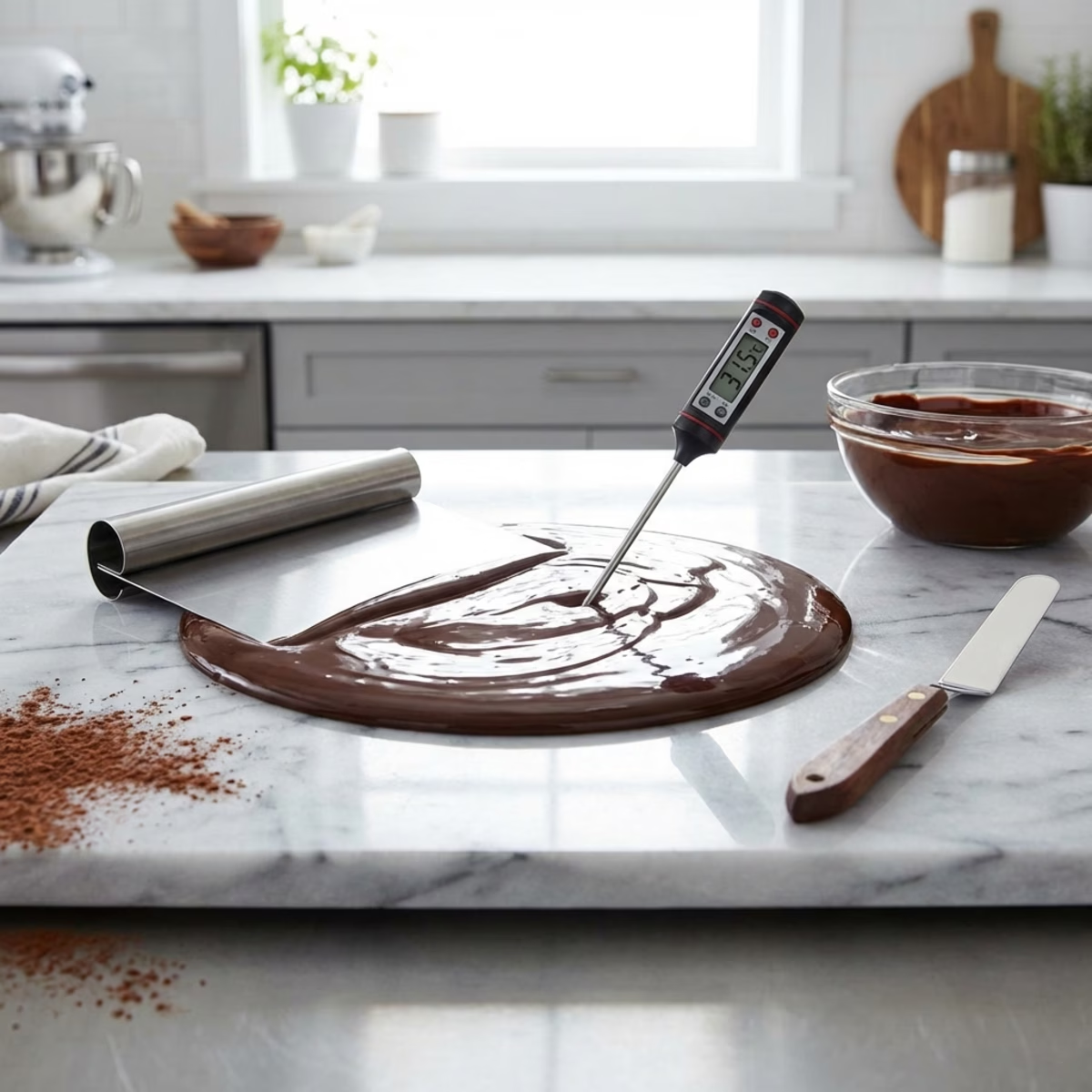
Chocolate only looks fussy. Most melting problems come from one culprit: water—often as steam, condensation, or a wet utensil. The second most common problem is heat that’s just a little too aggressive.
This guide covers two things:
- How to melt chocolate smoothly and keep it smooth.
- What to do when it seizes so your work isn’t wasted.
You don’t need perfect technique. You need a calm workflow: dry tools, gentle heat, and the right “rescue plan” when something goes sideways.
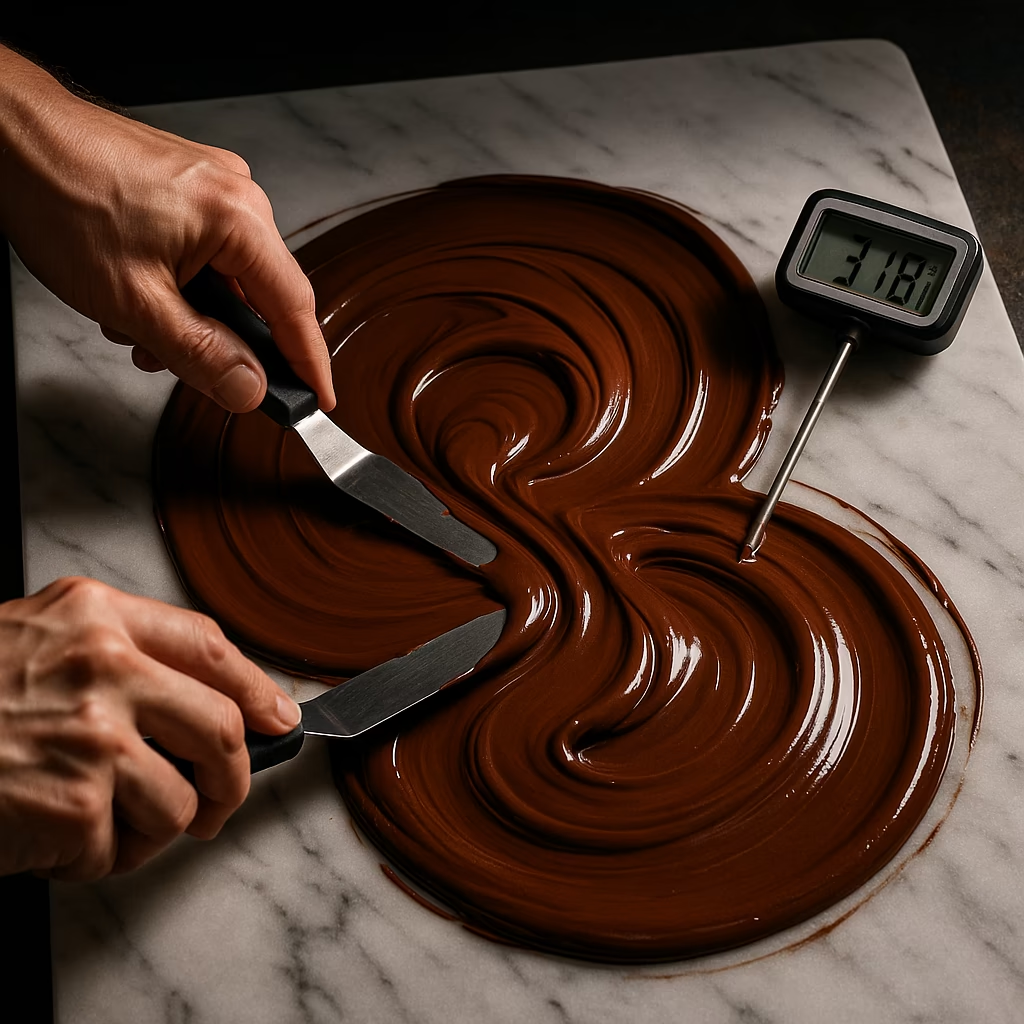
What “seizing” is (and why it happens)
Chocolate is a suspension: tiny cocoa and sugar particles dispersed in cocoa butter. When water hits melted chocolate, sugar begins dissolving and the dry particles clump together. The mass turns thick, grainy, and paste-like—this is seizing.
The important idea: seized chocolate isn’t “ruined.” It’s just no longer useful for certain jobs (like thin dipping or clean tempering). Change the mission and you can save it.
Seizing vs. scorching (they look different)
People often confuse these:
- Seizing: thick paste, grainy, sudden. Usually from moisture.
- Scorching: burnt smell, dry/bitter flavor, sometimes gritty with dark specks. Usually from too much heat.
Seized chocolate can become a beautiful ganache or sauce. Scorched chocolate usually can’t.
Choose your chocolate (because melting behavior changes)
Not all chocolate behaves the same, and knowing what you’re melting helps you pick the safest method.
Dark vs. milk vs. white
- Dark chocolate is generally the easiest: it has more cocoa solids and less milk fat.
- Milk chocolate melts faster and can feel “thicker” sooner because milk solids behave differently.
- White chocolate is the most delicate: it contains cocoa butter but no cocoa solids, and it can scorch quickly.
Chips vs. couverture
Chocolate chips are engineered to hold shape. They often contain stabilizers that make them melt thicker and less fluid. That’s not bad—just don’t expect them to behave like couverture (chocolate designed for coating and fluidity).
If you’re melting for dipping or thin coatings, look for chocolate labeled for baking bars, couverture, or check the ingredients: fewer stabilizers generally means better fluidity.
The golden rules of melting
Think of these as your “mise en place” for chocolate:
- Dry everything. Bowls, spatulas, whisks, lids, and your measuring spoons.
- Treat steam as water. If steam can reach the chocolate, water can reach the chocolate.
- Gentle heat is faster. Overheated chocolate tastes dull and can turn rough.
- Stir strategically. Stirring distributes heat and prevents hot spots.
- Stop early. Finish melting with residual heat whenever possible.
If you do these five things, most chocolate work becomes wonderfully uneventful.
Target temperatures (helpful, not sacred)
You can melt without a thermometer, but it’s reassuring to know the neighborhood.
- Dark chocolate: melts comfortably in the mid-80s to low-90s °F.
- Milk chocolate: similar, but it softens quickly—use gentler bursts.
- White chocolate: treat it like a delicate sauce—lower heat, more stirring.
If you ever feel the bowl getting genuinely hot to the touch, you’re running too warm. Chocolate likes “warm,” not “hot.”
Three melting methods you can trust
1) Microwave (most controlled at home)
Microwave melting works because stirring does the real work. You’re using small heat inputs and letting thermal mass finish the job.
How to do it:
- Chop chocolate evenly (or use small wafers).
- Use a dry microwave-safe bowl.
- Heat in short bursts: 15–20 seconds, then stir.
- Repeat until mostly melted.
- Stop when a few pieces remain and stir until smooth.
Why it works: chocolate continues melting after the microwave stops. Your stirring prevents localized overheating.
Common mistake: leaving it in “just a bit longer” because there are still chunks. The chunks are your safety buffer.
2) Bain-marie / double boiler (best for larger amounts)
Use a bowl that fits snugly over a pot and keep the water at a bare simmer, not a rolling boil. The bowl should never touch the water.
The key move: when you lift the bowl, wipe the underside before you set it down again. Condensation is how “perfectly fine” chocolate becomes suddenly grainy.
Most seizing happens here: steam rises, condenses on the bowl, and drips back into the chocolate. Keep the simmer gentle and the bowl dry.
Best for: larger batches, melting multiple times during a longer session, or when you want a steady gentle heat source.
3) Direct low heat (fast, higher risk)
Use only if you’re comfortable with your pan and heat source. Keep heat low and stir constantly. Direct heat creates hot spots that can scorch cocoa solids.
If you do use this method, consider putting chocolate in a dry bowl set inside a warm (not simmering) pan of water. It’s still “direct,” but far less aggressive.
How to prevent seizing in the real world
Seizing isn’t always a dramatic splash of water. It’s usually one of these:
- A lid that drips condensation.
- A spoon that was rinsed and not fully dried.
- Steam from a simmer that’s too enthusiastic.
- A countertop where you set the bowl down on a wet towel.
- A tiny amount of water that got into flavoring (extracts, fruit purées).
If you’re adding flavorings
Chocolate is happiest with fat-based additions:
- Nut butters
- Cocoa butter
- Oil-based flavors
Water-based additions (juice, watery purées) can seize chocolate unless you’re intentionally turning it into a sauce or ganache.
Common melting problems (and the fast fix)
Even when you avoid water, chocolate can still misbehave. These are the issues you’ll see most often.
“My chocolate is thick and won’t flow.”
This usually happens for one of three reasons:
- You’re using chips. Chips are designed to hold their shape and often melt thicker.
- You overheated slightly. Chocolate can become thicker if it’s been pushed too warm for too long.
- You have a small amount of moisture. Even a tiny amount can increase viscosity quickly.
Fix: decide the job. If you need a thinner coating, consider switching to a more fluid chocolate next time. For this batch, you can often thin chocolate by adding a little cocoa butter (best) or a tiny amount of neutral oil (less ideal, but sometimes acceptable for casual use). Avoid adding water unless you’re intentionally making sauce.
“It looks smooth, but it tastes dull.”
Flavor dullness is often heat damage: aroma compounds are sensitive and can fade when chocolate is overheated.
Fix: use gentler heat and stop earlier. A microwave method with frequent stirring preserves aroma better than a long, hot double boiler.
“I got little lumps.”
Lumps can be unmelted bits (fine) or early seizing.
Fix: if they’re firm chocolate pieces, keep stirring off heat and let residual warmth finish the job. If the mixture is getting thicker and grainy, pivot to a ganache/sauce plan.
A tiny liquid guide (so you don’t accidentally seize a batch)
Chocolate is happiest with fat-based additions. Water-based additions are risky unless you’re changing goals.
Usually safe (fat-based): nut butters, cocoa butter, oils, fat-based flavor concentrates.
Risky (water-based): extracts with high water content, fruit purées, fresh juice.
If you want to add a watery ingredient, plan from the beginning to make ganache or sauce rather than a coating.
How to rescue seized chocolate (choose your goal)
The rescue depends on what you want to end up with.
Goal A: Make ganache (best rescue)
If chocolate seizes, the fastest save is to turn it into ganache.
Method:
- Warm cream (or milk) until hot but not boiling.
- Add a small splash to the seized chocolate.
- Stir slowly and persistently.
- Keep adding warm liquid a little at a time until the paste relaxes into a glossy emulsion.
Once it “clicks,” it often becomes better than it was pre-seize—because you’ve moved into a stable, intentionally hydrated system.
Troubleshooting ganache texture:
- Too thick: add a small splash more warm cream and stir.
- Oily/split: warm gently and whisk; a tiny bit more warm liquid can help it re-emulsify.
- Grainy: you may have sugar crystals from moisture + agitation; strain if needed, or repurpose for baking.
Goal B: Turn it into a chocolate sauce (water rescue)
This surprises people: if a few drops of water seize chocolate, more water can un-seize it—because you’re changing the system from “chocolate coating” to “chocolate sauce.”
Add warm water a teaspoon at a time while stirring until it loosens into a smooth sauce. This won’t be good for dipping, but it can be excellent over ice cream, fruit, pancakes, or as the base for hot chocolate.
Goal C: Use in baking
Seized chocolate is perfect for brownies, cakes, and cookies. Melt it with butter or additional liquid in the recipe and it will smooth out during mixing.
For many batters, the exact fluidity of the melted chocolate is not critical. You’re using it for flavor and richness.
Goal D: Save it for drinking chocolate
Add hot milk a little at a time, whisking, and you’ll get a rich drinking chocolate. A pinch of salt helps the cocoa read clearer. A tiny pinch of cinnamon or espresso powder can deepen the flavor without making it “spiced.”
Goal E: Dipping and tempering (usually: start over)
If your goal is dipping/enrobing or perfectly tempered bars, seized chocolate is rarely worth fighting. Tempering requires a clean fat phase and controlled crystals; once water is in the system, it’s an uphill battle.
For tempering rescue strategies, see Tempering Troubleshooting.
Prevention checklist (stick this on your brain)
- Dry tools, dry bowl, dry counter.
- Bare simmer (or no simmer): steam is water.
- Microwave in short bursts; stir more than you heat.
- Finish with residual heat.
- Keep lids off, or use a dry towel as a cover instead of a tight lid.
And if it does seize, treat it as a prompt to pivot rather than panic: ganache, sauce, baking, or drinking chocolate are all excellent landings.
Quick practice
Play Temper Sprint once, then melt a small batch the microwave way. The goal is the same in both places: small corrections, stable rhythm, and patience.
If you want an easy confidence drill, intentionally “rescue” a tiny seized batch by adding warm milk to make a small cup of drinking chocolate. Once you’ve saved chocolate on purpose, it’s much harder to panic when it happens accidentally.