Chocolate is aromatic and fat‑rich, which means it behaves like a sponge: it absorbs smells, dulls when stored badly, and gets “mysteriously” flat if you serve it at the wrong temperature. The good news is that storage is mostly a few calm habits.
If you’ve ever had a bar that tasted muted, waxy, or oddly sweet, it often wasn’t the chocolate’s fault. It was temperature, odor exposure, or a cycle of warm-cool-warm that slowly blurred the texture.
The goal (in one sentence)
Keep chocolate cool, dry, stable, and odor‑free, then serve it at cool room temperature so you can actually taste what you bought.
The ideal environment (what you’re aiming for)
Chocolate loves a “boring” storage environment.
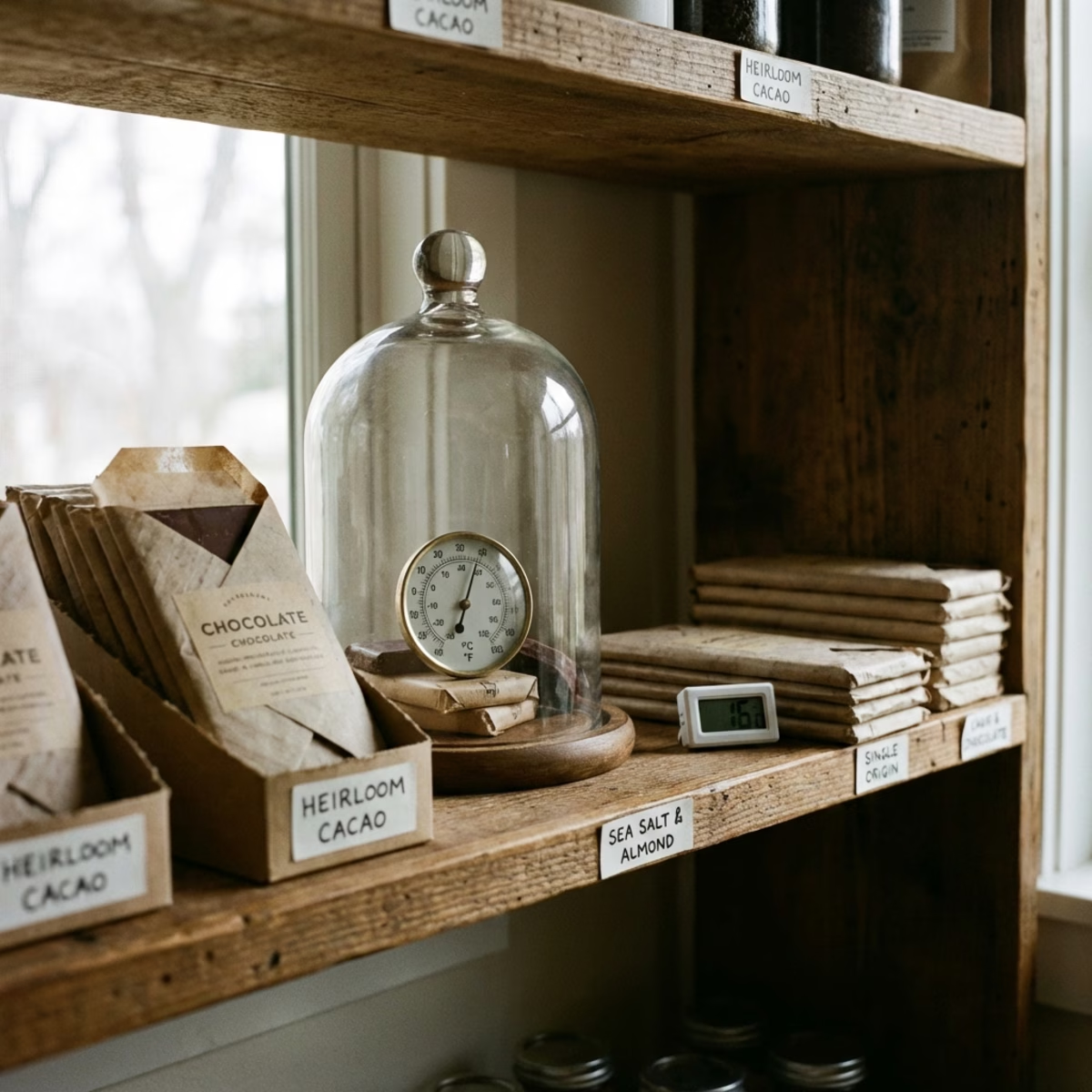
If you can, keep chocolate around 16–18°C (60–65°F): cooler than most kitchens, warmer than a fridge. Keep humidity low, because moisture is the enemy of shine and clean texture. Favor stability over perfection; fewer swings beat “perfect” numbers that bounce daily.
And treat odor control as non-negotiable—chocolate picks up garlic, onions, perfume, and detergent fast.
What to do if you don’t have a perfect spot
Most homes don’t have a dedicated chocolate cabinet. That’s fine. Your goal is to avoid the biggest traps:
- Direct sun on a counter.
- Above/next to the oven or dishwasher.
- In a pantry that shares space with spices, coffee, or cleaning products.
If you only fix one thing, fix temperature swings. Most bloom stories start there.
Bloom: the two kinds you should recognize
Bloom is not mold. It’s usually cosmetic, but it changes texture and can blur aroma.
Sugar bloom
Sugar bloom looks dusty and feels grainy. It happens when moisture condenses on chocolate, dissolves surface sugar, and then recrystallizes as it dries.
Most common cause: taking chocolate in and out of the fridge (or opening a cold container too early).
Fat bloom
Fat bloom looks like a gray film or streaking and often feels softer. It happens when cocoa butter crystals reorganize after weak temper or temperature cycling.
Most common cause: repeated warming and cooling (for example, a warm kitchen during the day and cooler nights).
If you’re curious about the “snap and shine” side of this, the short version is in Tempering Troubleshooting.
Is bloomed chocolate safe?
Almost always, yes. Bloom is a texture and appearance issue, not a food safety issue. The bar may taste less vivid, and the mouthfeel can be less clean, but it’s usually perfectly usable for eating or baking.
Serve it where it sings
For tasting, serve chocolate at cool room temperature. Too cold and it goes quiet (waxy, muted). Too warm and it goes loud in the wrong way (soft, one‑note, overly sweet).
A simple serving routine
- Keep bars wrapped until you’re ready.
- Let the bar sit at room temperature for 10–20 minutes.
- Snap a piece (the snap tells you about temper and texture).
- Smell first.
- Let it melt rather than chewing immediately.
Those three small moves—warmth, snap, aroma—bring the bar into focus.
Use the three-pass method in the Chocolate Tasting guide to turn “nice” into specific.
Serving different formats
- Plain bars: benefit most from room-temp rest.
- Filled bars/bonbons: keep cooler, but still avoid serving fridge-cold.
- Truffles: best slightly cool so they hold shape, but not icy.
Storage rules that prevent 90% of regret
Chocolate’s enemies are simple: odors, heat, moisture, and time.
Odor protection (the underrated one)
Keep the wrapper and leave the bar sealed until you’re ready to open it. For strong odors, use a double barrier: the wrapper plus an airtight container (or a zip bag inside a container). Chocolate will happily absorb the scent of coffee beans and it will not ask permission.
Light and heat
Keep bars out of sunlight. Heat and light accelerate aroma loss and can soften temper.
Humidity and condensation
Humidity itself isn’t always obvious. If you can see condensation on a cold container, that’s the moment sugar bloom is being born.
Time (freshness is flavor)
Chocolate doesn’t “spoil” quickly, but aroma fades. If you keep a small stash, label the date. In practice, the best habit is simply to rotate: buy less at a time and eat it while it’s still vivid.
Fridge and freezer: when it’s worth it (and how to do it safely)
Refrigeration is not automatically wrong—it’s just where people usually create moisture problems.
When cold storage makes sense
Use cold storage when your room is consistently warm (above about 23°C / 73°F), when you’re storing delicate filled bonbons in hot weather, or when you need longer-term storage and can control moisture with tight wrapping and sealed containers.
Safe fridge steps
- Wrap tightly.
- Put bars in an airtight container.
- Chill the container and keep it closed while cold.
- When serving, bring the sealed container back to room temperature first.
Opening it early is how warm air becomes condensation on cold chocolate.
Safe freezer steps (longer term)
- Double wrap (wrapper + bag).
- Add an airtight container.
- Freeze.
- Thaw in the fridge overnight while still sealed.
- Bring it to room temperature sealed.
Moisture happens when warm air hits cold chocolate. Sealing is the fix.
Common situations (and the calm fix)
“My kitchen is hot in summer.”
Use airtight cold storage paired with a sealed warm-up. The goal is stability: one controlled chill, one controlled warm-up.
“A bar tastes flat.”
Warm it to cool room temperature and smell before tasting. Aroma volatility needs gentle warmth to show up.
“There’s a white film on the surface.”
Decide whether it’s sugar bloom (dusty, grainy) or fat bloom (gray sheen, streaks). Either way, it’s usually edible. If it bothers you, use the chocolate in baking, hot chocolate, or melted preparations.
“I’m bringing chocolate to a party.”
Keep it wrapped, transport it in a cool bag, and open it at the end. Temperature stability preserves snap and aroma.
A tiny storage kit that makes life easier
You don’t need specialized gear. These three things solve most problems:
- A few zip bags
- One airtight container
- A marker for dating and labeling
The rest is habit.
How long does chocolate stay “good”?
Chocolate can remain edible for a long time, but “edible” and “at its best” are not the same. Over time, aroma softens and texture can become less crisp.
Practical expectations:
- Plain dark bars: generally hold up well; aroma still fades gradually.
- Milk and white chocolate: more sensitive to heat and odor pickup.
- Filled bars and bonbons: treat like fresh food; follow maker guidance and use cold storage if needed.
If you want the most flavor, buy less at a time and eat it sooner. If you want a small collection, store it carefully and label dates.
Storage by format (bars vs bonbons vs baking chocolate)
Plain bars
Plain bars are the easiest: wrapper + airtight barrier + stable temperature.
Filled bars and bonbons
Fillings vary wildly (ganache, caramel, fruit, nut praline). Some are shelf-stable; some are not.
If you don’t know the shelf life, treat filled chocolates conservatively:
- Prefer cool storage in warm climates.
- Keep them sealed to prevent moisture and odors.
- Don’t serve fridge-cold; let them warm slightly before eating.
Chocolate for baking
If you keep chocolate specifically for baking (chips, feves, chopped bars), the storage goals change a bit:
- Odor control still matters, but texture and snap are less important.
- Chips are already formulated to behave differently.
- Label the bag/container so you don’t accidentally use your “special bar” for brownies.
Fixing common storage mistakes
You accidentally bloomed a bar
You can usually still enjoy it.
- If texture bothers you, use it in hot chocolate, baking, or melted preparations.
- If it’s a high-quality bar and you want the best experience, replace it rather than forcing the moment.
Bloom is frustrating, but it’s also educational: it tells you something about temperature swings or moisture.
You stored chocolate near coffee/spices and now it tastes “off”
Odor transfer is hard to reverse.
Your best move is to repurpose the chocolate:
- Use in baking where other aromas (butter, vanilla) will blend.
- Use as a sauce base where you can intentionally add complementary flavors.
Then reset your storage: wrapper + sealed container, away from strong-smelling neighbors.
Serving a chocolate “flight” (an easy way to learn quickly)
If you want to build tasting skill fast, don’t only eat bars one at a time. Taste two or three in a row.
Try a simple flight:
- One dark bar
- One milk bar
- One bar with a strong identity (high cacao %, or a distinctive origin)
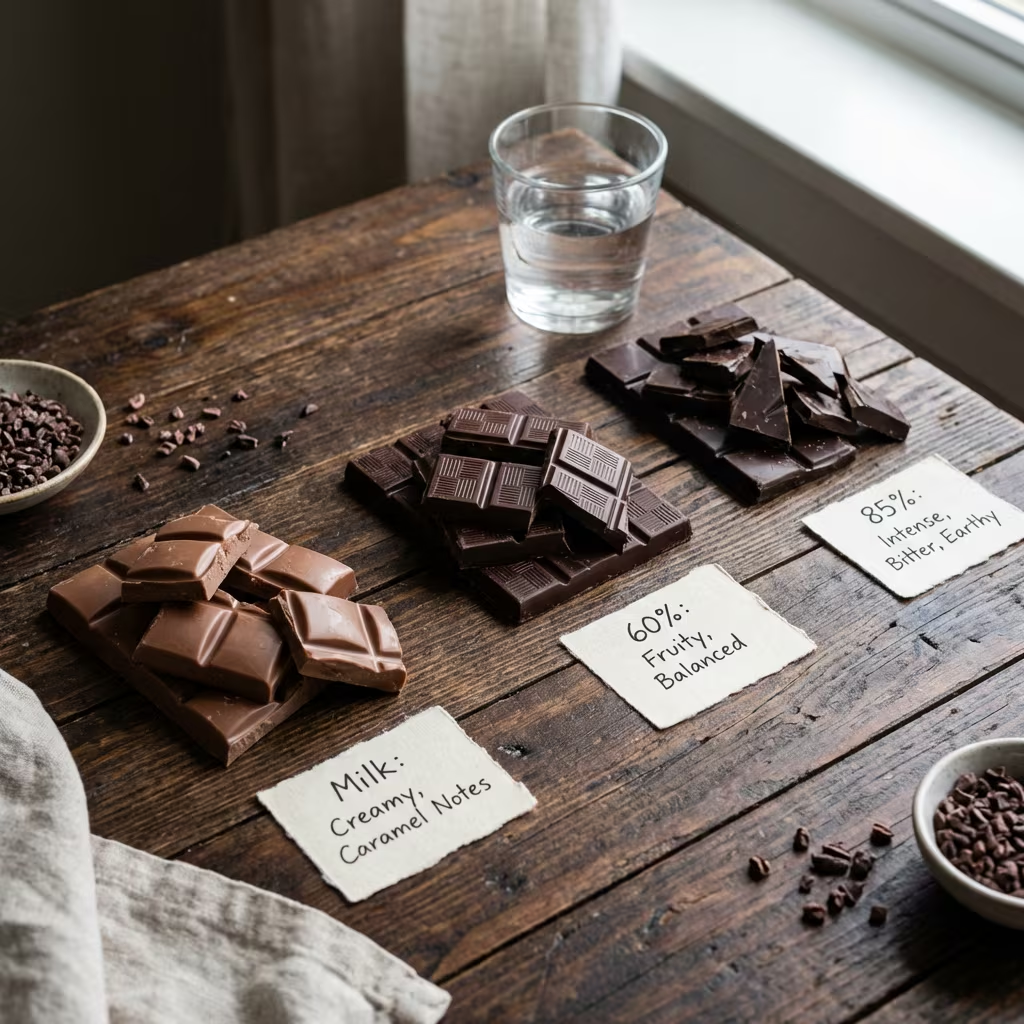
Serve them at cool room temperature and take a tiny pause between pieces. The contrast teaches your palate more than any tasting vocabulary.
For structure, use the Chocolate Tasting guide.
Quick reference (save this)
If you want the shortest possible version of this guide:
Do: keep chocolate wrapped, store it in an odor-free airtight container, and aim for stable cool temperatures.
Don’t: leave it in sun, store it next to spices/coffee/cleaners, or repeatedly move it in and out of the fridge without sealing and warming up slowly.
Serve: at cool room temperature whenever possible. If it’s fridge-cold, you’re tasting the temperature more than the chocolate.
If you can do only one habit, make it this: let chocolate come to a gentle room temperature before tasting. It’s the easiest upgrade with the biggest payoff.
Next steps
Pick one bar from the Chocolate database and taste it twice: once straight from a cool cabinet and once at cool room temperature. The difference is the point—and it’s the easiest “upgrade” you can give any bar.