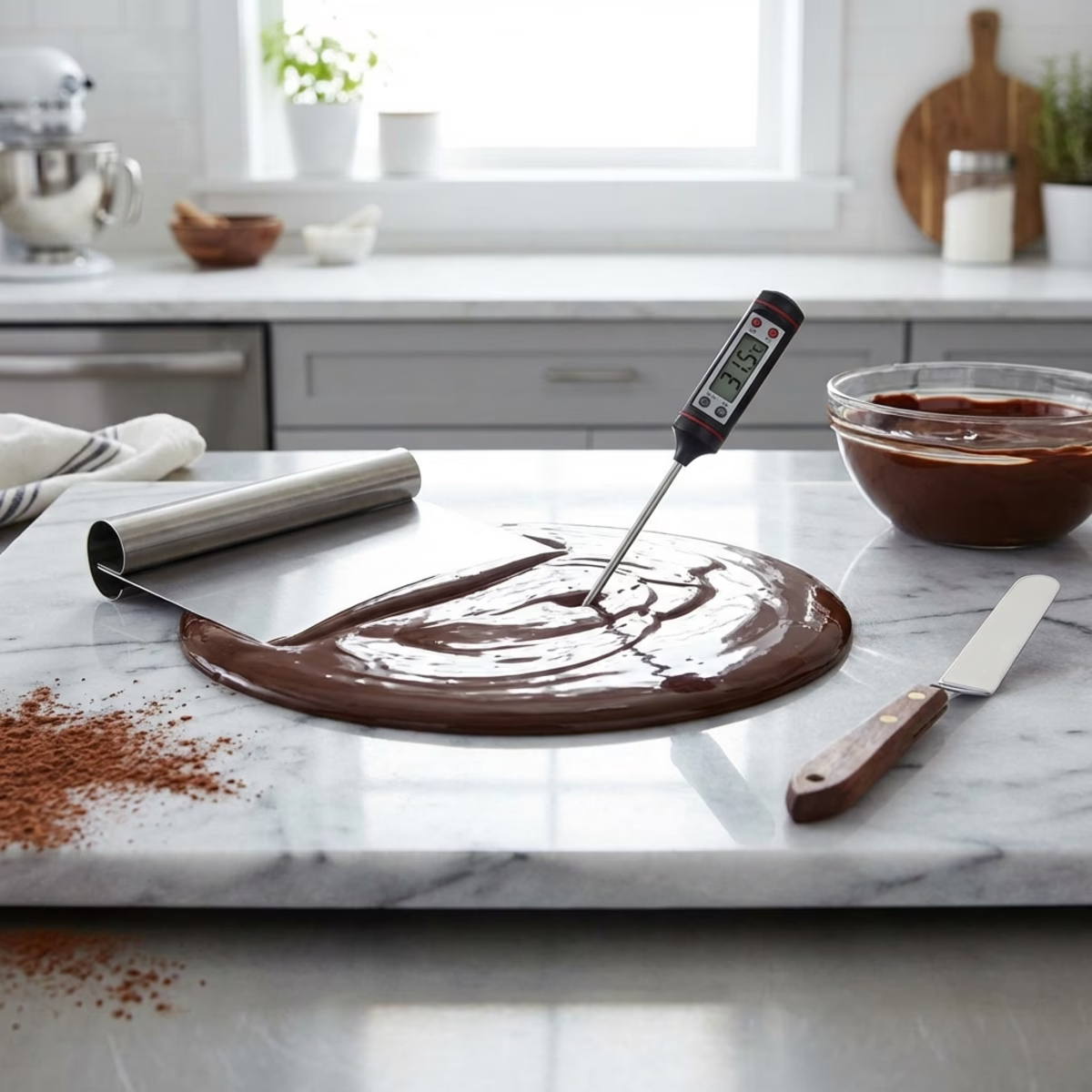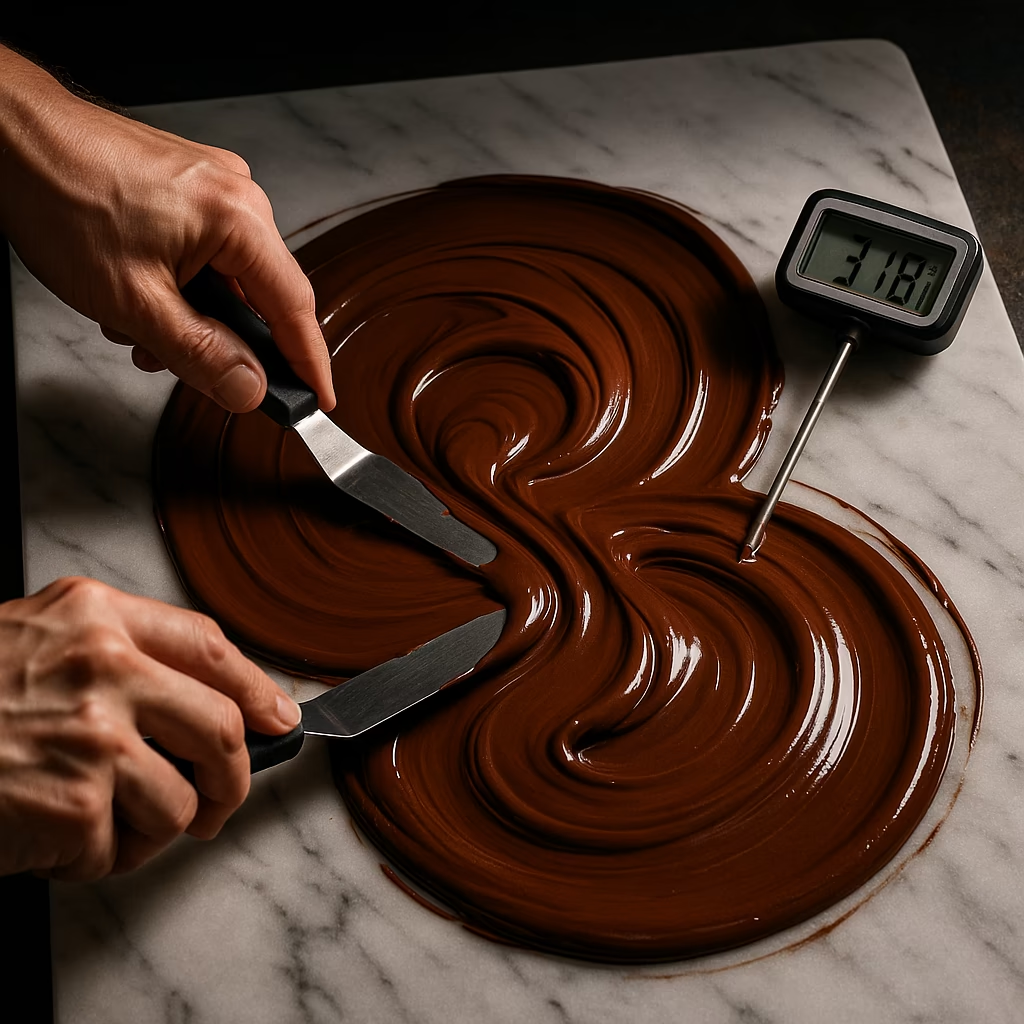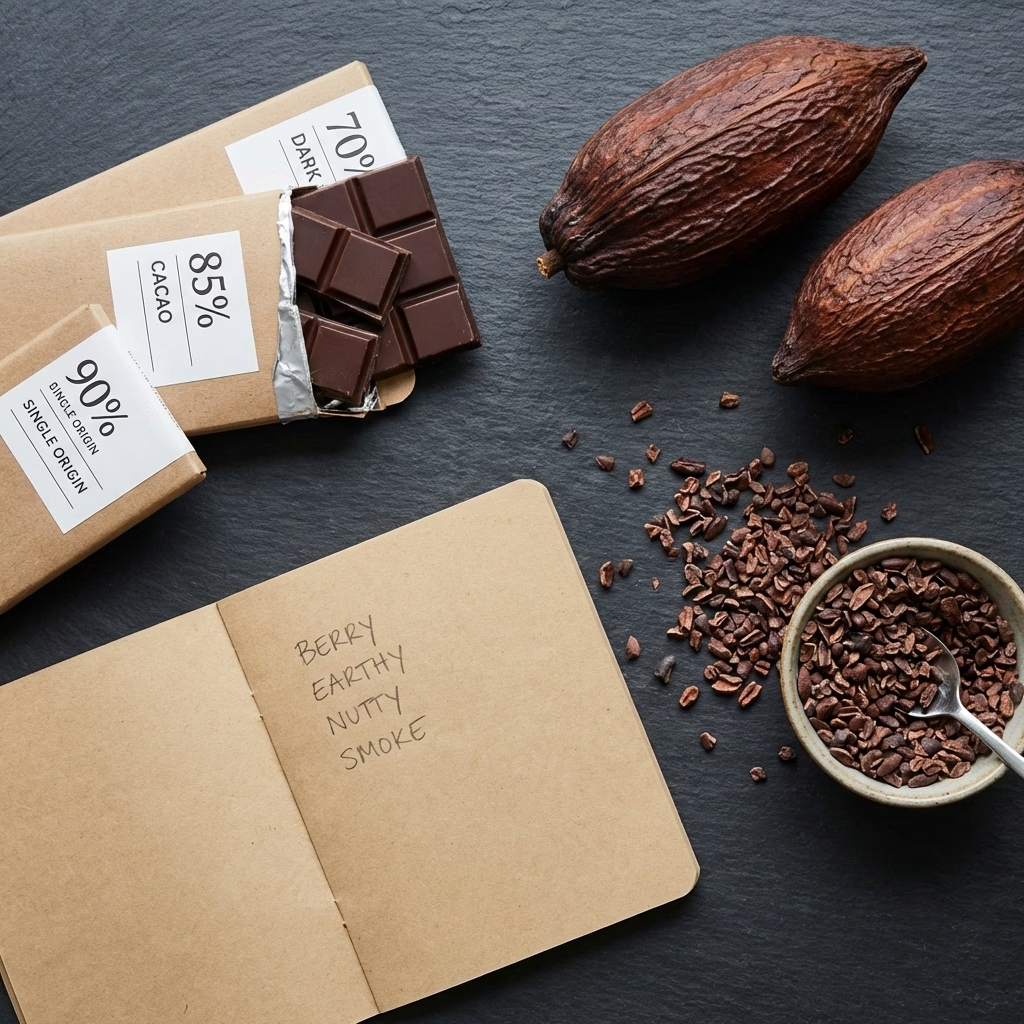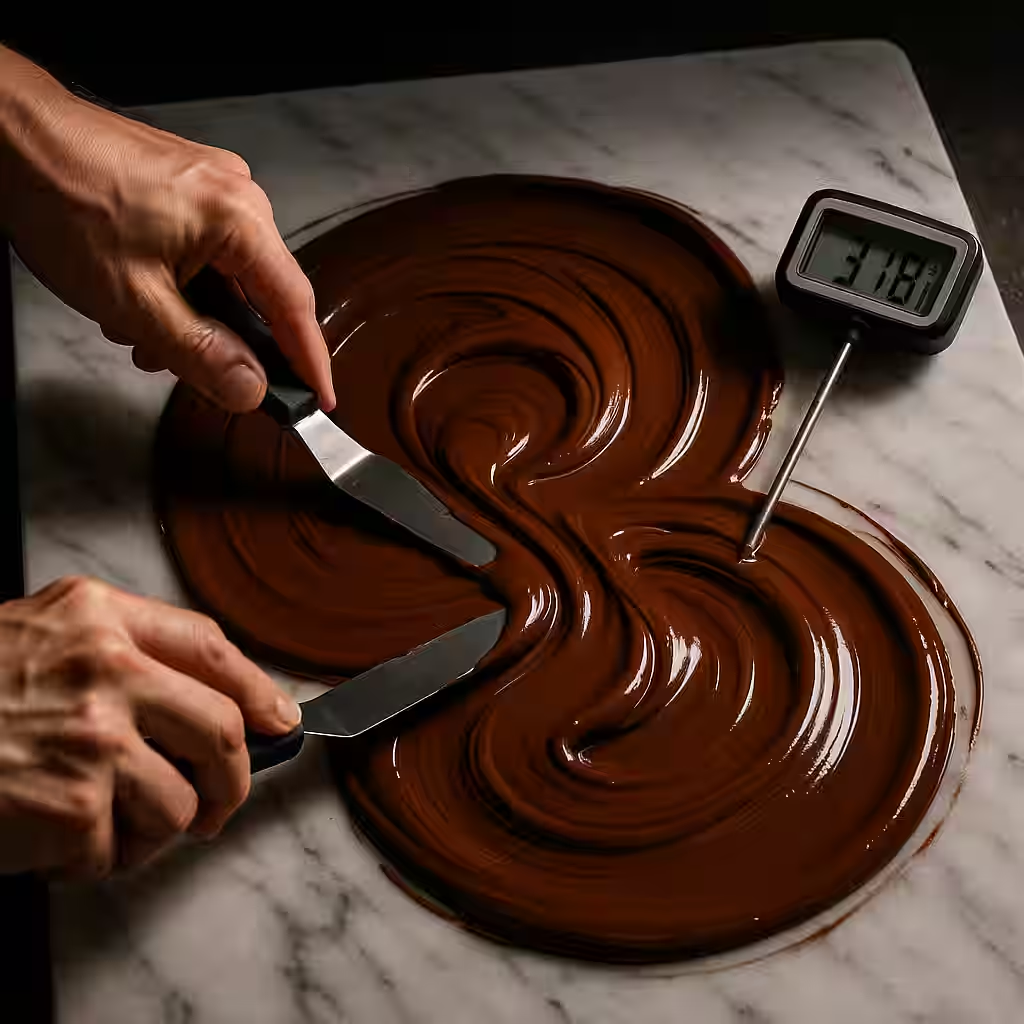
Tempering is controlled crystallization. When it’s right, chocolate sets glossy and snaps cleanly; when it drifts, you get streaking, soft texture, and bloom. This guide is built for real-life rescue: quick diagnosis, clear causes, and fixes that keep you moving.
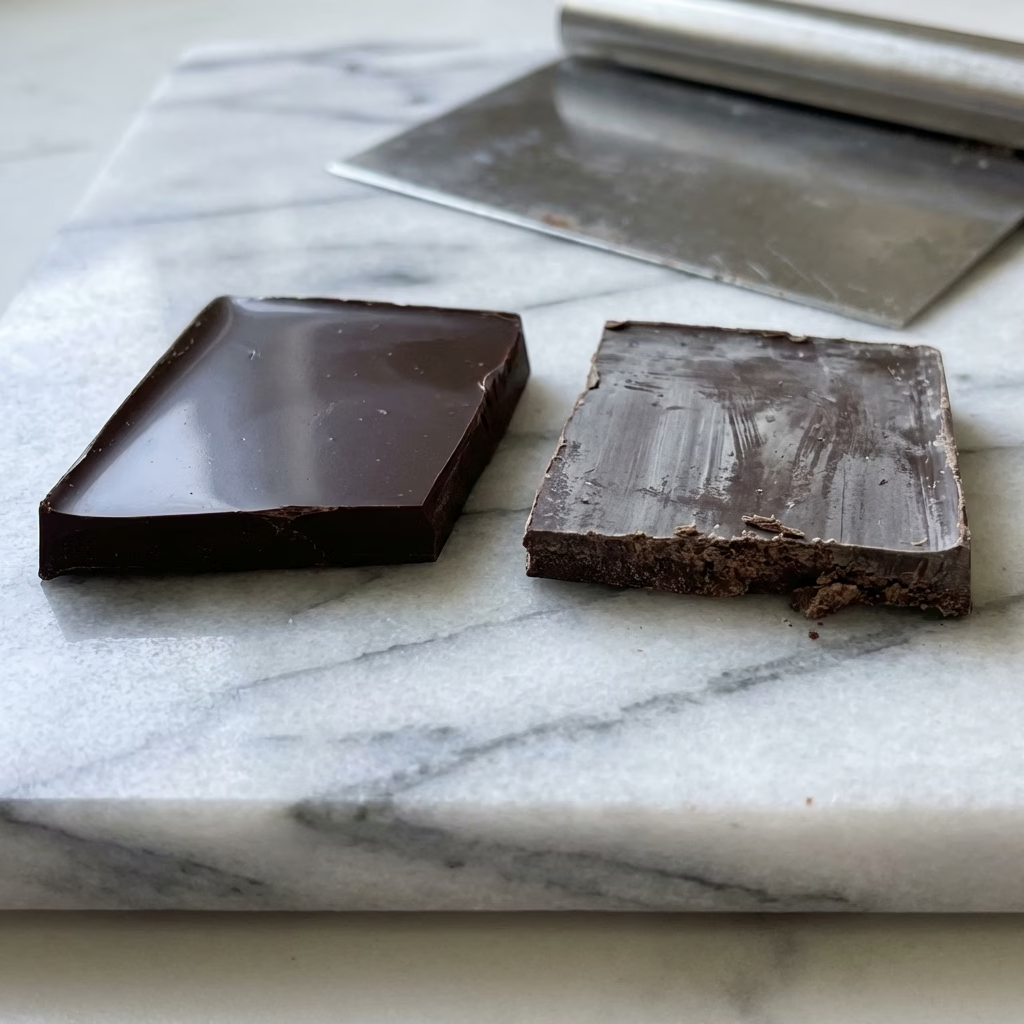
The most important mindset shift is this: temper problems almost always come from one of three places. Your temperatures are wrong, your crystals are wrong, or your environment is wrong. Start there, and you can fix most batches without drama.
If you’re mid-project and you’re not sure what’s happening, don’t guess. Tempering punishes optimism. A ten-second check now saves an hour of remolding later.
Confirm your tools before you blame your technique
If your thermometer is off by even a degree, you can chase your tail for hours. Calibrate quickly. Ice water should read 0°C / 32°F. Boiling water should read 100°C / 212°F at sea level. If you’re outside that range, either correct mentally or replace the tool.
Make sure you’re reading the chocolate, not the pot. Stir, then measure in the middle of the mass. Chocolate is slow to equalize, and the edges lie.
If you’re working in small batches, your tools matter even more. A tiny bowl can swing temperature fast, and a cold spatula can thicken a batch enough that it feels over-crystallized when it’s simply too cool.
Bloom: what it is and how to tell which one you have
Bloom is a symptom, not a single disease. Sugar bloom is moisture. Fat bloom is crystal instability. They look similar in photographs, but they behave differently in your hands.
Sugar bloom often feels rough or sandy and can appear quickly after condensation. Fat bloom often looks like a soft gray film or streaks and tends to show up after temperature swings or weak temper. The key difference is that sugar bloom is about surface moisture and recrystallized sugar, while fat bloom is about cocoa butter crystals reorganizing.
If you only remember one rule, make it this: sugar bloom is fixed by preventing moisture; fat bloom is fixed by re-melting and re-tempering properly.
Temper windows you can trust
Exact numbers vary by formulation, but stable tempering lives in a narrow band. Treat these as working targets rather than gospel, then adjust based on the chocolate you’re using. For dark chocolate, the working zone often lives around 31.5–32.5°C: drift high and it sets slowly with haze or streaks; drift low and it thickens fast as it over-crystallizes. Milk chocolate usually likes a slightly cooler window, roughly 30.0–31.0°C; too warm and it sets soft with weak snap, too cool and it becomes too thick to mold cleanly. White chocolate is cooler still, often around 29.0–30.0°C; if you’re high it stays soft and unstable, and if you’re low it turns clumpy and difficult to work.
If you’re consistently getting dull bars despite “correct” temperatures, the most likely cause is that your crystal population is wrong. That’s not a temperature problem; it’s a seed problem.
The fast diagnostic: set test, flow test, environment check
When temper is drifting, the chocolate will usually tell you in three places: how it sets, how it flows, and how the room behaves.
First, do a quick set test. Spread a thin smear of chocolate on parchment. In a normal room, it should start setting promptly and finish glossy. If it stays tacky for a long time, you’re either too warm or under-seeded. If it sets quickly but looks dull or streaky, you’re likely over-crystallized or setting in an unstable environment.
Second, watch viscosity. Tempered chocolate should feel fluid but “structured.” If it suddenly turns thick and ropey, you’re likely accumulating too many crystals (often because the chocolate is cooling during a long run). If it goes thin and loose after you warmed it “just a bit,” you may have erased the stable crystal population and drifted out of temper.
Third, check the room. A warm, humid kitchen makes everything harder: set times stretch out, surfaces pick up moisture, and bloom becomes more likely. A cool, dry, stable environment is the hidden ingredient in shiny work.
Symptom → cause → fix
The chocolate is dull, streaked, or hazy after setting
The usual cause is weak or wrong crystal structure, often from being a little too warm at the end or not having enough stable seed crystals. Another common cause is temperature cycling during setting—warm room, cold fridge, warm room again—which encourages crystals to reorganize.
The fix is to fully melt the batch to reset crystal memory, then re-temper with a tighter finish temperature and a calmer environment. If you’re seeding, add seed gradually and stir long enough to distribute it. If you’re tabling, spend more time on controlled cooling and less on aggressive agitation.
The chocolate sets, but it’s soft and bends instead of snapping
This often means you never built a strong stable crystal network, especially in dark chocolate. It can also happen when the chocolate contains a high percentage of added fats, inclusions, or very high cocoa butter relative to solids.
Reset and re-temper, and then focus on the set environment. A cool, dry space with stable temperature is worth more than a perfect number on the thermometer.
The chocolate thickens too fast while you work
This is usually over-crystallization. You have too many stable crystals and the viscosity climbs until the mass becomes unworkable. People often respond by heating aggressively, which melts the crystals they need and creates a swingy loop.
The fix is gentle heat. Warm in small increments and stir, aiming to loosen texture without erasing your crystal population. If you overshoot, don’t “fight” it with more seed; melt fully and restart. Over-crystallized chocolate that has been reheated and reseeded repeatedly becomes unpredictable.
The chocolate has white specks or a gritty mouthfeel
If it feels sandy and looks dusty, suspect sugar bloom from moisture exposure. If it looks like streaks or a film and feels mostly normal, suspect fat bloom.
For sugar bloom, improve storage and handling: avoid refrigeration unless you can keep humidity controlled, and avoid moving chocolate between cold and warm environments uncovered. For fat bloom, re-melt and re-temper.
The chocolate releases poorly from molds
If your molds are clean and dry and the chocolate still doesn’t release cleanly, suspect either weak temper (not enough stable crystals) or a setting environment that’s too warm. Chocolate releases best when it contracts as it sets; if the structure is unstable or the room is hot, it can cling.
The fix is usually not a harder “snap” temperature—it’s a calmer set. Let molds set in a cool, dry place with steady airflow. Avoid cycling them in and out of the fridge; temperature swings are a bloom factory. If you do chill to speed release, do it briefly and keep condensation off the surface.
Rescue workflows that save batches
If you suspect your temper is drifting mid-run, don’t keep molding and hope. Pause and do a quick smear test: spread a thin film of chocolate on parchment and see how it sets. If it turns glossy and firm quickly, you’re likely in range. If it stays tacky, turns dull, or sets with streaks, you need to correct before you waste more time.
When you need to reset, the cleanest rescue is a full melt to remove crystal memory, then a deliberate rebuild. Tempering is easier when you treat it as a single calm curve instead of a cycle of panic corrections.
If you want a simple rule for whether to rescue or restart: rescue when you can clearly identify the direction (slightly too thick, slightly too warm), restart when the batch has been bounced around repeatedly. Chocolate remembers its history, and a batch that has been over-heated and re-seeded multiple times can behave like it has a personality.
A small habit that prevents most problems
Most temper trouble comes from making big corrections late. Instead, make small corrections early. Stir more than you think you need to, check temperature before the chocolate “feels wrong,” and keep your working bowl in a gentle warm zone so you’re not constantly reheating. Temper is stability, not heroics.
If you want a fast, graphical drill for staying steady in the window, play Temper Flow and focus on one habit: small corrections, early positioning, and patience.