A purifier that lives on its whisper-quiet setting and only runs for an hour after dinner is a decoration that hums. The machine may be excellent, the filter may be genuine, and the room may still barely change, because cleaning air is a product of two things people tend to underrate: how much air the fan actually moves, and how long it keeps moving it. Speed and runtime are not fussy details layered on top of a good purifier. They are the purifier. This guide is about running yours long enough and fast enough to matter, and about making peace with the noise that comes with it.
Cleaning Is Airflow Times Time
Every purifier cleans by pulling room air through a filter, and the amount of clean air it delivers rises and falls sharply with fan speed. On its lowest, quietest setting a typical unit might move only a fraction of the air it moves on high. That is the trade the silent mode makes: it buys quiet by moving very little air, which is fine for holding a already-clean room steady and close to useless for clearing a fresh burst of cooking smoke or pollen. The other half of the equation is time. A purifier does not clean a room in a single sweep; it dilutes the particle load pass after pass, so the concentration falls gradually the longer the machine runs. Cut the runtime short and you interrupt that decline before it finishes. This is why the two most common ways to get disappointing results are running too slow and running too briefly, and often both at once.
The practical consequence is that continuous operation at a moderate speed usually beats short blasts on high. A machine left running for hours at a tolerable middle setting keeps the room’s air turning over steadily, so when a particle event happens the baseline is already low and the recovery is quick.
The Noise Problem Is the Real Problem
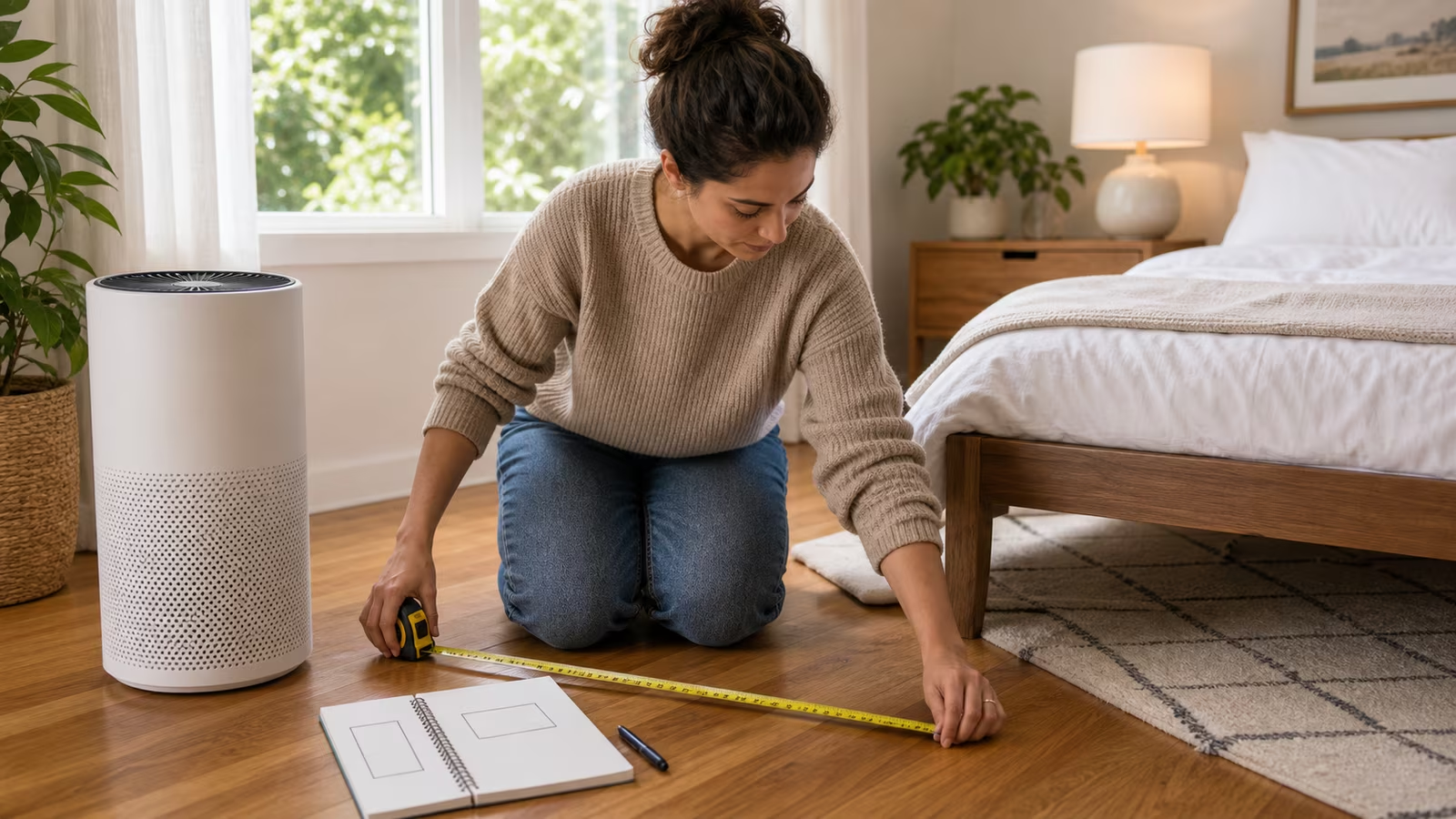
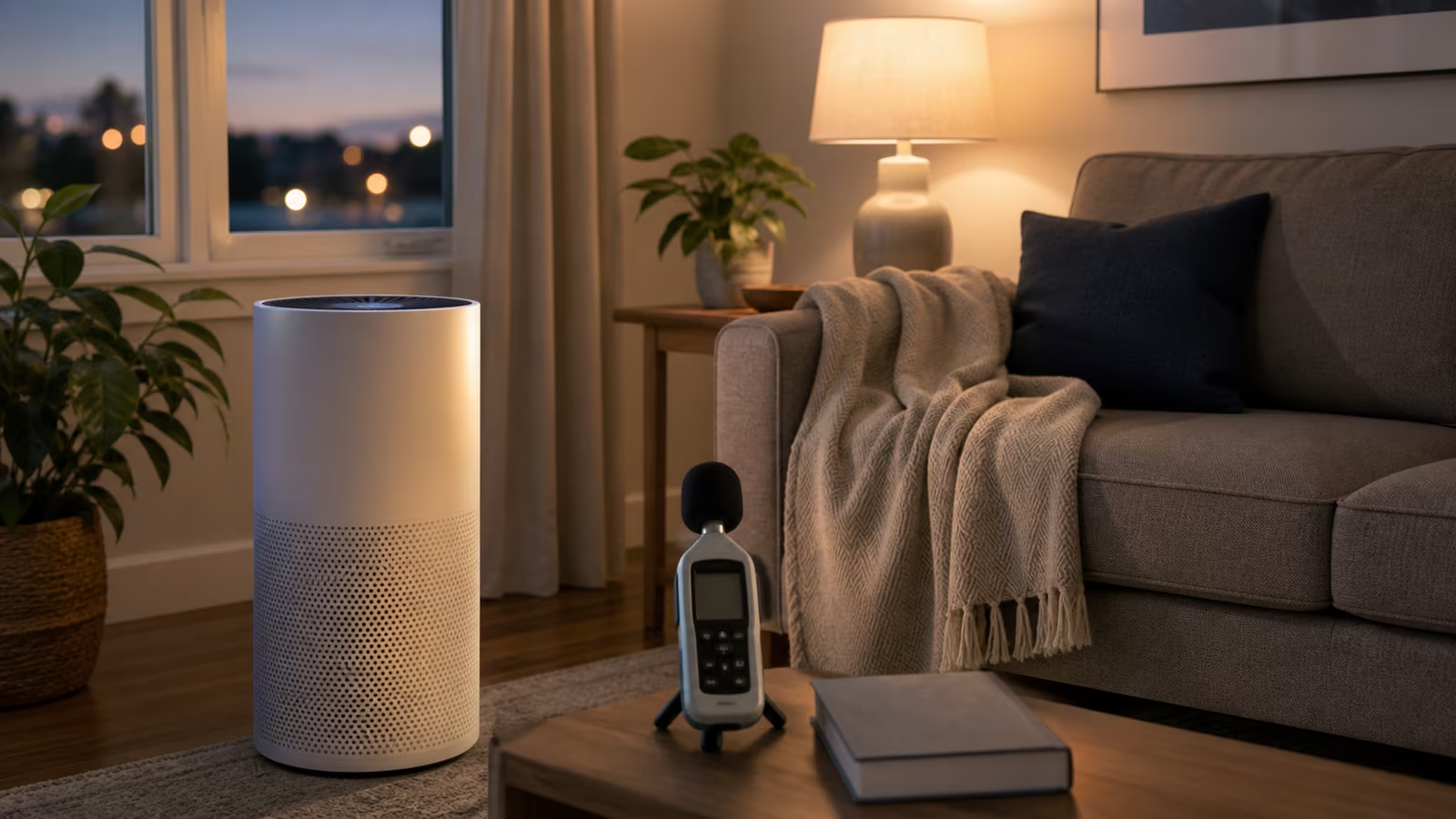
Noise is where good intentions quietly die. People buy a capable purifier, discover it roars on high, retreat to the silent setting, and then wonder why nothing improved. The honest fix is not to accept a weak silent mode as your permanent operating point. It is to own a purifier with enough capacity that its comfortable, low-to-medium speed already delivers the airflow your room needs. A machine sized generously for the space hits your target while barely audible, because it is loafing rather than straining. A machine sized exactly to the room only performs on high, exactly the setting you will not tolerate overnight. That single mismatch explains most under-performing purifiers, and it is worth checking your intended unit against the room with the Air Purifier Sizing Calculator so you buy enough headroom to run quietly rather than a unit that forces you to choose between clean air and sleep.
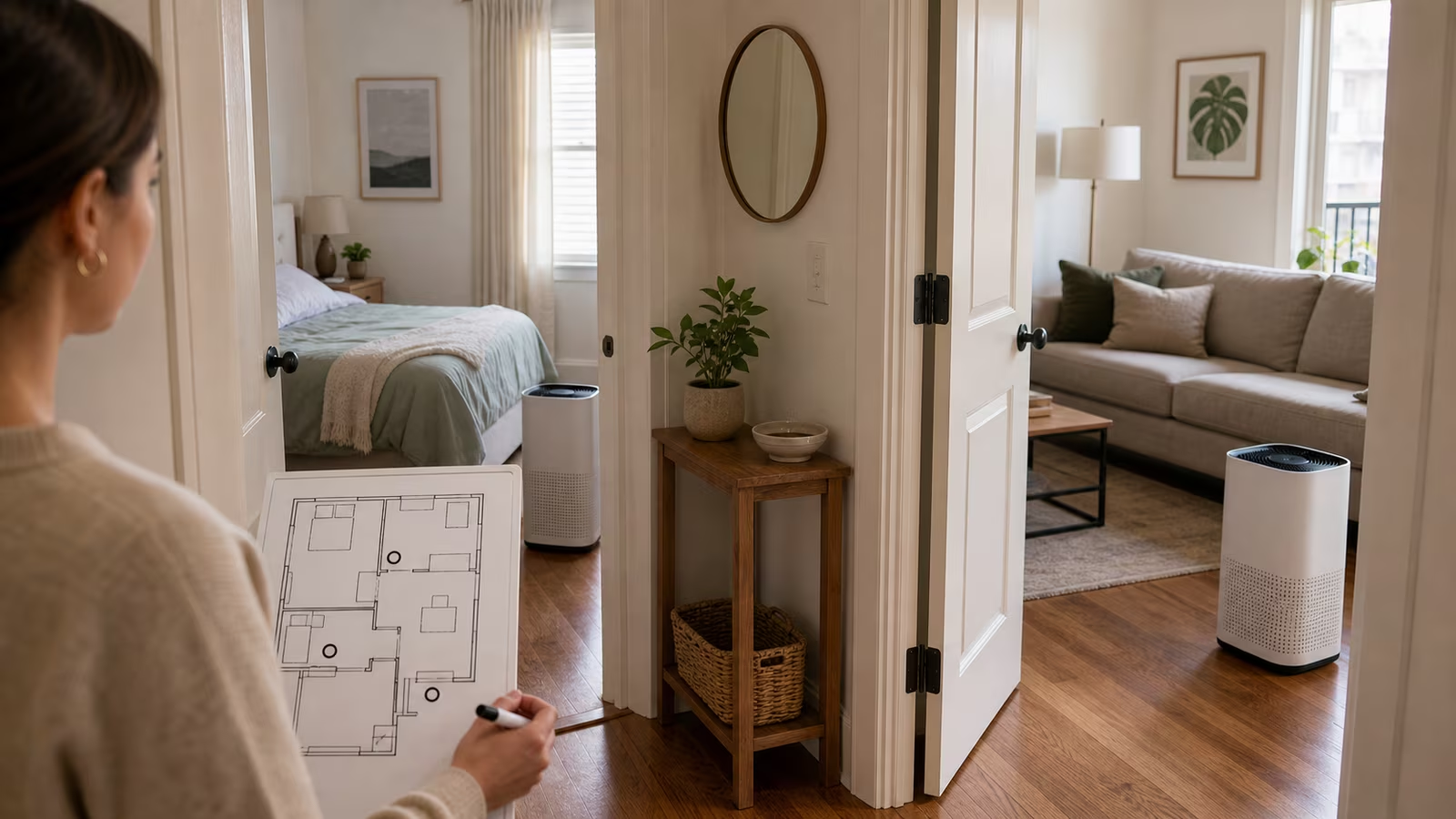
Bedrooms deserve special attention because the runtime you most want, all night, collides with the noise you least tolerate, at night. Listen to a unit’s low and medium settings before you commit if you can, and treat a pleasant low-speed hum or a genuinely usable sleep mode as a core feature rather than a bonus. Where you place the machine also shapes how loud it feels; our guide to where to put an air purifier covers positioning it in the airflow without parking it right beside your pillow.
A Runtime Rhythm That Fits Real Life
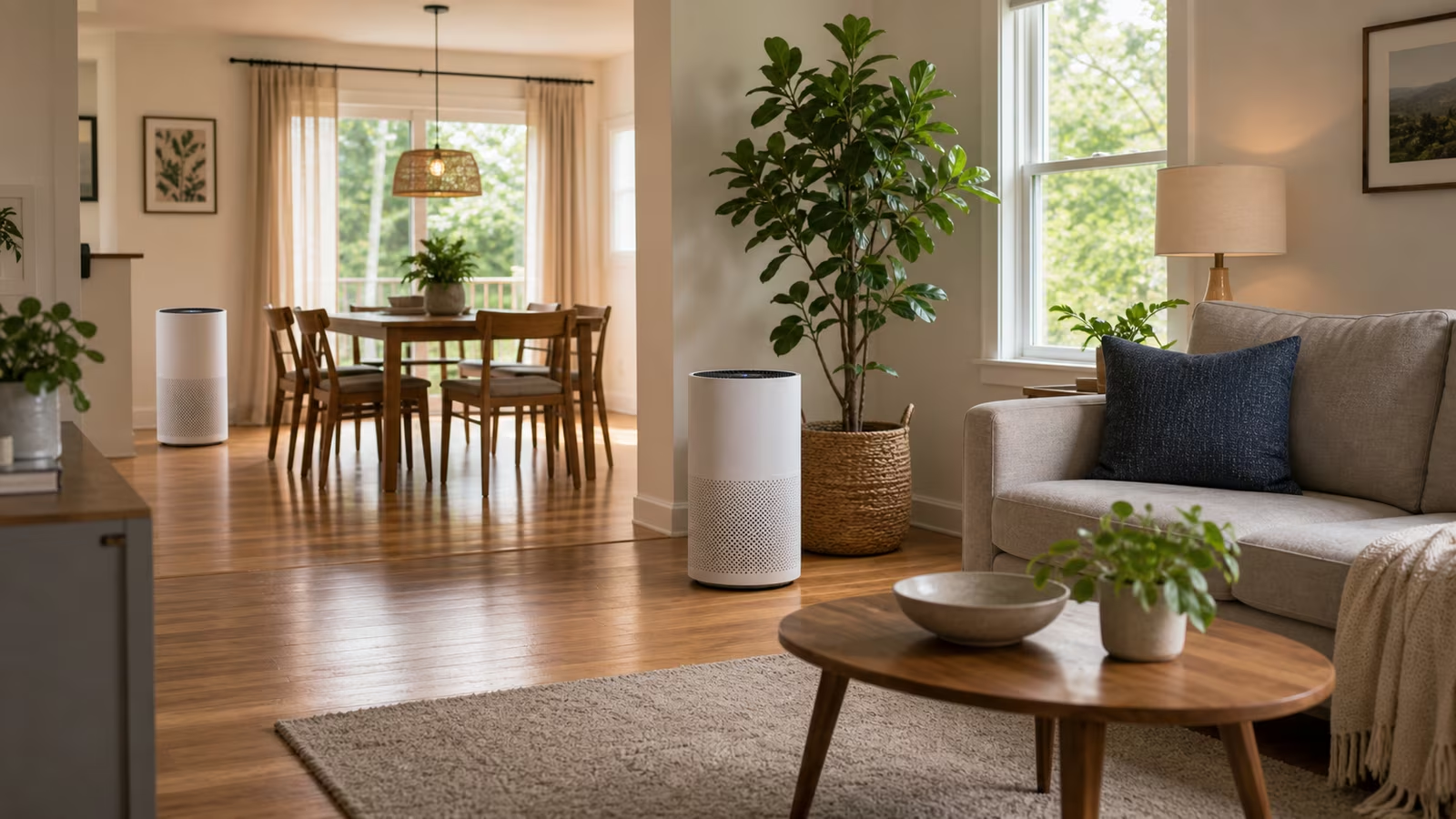
The setup that works for most homes is a two-tier rhythm rather than a single speed. Choose a background setting you can genuinely ignore and leave it running whenever you are in the room, or continuously if the machine is efficient and the filter cost allows. Then boost to a higher speed around the predictable particle events: while you cook, when you vacuum or dust, during a pollen-heavy stretch, or when outdoor smoke is pushing in. After the event, let the elevated speed run a while longer before dropping back, because the room is still clearing after the visible cause has passed. That pattern spends noise where it earns its keep and stays quiet the rest of the time.
Leaving a purifier running while you are out is reasonable for many efficient units, and it means you return to an already-clean room rather than starting the cleaning from scratch each evening. The main costs are electricity, which is usually modest, and filter life, which the running hours consume. That trade is worth being deliberate about rather than guessing.
Watch the Filter the Runtime Consumes
Runtime is what wears a filter out, so the more diligently you run the machine the more attention the filter needs. A loaded filter chokes airflow, which means the same fan speed delivers less clean air than it did when the media was fresh, and the purifier grows louder and less effective at once. Do not let a clogged filter quietly undo your good runtime habits. Note when you installed it and watch for the signs of exhaustion: reduced airflow at the outlet, a rising baseline of noise, or a return of smells the unit used to handle. If your purifier includes a carbon stage for odors, remember that its capacity is spent by hours of use too, a point our guide to activated carbon for odors and gases explains in more depth. And keep a skeptical eye on any “silent, no-filter” odor destroyer that works by generating ozone, which regulators warn against for occupied indoor spaces; runtime with such a device is not a benefit.
Speed and Runtime Are Not the Whole Room
For all the emphasis here, a fan running fast and long is still only filtration, which sits below source control and ventilation. No speed setting outruns a source that keeps producing particles, so the burning candle, the venting-indoors stove, or the shed-happy rug deserve attention first; airflow through a filter is the wrong tool for a source you could simply stop. Filtration also does nothing for gases beyond a carbon stage’s limited reach, nothing for humidity, and nothing for carbon monoxide, which belongs to a dedicated alarm. A purifier is one instrument in the room, and getting its speed and runtime right makes it play its own part well rather than every part. The marketing gap around what the filter itself removes is worth understanding too, which is the subject of our look at HEPA filter marketing .
Run yours at a background speed you can live with, boost it around the events that dirty the air, keep the filter fresh so the airflow stays honest, and you get most of what a purifier can offer. The quietest setting used for the shortest time is the one combination almost guaranteed to disappoint.
Clean Air Society is practical education, not medical advice, diagnosis, or a guarantee that a room is safe. A purifier that runs well helps with particles; it does not replace source control, ventilation with clean outdoor air, or professional attention when the real issue is combustion, mold, chemicals, or building conditions.