Allergy-friendly cleaning gets sold as a product category, but it is mostly a housekeeping question with an air-quality edge. The honest framing is narrow: a home can hold less of the dust, pollen, and pet dander that bother people, and it can hold that reduction more consistently. That is worth doing. It is also all this guide claims to do. Cleaning a room well is not treatment, and a tidy house is not a diagnosis. When a household reduces exposure, some people feel a difference and some do not, and neither outcome tells you what is happening inside a person’s body. That is a conversation for a clinician, not a mop.
What makes allergen cleaning different from ordinary cleaning is where the particles live. Dust, dander, and settled pollen are not floating villains most of the time. They rest in reservoirs: bedding, upholstered furniture, rugs, curtains, the tops of doorframes, the fabric of a favorite chair, the pet’s usual spot on the sofa. Cleaning that stirs those reservoirs without capturing them just relaunches the same material into the air you breathe. So the first mental shift is from “make it look clean” to “remove and capture, don’t redistribute.”
Start With Where Particles Rest
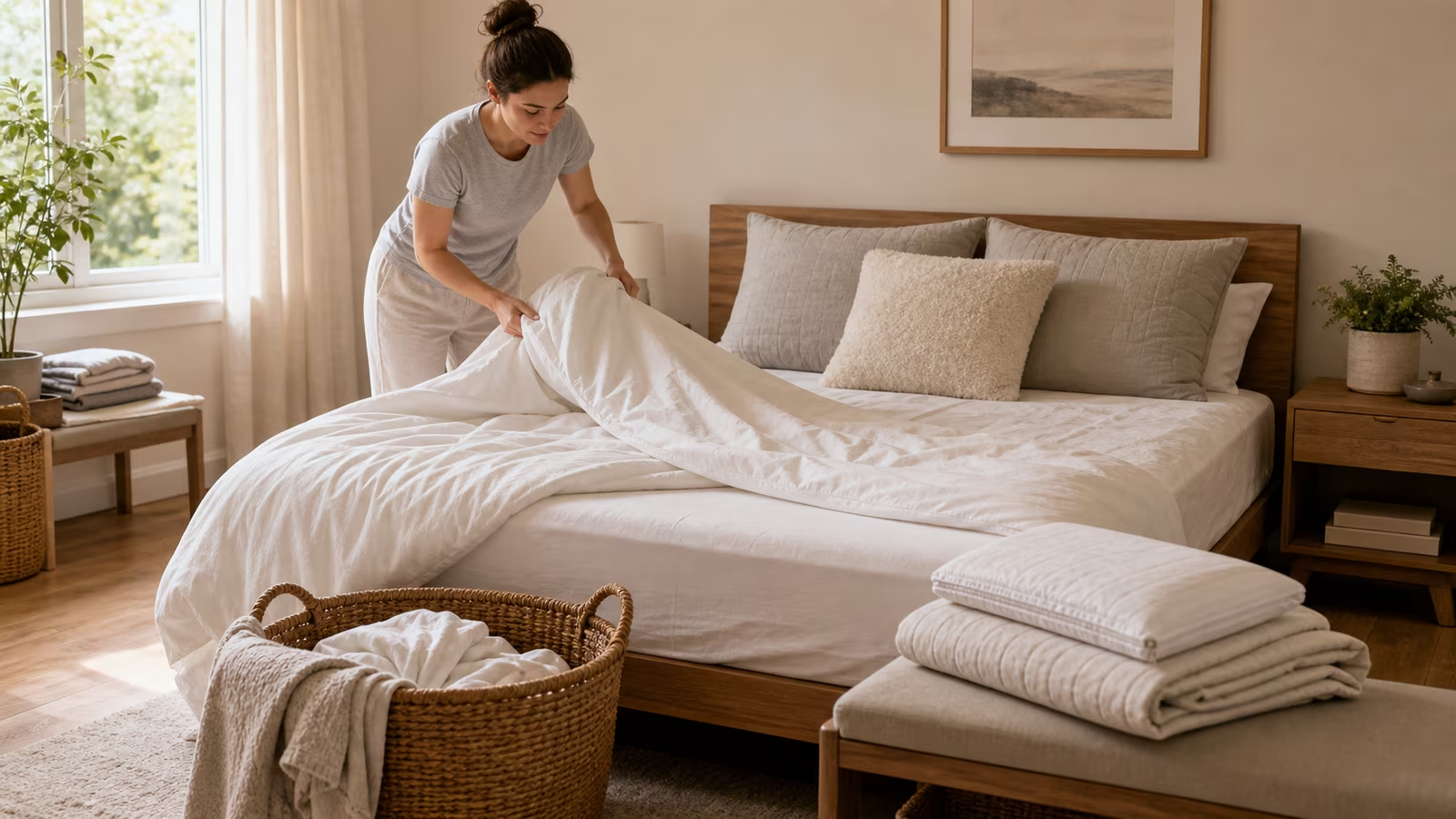
Bedding is the reservoir most worth your attention because you spend hours pressed against it. Washing sheets and pillowcases on a regular rhythm in hot water, and letting them dry fully so they do not stay damp, removes a large share of what accumulates. Pillows and mattresses hold more than the covers do, which is why washable encasements are a common, undramatic upgrade. None of this cures anything; it lowers the amount of material in contact with your face for a third of the day, and that is a reasonable, modest goal.
Soft furnishings elsewhere follow the same logic. A rug is a filter you walk on, and a dense one holds a great deal until it is cleaned or removed. Curtains collect pollen that drifts in through open windows. If a household member reacts strongly to these reservoirs, the most durable move is often reducing the amount of fabric rather than cleaning ever more heroically. Hard flooring that can be damp-mopped, washable throws instead of dry-clean-only ones, and fewer dust-catching surfaces all make the weekly routine lighter and more likely to actually happen.
Capture Instead of Stir
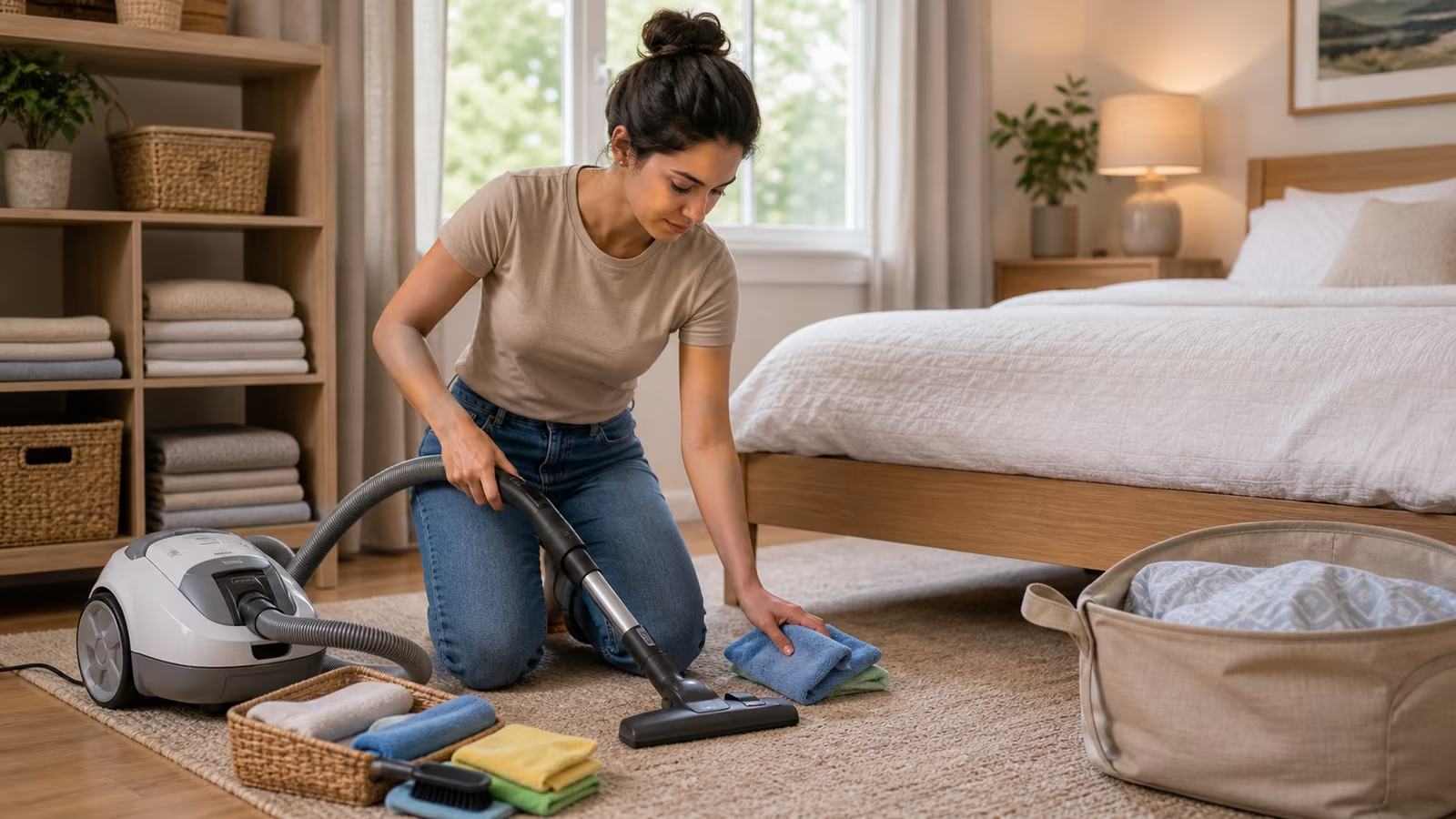
Dry dusting and sweeping tend to launch fine particles that then settle again over hours. Damp cloths and damp mopping trap dust rather than aerosolizing it. A vacuum matters less for the suction number on the box and more for whether it holds what it collects; a sealed machine with a genuine high-efficiency filter keeps fine dust inside instead of blowing it out the exhaust. Vacuuming near a window while the light slants across the room is a quiet, honest demonstration of how much a poorly sealed machine puts back into the air.
Entry control is the least glamorous and most effective habit here. Pollen and outdoor dust arrive on shoes, coats, and hair. A mat at the door, a shoes-off habit, and a spot to hang outdoor layers keep a meaningful fraction of the season’s pollen out of the carpet in the first place. During heavy pollen stretches, keeping windows closed at peak times and relying on filtration instead of an open sash prevents the room from becoming a pollen trap that you then have to clean repeatedly.
Pets Are a Source, Not a Setting
Dander is produced continuously by the animals a household loves, which makes it the hardest reservoir to reason about calmly. Cleaning the air around a pet does little if the pet remains the source and sleeps on the same bedding every night. The practical moves are ordinary: brushing the animal (ideally somewhere other than the bedroom), washing pet blankets and beds on their own schedule, and keeping at least one space, usually the sleeping room, as a lower-dander zone. This is exposure reduction, not elimination, and it should be described that way to everyone in the house so no one expects a spotless result.
Filtration Supports the Cleaning, It Does Not Replace It
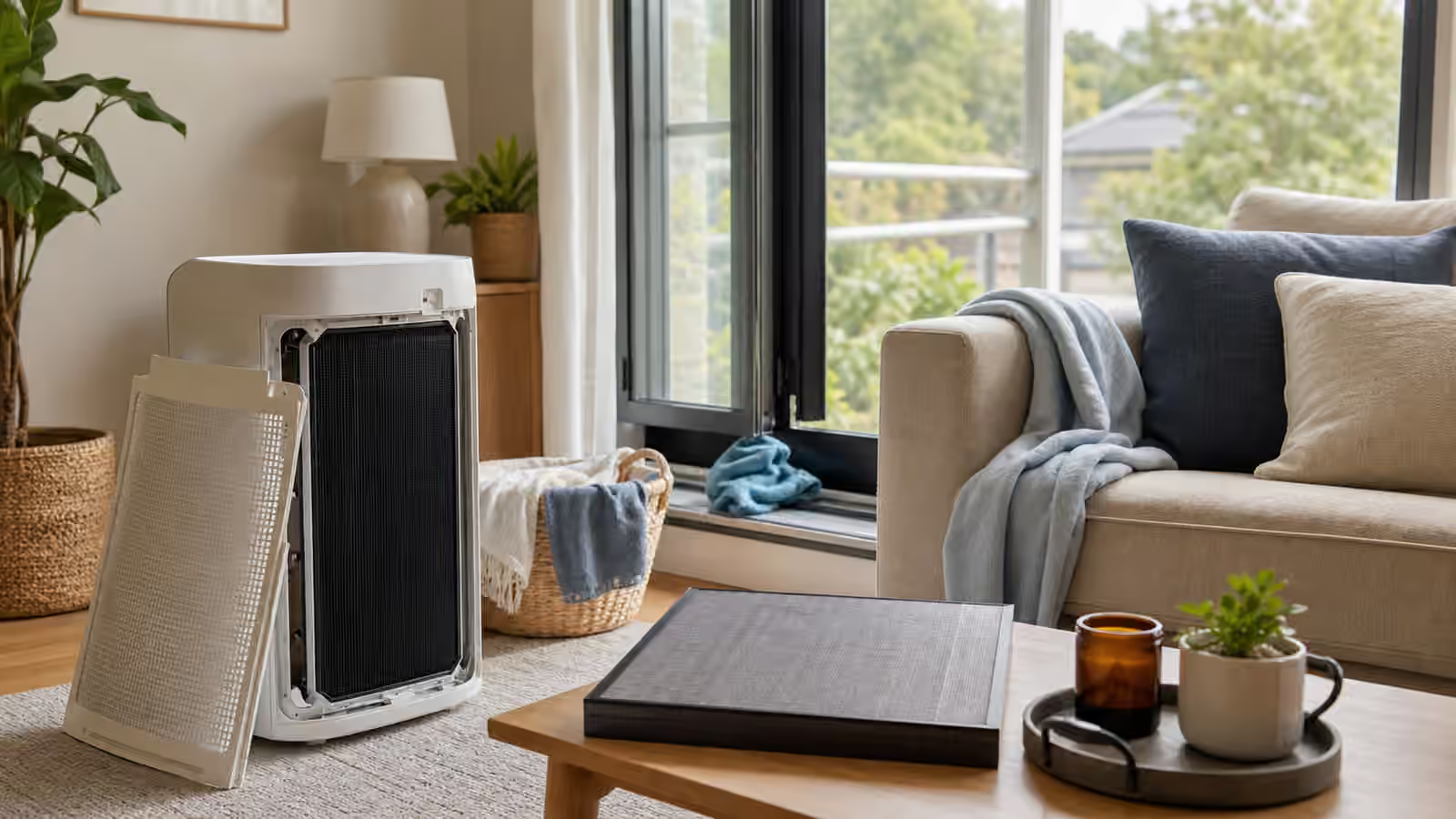
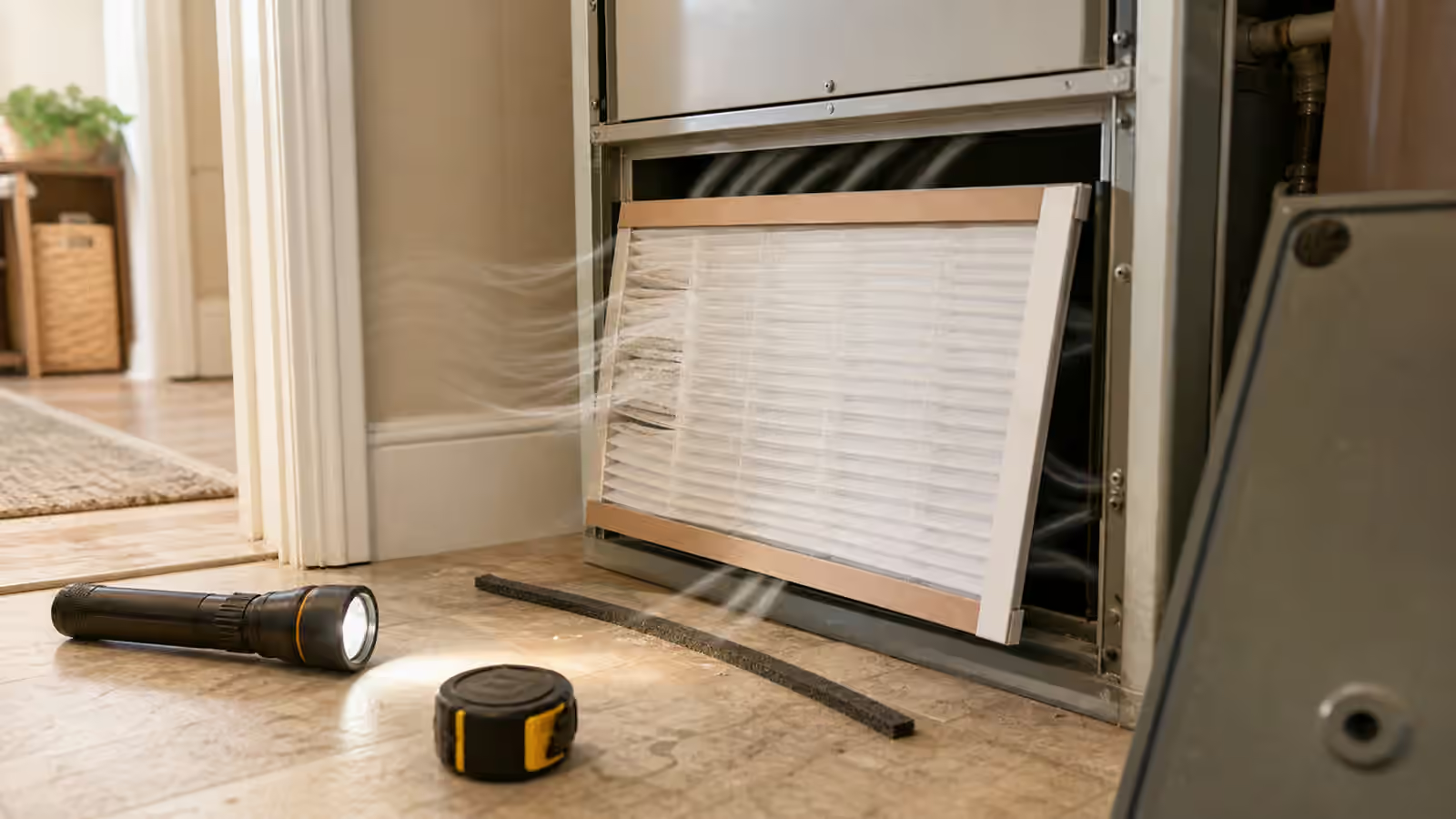
Once sources and reservoirs are handled, filtration keeps suspended particles lower between cleanings. A right-sized room air cleaner run steadily in the space where someone spends the most time, often a bedroom, does more than a powerful unit that lives in a hallway. Central HVAC filtration helps only when the fan actually moves air and the filter is snug and reasonably fresh; a clogged or loosely fitted filter is mostly decoration. If you are unsure whether the filter in your system is doing its job, the HVAC Filter Checker turns the question into a short worksheet about filter size, age, and fit, so you replace on evidence rather than on a vague sense that it has “been a while.” A companion read on seasonal clean-air maintenance helps you tie those replacements to the times of year when pollen and heating dust spike.
Humidity Sits Underneath Allergens
Damp air deserves a mention because moisture links to a second family of triggers. Chronically high indoor humidity supports mold and helps dust mites persist in bedding and upholstery. A simple humidity gauge, checked at the same times of day, tells you whether the home is drifting damp. If it is, the fix is usually moisture control at the source rather than a scented spray that masks a musty note while the underlying dampness continues. Fragrance is not cleaning; it is a cover story, and it adds its own compounds to the air.
Keep the Claims Small on Purpose
The strongest habit in allergy-friendly cleaning is restraint about what you promise yourself. A cleaner room can mean less material in the air and on surfaces. It cannot certify anyone’s health, and it should never be sold to a family member as a fix for how they feel. If symptoms are serious, persistent, or frightening, that is a reason to see a qualified clinician, not a reason to buy a bigger vacuum. Reading a matching note on the boundary between symptoms and clean-air work can help a household keep the two lanes separate. Cleaning belongs in the exposure lane; care belongs with a professional.
Build the routine so it survives a busy week. A washable entry mat, a hot bedding wash on a set day, a sealed vacuum used near reservoirs, a steadily running room filter, and a humidity gauge you actually glance at will outperform an ambitious plan that collapses after two weekends. If cost is the constraint, the budget clean-air plan covers how to sequence these so the cheapest, highest-yield moves come first.
Clean Air Society is practical home education, not medical advice, diagnosis, or remediation, and it cannot promise that any room is safe for a given person. Cleaning reduces exposure; it does not treat conditions. If a household member has serious or worsening symptoms, or if you find extensive mold, water damage, or a combustion or chemical hazard while cleaning, step out of the DIY lane and bring in a clinician or a qualified professional. Everything above is meant to make an ordinary home a little easier to breathe in, and honest about the limits of what a broom can do.