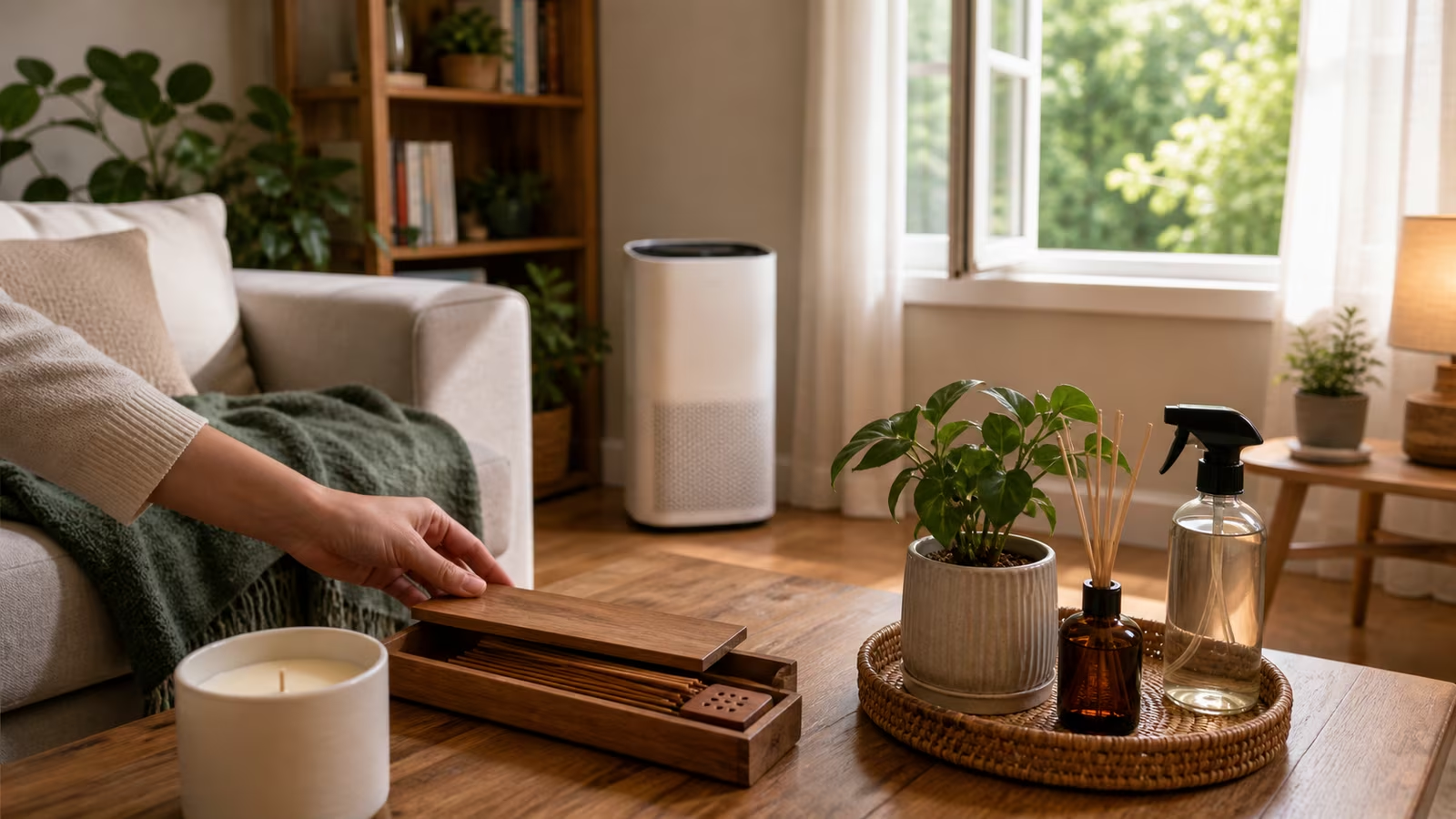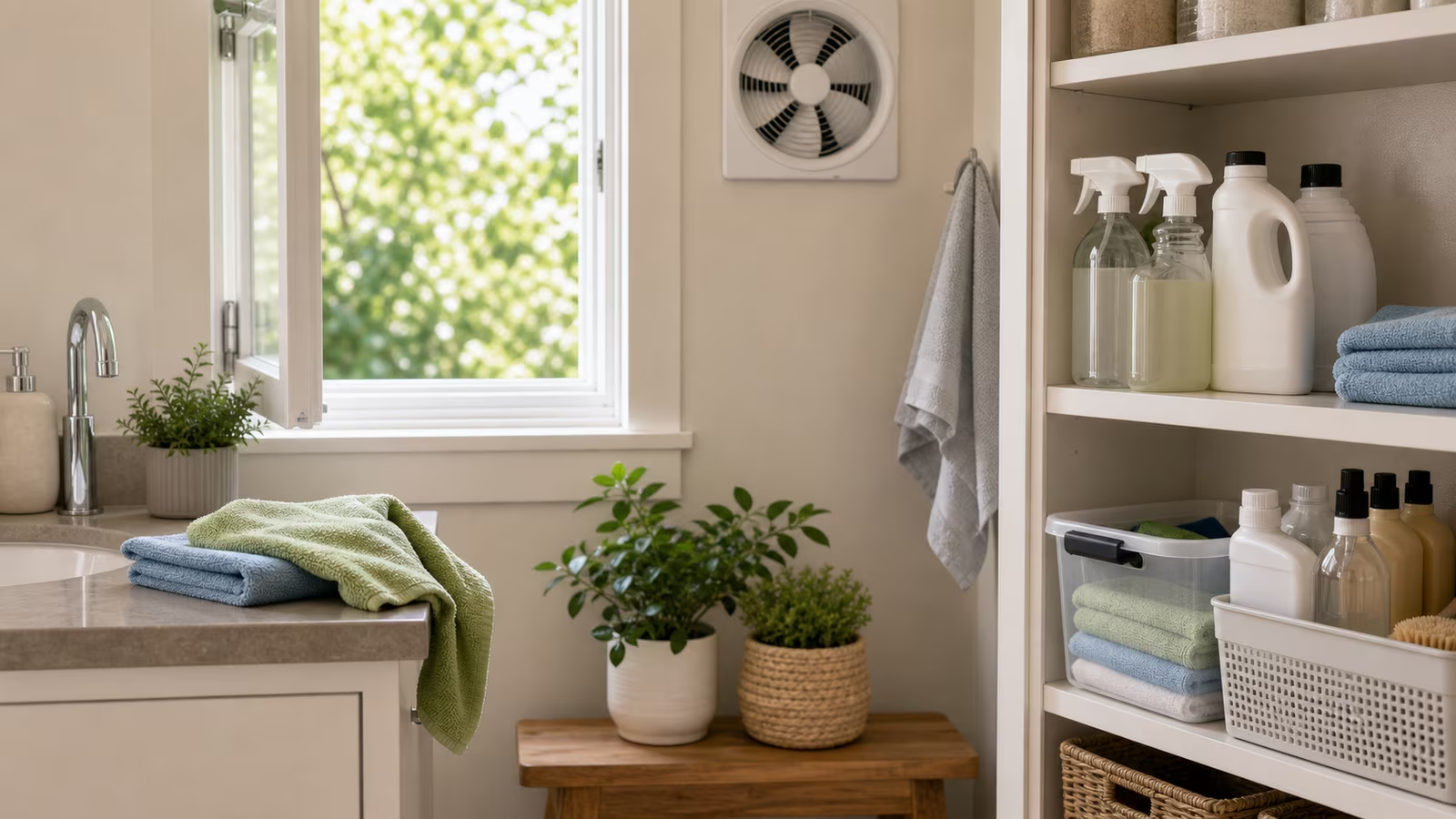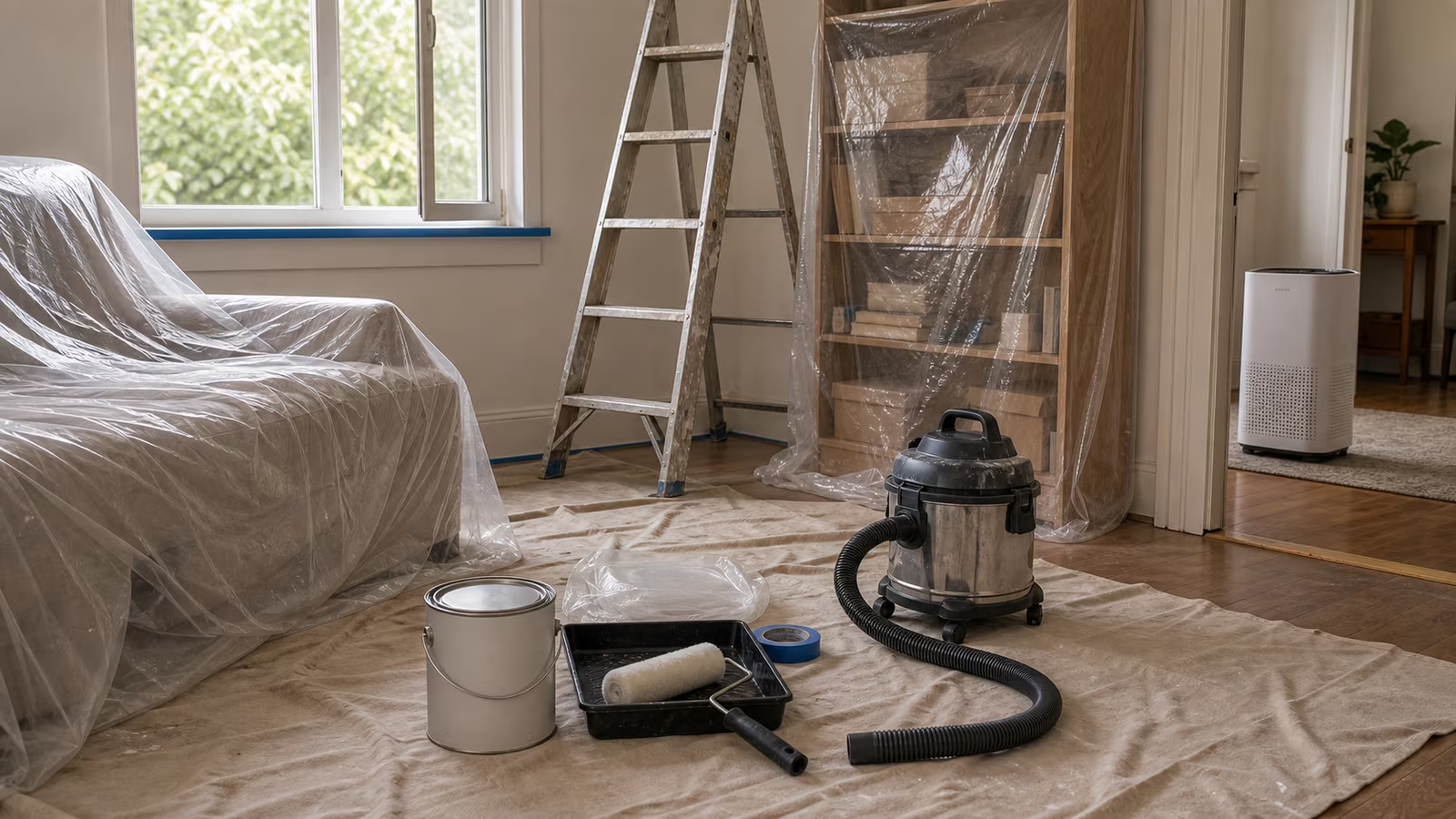
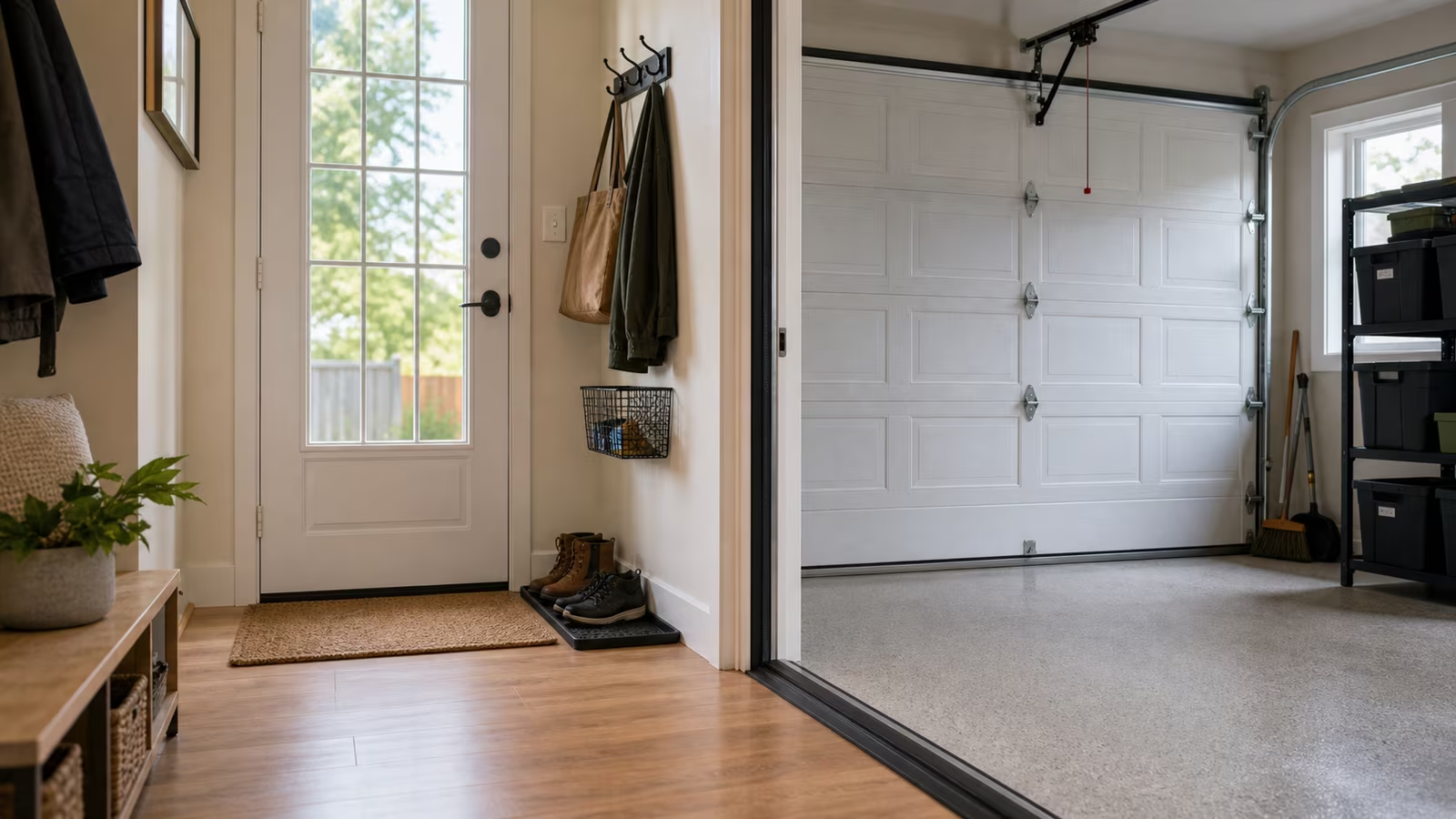
An attached garage is the one room most people never think of as part of their home’s air, even though it shares a wall, a floor, and often a door with the living space. It is also the room that stores the most concentrated pollutants a household owns in one place: gasoline in the mower and the car, exhaust from a cold engine, solvents and paint on the shelves, pesticides, adhesives, and the fine dust of every project done out there. Because a garage is usually warmer or cooler than the outdoors and connected to the house, air does not stay put. It follows pressure. When the house pulls air, some of that garage air comes along for the ride.
The reassuring part is that this is a source-control problem more than a filtration problem, which means the most effective moves are cheap and mechanical rather than expensive and electronic. You are not trying to scrub garage air clean after it enters. You are trying to keep it in the garage, keep the strongest sources from running in the first place, and give the boundary between the two spaces a fighting chance.
The Door Is the Boundary
The single most important surface in this whole topic is the door between the garage and the house. It should close on its own, latch snugly, and seal around its edges. Weatherstripping that has flattened, a threshold with a visible gap of daylight, or a door that gets propped open “just for a minute” all turn the boundary into an open invitation. A self-closing hinge is a small hardware change that removes the human factor entirely, because the door no longer depends on anyone remembering. If there is a pet flap, a mail slot, or a cut for cables in that door, treat each opening as a hole in the wall between your family and the garage’s chemistry.
Ceilings and shared walls matter too, though they are harder to inspect. Gaps around plumbing, wiring, and the top plate of the shared wall let air move even when the door is shut. You do not need to open up drywall to make progress; sealing the obvious visible penetrations you can reach, and making sure the door itself is honest, handles most of the leakage most homes actually have.
Stop the Worst Source: the Engine
No amount of sealing keeps up with a running engine in an enclosed garage. A cold start produces the most exhaust, and backing out while the garage door is still rising, then closing the house door behind you, pushes a slug of that exhaust toward the living space. The habit that helps is simple and free: open the overhead garage door fully before starting the engine, back the vehicle out promptly rather than letting it idle, and never warm a car up inside. This is also where the topic stops being about comfort and becomes about safety, because engine exhaust carries carbon monoxide, an odorless gas that no air purifier addresses. A working carbon monoxide alarm on the house side of that shared wall is not optional, and the companion guide on carbon monoxide and radon monitor boundaries explains why an alarm and a monitor are different tools.
Store Chemistry Like It Off-Gases, Because It Does
Paint, stain, solvents, fuel, and many adhesives release vapors slowly even when the lids look closed. Loosely capped cans, a rag left soaking in thinner, or an open bottle of driveway sealer keeps adding to the garage’s background load between projects. Tight lids, sealed metal containers for fuel, and moving the most volatile products to a shelf near the garage’s outer wall rather than against the house all reduce how much vapor accumulates and how much of it drifts inward. Anything you finished with a strong solvent or paint recently belongs to the paint, renovation dust, and new-furniture off-gassing discussion, because the freshest coatings are the most active.
Give the Garage Its Own Air
The goal is for the garage to breathe outward, not inward. Ventilating the garage directly to the outdoors, when weather and the building allow, lets it clear its own load instead of leaning on the house. Some homes keep the garage slightly negative relative to the living space with a dedicated exhaust; others simply crack the overhead door after a fumey task and let it air out before closing up. What you want to avoid is running a powerful house exhaust, like a big range hood, in a way that quietly pulls garage air through every gap in the shared wall. When you are deciding where a portable air cleaner earns its keep inside the house, the Purifier Placement Planner helps you reason about the living-space side of that wall rather than trying to treat the garage itself as a room to purify. A filter belongs where people breathe, not stationed against a source you should have sealed off instead.
What Filtration Can and Cannot Do Here
It is worth being blunt about the limits. A portable purifier with a particle filter can help with the dust and fine particles that migrate in, and one with meaningful activated carbon can take the edge off some vapors, but neither is a substitute for keeping the door sealed and the engine outside. Filters do nothing for carbon monoxide. They do not neutralize a gasoline spill or a solvent leak. If your reasoning ever arrives at “I will buy a strong enough purifier to make the garage air safe indoors,” that is the signal to back up to the source: seal the boundary, store the chemistry tightly, and stop the engine from running inside. Filtration is the last step in the order, and it works on what is left after the bigger moves, not instead of them.
Set the whole thing up so it survives ordinary life. A door that closes itself, a carbon monoxide alarm you test on a schedule, fuel and solvents in tight containers, and a no-idling habit form a system that keeps working even on a rushed morning. Pair it with an understanding of what your monitors can actually be trusted to tell you, so a quiet sensor never becomes false reassurance.
Clean Air Society is practical home education, not medical advice, diagnosis, or remediation, and it cannot promise that any room is safe. Treat an attached garage as a serious source rather than an ordinary room. If you suspect an active carbon monoxide problem, smell fuel indoors, or find a spill or a chemical hazard you are not equipped to handle, leave the area, ventilate if you can do so safely, and call for qualified help rather than relying on a fan or a filter to sort it out.