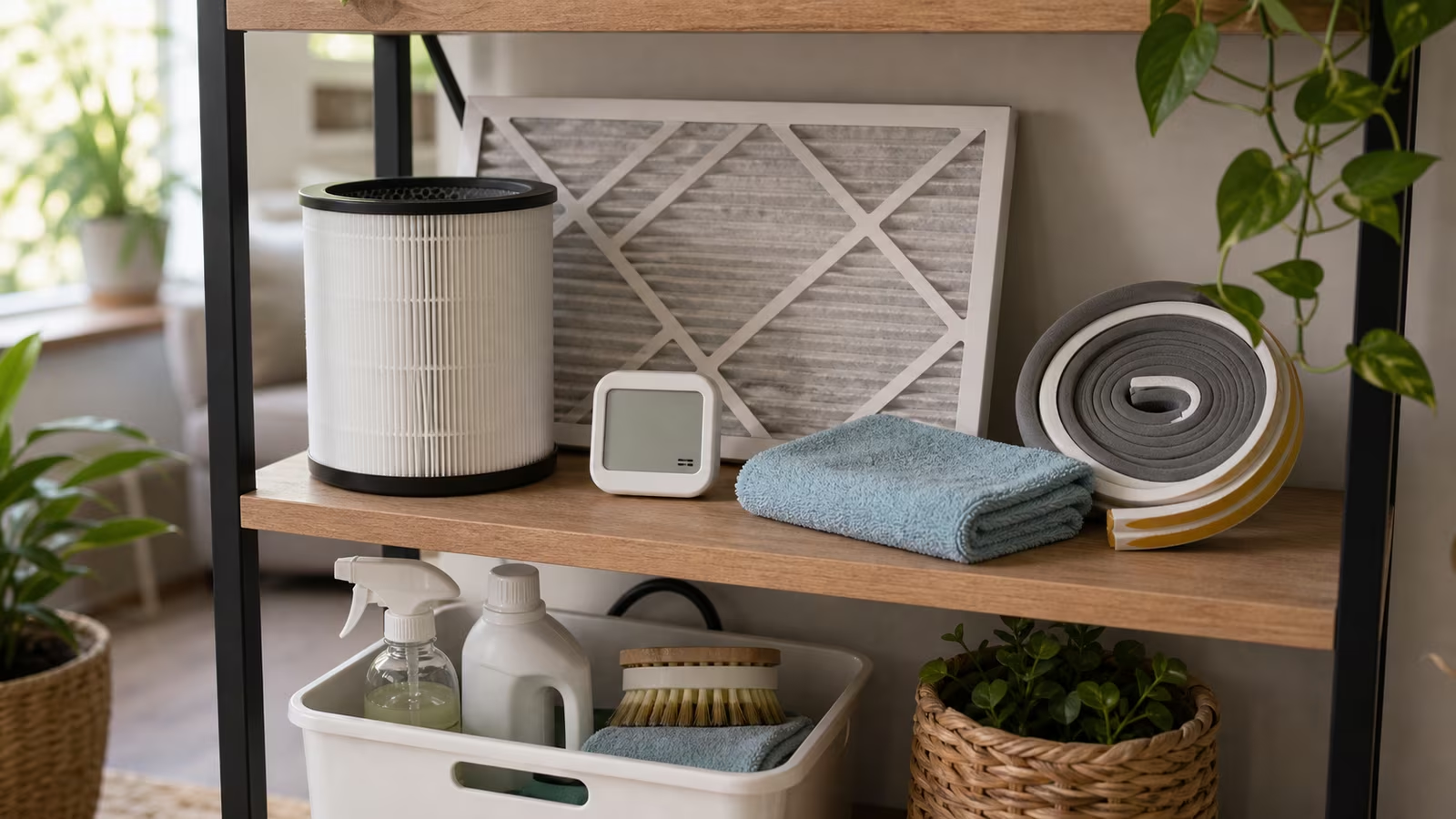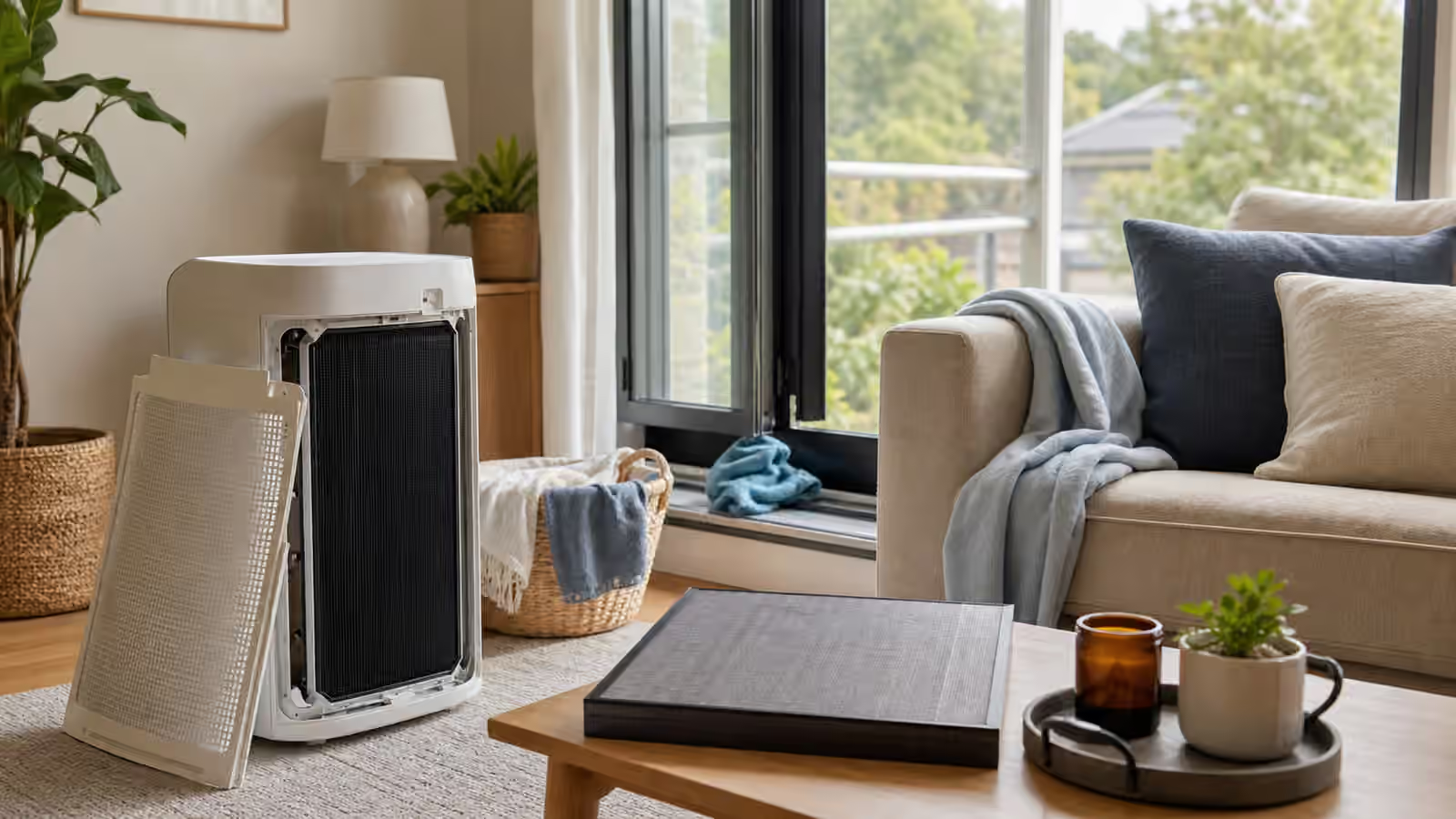
A budget clean-air plan is not a stripped-down version of an expensive one. It is a plan that knows where a dollar buys the most cleaner air and spends there first. Most homes do not need more devices; they need the right few working in the right places, and they need the money that would have gone to gadgets pointed instead at the boring things that actually change a room. When the wish list is long and the wallet is short, the useful skill is ranking, not shopping.
The order Clean Air Society uses is also, conveniently, an order of cost. Reducing a source is often free or nearly free. Opening a window at the right hour costs nothing. Filtration costs something, but a right-sized unit run steadily beats two underpowered ones. Moisture control ranges from a five-dollar gauge to a real dehumidifier, and maintenance is mostly a calendar and a little discipline. If you follow that sequence honestly, the expensive steps arrive last, after the cheap steps have already done their share.
Spend Nothing First
Before any purchase, spend an evening walking the home and naming what makes the air worse. A candle burned nightly, shoes tracking road grime onto carpet, a range used without the hood, a damp towel pile, a litter box in a dead corner: each of these is a source you can reduce for free. Every source you remove is filtration you never have to buy. This is the least glamorous step and the highest-yield one, because a filter fighting a source that keeps running is a filter you will replace forever.
Ventilation is the next free lever, and it is genuinely free when outdoor air cooperates. On a mild day with clean air outside, opening two windows on opposite sides of the home for ten minutes flushes stale indoor air more effectively than any amount of internal fan-stirring. The trick is timing. Air out during the cool, low-traffic, low-pollen part of the day, and keep windows shut when smoke, heavy pollen, or humidity would make the trade a bad one. A free habit, used at the wrong moment, can import the very problem you are trying to solve.
Where One Purifier Goes
When you do spend on filtration, buy one unit sized generously for the single room where people spend the most waking or sleeping hours, rather than several small units scattered thinly. A purifier that is comfortably rated above the room it sits in can run on a low, quiet setting and still clear the air, which matters because a loud unit gets switched off and a switched-off unit filters nothing. The air purifier sizing calculator is the tool to reach for here: give it honest room dimensions and it turns the vague urge to “get a good one” into a concrete target for clean-air delivery, so you buy enough capacity once instead of upgrading twice.
Placement is free and it decides whether the money worked. A unit wedged behind a sofa or under a desk breathes a stale pocket and reports victory over a corner nobody occupies. Give it a foot of clearance on the intake side, keep it in the open path between where air enters the room and where people sit, and it will do far more than a pricier unit hidden by furniture. If a whole-home approach is out of reach this season, one well-placed room is a legitimate plan, not a compromise you should feel bad about.
Filters Are The Real Recurring Cost
The sticker price of a purifier is the smallest part of what it costs. Replacement filters are the bill that arrives quietly for years, and a plan that ignores them tends to end with an expensive machine running a clogged filter or sitting unplugged. Before buying, look up what the replacement filter costs and how often it needs changing, and treat that as part of the price. A slightly cheaper unit with punishing filter costs is often the more expensive choice over two years.
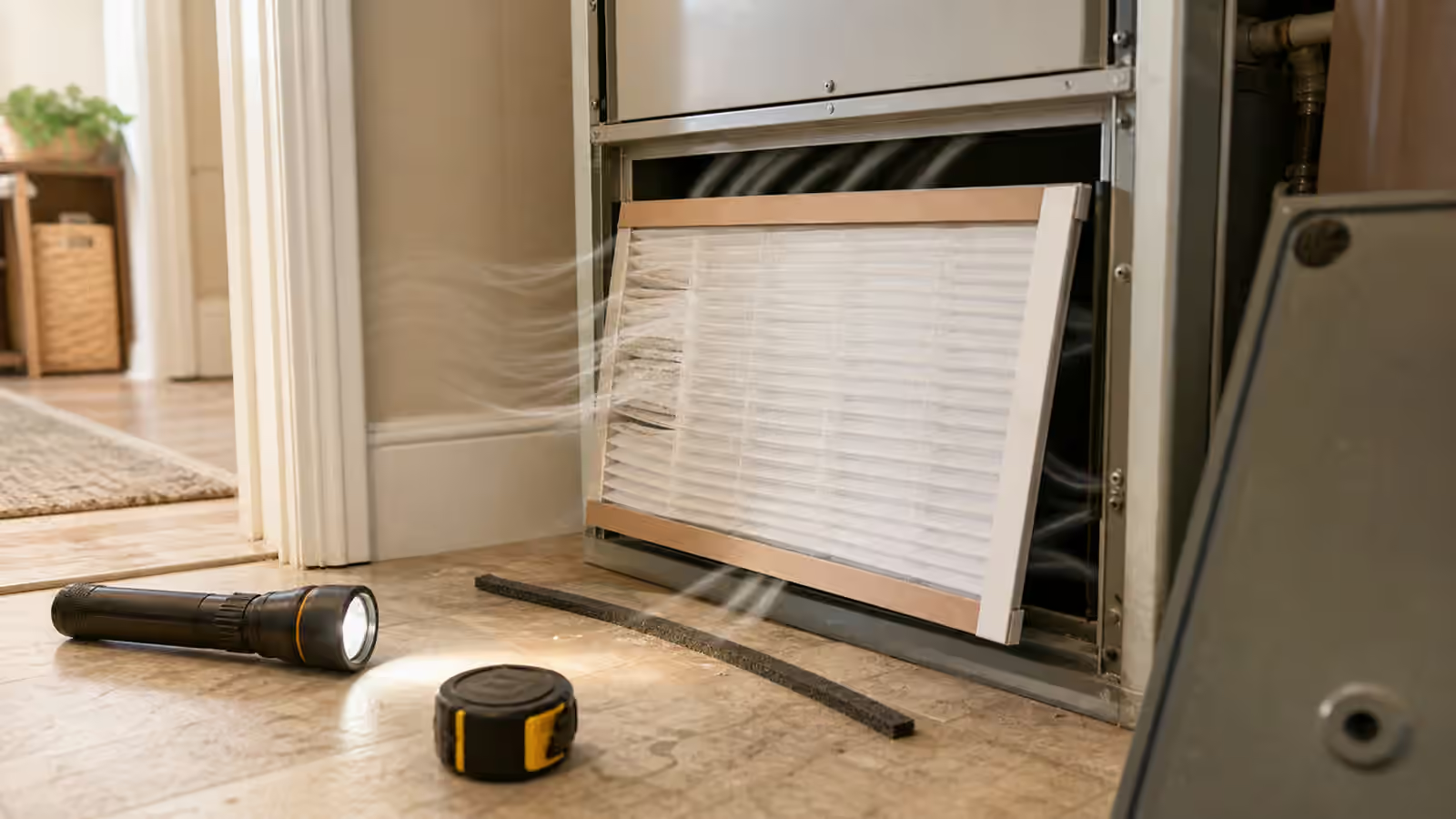
The same logic runs through the central system. If the home has forced-air heating or cooling, a properly fitted furnace filter of a reasonable rating filters air every time the fan runs, which can be the best value in the whole plan because the equipment already exists. Buy the size that seals in the slot, not the fanciest rating the slot cannot handle, since a high-rated filter that starves airflow or leaves gaps helps less than a modest one that fits snugly. Write the install date on the frame so the next change is not a guess.
Measure Before You Buy A Machine
Moisture is the category where people most often buy the wrong thing first. A musty room does not automatically need a dehumidifier; it needs a reading and a reason. A humidity gauge costs a few dollars and tells you whether the problem is real, seasonal, or already fine. Many damp complaints trace back to a specific water source, a cold surface, or slow drying, and fixing the source is cheaper and more durable than running a machine to chase the symptom. Buy the gauge, watch it for a week, and let the numbers decide whether a larger purchase is warranted.
The general rule for a tight budget is to buy measurement before you buy machinery. A gauge before a dehumidifier, a look at the source before a carbon-heavy purifier, a check of the actual room size before a big-room unit. Measurement is cheap and keeps you from solving an imagined problem at full price.
What Not To Buy
A budget improves as much from avoided purchases as from good ones. Skip anything that promises to handle particles, gases, moisture, and odors in a single small device; that breadth is usually marketing, not physics. Skip ozone generators and “ionizing” cleaners sold as fresh-air machines, because adding a reactive gas to a room you are trying to clean is a step backward. Skip fragrance products bought as air cleaners; they change the smell while adding compounds and can hide a source you would rather find. And skip the second and third purifier until the first one, well placed and well maintained, has been given a fair chance.
Treat dramatic claims as a signal to slow down. A device cannot fix a leak, replace a carbon monoxide alarm, or make a room measurably healthier on its own, and a page that suggests otherwise is selling, not helping. The calm test is simple: does this purchase make an ongoing habit easier and cheaper to keep, or does it just add a box?
Keep It Running Without Spending More
The cheapest part of the plan is the part people abandon: maintenance. A filter date taped to the purifier, a recurring calendar note for the furnace filter, bedding and pet textiles washed on a rhythm that fits the household, and a quick humidity check when seasons turn will hold the improvement in place with no new spending. A clean-air setup that is maintained keeps paying back; one that is forgotten slowly becomes furniture that hums.
If you want a companion plan for the supplies worth keeping on hand, the clean-air kit checklist covers what to stock before a smoke or pollen stretch so you are not paying rush prices in a shortage. And when symptoms rather than the room are the real question, the symptoms and clean-air boundary guide keeps expectations honest.
This guide follows the broad hierarchy shared by EPA and CDC resources: reduce sources, ventilate with clean outdoor air, filter, control moisture, and maintain. It is practical education, not medical advice, diagnosis, or remediation, and it does not promise that a home is free of every hazard. Stop the do-it-yourself approach and call for qualified help when there is carbon monoxide risk, fuel-burning equipment trouble, extensive visible mold, sewage, a chemical spill, fire damage, or building damage, and follow local public health guidance during smoke, radon, or other serious events.