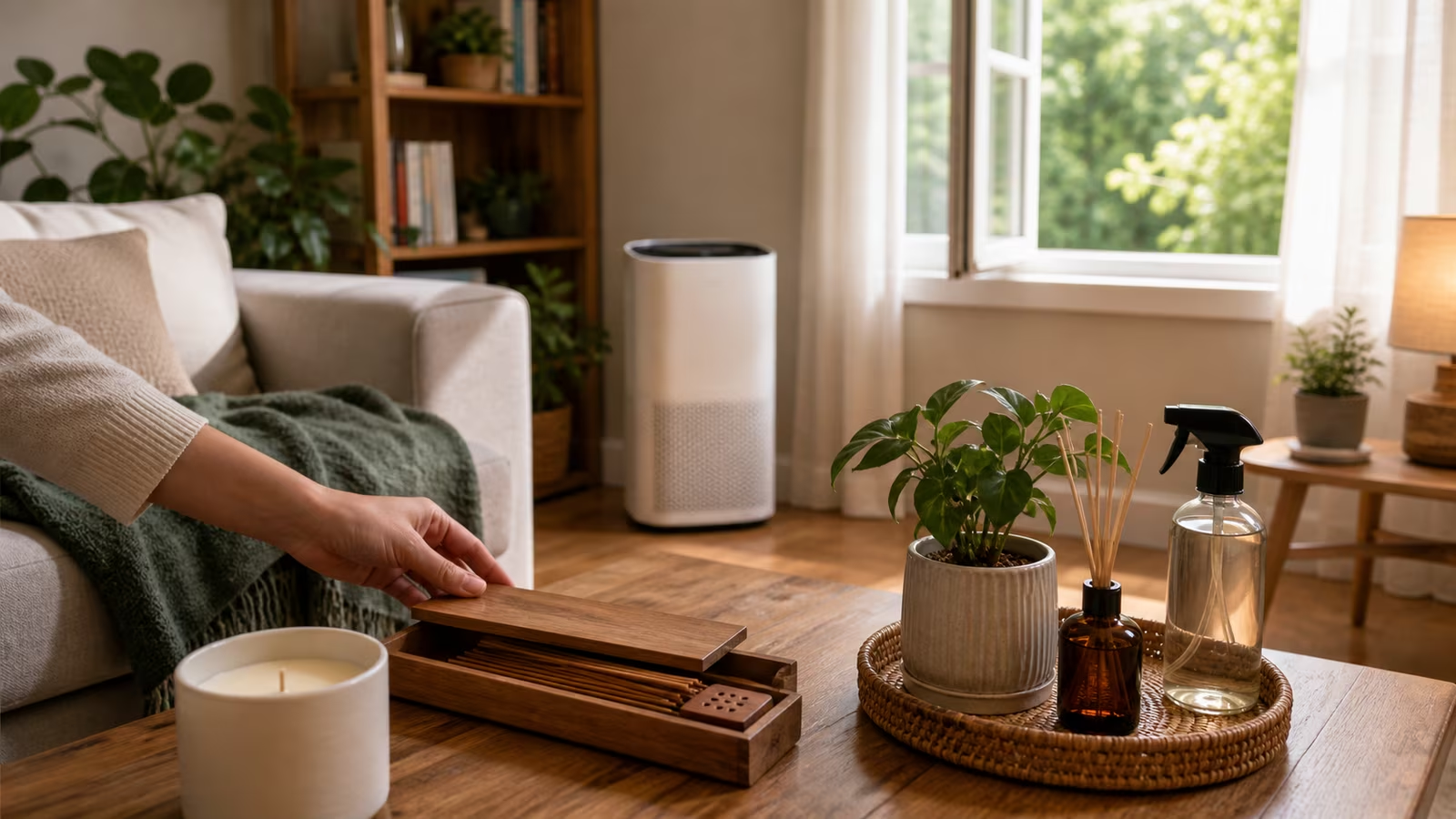
A lit candle, a stick of incense, a plug-in warmer, or a few sprays of room mist all do the same reassuring thing: they change what a room smells like in seconds. That speed is exactly why they are easy to misread. A pleasant scent feels like proof that the air got cleaner, when what actually happened is that a stronger smell was placed on top of whatever was there before, sometimes along with fresh particles and vapors of its own. Enjoying scent is fine. The mistake is treating it as air cleaning.
The honest starting point is that anything burned or aerosolized indoors is a source, not a remedy. A flame releases fine particles you can breathe deep into the lungs; smoldering incense tends to produce more of them, not less, because it burns slower and cooler. Sprays and diffusers add airborne droplets and scented compounds that linger on surfaces and in soft furnishings. None of this makes these products forbidden. It just moves them into the same category as cooking or a fireplace: things to enjoy deliberately and then ventilate, rather than things that improve the room by existing.
Why A Fresh Smell Can Mislead
Smell is a fast, vivid sense, and it is a poor meter for air quality. It adapts quickly, so a scent that seems strong when you walk in fades from your awareness within minutes even though the particles are still present. It also rewards the wrong thing: a product that masks an odor registers as success, while the underlying cause goes unexamined. If a room smells musty and the response is a heavier fragrance, the damp source is still there, now harder to notice.
This is the core reason source control sits first in the Clean Air Society order. Reducing what you release beats trying to filter or cover it afterward. A candle unlit is cleaner air than a candle burning next to the best purifier you can buy, because the purifier is only ever catching a fraction of what the flame keeps producing. When you do choose to burn or spray something, the useful mental move is to picture it as a small, contained event with a beginning and an end, followed by fresh air, rather than as a background ambiance you leave running for hours.
Ventilate Around The Habit
Since the point of scent is enjoyment, the practical plan is to let yourself enjoy it and then clear the air, the same way you would after searing food on the stove. Burn the candle during dinner, then open a window or run a nearby exhaust fan for a while afterward to carry the particles out. Light incense in a room with a cracked window and moving air rather than a sealed one. Use sprays sparingly and near ventilation rather than misting a closed bedroom before sleep. The habit is not “never”; it is “briefly, then flush.”
Bringing in outdoor air only helps when the outdoor air is worth bringing in, which is where scent habits collide with smoke season. On a clean, mild day, airing out after a candle is easy and effective. During a wildfire-smoke stretch, opening windows would import a worse problem, so the better move is to skip the burn entirely and keep the room sealed and filtered. If you are trying to work out which days allow venting and which call for staying closed, the smoke-day plan builder turns local conditions into a simple decision, and the same logic tells you when a scented evening is a fine idea and when it is one indoor source too many.
What Filtration Can And Cannot Reach
A well-sized purifier running near where you sit will capture a meaningful share of the fine particles a candle or incense stick throws off, and that is genuinely useful for softening the impact of a habit you want to keep. What it will not do is make the source disappear or handle the scented vapors as reliably as it handles particles. Standard particle filters are built for particles; the gaseous, smell-carrying compounds from fragrance need activated carbon, and even then only in proportion to how much carbon media is present and how fresh it is. A thin carbon layer is not a bottomless sponge for odor.
So filtration belongs after source control and ventilation, not in front of them. Run the purifier, by all means, but do not let its presence become permission to burn more. The cleanest version of a scented room is a short scented moment, an open path for the air afterward, and a filter quietly helping in the background rather than being asked to erase a source that never stops.
Fragrance Is Not A Moisture Fix
A specific and common trap deserves its own note: using scent to answer a musty smell. Mustiness is usually a moisture signal, and moisture control, not fragrance, is what resolves it. Covering the odor with a plug-in or a spray can delay finding a damp corner, a slow leak, a cold surface where condensation forms, or a pile of laundry that never fully dries. A cheap humidity gauge and a look for the water source will do more for that room than any scented product, and it keeps a small dampness problem from quietly growing while it smells fine.
Choosing Gentler Scent Habits
If scent matters to you, there are calmer ways to have it. Favor unlit options where you can, such as simmering a pot of water with citrus or herbs, which adds aroma without a flame and with far fewer particles. When you do burn candles, trim the wick and keep the flame steady rather than smoky and flickering, since a clean, tall flame produces less soot. Keep incense to occasional use in ventilated rooms rather than a daily ritual in a closed one. And treat sprays as a quick touch near an open window, not a fog for a sealed space. These are small adjustments, and together they let the pleasure of scent coexist with a room that is not quietly accumulating what you keep releasing into it.
Above all, keep the two questions separate: does the room smell the way I like, and is the air actually cleaner? A pleasant smell answers only the first. When you want the second, the levers are the ones under your control before the flame is lit, not the fragrance you reach for after.
Where To Go Next
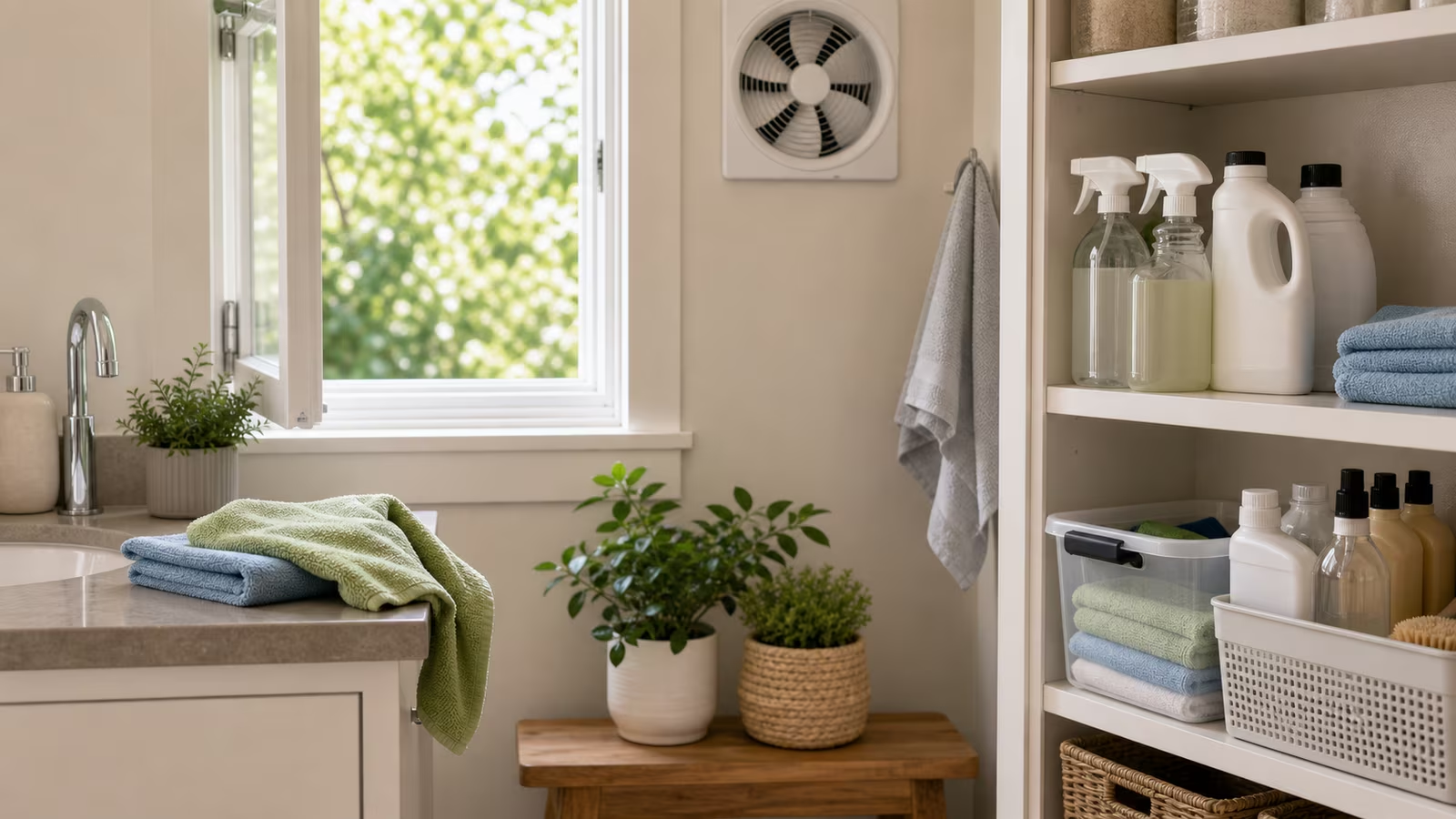
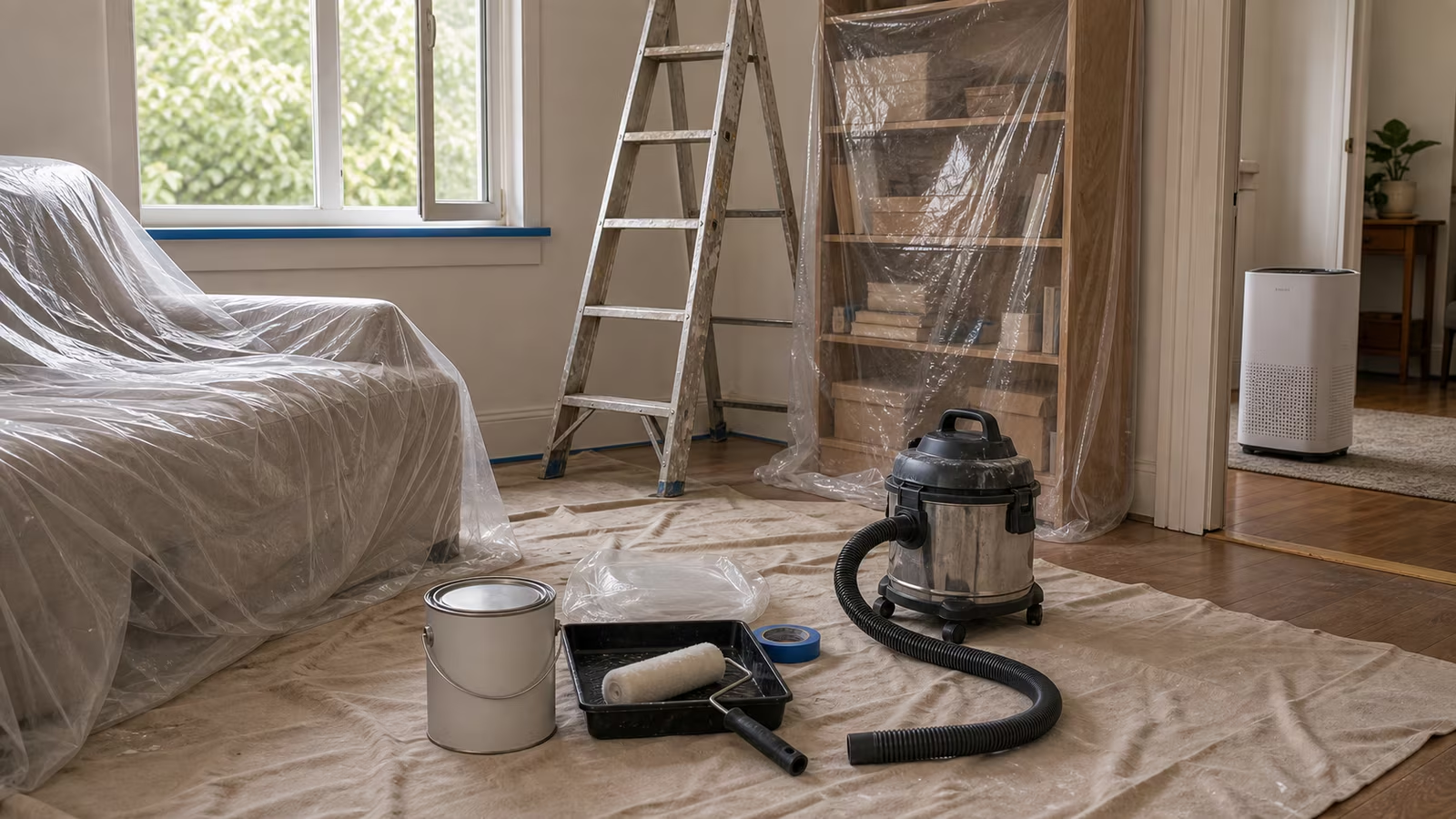
If cleaning products are the other scented source in your home, the cleaning products and fresh air guide handles that category, and after painting, sanding, or new furniture the paint, renovation, dust, and new-furniture guide covers the stronger vapors those jobs release.
This guide follows the broad hierarchy shared by EPA and CDC resources: reduce sources, ventilate with clean outdoor air, filter, control moisture, and maintain. It is practical education, not medical advice, diagnosis, or remediation, and it makes no promise that any room is free of every hazard. When there is a carbon monoxide risk, a fuel-burning appliance acting up, extensive visible mold, or another serious event, stop improvising and turn to alarms, official testing, and qualified help, following local public health guidance.