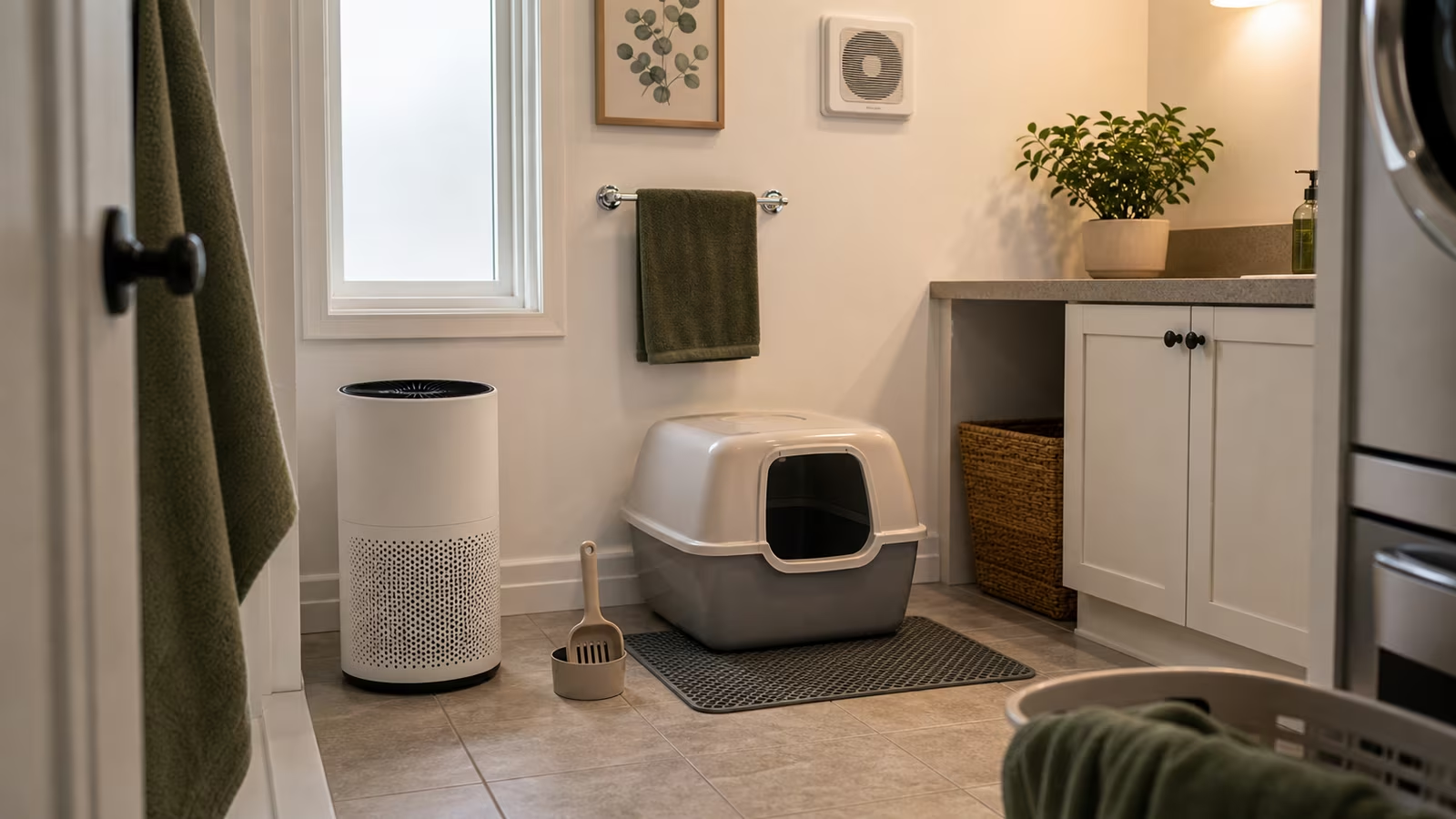
A litter box tucked into a small bathroom, a laundry nook, or a hall closet concentrates two different problems in a tiny volume of air: dust from the litter itself and odor from what the box is for. Because the space is small, both feel stronger than they would in a large room, and the instinct is often to reach for a scented product to cover the smell. That instinct treats the symptom and skips the two things that actually help, which are controlling the dust at its source and moving the air through and out of the room.
The reason a small room punishes these problems is simple: less air means less dilution. Every scoop, every time a cat digs in, sends a puff of fine mineral dust into a space that has nowhere for it to spread, so it settles on the sink, the floor, and any laundry nearby, and lifts again with the next disturbance. The same smallness works in your favor once you stop adding sources and start giving the air a way to leave. This guide keeps dust control and odor separate on purpose, because the moves that fix one are not the moves that fix the other.
The Dust Is Mostly A Litter Choice
The largest lever on litter dust is the litter and how you handle it, not any device. Dustier clay-style litters release a visible cloud when poured and scooped; lower-dust formulations and larger-granule products release far less. Pouring slowly and close to the box rather than from height keeps the cloud down, and scooping gently instead of sifting hard does the same. None of this requires a purchase beyond the litter you were already buying; it is a change in product and technique that removes dust before it is ever airborne, which is always cheaper than catching it afterward.
Where the dust lands matters as much as how much there is. A washable mat in front of the box catches tracked granules and the dust that clings to them, and it can go straight into the wash instead of being swept into the air. Hard floors wipe clean; a small rug in a litter nook becomes a dust reservoir that puffs with every step. Wiping nearby surfaces with a damp cloth rather than a dry duster picks dust up instead of relaunching it. These small surface habits do more for a tight room than any gadget, because they stop the settle-and-relaunch cycle that keeps the same dust in the air for days.
Odor Is A Cleaning-And-Airflow Problem
Odor answers to a different set of moves, and covering it with fragrance is the one that helps least, since it adds compounds to a small space while leaving the source in place. The real controls are frequency and ventilation: scooping often, changing the litter on a sensible rhythm, and washing the box itself periodically remove the odor at its origin, and moving air carries away what remains. A scented cover-up on an unscooped box just makes a small room smell like two things at once.
Ventilation is where a small bathroom or laundry nook has a hidden advantage, because it often already has an exhaust fan. That fan, run long enough and vented truly outside rather than into a wall cavity, pulls odor and moisture out of the space instead of stirring them around. Run it during and well after cleaning, not just for a minute. If the nook has no fan, a cracked window on a mild day or simply leaving the door open so the air is not trapped will help far more than any spray. The goal is a room whose air leaves, not a room whose air merely smells different.
Watch The Moisture, Especially In A Bathroom
Putting a litter box in a bathroom adds a quiet complication: bathrooms are humid, and damp litter clumps, smells worse, and can encourage mold on nearby surfaces. The same exhaust fan that handles odor also handles the shower moisture that would otherwise settle into the litter area, so running it consistently does double duty. Keep the box out of the direct splash zone, watch for condensation on the wall behind it, and if the corner stays damp, treat that as a moisture problem to solve at its source rather than something to perfume over. A few dollars spent on a humidity gauge tells you whether the nook is drying out between uses or holding water.
Where A Purifier Fits, And Where It Doesn’t
A small air purifier can genuinely help with the fine litter dust that stays airborne, but only if it is placed with the room’s smallness in mind. In a tight space, position is everything: the unit needs clear air around its intake, it should sit near the box but out of the splash and kick zone where granules or water would foul it, and it should never be crammed into a corner where it breathes its own exhaust. Because these rooms are so constrained, working out the one spot that actually circulates the air is worth doing deliberately, and the purifier placement planner is built for that decision, helping you find a location that clears the dust without putting the machine in the way of the door, the laundry, or the litter itself.
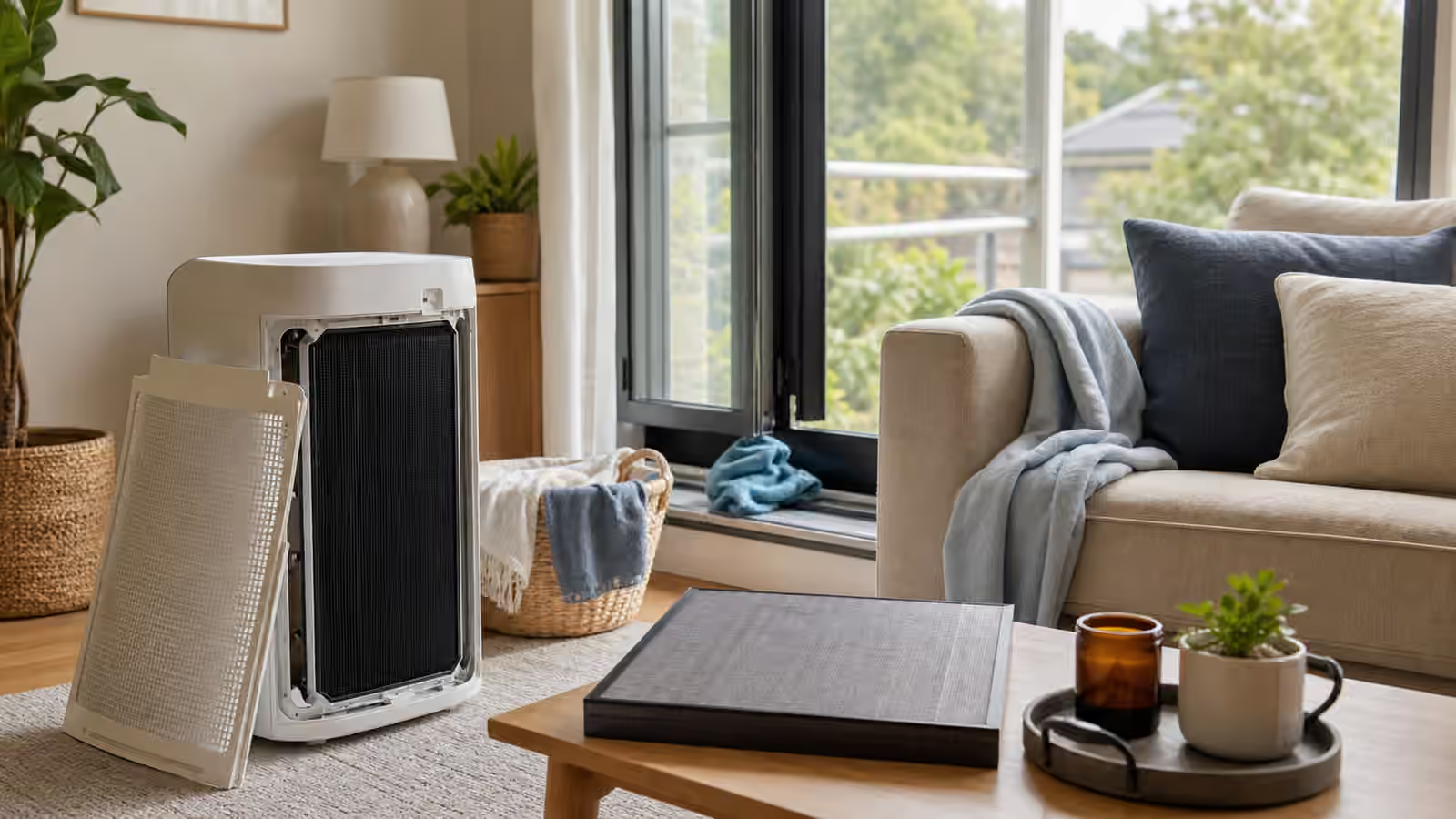
Be clear about the division of labor, though. The purifier is a helper for airborne dust, not a solution for odor or moisture, and it cannot compensate for a box that is not scooped or a fan that is not run. Filtration sits at the end of the sequence, after you have chosen a low-dust litter, set up a washable mat, and given the room a way to vent. A purifier asked to do all of that alone in a small room will run its filter down fast and still lose, because the sources never stopped.
A Small Room That Stays Manageable
The version of this that holds up over months is unremarkable: a lower-dust litter poured gently, a scoop-and-wash rhythm that fits your schedule, a washable mat that goes in the laundry, an exhaust fan actually used, and a well-placed purifier quietly handling the dust that escapes. Fragrance, if you want it at all, comes last and stays optional, because the room is already handled by the steps that address the source and the air. Keep a filter date on the purifier and a wipe-down in your cleaning routine, and the nook stays livable without a constant battle.
For the broader question of cat and dog allergens beyond the litter area, the pet dander without blame guide continues this thread, and if the damp side of a small room is your main worry, the humidity sweet spot guide covers where to keep indoor moisture.
This guide follows the broad hierarchy shared by EPA and CDC resources: reduce sources, ventilate with clean outdoor air, filter, control moisture, and maintain. It is practical education, not medical advice, diagnosis, or remediation, and it makes no promise that any room is free of every hazard. If you find extensive mold, a persistent damp problem you cannot trace, or another serious issue, stop improvising and bring in qualified help, following local public health guidance.