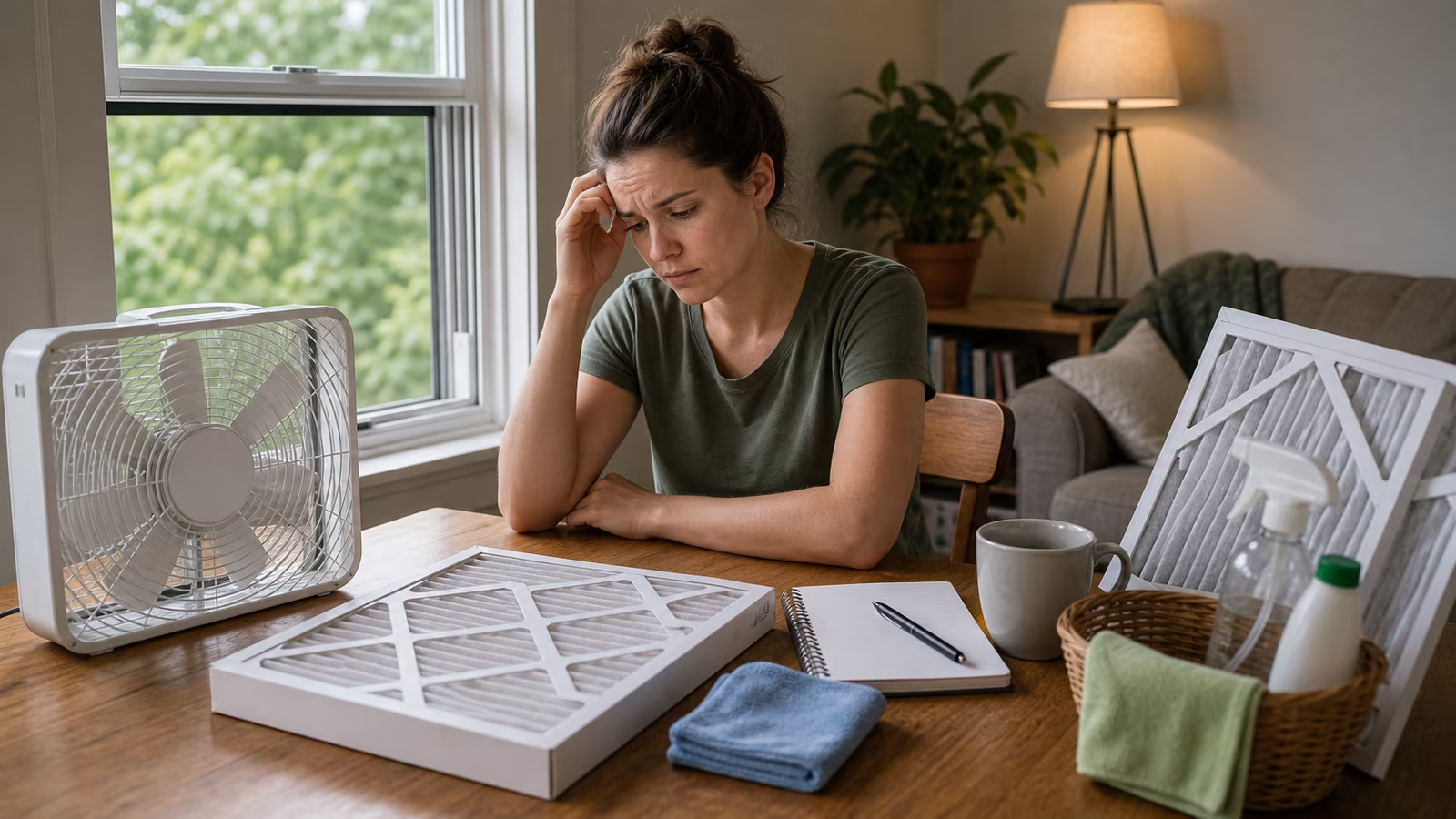
The worst time to shop for clean-air supplies is the moment you need them. When a wildfire-smoke plume settles over a region, the right filters and masks vanish from local shelves and online sellers within a day, and prices for whatever remains climb fast. When a humid stretch turns a closet musty, the useful move is a reading you can take now, not a next-week delivery. A clean-air kit is simply the small collection of supplies that lets you respond in an hour instead of a week, assembled calmly and cheaply while nothing is wrong.
The point of a kit is not to hoard gear or to buy every gadget a store recommends. It is to keep on hand the few durable, inexpensive things that a real event will demand and the market will not have. Think of it the way you think of spare fuses or a flashlight with working batteries: unglamorous, occasionally decisive, and worth far more for being ready than for being fancy. A good kit is boring, and that is exactly why it works.
Spare Filters Are The Heart Of It
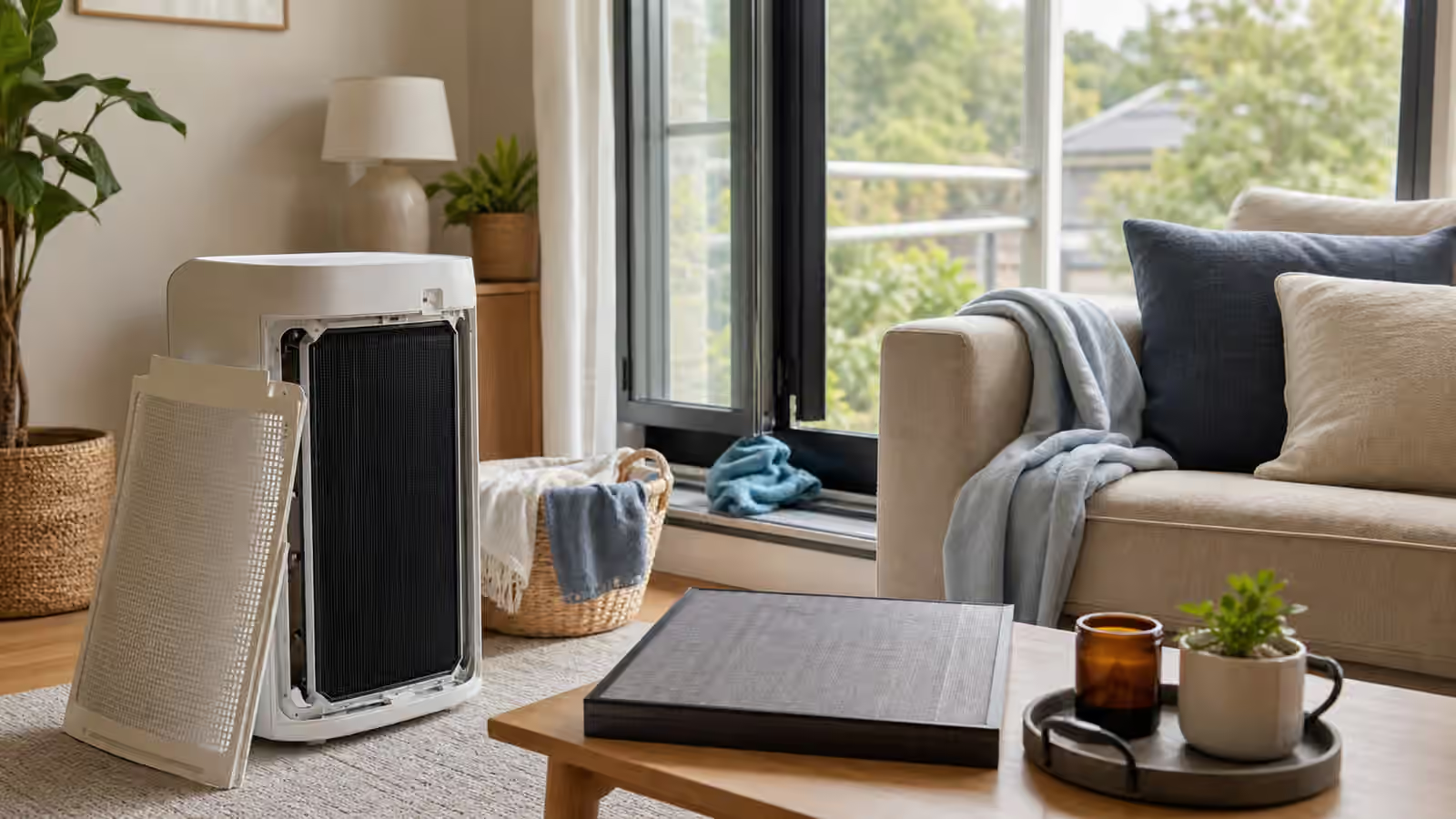
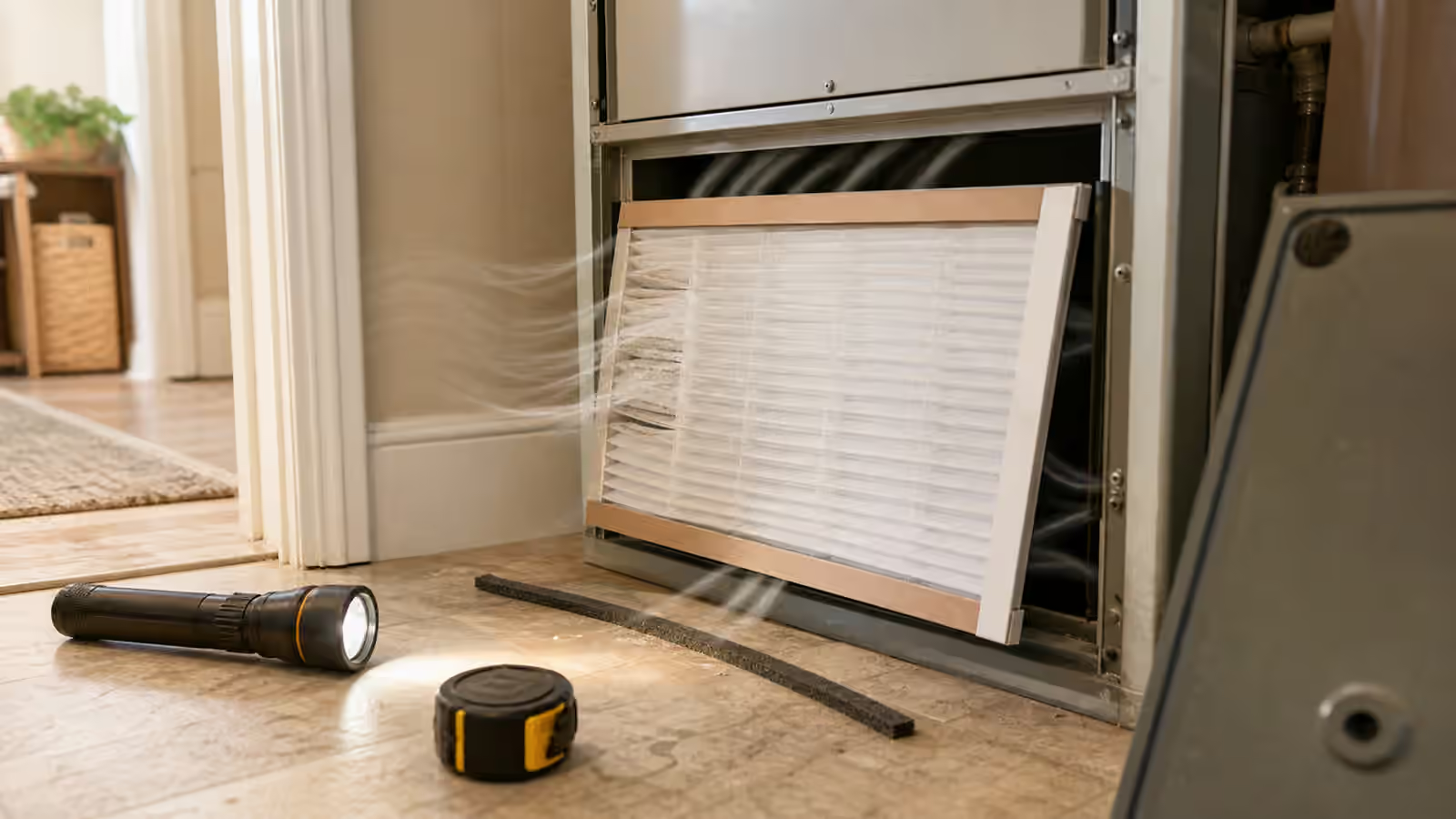
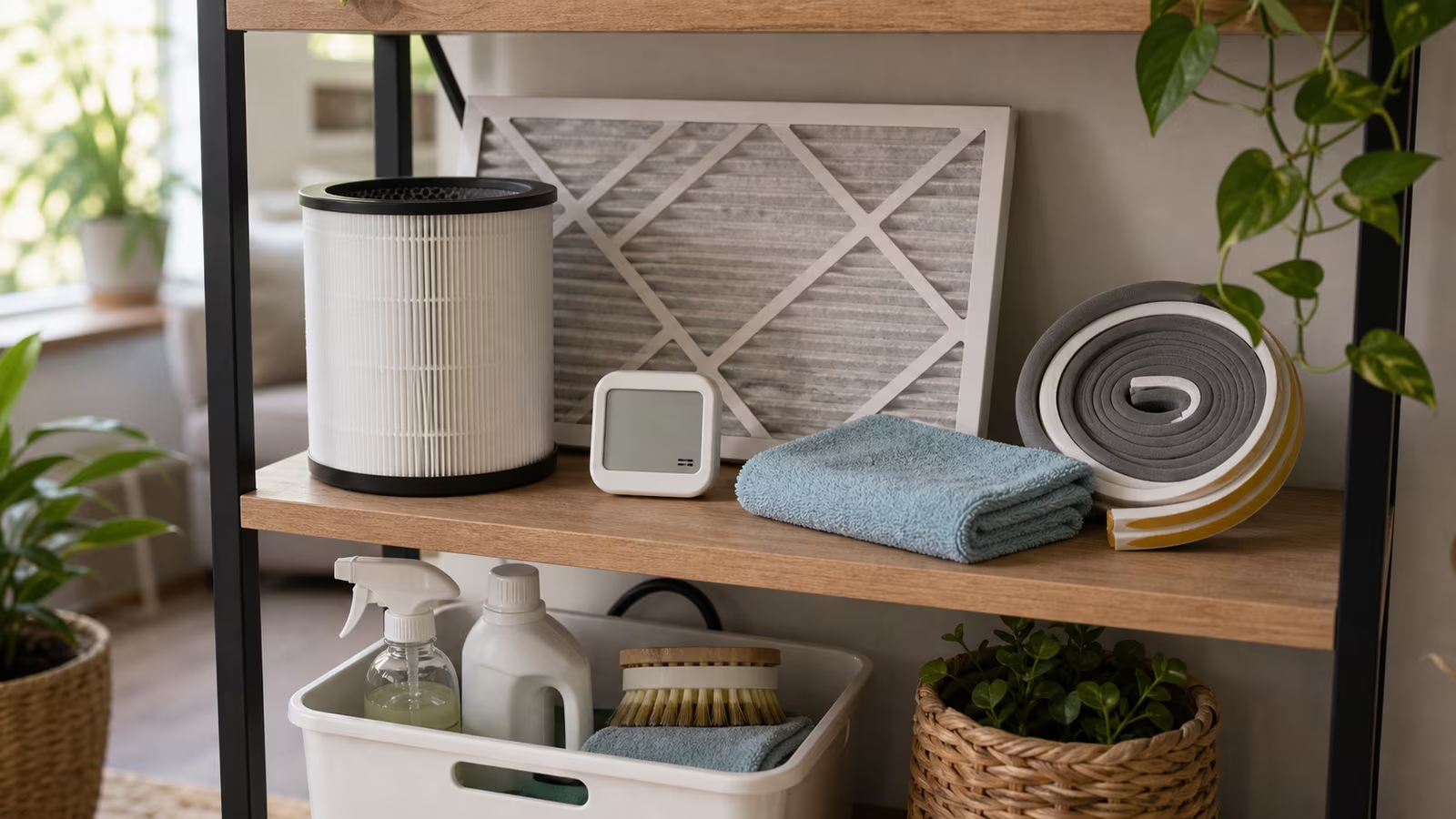
The single most valuable item to stock ahead is the replacement filter your equipment already uses, because it is the thing that runs out at the worst moment and disappears from shelves fastest during smoke season. Keep at least one spare purifier filter for each unit you own, and a spare furnace filter in the size your central system takes. A purifier with a clogged filter and no replacement is just a fan during the exact week you needed filtration most, and a furnace filter you cannot buy during a smoke event leaves the whole-home path compromised.
Buy these while supply is normal and store them flat and sealed so they stay clean. Note the model or size on the box so a stressed future version of you does not have to decode it. This is also the least wasteful stocking you can do, because these filters get used eventually regardless; you are pre-buying an inevitable purchase and pinning its availability, not accumulating something that will expire on a shelf.
Measurement And Sealing Supplies
A humidity gauge belongs in every kit because moisture problems announce themselves as vague smells rather than obvious readings, and a few dollars of measurement turns a guess into a fact. Keep one, and ideally place a second in a room you worry about, so that when a space feels damp you can tell whether it truly is or whether the smell is misleading you. Measurement before machinery is the rule, and the gauge is the cheapest measurement you will ever make.
A roll of painter’s tape earns its place too. During a heavy smoke event, temporarily sealing the gaps around a leaky window or door reduces how much outdoor air sneaks in, and painter’s tape does this without damaging the paint when you remove it later. A few microfiber cloths round out the sealing-and-cleaning side: damp-wiping surfaces picks up settled particles instead of relaunching them, which dry dusting tends to do. None of this is expensive, and all of it is the sort of thing that is impossible to find quickly when a whole city needs it at once.
Masks, And Being Honest About Them
A small supply of well-fitting N95-style respirators is worth keeping for the times when the indoor air is compromised despite your best efforts, or when you have to step outside during a smoke event. Store a few in their packaging so they stay clean and keep their shape. The honest caveat is that a mask helps in proportion to its fit: it works when it seals against the face, and a loose one leaves gaps that let particles around the edge. Choose sizes that actually fit the people in your home, and understand that a respirator is a stopgap for bad moments, not a substitute for cleaner indoor air.
A Written Plan Beats A Bigger Box
The most overlooked item in a clean-air kit is not a product at all; it is a small notebook or card with your plan already worked out. During an event, decisions get made under stress, and a plan written in advance keeps you from improvising badly. Note which room becomes the cleaner-air room, where the purifier goes, which windows to seal, and what your local sources are for checking outdoor conditions. Record your filter sizes and the date you last changed each one, so restocking and maintenance are a glance rather than an investigation.
Working that plan out ahead of time is where the smoke-day plan builder helps most: feed it your rooms and equipment on a calm day and it produces the sequence of moves to make when air quality drops, which you can copy onto the card in your kit. A plan decided in advance and stored with the supplies turns a scramble into a checklist, and a checklist is what you actually want when the sky turns orange and everyone is asking what to do.
Match The Kit To Your Actual Risks
A kit should reflect the home it serves rather than a generic list. A household in a wildfire-prone region weights it toward smoke: extra filters, masks, sealing tape, and a clear cleaner-air-room plan. A home in a humid climate leans toward moisture: gauges in the rooms that trend damp and a clear sense of where water tends to collect. A home with pets or heavy pollen seasons keeps washable mats and spare filters closer to hand. The categories do not mix into one universal solution, so build for the events your location and household actually face rather than the longest list you can find.
Resist the pull toward hype while you assemble it. A kit does not need a device that claims to handle particles, gases, moisture, and odors at once, and it should not include ozone generators sold as air cleaners. The strongest kit is a short stack of proven, plain items, chosen because each one does a specific job you can name, kept where you will find it. If a product’s pitch sounds like a cure-all, it does not belong in a kit built for calm, reliable response.
Keep It Current
A kit only works if it stays real, so give it a quick seasonal check. Confirm the spare filters still match your equipment, that the gauge still reads and its battery is alive, that the masks are intact in their packaging, and that the plan card reflects your current rooms and local conditions. Rotate a stocked filter into use before it has sat too long, and replace what you use so the kit is never quietly empty. Ten minutes twice a year keeps the whole thing trustworthy.
For the spending logic behind these choices, the budget clean-air plan guide covers where a dollar buys the most cleaner air, and the Clean Air Society quickstart sets up the room-by-room habits the kit supports.
This guide follows the broad hierarchy shared by EPA and CDC resources: reduce sources, ventilate with clean outdoor air, filter, control moisture, and maintain. It is practical education, not medical advice, diagnosis, or remediation, and it makes no promise that any home is free of every hazard. A kit prepares you for common events; when there is a carbon monoxide risk, a fuel-burning appliance problem, extensive mold, or another serious situation, rely on dedicated alarms, official testing, and qualified help, following local public health guidance.