Cooking is one of the largest particle sources most homes ever generate, and it is also the one nobody wants to give up. Searing a steak, blistering peppers, toasting spices in hot oil, or running the broiler releases a burst of fine particles and grease vapor that hangs in the air, drifts into the next room, and settles onto cabinet fronts as a faint sticky film. The good news is that dinner smoke is predictable. It starts in one spot, it peaks at a known moment, and it responds to a handful of ordinary moves that cost nothing once the habit is in place. The goal here is not a spotless laboratory kitchen. It is a way to cook the food you like without the whole apartment smelling like it for two days.
Capture The Plume Where It Starts
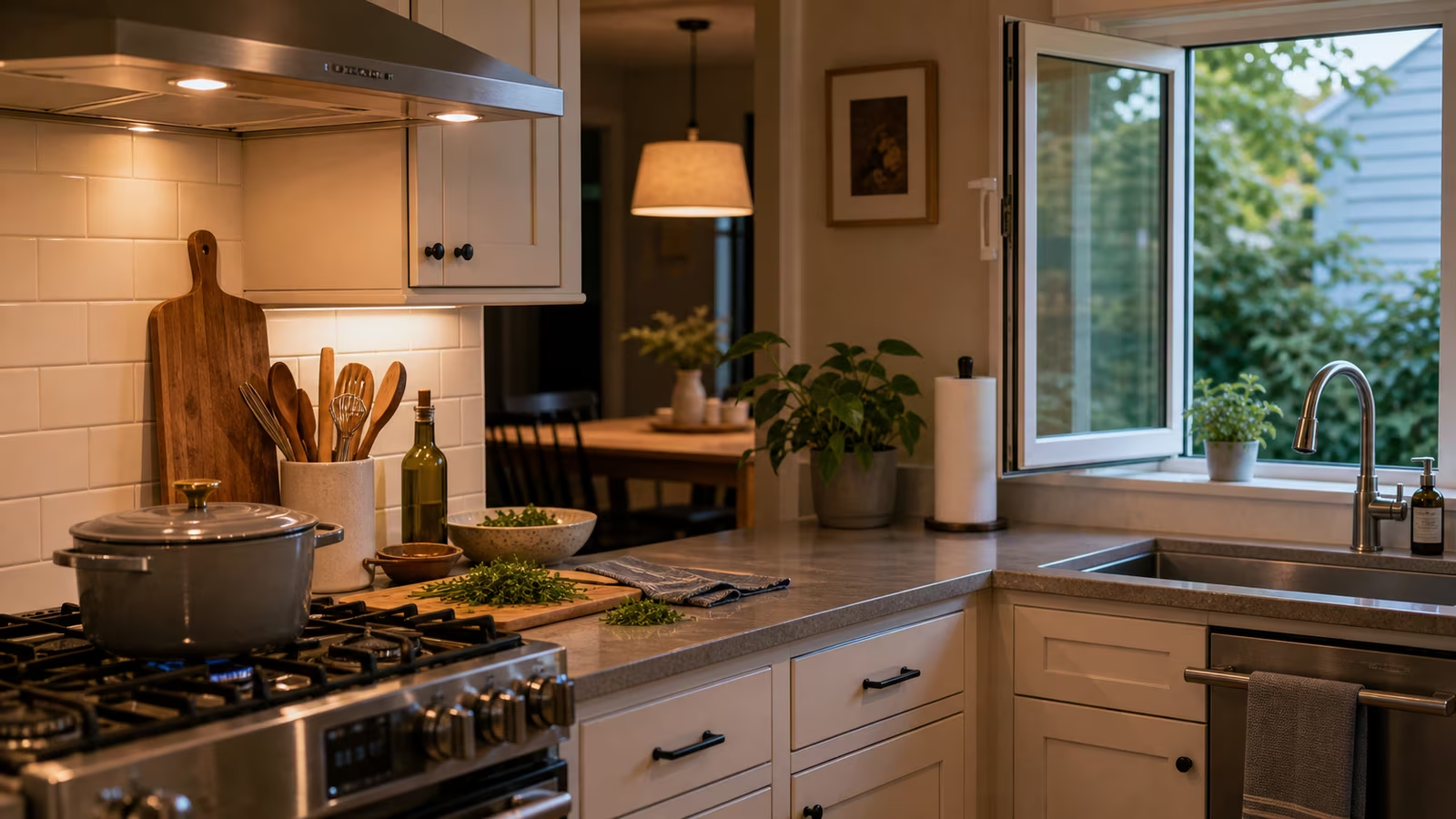
The single most useful thing you can do happens at the pan, not in the room. Smoke and grease vapor rise in a narrow column directly above the hot surface, and that column is easiest to catch in the first second, before it spreads and cools and mixes into the whole kitchen. Turn the range hood on before the oil starts to shimmer, not after the alarm chirps. If your stove has a back burner, favor it, because most hoods pull far more effectively from the rear of the cooktop than the front. A lid or a splatter screen keeps oil droplets from becoming airborne in the first place, and a slightly lower flame with a little more patience produces less smoke than a screaming-hot pan you are trying to rescue.
It helps to know what kind of hood you actually have. A ducted hood carries the plume outside, which is what you want. Many apartments and some newer builds have a recirculating hood instead: it pulls air through a charcoal pad and blows it back into the room, which traps some grease and odor but does nothing for the moisture and little for the finest particles. If your hood vents back at you, its filter only works when it is clean, so degrease the metal baffle regularly and replace the charcoal insert on the schedule the manual gives. A hood that has never had its filter touched is mostly noise.
Ventilation During And After
Capture handles most of the plume; ventilation clears what escapes. When the outdoor air is reasonable, cracking a window near the kitchen while you cook gives the hood makeup air to draw and gives the room a path to flush the haze that drifted past the pan. In a tight home you may notice the hood works better with a nearby window open, because it finally has somewhere to pull air from. If the outdoor air is smoky, thick with pollen, or heavy with traffic, keep the windows shut and lean harder on capture and filtration instead; on wildfire days the advice in keeping a clean room on smoke days takes priority over airing out the kitchen. When you want to think through the tradeoff between opening up and sealing off for a given cooking session, the Ventilation and CO2 Helper turns it into a short worksheet rather than a guess.
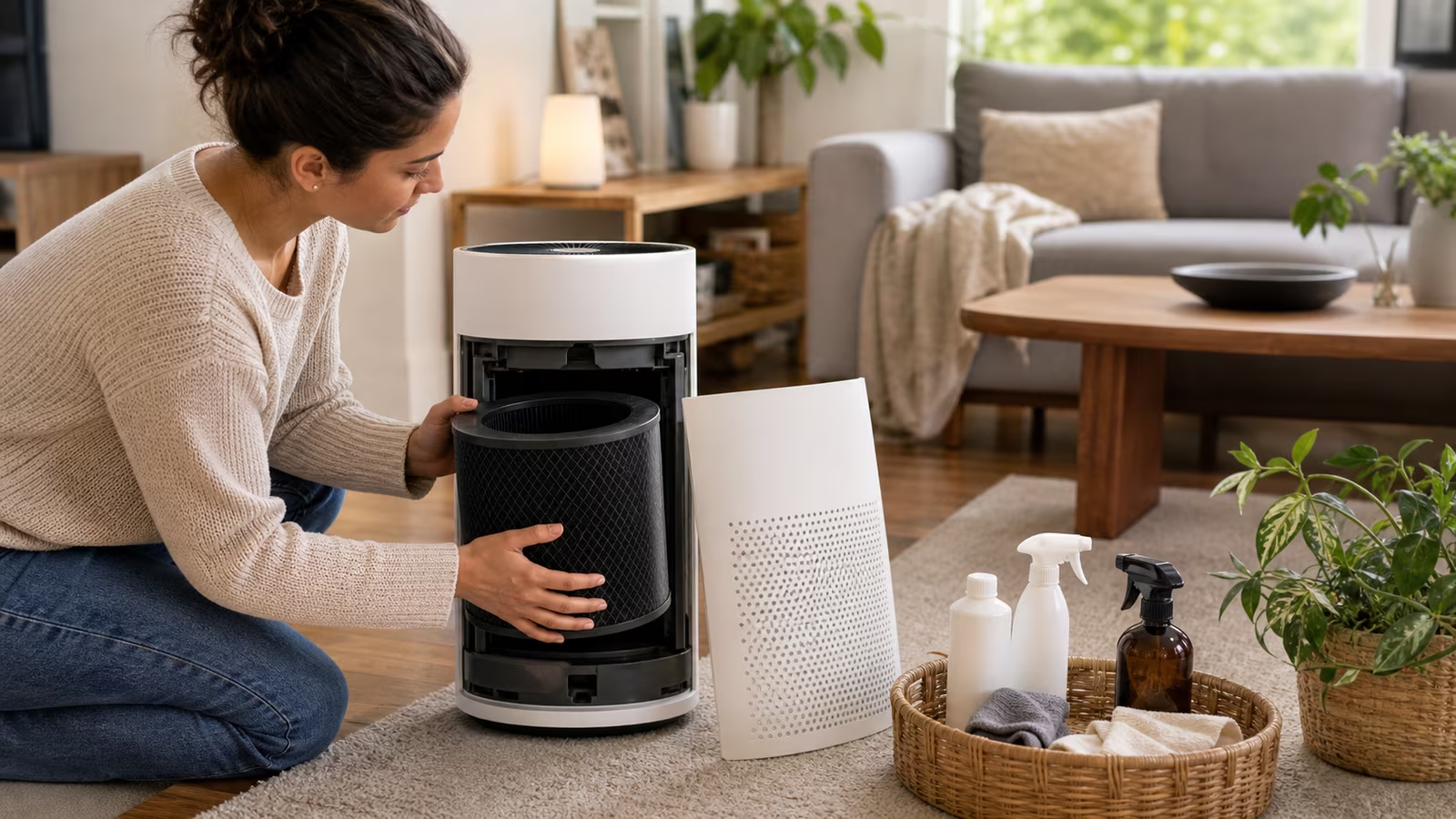
Run the exhaust past the finish line. Particles and moisture linger after the burner is off, so leaving the hood going for ten or fifteen minutes after you plate the food does more than turning it off the instant you are done. The same is true of a purifier: bump it to a higher speed during and just after cooking, then let it settle. Place the unit where it can actually pull room air, a few feet from the cooking zone but out of the direct grease splatter path, so its filter is cleaning air rather than collecting a fatty coat on the pre-filter.
Grease, Film, And The Smell That Stays
The lingering dinner smell that greets you the next morning is usually not floating in the air anymore. It has landed. Grease vapor condenses on cool surfaces, and the resulting thin film on cabinet doors, the wall behind the stove, the range hood itself, and nearby fabric holds odor and keeps releasing it slowly. That is why spraying an air freshener feels like it works for ten minutes and then the smell returns: you perfumed the air and left the source on the wall. Wiping down the splash zone and hood surfaces while they are still warm, before the film hardens, removes the reservoir instead of masking it. Kitchen textiles matter too. Curtains, a cloth over a chair, and dish towels soak up cooking odor, so laundering them is part of clearing the smell, much the way soft surfaces hold particles in everyday dust control .
When Cooking Is More Than A Smell
There is a real safety line worth naming, because a gas or propane cooktop is a combustion appliance, not just a heat source. Gas burners and gas ovens produce carbon monoxide and nitrogen dioxide along with the food smells, which is a strong reason to run the hood every time you use them, not only when something scorches. A working carbon monoxide alarm near sleeping areas is not optional in a home with any fuel-burning appliance, and it is a genuine detector, not something a purifier or air monitor replaces. If a gas flame burns lazy and yellow instead of crisp and blue, if you smell gas, if a pilot keeps going out, or if anyone in the home gets headachy, dizzy, or nauseated in a way that eases when they leave the room, treat that as an appliance and safety problem to escalate, not a ventilation tweak. This applies to secondhand cooking smoke drifting between units as well; if a neighbor’s kitchen is the source, the practical path in a shared building is documentation and the property manager rather than a stronger air freshener.
A Routine You Will Keep
Put the whole thing together and it is short. Hood on before the oil heats, back burner when you can, lid or screen against splatter, a window cracked when the outdoor air allows and shut when it does not, purifier up during the messy part, exhaust left running a while after, and a quick warm wipe of the splash zone so the film never builds. Launder the kitchen textiles on the same rhythm as the rest of the wash. None of it makes dinner stressful once it becomes muscle memory, and all of it beats chasing the smell after it has already spread and settled.
Keep the honest boundary in view. This is practical education, not medical advice, and no kitchen routine can diagnose symptoms or guarantee a room is safe. Carbon monoxide, a malfunctioning gas appliance, persistent mold behind a leaking dishwasher, a chemical spill, or building-level ventilation problems are jobs for alarms, qualified technicians, and your local public health guidance, not for a fan and a filter alone.