A dehumidifier is one of the most useful appliances you can put in a damp room, and also one of the most misunderstood. It does exactly one thing well: it pulls water vapor out of the air and collects it as liquid, lowering the relative humidity of a space that runs muggy. What it cannot do is stop water from getting into the room in the first place. That distinction is the whole guide. Bought and placed with the right expectations, a dehumidifier turns a clammy basement into a comfortable one and keeps a closet from smelling like a cave. Bought as a substitute for fixing a leak, it becomes an expensive machine quietly working against a problem that will always win.
Measure Before You Buy
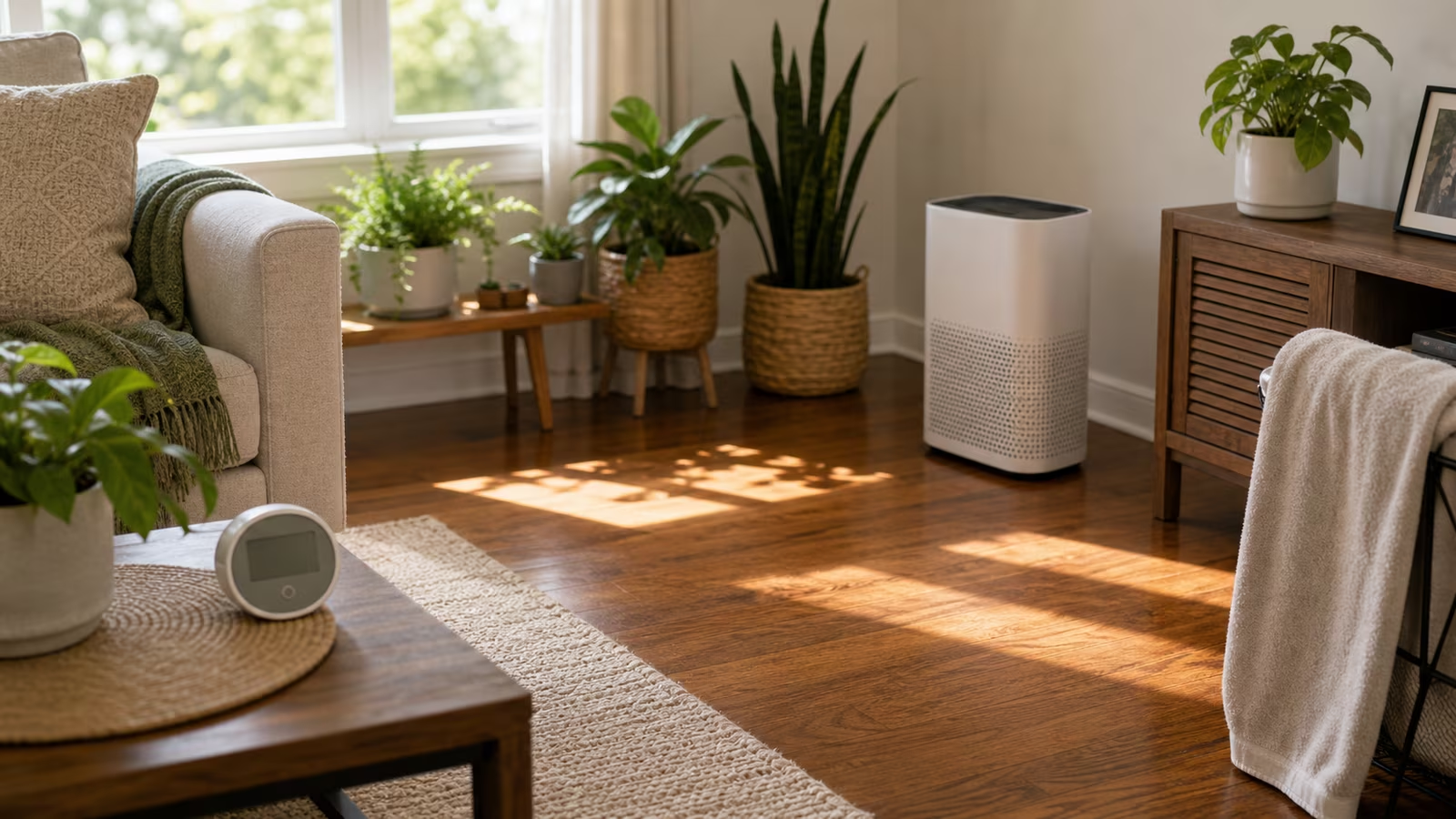
Dampness is easy to feel and hard to guess accurately, so the first purchase is not the machine, it is a cheap hygrometer that reads the relative humidity in the room. Most homes are comfortable and discourage mold growth somewhere in the range of roughly forty to sixty percent, and the companion guide on the indoor humidity sweet spot walks through why the extremes in either direction cause trouble. Set the gauge in the room that bothers you and watch it for a few days across different weather. A basement that reads sixty-five percent on a humid afternoon and drops overnight is telling you something different from one that sits high around the clock, and both are different from a closet that only turns musty after laundry piles up in it. A dehumidifier chases that number down toward your target; without the number you are guessing at both whether you need one and whether it is working.
While you watch the gauge, look for where the water is coming from. Steady dampness usually has a physical source: a foundation that wicks groundwater, a bathroom with no working exhaust fan, drying laundry indoors, a cold pipe or wall that condensation beads on, or an actual leak. A dehumidifier lowers the moisture load in the air, which genuinely helps with the diffuse dampness of a below-grade room. It does not seal a crack, fix a grade that slopes toward the house, or replace a bathroom vent, and running one against an active leak just means emptying a tank forever while the wall stays wet.
Sizing, Placement, And Drainage
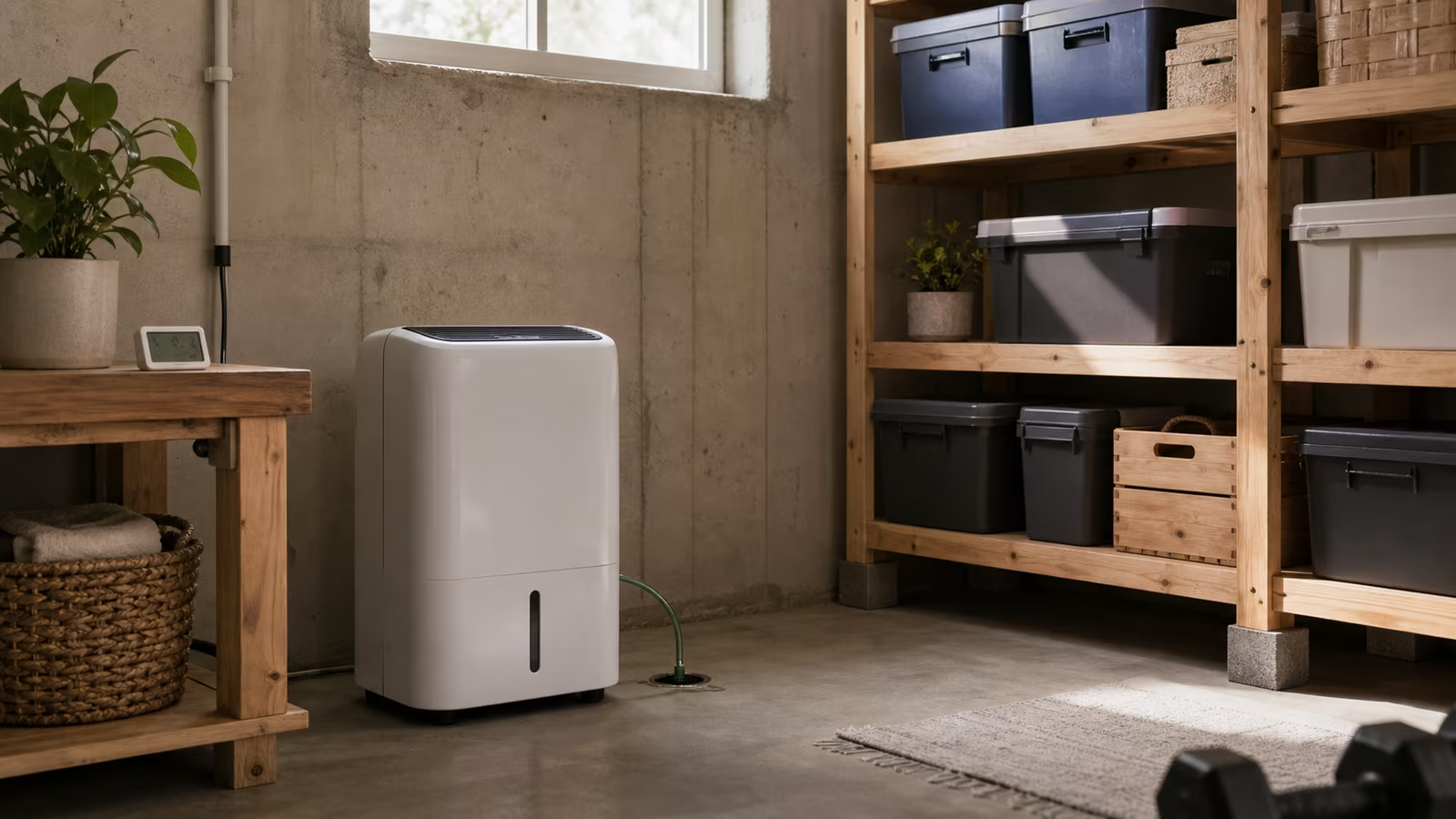
Dehumidifiers are rated by how many pints of water they remove per day, and the right size depends on the room’s volume and how damp it runs. An undersized unit in a large, wet basement runs constantly and never quite catches up; a reasonably sized one cycles and holds the room at your target with room to spare. Give it space to breathe, because it needs to pull air in one side and blow drier air out the other. Set it away from walls and furniture so the airflow is not choked, and in a large or divided space put it where the air can actually circulate rather than tucked in a far corner behind boxes.
Then decide how you will get rid of the water. Every dehumidifier fills a tank, and a tank you have to remember to empty is a tank that will overflow or sit full while the machine idles. If the unit sits near a floor drain or a sink, running a drain hose so it empties continuously removes the chore and keeps it working around the clock. If you rely on the tank, put it on a schedule you will actually keep. Cold rooms are worth a note: standard refrigerant dehumidifiers lose efficiency and can frost up in a chilly basement or garage, so in genuinely cold spaces look for a unit rated to run at low temperatures or a desiccant model designed for them.
Small Moves That Reduce The Load
A dehumidifier works less hard when the room gives it less to remove. Running the bathroom exhaust fan during and after showers, venting a clothes dryer outside rather than into the room, and drying laundry somewhere ventilated all cut the moisture at the source. Raising stored boxes off a cold concrete floor and leaving a gap behind bins against an exterior wall keeps damp air from pooling against surfaces where it condenses and breeds that musty smell. These habits are not glamorous, but they mean a smaller machine, a shorter runtime, and a lower bill, and they attack the problem in the same order the musty-smell triage guide recommends: find and reduce the water before leaning on the appliance. When you want that decision structured, the Humidity and Musty-Smell Triage walks you through what to measure and what to change first rather than jumping straight to a purchase.
Keep It From Becoming Its Own Problem
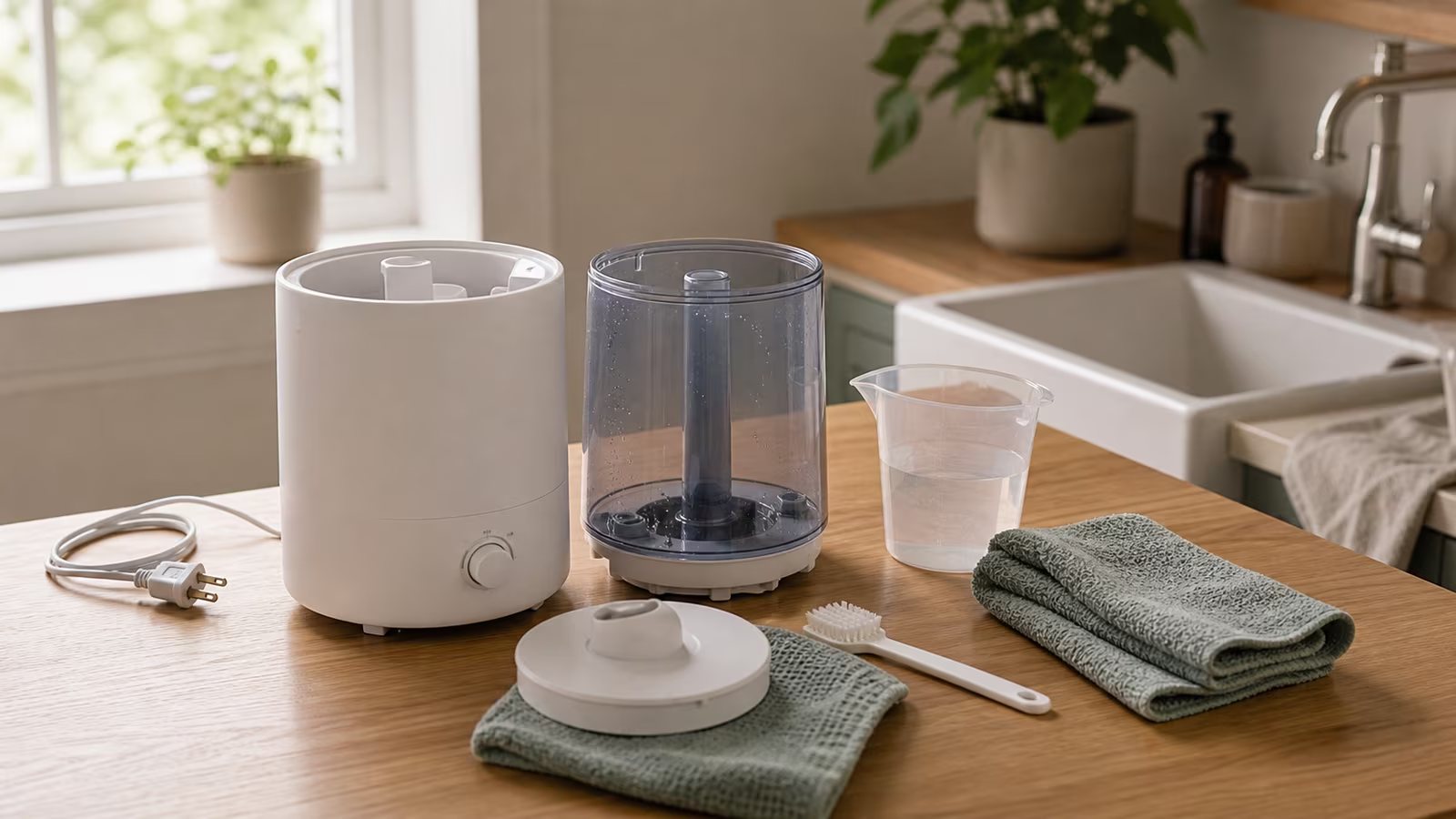
An appliance built around standing water needs upkeep, or it turns into a source instead of a fix. Empty and rinse the tank so it does not grow its own slime, and wipe or replace the small intake filter on the schedule in the manual so airflow stays strong. The same caution applies in reverse to humidifiers, which add moisture and can spray contaminants into the air if their reservoirs are neglected; the guide on safe humidifier use and cleaning covers that side of the moisture balance. Whichever machine a room needs, a dirty water tank is the fastest way to trade one air problem for another.
Where The Panic Should Turn Into A Call
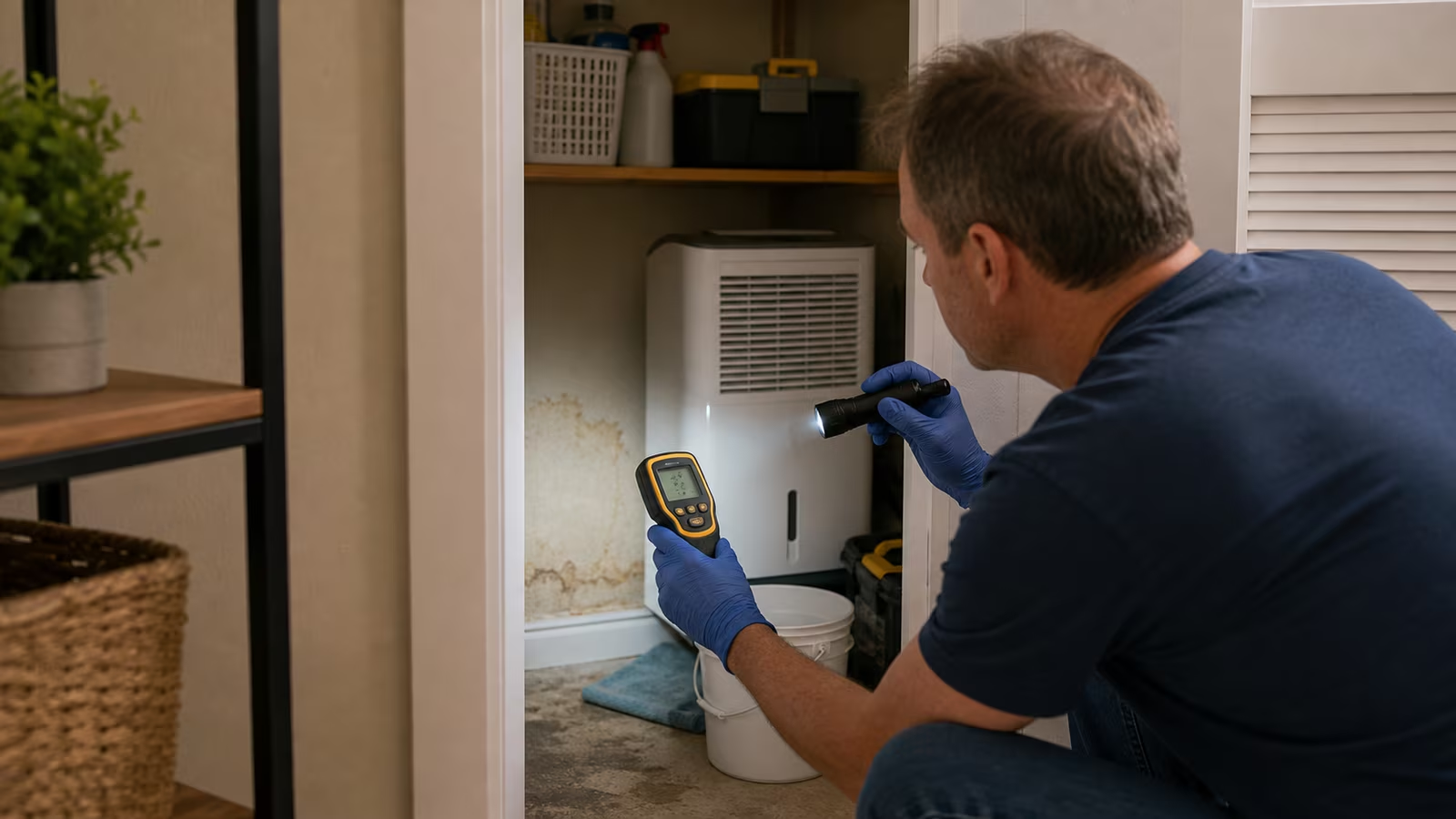
The phrase “without mold panic” is deliberate, because a musty smell or a summer’s worth of dampness is a maintenance issue, not an emergency, and a hygrometer plus a right-sized dehumidifier resolves most of it. What a dehumidifier cannot do is remediate mold that is already established or dry out a structure that keeps getting wet. Mold control starts with moisture control, so lowering the humidity is genuinely part of the answer, but if you find extensive visible mold, a persistent leak, standing water, or a stain that keeps coming back through a wall or ceiling, that is a repair-and-remediation job for qualified help, not something to run a machine at.
Hold the honest boundary. This is practical education, not medical advice, and no appliance can diagnose why a damp room bothers someone or guarantee that a room is safe. Escalate leaks, sewage, extensive mold, or structural water to professionals, keep a working carbon monoxide alarm if any fuel-burning appliance shares the space, and follow your local public health guidance for mold, chemical, radon, or building-safety concerns.