Most people fight dust the way it looks: a stripe of grey on a dark shelf, so out comes a cloth, and two days later the stripe is back. That cycle is frustrating because it treats the visible film as the problem when it is really just the receipt. Household dust is a slow, constant rain of fine particles, and what you wipe off a surface is a tiny fraction of what is riding the air, buried in the carpet, packed into the sofa cushions, and coating the tops of things you never look at. Dust control that actually changes a room does not chase the stripe. It shrinks the reservoirs the stripe comes from, so there is less to fall in the first place.
Understand What Dust Actually Is
Ordinary house dust is a blend, and knowing the mix tells you where to aim. A large share is shed skin and fibers from clothing, bedding, and upholstery; the rest is tracked-in soil and pollen, cooking residue, pet dander, and the fine outdoor particles that leak through windows and doors. That composition explains two things. First, fabric is not a victim of dust, it is a factory: every soft surface both sheds particles and stores them, then releases a cloud each time someone sits down or the blanket gets shaken out. Second, a lot of your indoor dust started outdoors, which is why the entry matters as much as the shelf. Wiping harder never addresses either of those, because the cloth only touches the smooth surfaces where dust has already landed and left everything airborne or embedded untouched.
Cut The Reservoirs, Not Just The Film
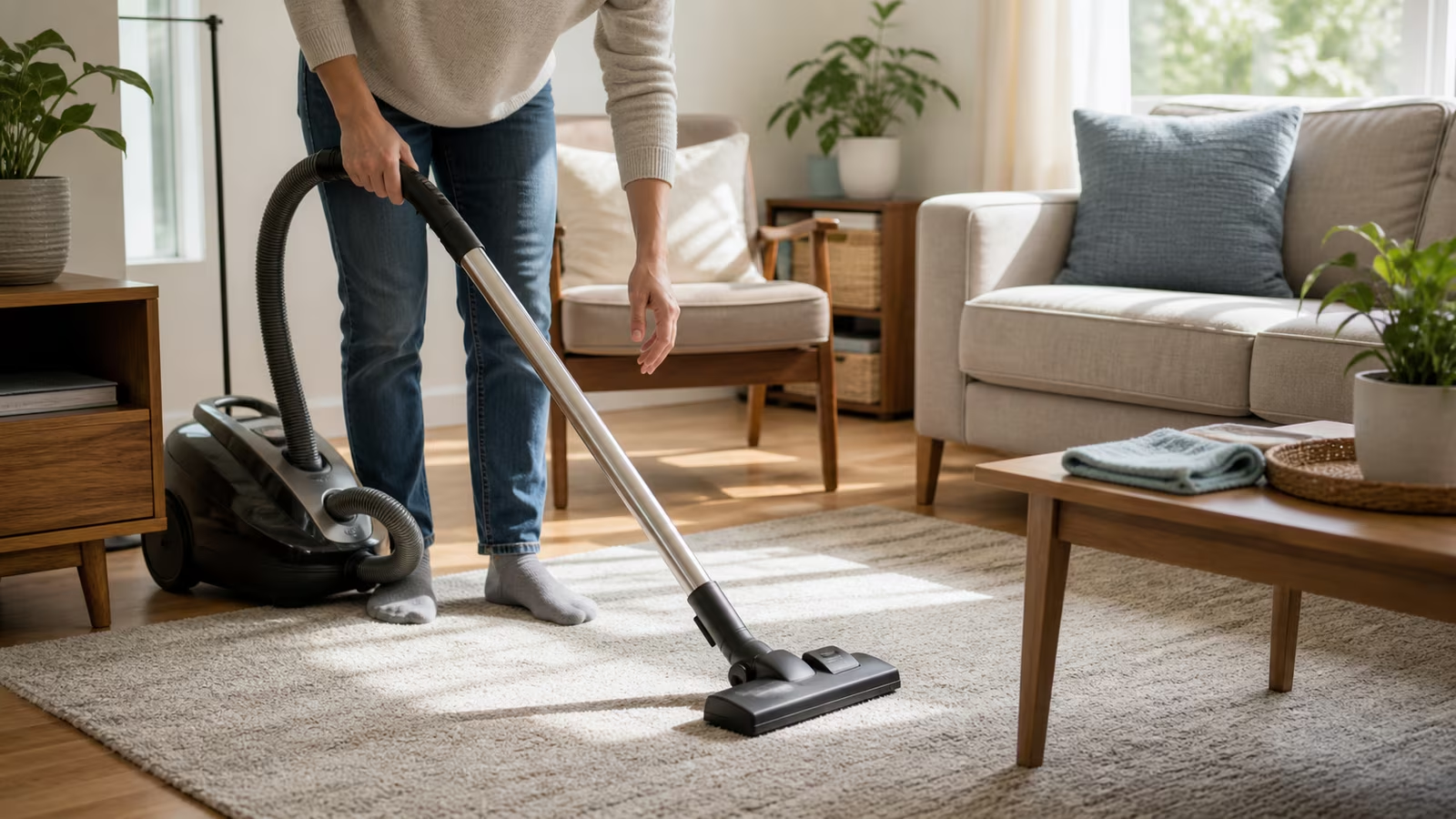
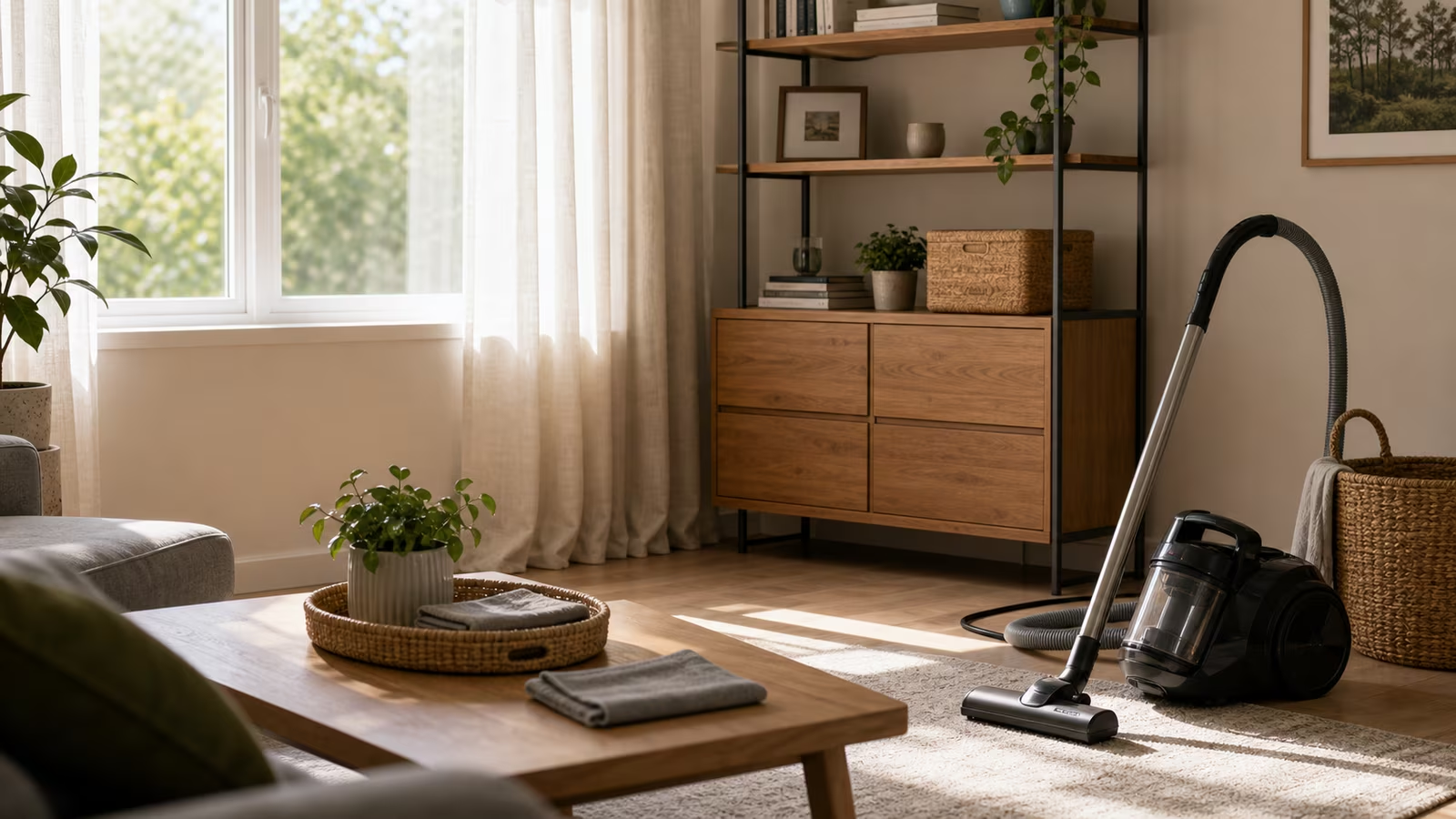
The biggest dust reservoirs in a home are the soft ones, so that is where a real reduction starts. Bedding, throws, cushion covers, and curtains hold and release enormous amounts of fine particles, and laundering them on a regular rhythm removes far more dust than any amount of surface wiping; the guide on dust mites, bedding, and soft surfaces goes deeper on the sleeping area specifically because it sits closest to your face for a third of the day. Floors are the second reservoir. Carpet stores dust and hands it back with every footstep, so it needs vacuuming with genuine capture rather than a machine that stirs the fine stuff back into the room. Hard floors are easier only if you lift the dust instead of sweeping it airborne, which means damp mopping or a microfiber pad that traps rather than a dry broom that launches.
How you clean matters as much as how often. A dry feather duster mostly relocates particles into the air, where they hang and resettle a few minutes later on the surface you just cleaned. A slightly damp microfiber cloth captures and holds them instead. Work top to bottom so that what you knock loose from a high shelf lands on surfaces you have not cleaned yet, and finish with the floor. A vacuum with a sealed HEPA-style filtration path keeps the fine particles it collects from blowing straight out the exhaust; a leaky vacuum is a dust redistribution machine. The entry deserves the same logic in reverse, catching outdoor particles before they spread inward, and during high-pollen weeks the pollen-season indoor routine tightens that further.
The Filter Is Doing More Than You Think
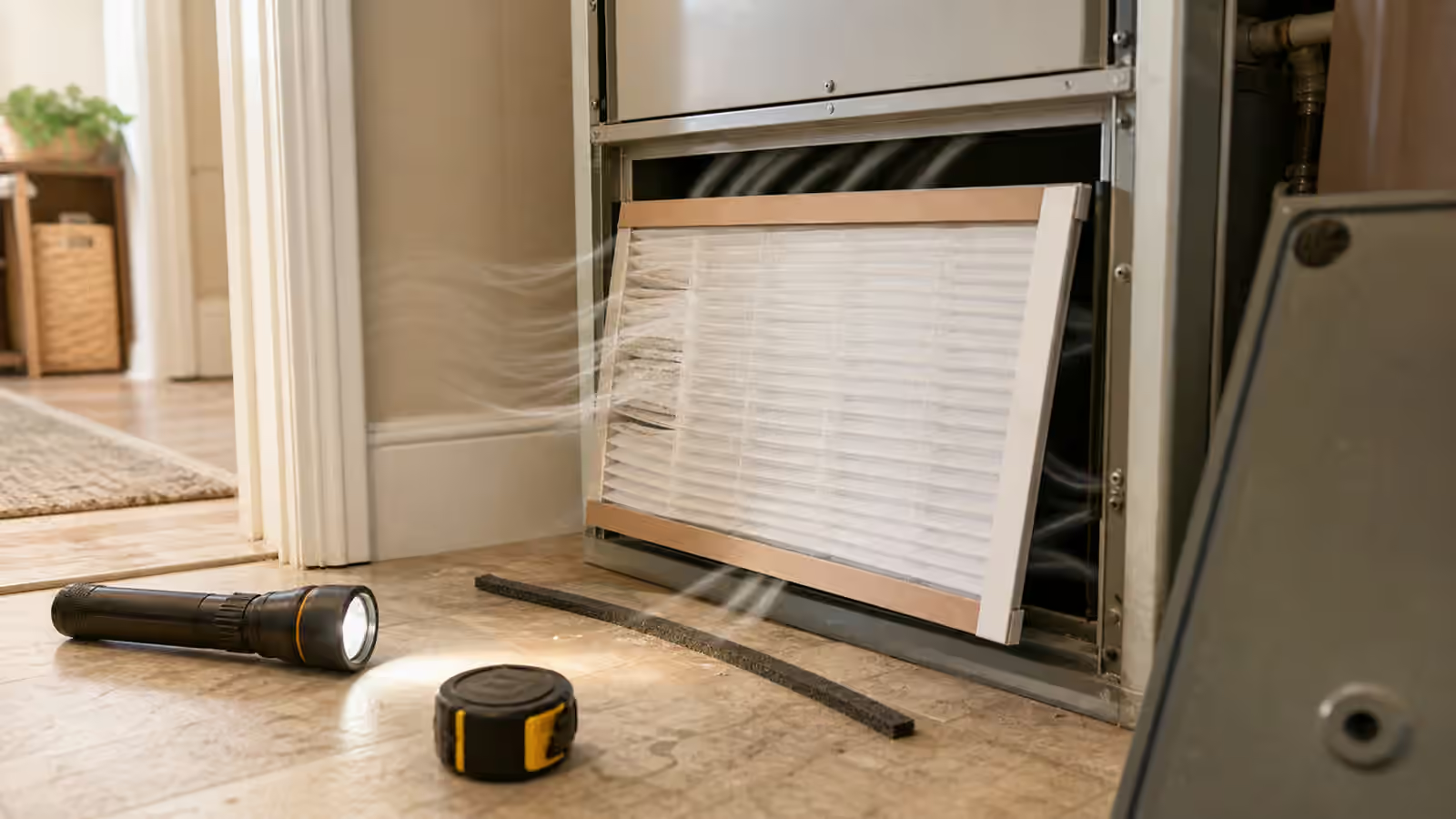
If your home has forced-air heating or cooling, its filter is quietly one of the biggest dust tools you own, because the system pulls the whole home’s air through it every time the fan runs. A clogged, cheap, or badly fitting filter undercuts all of it: air sneaks around the gaps, the fine dust sails through a coarse media, and the blower struggles. A filter with an appropriate efficiency rating for your system, sized to fit snugly with no bypass gaps, and changed before it packs solid keeps pulling particles out of circulation whenever the system runs. Two cautions keep this from backfiring. The filter only works while the fan is actually moving air, so on a mild day when the system barely cycles it is doing little, and running the fan in its continuous circulate mode can help a dusty room. And a filter that is too dense for what the blower was designed to push can starve the system, so match the filter to the equipment rather than grabbing the highest number on the shelf. The HVAC Filter Checker helps you sort the right rating, size, and change interval for your specific setup instead of guessing.
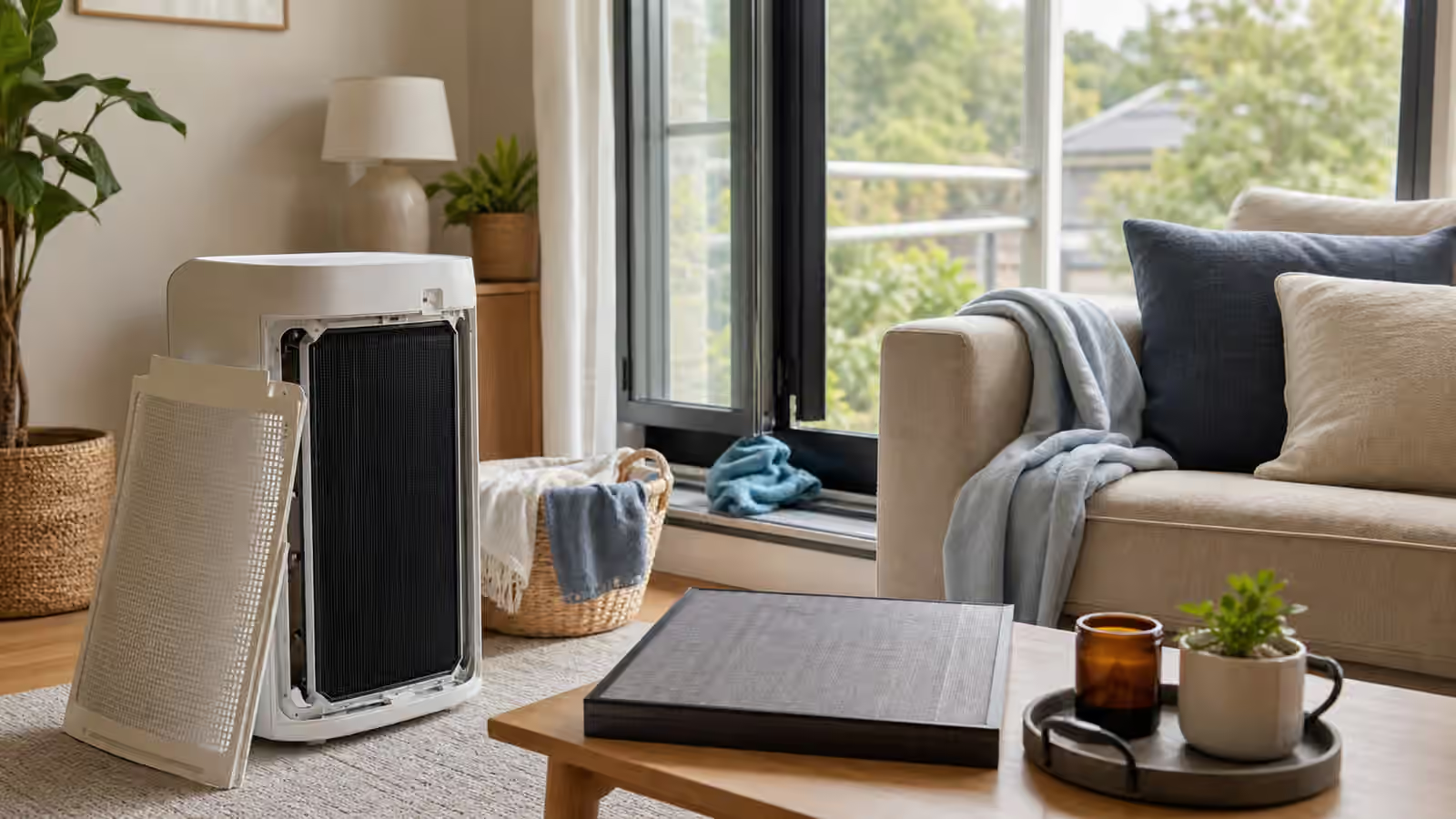
A portable air cleaner complements the filter for the room you spend the most time in, capturing airborne particles that would otherwise settle as tomorrow’s film. It works on what is floating, not on what has already landed in the carpet, so it is a partner to cleaning and never a replacement for it. Sized to the room and left running, it lowers the amount of dust that ever gets a chance to settle.
Slow The Supply At The Door And The Source
Every particle you keep out never has to be cleaned up, so the cheapest dust control is reducing the supply. A washable mat at each entry and a shoes-off habit intercept a startling amount of tracked-in grit and pollen before it reaches the living space. Keeping windows shut on high-pollen or smoky days stops the outdoor load from pouring in. Indoor sources count too: an unfiltered secondhand-smoke problem drifting in from a neighbor loads a home with fine particles that behave like relentless dust, and the apartment secondhand-smoke guide covers that boundary. Clutter is a quieter culprit, since every knickknack and stacked box is another horizontal surface collecting dust and another thing to lift and wipe around; thinning what sits out gives dust fewer places to land.
Put together, the routine that actually changes a room is boring and durable: launder the soft surfaces on a schedule, vacuum and damp-mop with real capture, keep the HVAC filter fitted and fresh, run a right-sized air cleaner where you live most, and choke the supply at the door. The stripe on the shelf still returns eventually, but far slower and far thinner, because you drained the reservoirs feeding it.
Keep the honest boundary. This is practical education, not medical advice, and no dusting routine can diagnose symptoms or guarantee a room is safe. If dust seems tied to a real leak, visible mold, a failing HVAC system, or heavy smoke intrusion, treat those as repair and remediation questions for qualified help, and follow your local public health guidance for mold, chemical, radon, carbon monoxide, or building-safety issues.