Dust mites are the quiet reason a bedroom can feel dusty no matter how often you tidy it. They are microscopic relatives of spiders, far too small to see, and they live on the flakes of dead skin that people shed constantly in the one place they spend a third of their life: the bed. Mattresses, pillows, duvets, and the soft furniture around them are, from a mite’s point of view, a warm and endlessly restocked pantry. This guide is about making those soft surfaces less hospitable and less dusty through ordinary laundry and cleaning habits. It is not about fear, and it is careful not to overpromise. Reducing the dust and allergen load in a bedroom is a reasonable, achievable goal; it is a comfort and cleanliness project, not a medical treatment, and it will not diagnose or resolve anyone’s symptoms.
Why The Bed Is The Center Of Gravity
Two things make bedding the main event. First, it collects the raw material directly: skin flakes settle into sheets and pillows every night, and the allergens that build up in a mattress come from what accumulates in and around it over months. Second, the bed sits inches from your face for hours, so whatever a duvet releases when you turn over is breathed at close range rather than diluted across a room. That proximity is why the sleeping area deserves a tighter rhythm than the rest of the home. It is also why chasing the visible dust on the nightstand, while satisfying, moves the needle far less than handling the fabric you sleep in. The nightstand is the receipt; the bedding is the reservoir.
Wash Warm, Wash Often
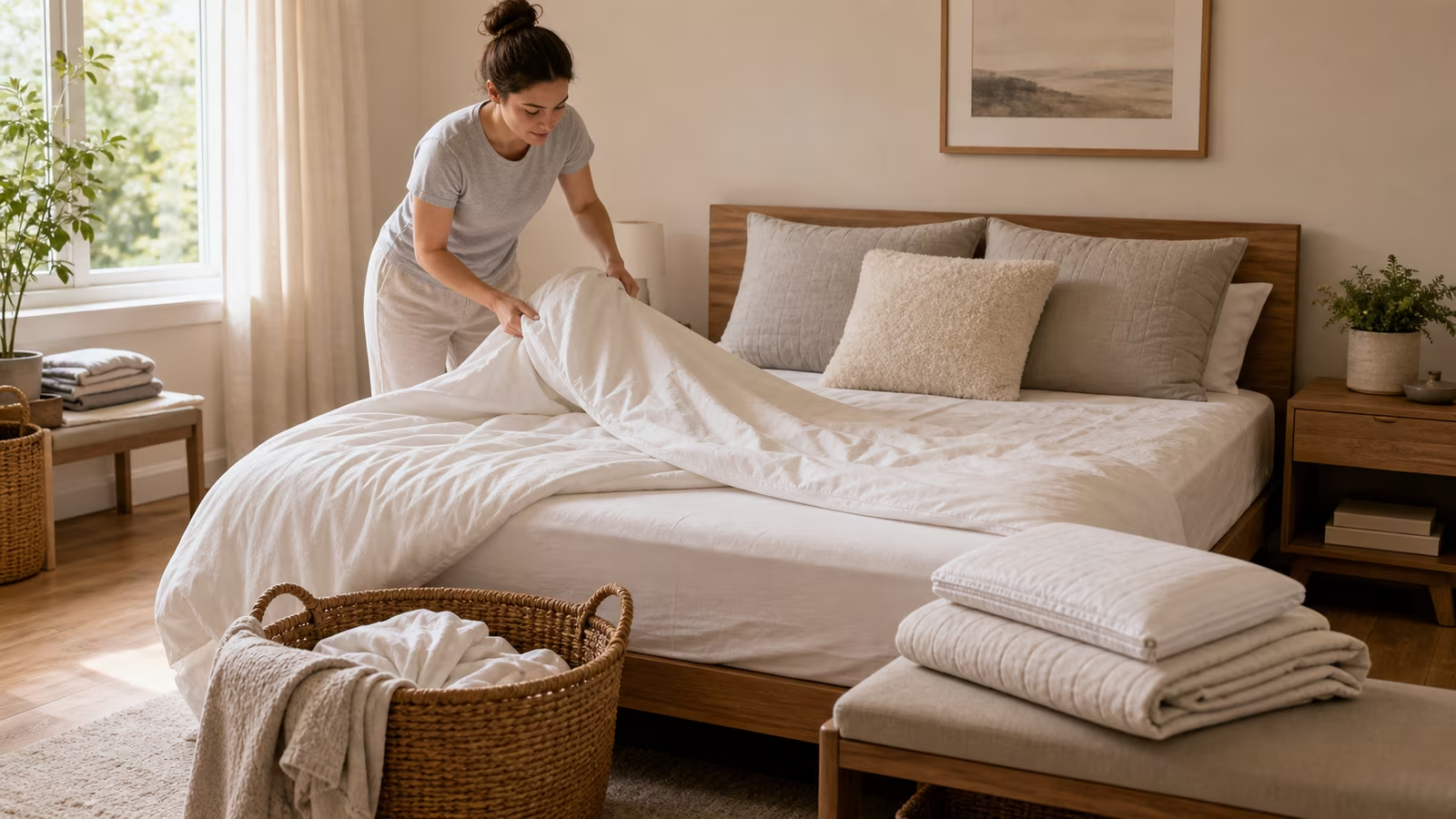
The single most effective habit is regular hot laundering of the bedding that touches you. Sheets and pillowcases washed weekly in hot water physically remove skin flakes, dust, and the allergens riding along with them, and the heat handles the mites themselves in a way a cool rinse does not; where a fabric cannot take a hot wash, a hot dryer cycle helps. Extend the same logic outward on a slower schedule to the items people forget: the duvet or comforter, the mattress protector, and the pillows themselves, many of which are machine washable if you check the label. The blanket the cat sleeps on and the throw at the foot of the bed belong in this rotation too. A pillow or comforter that has never been laundered is doing a lot of quiet work as an allergen reservoir, and getting it into the wash is often the biggest single improvement available.
Encasing the mattress and pillows in tightly woven, washable covers adds a second layer of control by putting a barrier between the sleeper and the reservoir inside the mattress, which is the one thing you cannot toss in the machine. The covers themselves then get laundered on the bedding schedule. None of this needs to be elaborate; a protector you can strip and wash beats an expensive mattress you can only vacuum.
Keep The Room A Little Drier
Dust mites depend on moisture from the air to survive, because they absorb it rather than drinking, so a bedroom that runs humid is a comfortable one for them and a bedroom kept on the drier side of comfortable is not. Keeping relative humidity toward the lower end of the healthy range makes the environment less friendly to mite populations while also discouraging mustiness, and a cheap hygrometer on the nightstand tells you where you actually stand instead of guessing. If the room reads persistently damp, the Humidity and Musty-Smell Triage helps you decide whether the fix is better ventilation, a moisture source to address, or a dehumidifier, rather than jumping straight to a device. Avoid overcorrecting into bone-dry air, which brings its own discomforts; the aim is a moderate, steady middle, not an extreme.
The Rest Of The Soft Surfaces
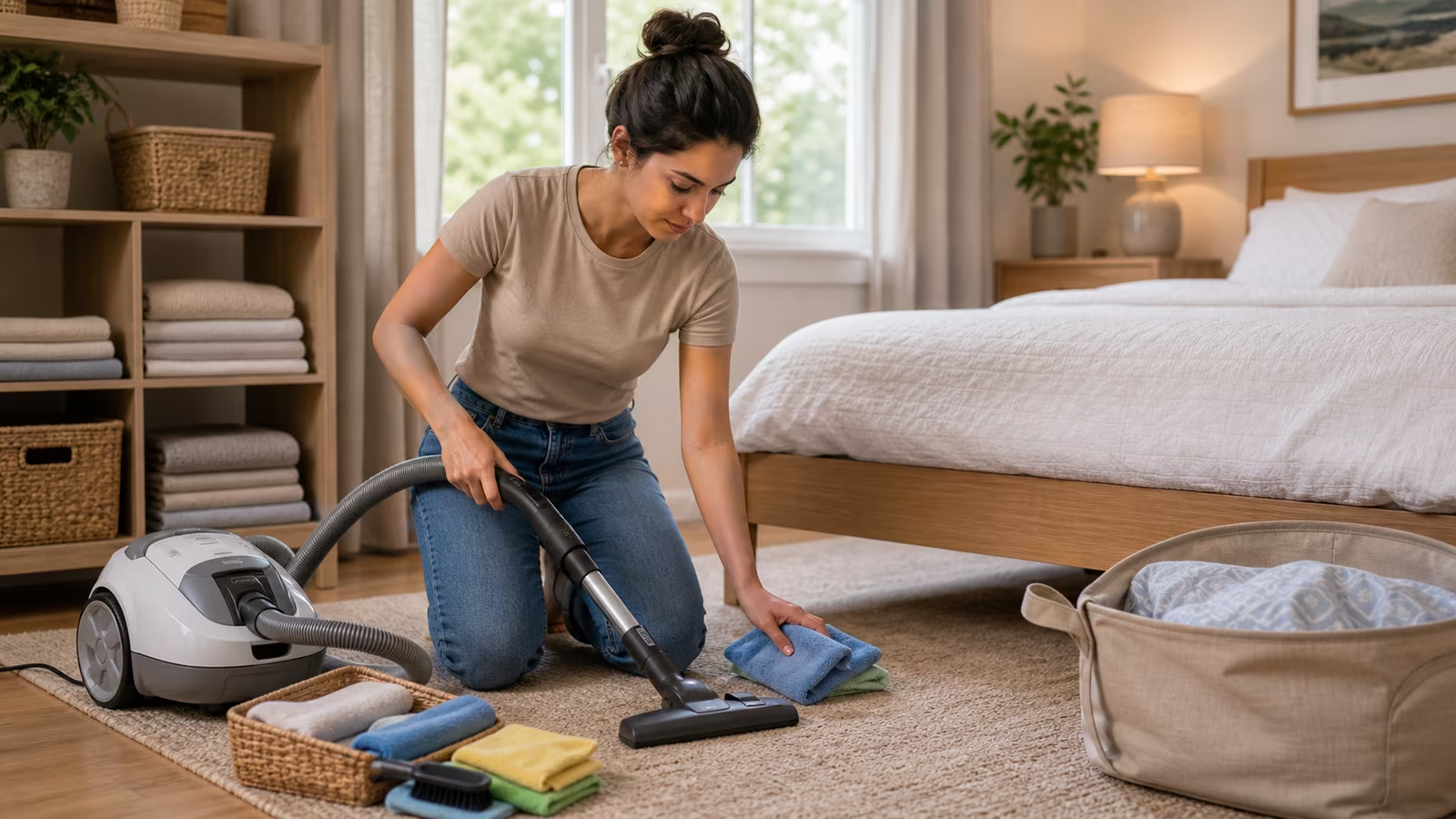
Beyond the bed, the bedroom is full of quieter reservoirs. Upholstered headboards and chairs, carpet, rugs, heavy curtains, and stuffed toys all hold skin flakes and dust and release them when disturbed. Vacuuming carpet and soft furniture with a machine that has sealed, HEPA-style filtration removes the load instead of stirring the fine particles back into the air, which is the same principle that drives the whole-home approach in dust control that actually changes the room . Washable rugs beat wall-to-wall carpet in a bedroom precisely because they can go in the machine; children’s plush toys can often join the hot wash or a hot dryer cycle on a schedule. Thinning the clutter of soft objects on the bed and shelves gives dust fewer places to gather and fewer things to lift and clean around.
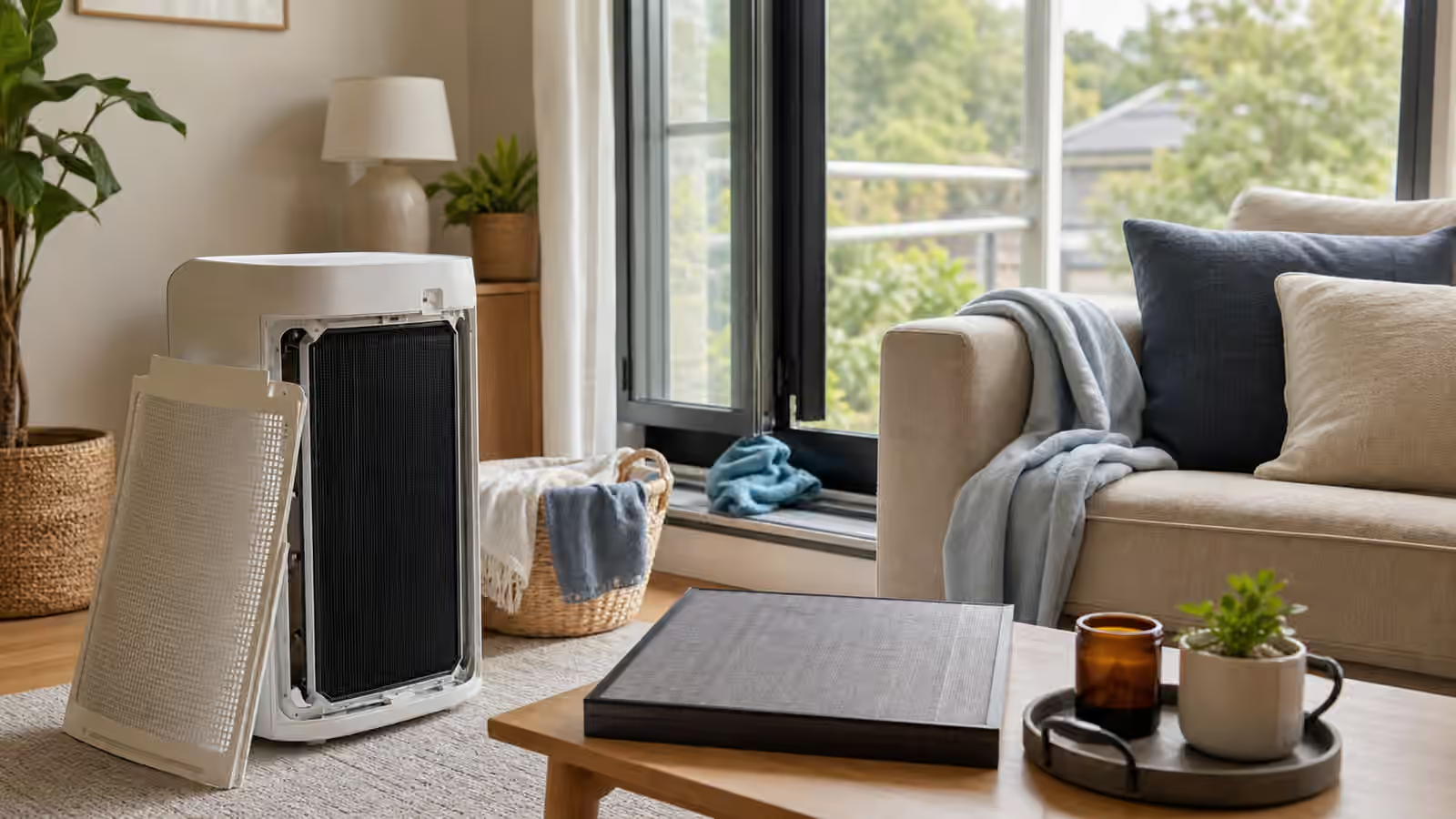
Two neighboring sources deserve a mention because they overlap with this room. Pets that sleep on the bed add dander to the mix, and the calm, no-blame framing in the pet dander guide pairs well with a decision about whether the bed is a pet-free zone. During high-pollen weeks, outdoor allergens ride in on clothes, hair, and open windows and settle into the same bedding; the pollen-season indoor routine covers keeping that load out of the bedroom in particular. A portable air cleaner sized to the room can capture some of what is airborne overnight, but it works on floating particles, not on what is packed into the mattress, so it supports the laundry rhythm rather than replacing it.
A Rhythm You Can Actually Keep
The whole plan is a rotation, not a heroic deep clean. Wash the sheets and pillowcases weekly in hot water, cycle the duvet, protector, and pillows through on a slower schedule, encase the mattress and pillows, vacuum the soft surfaces and floor with real capture, keep the humidity in a moderate range, and thin the plush clutter. Done as a habit rather than a project, it steadily lowers the dust and allergen load in the place you breathe most closely for the longest stretch of the day.
Hold the honest boundary. This is practical education, not medical advice, and cleaning routines cannot diagnose symptoms, treat a condition, or guarantee a room is safe. Anyone with persistent breathing trouble, allergy, or asthma concerns should work with a qualified clinician, and problems like visible mold, a leak, sewage, or building-level issues call for remediation professionals and your local public health guidance rather than laundry alone.