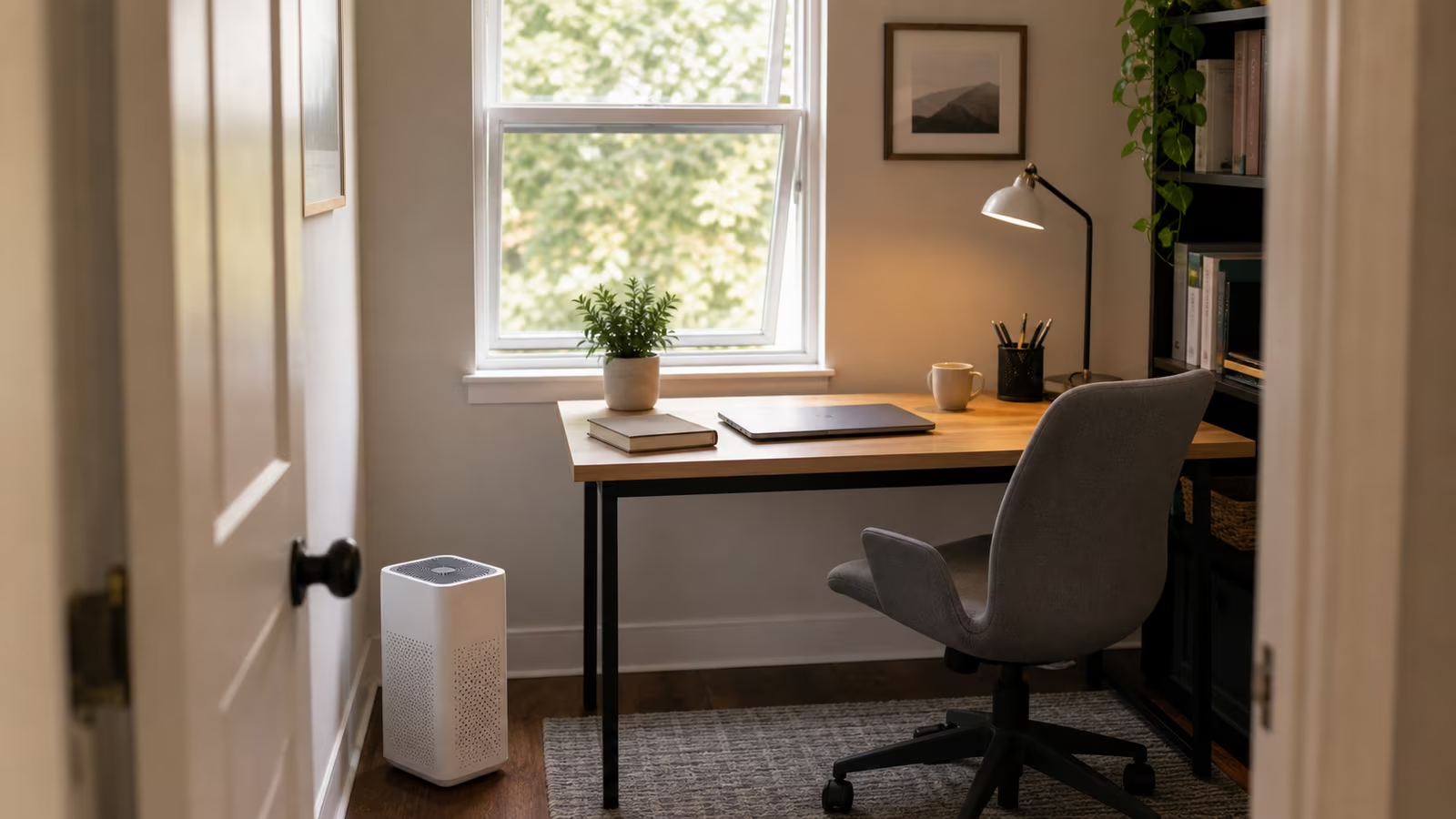
A closed office door is doing exactly what you asked of it. It keeps hallway noise out, it keeps a video call private, it keeps a curious pet off the keyboard. What it also does, quietly, is turn a small room into a nearly sealed box that slowly collects everything you breathe out and everything the room gives off. By mid-afternoon the space can feel thick and tiring in a way that has little to do with the work in front of you. Understanding why that happens, and what actually relieves it, costs nothing and usually beats buying a gadget.
Why A Closed Room Gets Heavy
The main thing a person adds to a small closed room is carbon dioxide and warmth. You are not poisoning yourself, since ordinary indoor CO2 is nowhere near dangerous, but as the number climbs through the day many people notice the air feels stale, focus gets softer, and a long call feels more tiring than it should. A closed door with no fresh-air path lets that number drift upward hour after hour, because the room has no way to trade its air for the rest of the house or the outdoors. Heat from your body, a laptop, a second monitor, and a sunny window all add to the sense that the room is full.
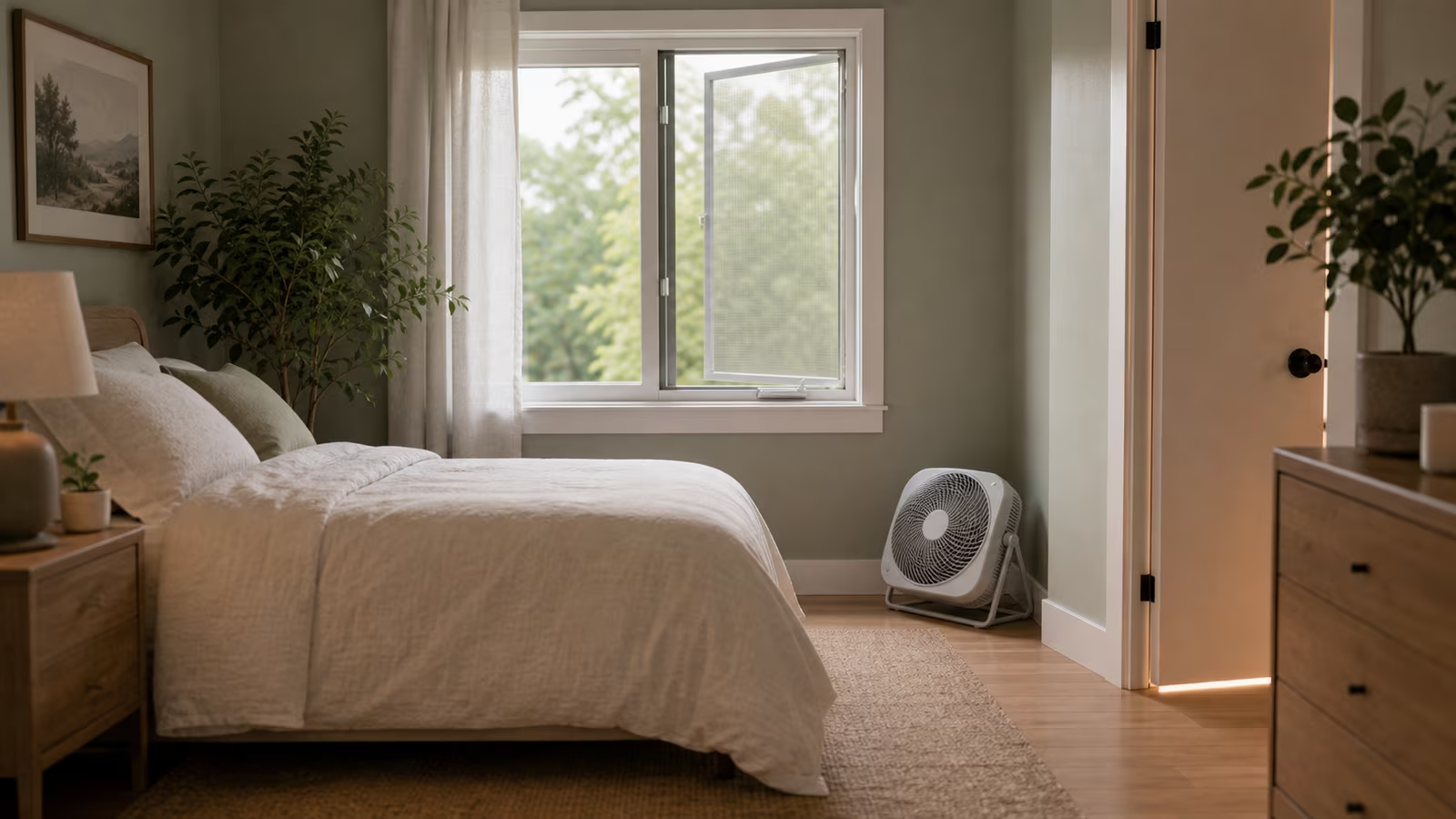
The important distinction is between moving air and replacing air. A desk fan blowing on your face feels wonderful, and it genuinely helps comfort, but it does not lower CO2 or bring in anything new. It just stirs the same box. The only things that truly reset a closed office are exchange with cleaner air, which means cracking the door, opening a window when outdoor air is good, or letting the HVAC system pull room air across a return, and time away from the room so it can recover.
The Cheapest Fix Is A Door And A Break
Before anything else, try the least glamorous move: open the door between meetings. A cracked or fully open door for the ten minutes between calls lets the small room share air with the larger volume of the house, which dilutes the buildup far faster than any fan setting. If privacy allows, working with the door open during solo focus time and closing it only for calls keeps the room from ever loading up in the first place. When you cannot leave the door open, a window opened during a break, even briefly, flushes the room, as long as the outdoor air is not carrying smoke, heavy pollen, or traffic exhaust that day.
Pairing ventilation with your own breaks is the trick that sticks. You already stand up, refill water, and stretch; make opening something part of that rhythm. A room that gets a real air exchange every hour or two rarely reaches the heavy stage at all.
Measure The Trend, Not A Verdict
If the stuffiness is a daily complaint, it is worth watching the pattern rather than guessing. The ventilation and CO2 helper is there to turn “the room feels bad by three in the afternoon” into a small, structured decision about what to change first, whether that is door habits, window timing, or how long you let the system fan run. Treat any reading as a trend line, not a grade. The useful question is not what the number is but whether the number climbs when the door stays shut and comes back down when you open something. Once you can see that cause and effect, the fix usually chooses itself.
Dust, Devices, And The Warm-Electronics Smell
Offices collect their own particular grime. Paper, cardboard shipping boxes, and books shed fine dust. A printer releases a little particulate and a warm-plastic odor during long jobs. Electronics running for hours give off that faint heated smell as dust bakes onto warm surfaces. None of this is an emergency, but in a sealed room it accumulates with nowhere to go. Keeping the desk and floor low on dust reservoirs matters more here than in a busy, frequently opened room, because a closed office does not clear itself.
Vacuum and wipe on a schedule that does not launch dust right before you sit down to work; the guide to vacuuming without kicking dust around applies neatly to a small room where you will breathe whatever you stir up. Store spare cables, packaging, and paper stock outside the office if you can, so the room holds fewer things quietly off-gassing and collecting dust. A tidy cable run and a clear floor are not just cosmetic; they make the room easier to keep clean, which keeps the air easier to keep fresh.
When A Purifier Earns Its Spot
A small air purifier belongs in a home office when particles are genuinely part of the story: printer use, a dusty older building, pollen that rides in on clothes, or smoke that entered earlier in the day. Size it for the actual room, place the intake and outlet clear of the desk and wall, and run it on a speed quiet enough that you will not switch it off during a call. What a purifier will not do is lower CO2, cool the room, or replace ventilation. If the complaint is that the room is stuffy and warm after a long meeting, that is an exchange-and-heat problem, and a filter is the wrong tool for it. Match the device to the symptom instead of hoping one box solves everything.
Keep The Setup Boring And Repeatable
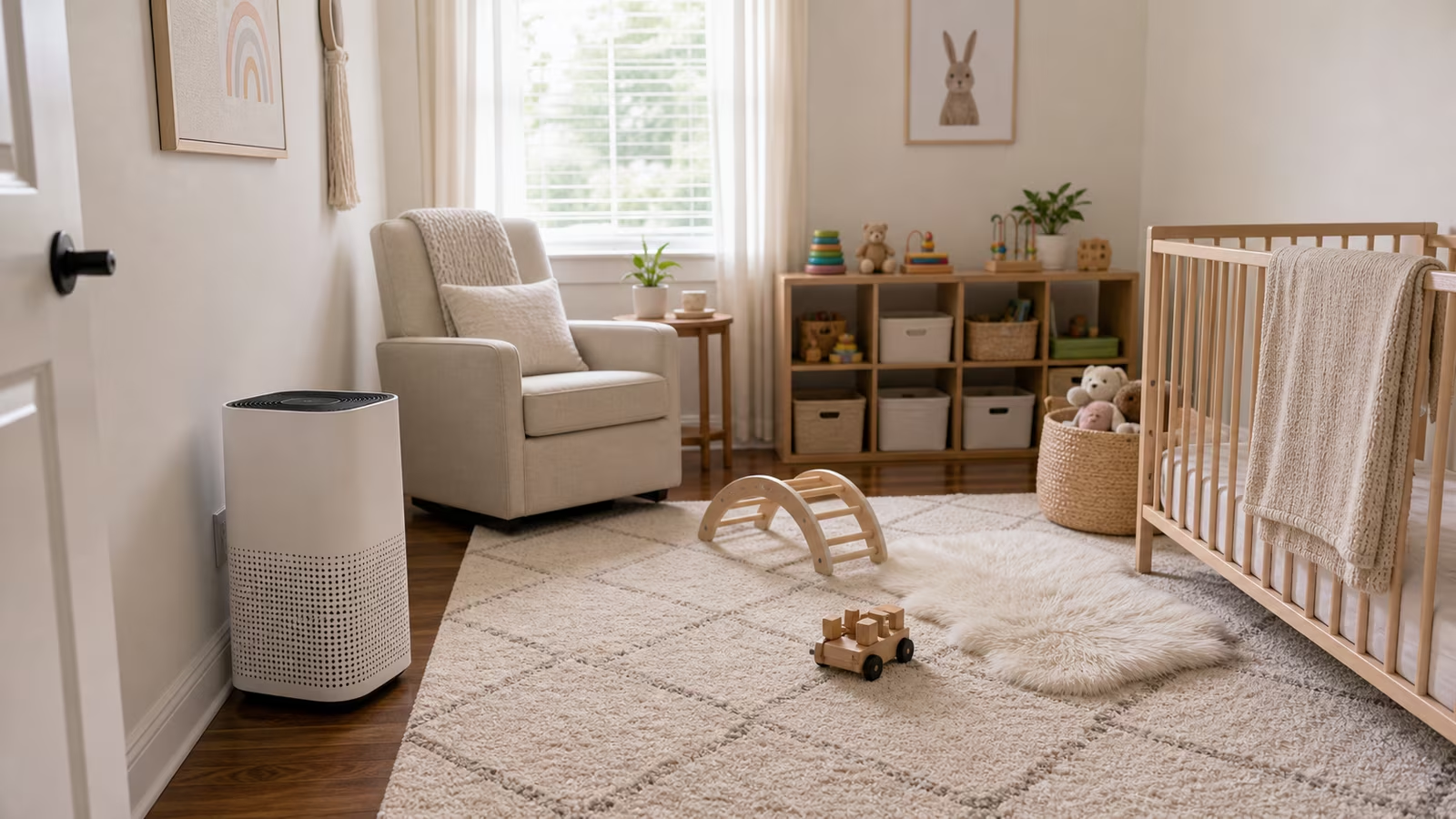
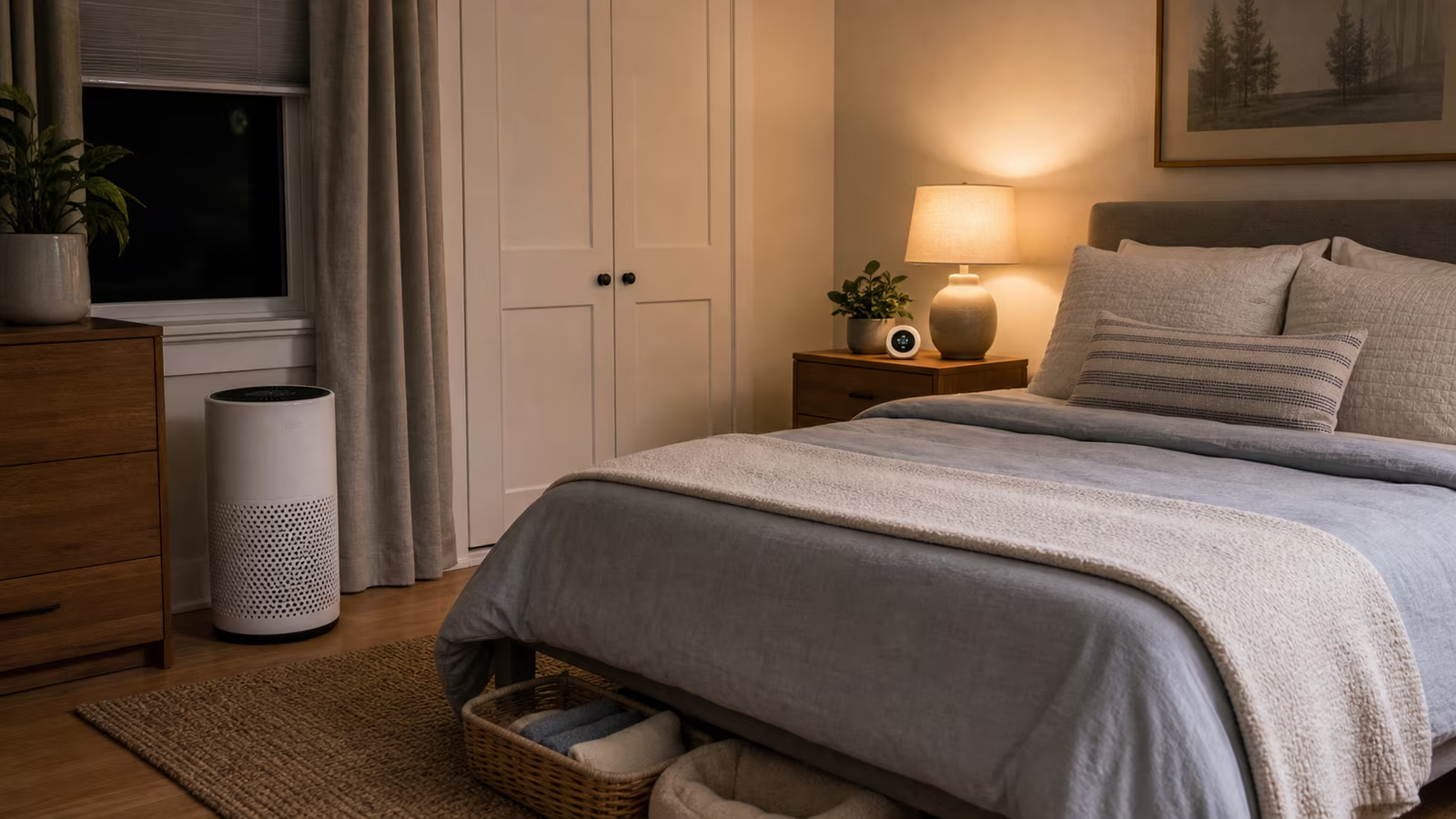
The offices that stay comfortable are not the ones with the most equipment. They are the ones with a simple loop: open the door or window on breaks, keep dust reservoirs low, run the system fan or a right-sized purifier when it actually helps, and notice how the room feels at the end of a long day versus a short one. The same calm approach that keeps a child’s room or nursery or a bedroom set up for sleep pleasant works here, because small, consistent habits beat dramatic one-time purchases.
One honest boundary: this is comfort and clean-air guidance, not medical advice, and no routine can promise a room is safe. If you ever smell fuel or exhaust, suspect a carbon monoxide problem, or find real moisture and mold, stop the DIY tinkering and bring in alarms, testing, or a qualified professional. Everyday stuffiness in a closed office, though, is almost always a ventilation habit waiting to be built, and building it is the whole job.