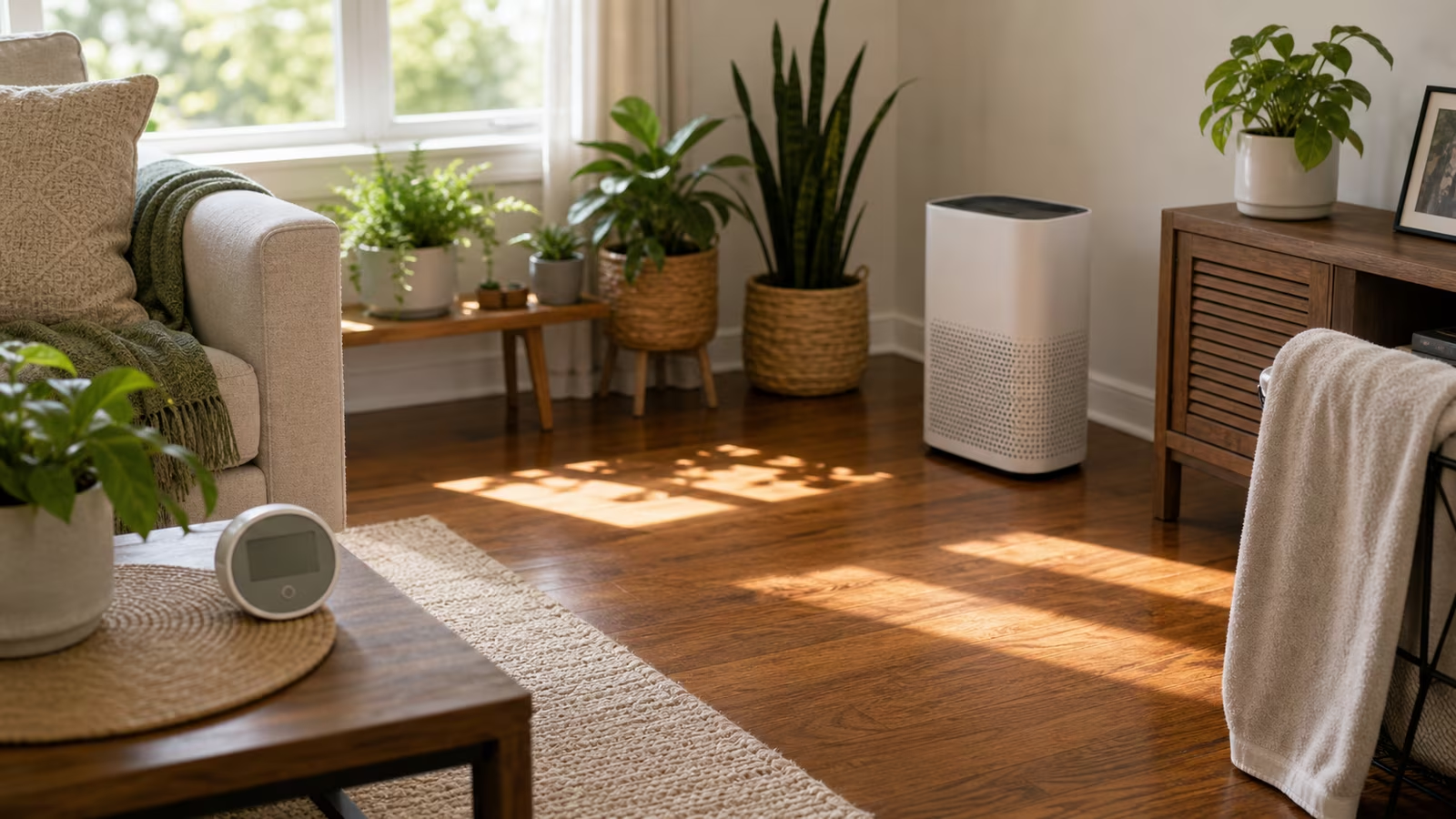
Winter heating, a dry climate, or a hard-running furnace can pull a room dry enough that your throat feels scratchy in the morning, wood trim creaks, and static jumps off every doorknob. A humidifier is a sensible response to genuinely dry air. It is also, more than almost any other clean-air appliance, a device that can quietly turn into the problem it was bought to fix. Using one well comes down to two habits: add only the moisture the room actually needs, and keep the machine clean enough that it is putting water into the air rather than whatever has been growing in the tank.
Confirm The Air Is Really Dry First
Dryness is easy to imagine and easy to overshoot, so it is worth measuring before you run a machine for weeks. An inexpensive hygrometer settles the question. Comfortable indoor humidity for most homes sits loosely in the range from the low thirties to around fifty percent; below that, static and dry throats show up, and well above it, condensation and dampness start. Feel is a poor gauge, because a cold room can feel damp while actually being dry, and a warm room can feel fine while static says otherwise. If the reading is already comfortable, the fix for your scratchy throat may be something else entirely, and a humidifier will only push the room toward the damp problems covered in dehumidifier basics .
Add Only What The Room Needs
The most common mistake is running a humidifier flat out, all day, chasing a tropical feel. Overshooting does real harm: water beads on cold windows, sills stay wet, and the coolest corners of the room, behind furniture and along an exterior wall, can hold enough moisture to grow mold over a season. A unit with a built-in humidistat that shuts off at a target is far safer than one that simply runs until the tank is empty. If yours has no such control, run it in shorter stretches and re-check the gauge rather than leaving it going overnight on high. The goal is a steady, moderate level, not the highest number the machine can reach.
The Tank Is The Real Safety Story
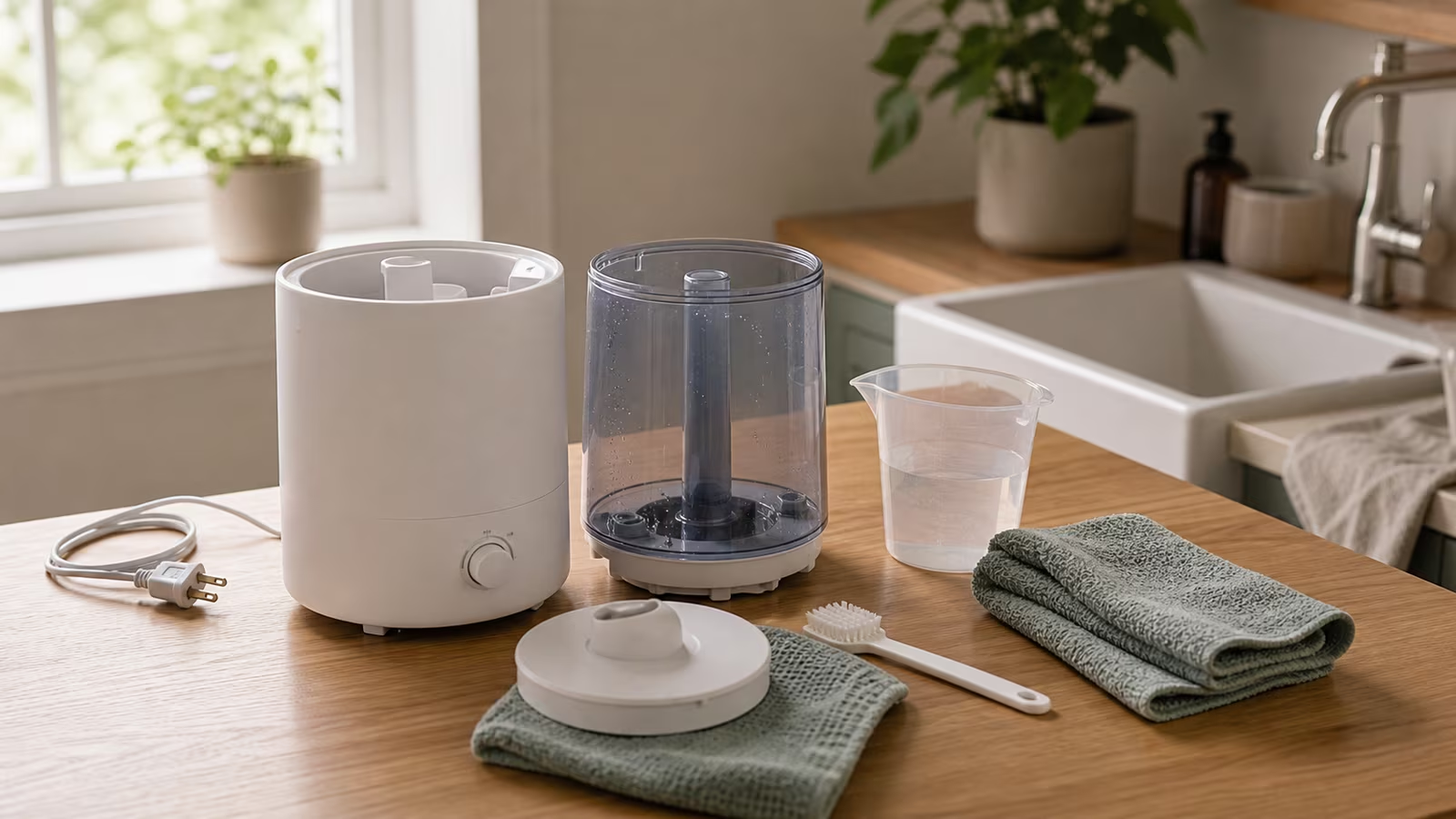
Standing water at room temperature is an invitation. Left sitting, a tank grows a slick biofilm, and mineral scale builds on every surface the water touches. A cool-mist unit can then spray that material into the room as a fine aerosol, which is exactly the outcome you were trying to avoid. The cleaning rhythm that prevents this is not complicated but it is non-negotiable: empty the tank and refill with fresh water daily rather than topping off, wipe or brush the interior regularly, and periodically descale with a manufacturer-approved method to clear mineral buildup. Let parts dry between uses when you can. A humidifier that is cleaned on a schedule is a help; one that is refilled without ever being emptied becomes its own source, and that is precisely when a room starts to smell off. The musty smell triage guide is the right next stop if that happens.
Water Choice And The White Dust
If your unit sends a fine white powder across nearby surfaces, that is mineral content from hard tap water being aerosolized and dried. Using distilled or demineralized water reduces both the dust and the scale that builds inside the tank, which also makes cleaning easier. This is less about air safety and more about keeping the machine and the room manageable, but it matters over a long heating season. Warm-mist units, which boil the water, avoid some of this but add a burn hazard and their own cleaning needs; neither type escapes the basic rule that cleaner water in means cleaner mist out.
Small Machine, Real Upkeep
It helps to think of a humidifier the way you would a small kitchen appliance rather than a set-and-forget gadget. Filters and wicks, where a unit uses them, load up with minerals and slowly stop absorbing water, so a machine that seems to run fine can quietly be putting out less mist and more scale as the weeks pass. Replace those parts on the schedule the manufacturer suggests rather than waiting for a visible problem, and keep a spare on hand so a worn wick does not become an excuse to skip cleaning. Around anyone who is very young, elderly, or recovering from illness, the case for a clean tank is stronger still, because those are exactly the people a dirty mist affects most; when in doubt, run the machine less and clean it more rather than the reverse.
Placement And The Mist Path
Point the mist into open air, not at a wall, a headboard, a stack of books, or a curtain. A humidifier that fogs the same patch of drywall or fabric every night creates a reliably damp spot, and damp spots are where trouble starts. Set the unit on a tray or a hard, water-tolerant surface rather than directly on wood or carpet, give it clear space around the outlet, and keep it in a spot where a small overflow will not soak into something. In a bedroom, a little distance from the bed keeps you from breathing a heavy plume all night and keeps bedding from slowly dampening.
Know When To Stop
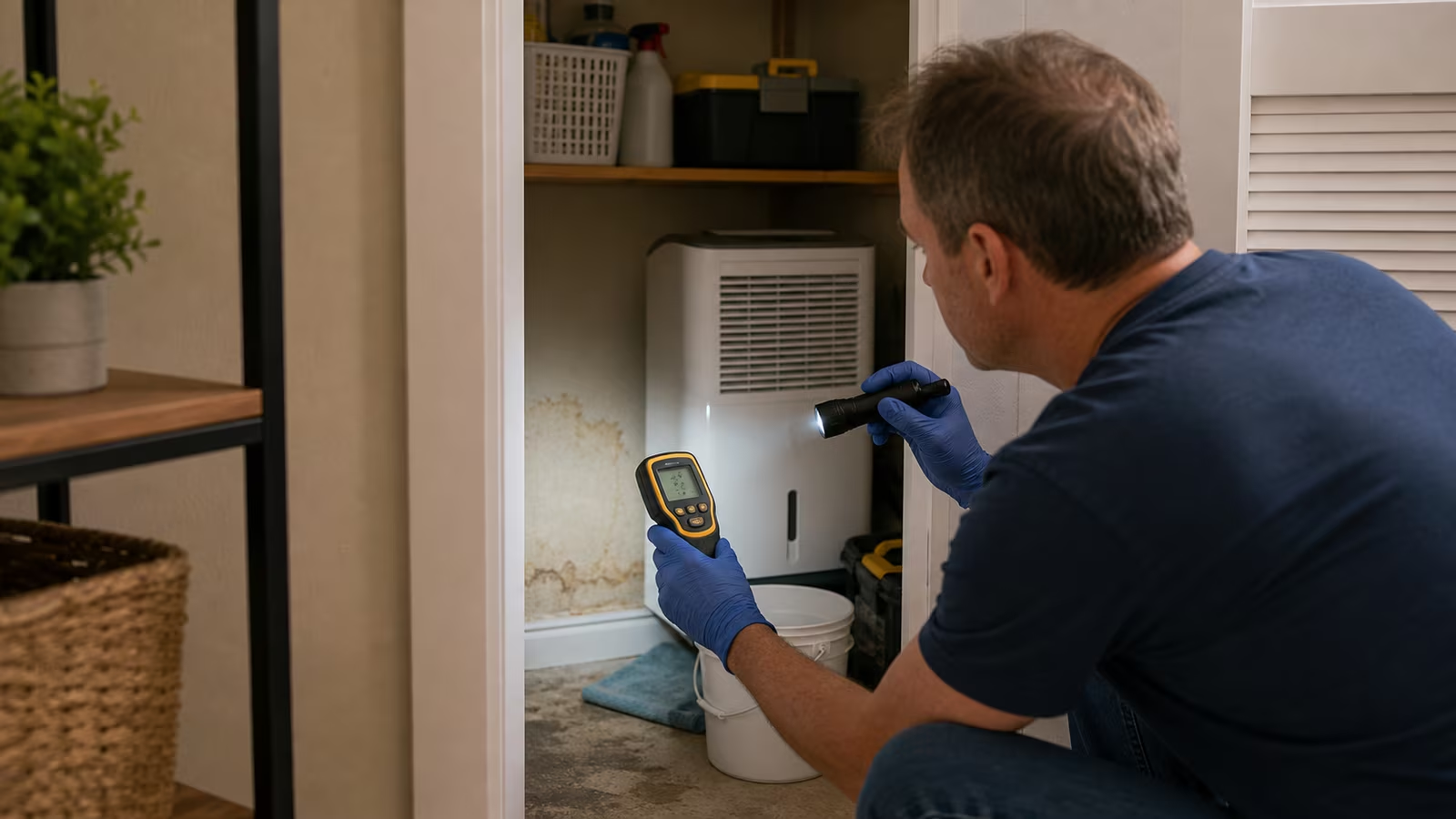
A humidifier is for dry air, full stop. If a room is musty, clammy, or already showing condensation, adding moisture is the wrong move and can accelerate a mold problem. Trust the gauge over the urge to keep running the machine. Keep the honest boundary in view too: this is practical education, not medical advice, and no cleaning schedule can guarantee a room is safe. If you find spreading mold, a persistent damp smell you cannot trace, or moisture returning no matter what you do, that is a building-moisture question, and knowing when to stop DIY on mold and moisture matters more than any humidifier setting. When you are unsure whether a damp room needs less moisture rather than more, the humidity and musty-smell triage tool can help you sort a wet tank from a wet wall before you decide what to run. Used with a light hand and a clean tank, a humidifier makes a dry season more comfortable; used without those two habits, it just moves the problem from your throat to your walls.