Humidity is the clean-air factor people feel constantly and measure almost never. A room can be spotless and well-filtered and still feel wrong, clammy and heavy in August, or so dry in January that your skin tightens and the sofa throws sparks. Both extremes trace back to one number, relative humidity, and learning where the comfortable middle sits turns a vague “this room feels off” into something you can actually adjust.
What Relative Humidity Actually Means
Relative humidity is how much water vapor the air holds compared with the most it could hold at that temperature. The temperature part matters more than people expect. Warm air can carry a lot of moisture; cool air can carry much less. This is why the same amount of water in the air feels muggy in a warm room and can bead into condensation on a cold window in the same house. When you cool air down, against a windowpane, an exterior wall, or a cold basement floor, its relative humidity climbs even though no water was added, and if it climbs far enough, moisture condenses on that cold surface. That single fact explains most of the damp corners and foggy windows people puzzle over.
Where The Sweet Spot Sits
For comfort and to keep both problems at bay, most homes do best somewhere in the broad band from the low thirties to around fifty percent relative humidity. Below roughly thirty percent, the dry-air complaints show up: scratchy throats, static shocks, cracking wood, and dry skin. Above roughly fifty to sixty percent, the damp-air problems begin: that clammy heaviness, dust mites finding a friendlier home in bedding, and, at the high end and over time, mold on the coolest surfaces. The exact edges are not magic thresholds, and they shift with the season. A level that is fine in summer may cause window condensation in winter because the glass is so much colder. The point is not to chase a perfect number but to stay out of the two ditches on either side.
Why Humidity Touches Dust, Mold, And Static
The reason this one measurement earns a guide of its own is that it quietly drives several other clean-air issues. Very dry air keeps fine dust and particles airborne longer and makes static cling pull dust onto every surface, so a dry room can feel dustier than it is. Damp air does the opposite kind of harm: it feeds dust mites in soft surfaces and gives mold the moisture it needs on cold walls and in closed closets. Get the humidity into the middle band and several nuisances ease at once, which is why chasing dust or a musty smell without checking humidity often feels like bailing a boat without finding the leak. A small bathroom that stays damp, for instance, connects directly to the cat litter and dust in small bathrooms situation, where moisture and fine dust compound each other.
Measure Before You Buy A Machine
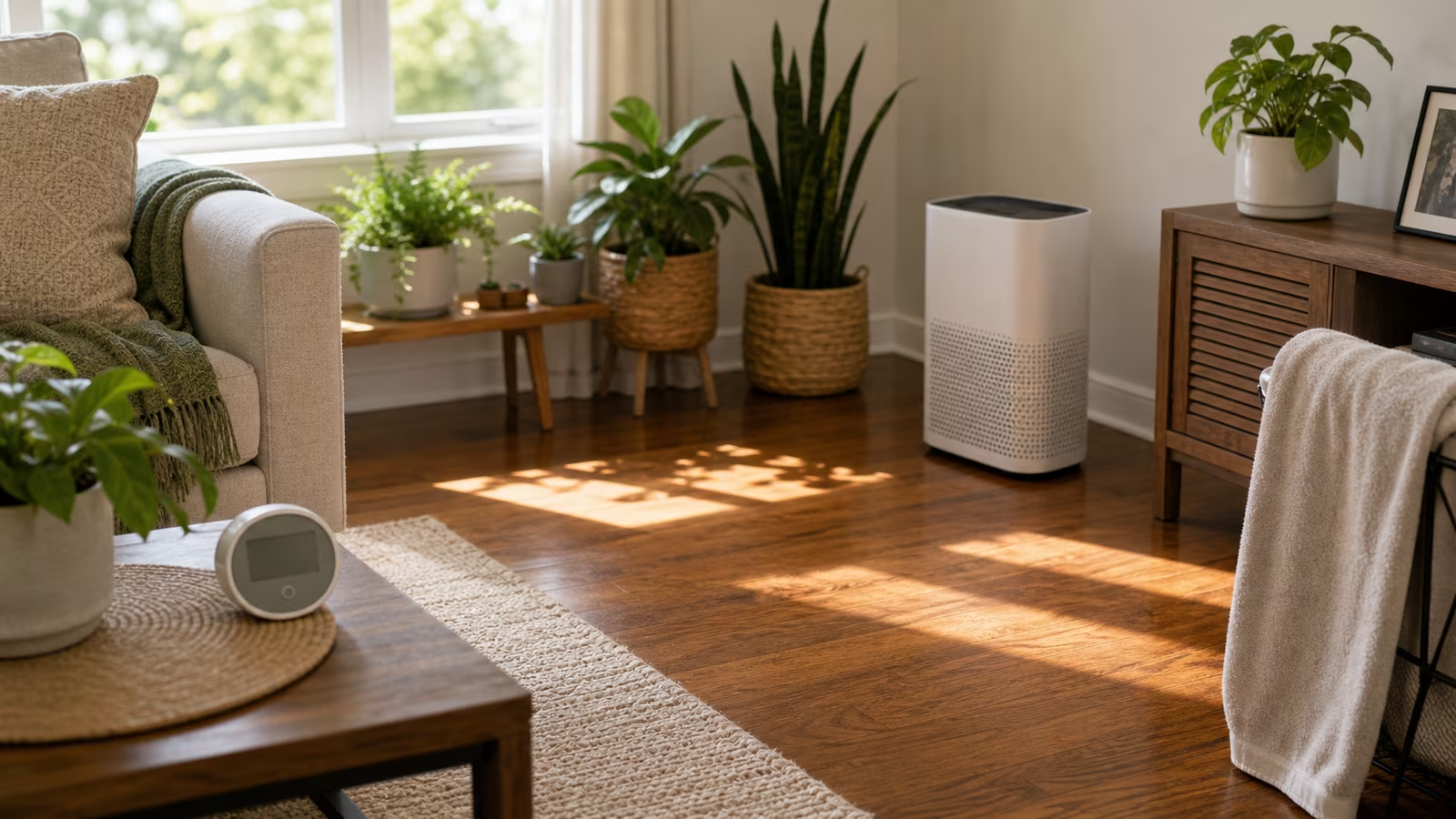
The single most useful move is also the cheapest: put an inexpensive hygrometer in the room and watch it for a few days. Feel is unreliable, because a cool room reads as damp and a warm room as fine even when the actual moisture tells a different story. Place the gauge away from direct sun, away from a humidifier’s plume, and away from the single dampest corner if you want a reading that represents the room rather than one spot. Once you can see the number and how it moves, up after showers and cooking, down when the heat runs hard, spiking against a cold window on a cold night, you know which direction you actually need to push, and whether you need to push at all.
Nudging The Number Up Or Down
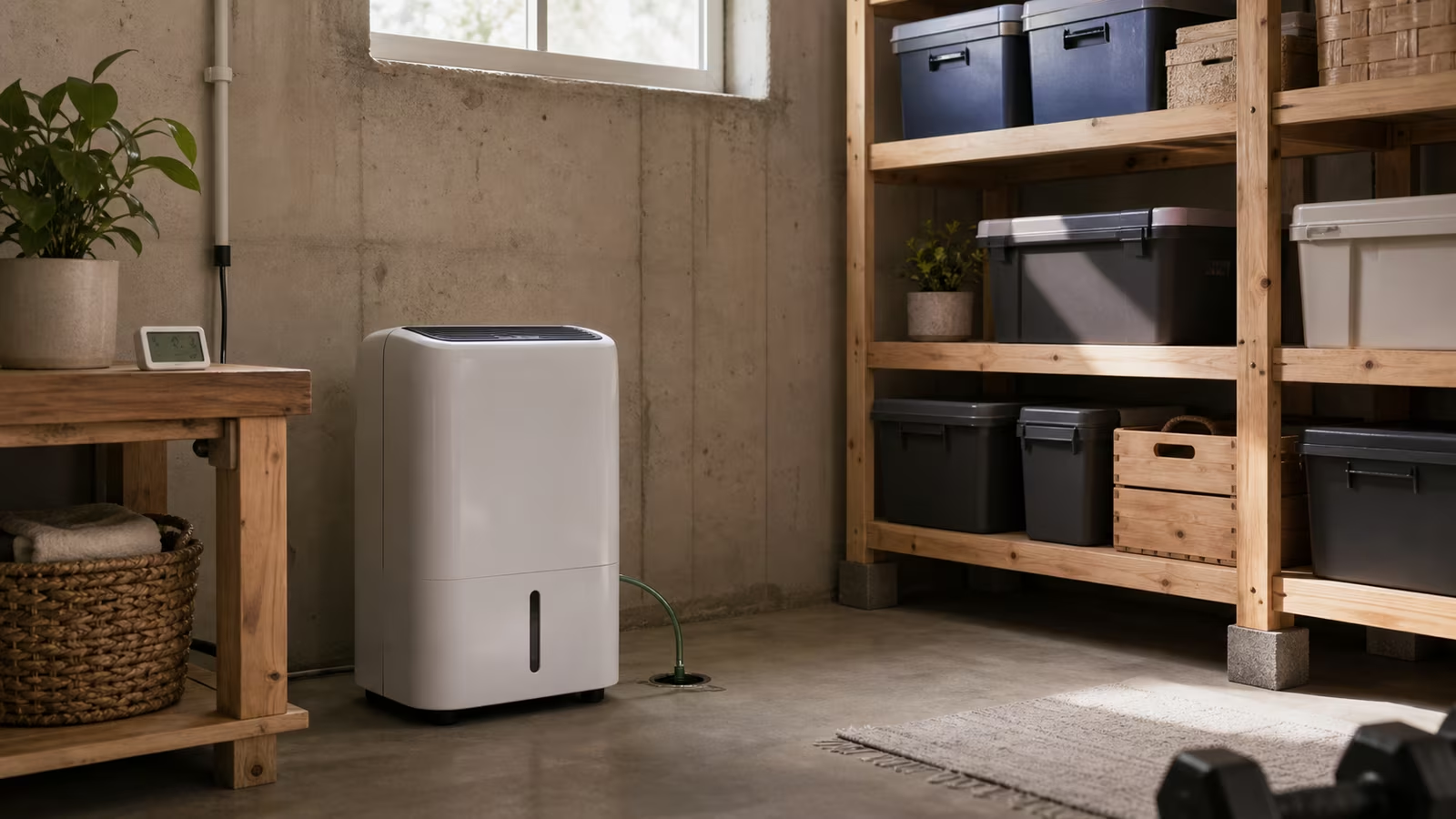
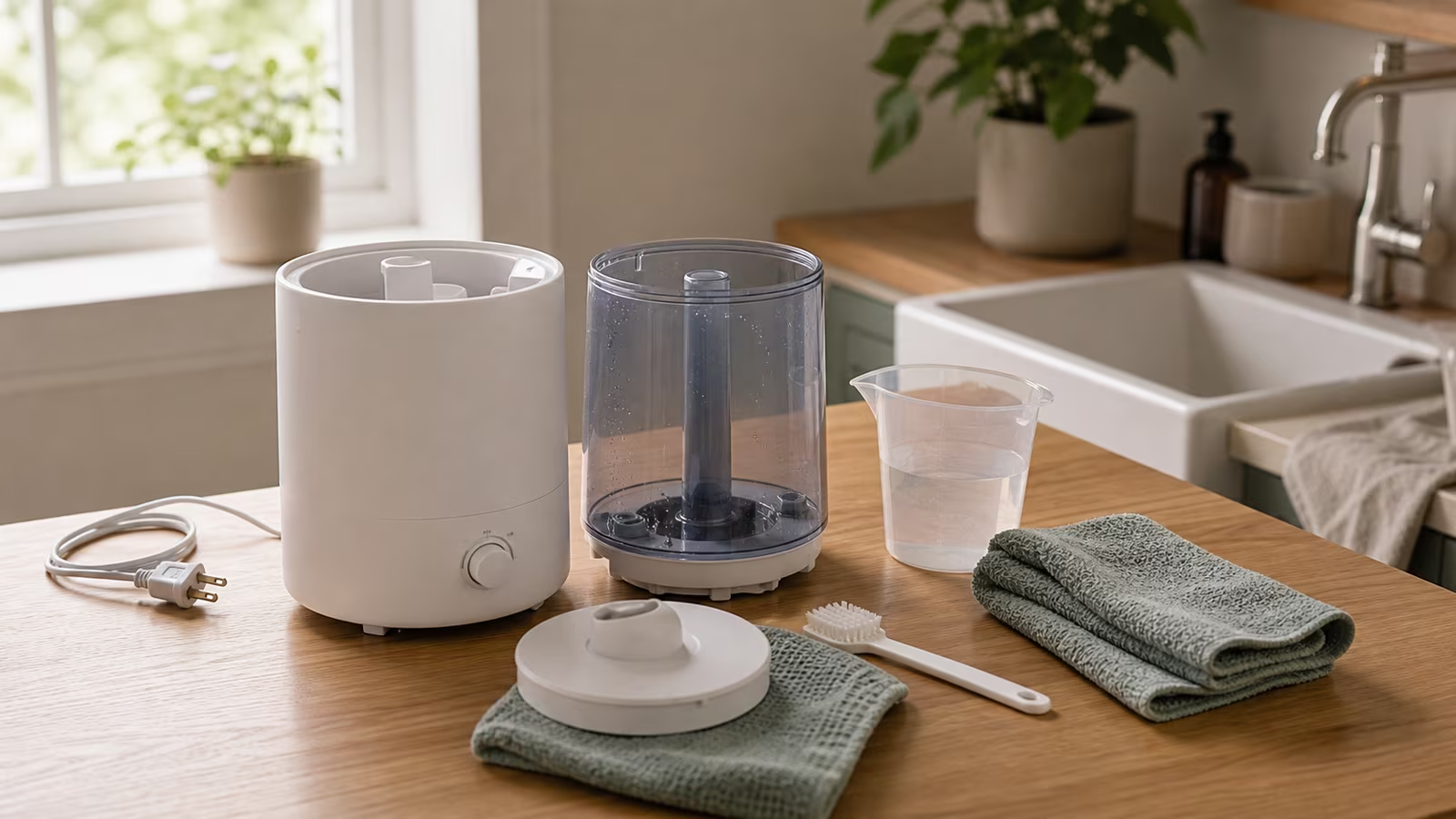
If the room runs dry, the answer is to add moisture carefully, which is its own small discipline covered in humidifier safe use and cleaning , where the wrong habits create damp problems while solving dry ones. If the room runs damp, the order of operations is to find and reduce the water source first, ventilate the moisture out where you can, and only then reach for a dehumidifier; dehumidifier basics walks through sizing that after the source, not before. Everyday moisture sources are ordinary and controllable: long showers without the exhaust fan, cooking without the range hood, drying laundry indoors, an unvented dryer, or a basement that breathes damp air upstairs. Handling the source usually moves the number more than any appliance.
The Same Home Needs Different Targets By Season
One of the most useful things to accept early is that there is no single setting you dial in once and forget. The same house that needs added moisture in January can need moisture pulled out in July, because the outdoor air and the surface temperatures inside have flipped. In cold weather the practical ceiling is lower than the comfort chart suggests, because a level that feels pleasant in the middle of the room will still fog and drip on single-pane glass and chill exterior walls; if you see condensation on the windows each morning, that is the room telling you to ease off the moisture regardless of what the number reads. In warm, humid weather the job reverses, and the goal becomes keeping the resting level from creeping up into the range where soft surfaces stay damp. Checking the gauge at the change of each season, and again when you notice foggy glass or a clammy afternoon, keeps you adjusting to the room you actually have rather than to a fixed rule.
Keep It In Perspective
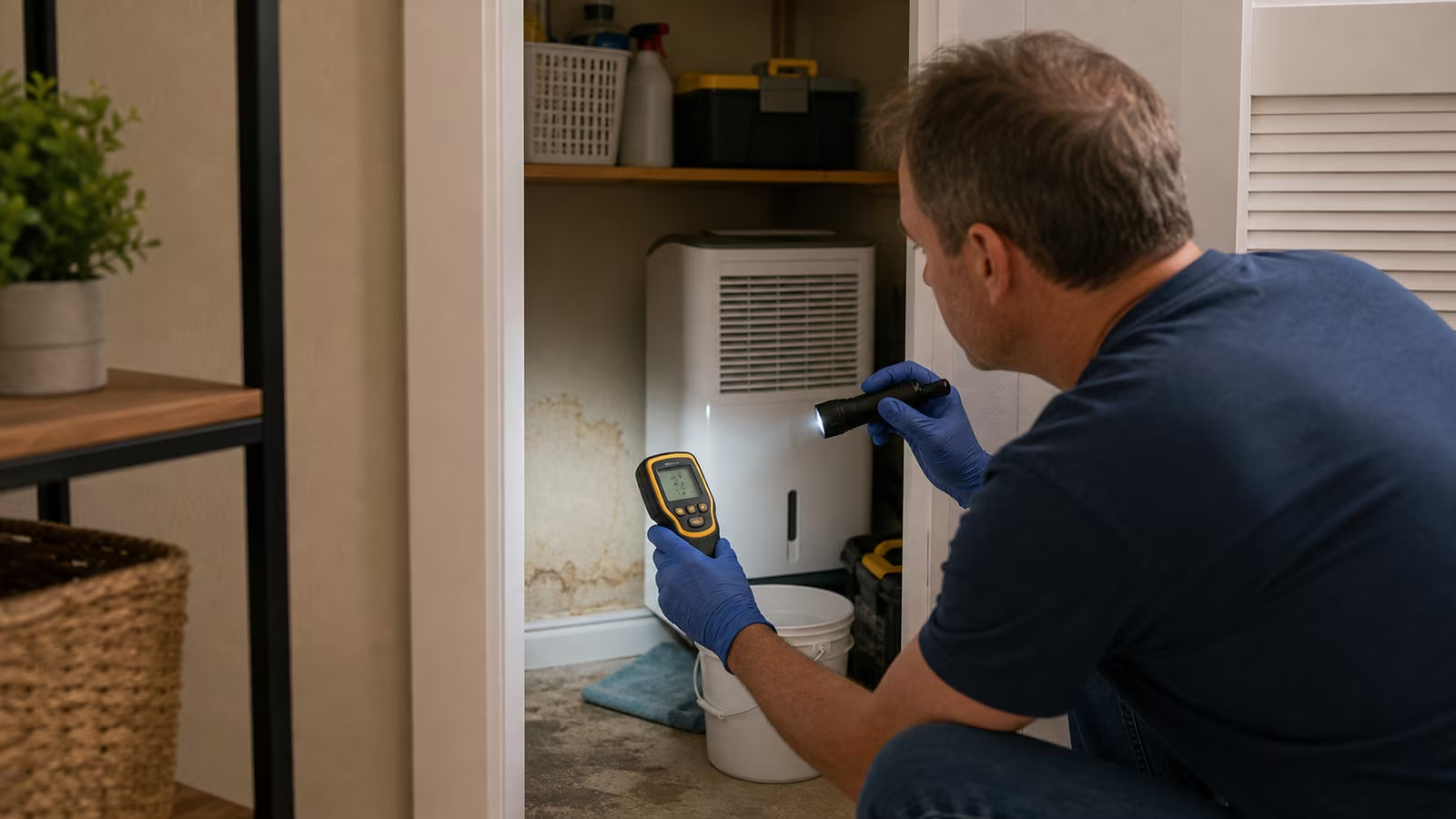
Humidity is a dial to keep in a comfortable range, not a crisis to panic over. A reading that drifts a little high after a shower or a little low on a bitter cold night is normal; what matters is the room’s usual resting level over days and weeks. If the humidity and musty-smell triage tool or your own gauge keeps showing a damp room no matter what you do, or you find condensation inside walls, spreading mold, or moisture with no obvious source, that has crossed from a comfort dial into a building-moisture question. This is practical education, not medical advice, and no target range can promise a room is safe. For standing water, hidden mold, sewage, or a leak you cannot trace, the right move is a qualified professional rather than another appliance. Kept in the middle band, though, humidity quietly makes the rest of a room’s air easier to live with.