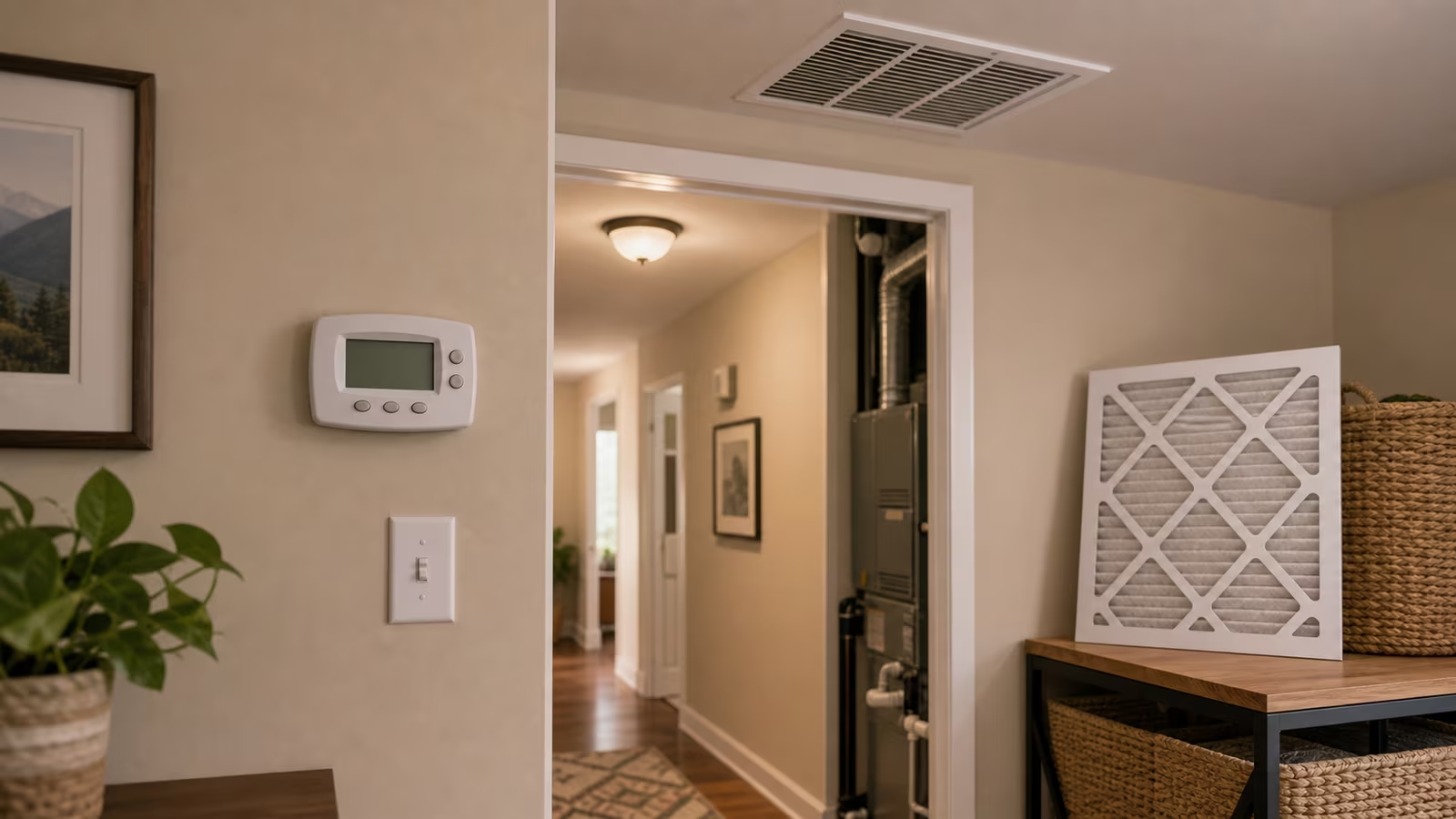
Most thermostats offer a small choice that turns out to matter more for indoor air than for temperature: the fan setting. Leave it on “auto” and the blower runs only while the system is actively heating or cooling. Switch it to “on” and the fan runs continuously, pushing house air through the ducts and across the filter around the clock. Some systems add a “circulate” mode that splits the difference. The reason this choice belongs in a clean-air discussion is simple: your central filter only cleans air when air is moving through it, and the fan setting decides how often that happens.
Auto, On, And Circulate In Plain Terms
On “auto,” the filter gets a workout only when the thermostat calls for heating or cooling. In mild weather, spring and fall or an overnight when the system barely cycles, that can mean the blower, and therefore the filter, sits idle for long stretches while dust and particles settle and drift undisturbed. On “on,” the blower never stops, so the filter is continuously pulling room air through it; that steady turnover is the setting’s main clean-air appeal. “Circulate” is a compromise offered on many modern thermostats: the fan runs for a portion of each hour even when no heating or cooling is needed, giving you regular filtration without the full cost and downsides of running it every minute.
Why Continuous Filtration Appeals
Running the fan more often keeps room air passing through the central filter, which can knock down settled dust, even out particle levels between rooms, and reduce the stagnant, layered feeling a house gets when the air never moves. During a wildfire smoke event or a heavy pollen day, with the windows closed and a good filter installed, running the fan on “on” or “circulate” turns the whole HVAC system into a house-wide air cleaner, which is a genuinely useful thing when outdoor air is bad. For a home with a child’s room or nursery where you want steadier air, the same logic applies; the kids’ rooms and nurseries guide leans on this idea of gentle, constant turnover.
The Tradeoffs That Come With It
Continuous running is not free, and the downsides are worth weighing. The blower uses electricity every hour it runs, so an always-on fan adds to the energy bill, though a well-chosen “circulate” schedule softens that. There is a humidity catch in cooling season: an air conditioner pulls moisture out of the air onto its cold coil, and when the fan keeps running after the cooling stops, some of that collected moisture can evaporate back off the coil and return to the house, so in a humid climate running the fan on “on” can leave rooms feeling clammier rather than fresher. And continuous airflow only helps if the filter can handle it; a snug, appropriately rated filter is doing real work, while a cheap loose one just moves air past particles it never catches.
None Of It Works With A Neglected Filter
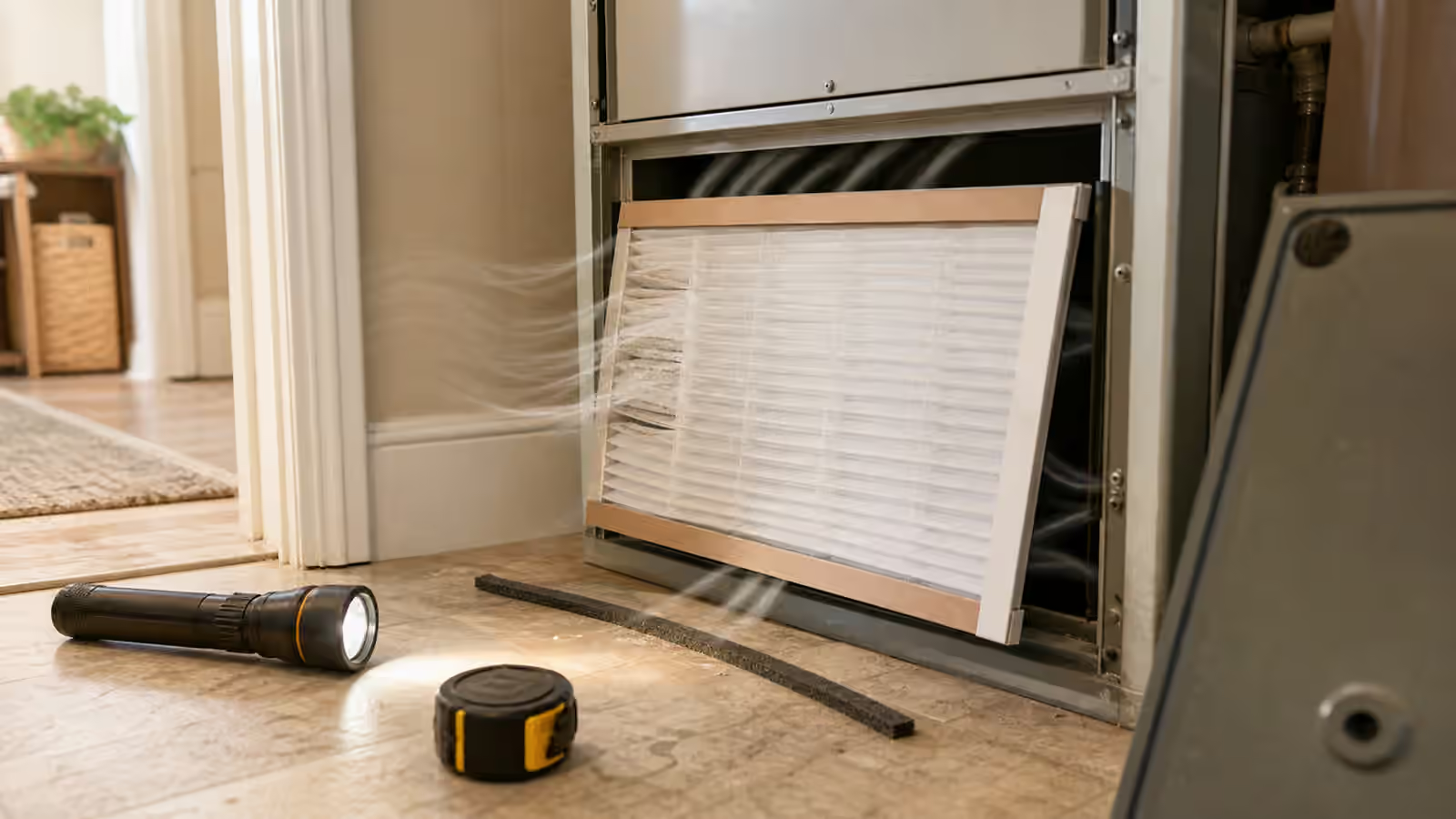
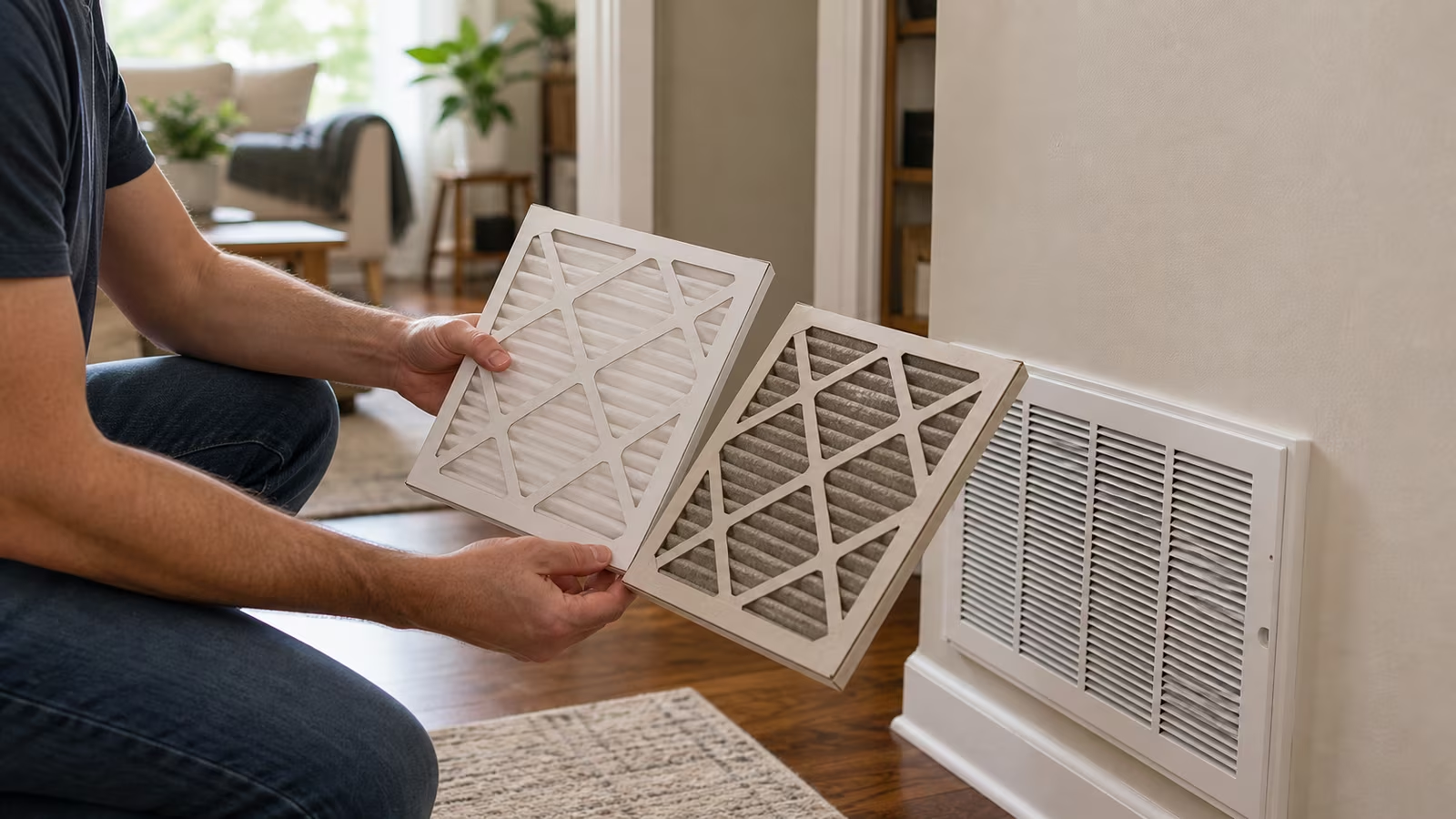
The whole strategy rests on the filter itself. Running the fan more simply pushes more air through whatever is in the slot, so a clogged or wrong-sized filter turns extra runtime into wasted electricity and strain on the system. Before you decide how often to run the fan, make sure the filter fits without gaps air can sneak around, is rated to actually catch fine particles rather than just lint, and gets changed on a real schedule rather than whenever you happen to remember. A dated note or reminder beats guessing, and the filter replacement calendar guide is built around making that routine stick. If you are unsure what your system can take without choking airflow, the HVAC filter checker tool helps you match filter rating and fit to your setup before you commit to running the fan more.
Noise, Comfort, And Living With The Choice
Whatever the theory says, the setting you keep is the one you can live with day to day, and that usually comes down to noise and drafts. A blower that hums quietly in the background is easy to leave running; one that is loud, rattles a return grille, or blows a cool draft across the couch on a mild evening tends to get switched back to “auto” within a week. It is worth spending a few days actually noticing how each setting feels in the rooms where you sit and sleep, rather than deciding on principle alone. Many people land on running the fan more during the daytime and shoulder seasons, when the house is active and the air benefits from turnover, and letting it rest overnight when a quiet, still room matters more. The point of “circulate” is that it lets you split that difference automatically instead of flipping the switch yourself, so the good habit survives the days you forget about it.
A Sensible Default For Most Homes
For a lot of households, “circulate” is the quiet winner: it gives you regular filtration and more even air between rooms without the full energy cost or the humidity penalty of pure continuous running. “On” makes the most sense during a defined problem, a smoke day, high pollen, or a stuffy stretch, when you want maximum turnover and are watching the situation. “Auto” is the frugal default and is perfectly fine when outdoor air is good and the house feels fresh on its own. There is no single right answer; the setting should follow the season, the climate, and what the air is doing that week, and it costs nothing to change it back.
For Renters And Boundaries
If you rent and cannot change the system or the filter it uses, you still usually control the thermostat fan setting, and pairing “circulate” with a good portable purifier in the main living space is a reasonable path; the renter-friendly clean-air setup guide covers working within those limits. Keep one boundary in mind: this is practical education about comfort and filtration, not medical advice, and no fan setting can promise a room is safe. Running the blower moves and filters air, but it does not fix a combustion problem, cure a moisture source, or substitute for a carbon monoxide alarm. If you smell fuel or exhaust, suspect carbon monoxide, or find mold and dampness the system keeps spreading, stop adjusting settings and bring in alarms, testing, or a qualified professional. Within those limits, the fan setting is one of the easiest levers you have, and using it deliberately, season by season, quietly improves the air the whole house shares.