Upgrading a furnace or air-handler filter is one of the few clean-air moves that touches the whole house at once, which is exactly why it deserves a little care rather than a rushed trip to the hardware aisle. When people hear that a MERV 13 filter captures more of the fine particles that carry smoke, pollen, and cooking haze, the natural reaction is to grab the highest number on the shelf. That instinct is understandable, but a filter only helps when the blower can still pull air through it, when it fits the slot without leaking around the edges, and when someone actually remembers to change it before it clogs. Those three conditions do more for your air than the printed rating ever will.
What MERV Actually Measures
MERV stands for Minimum Efficiency Reporting Value, a standardized scale that describes how well a filter traps particles of different sizes as air passes through it. The scale runs from low single digits, where a filter mostly stops lint and large dust, up through the low teens, where a filter begins to capture the fine particles that stay suspended in a room and reach deep into the lungs. A common cheap fiberglass panel sits near the bottom of the scale and is really there to protect the equipment, not the people. Pleated filters in the middle of the range catch a meaningful share of pollen, mold spores, and dust. Filters around the higher teens start to reach into the range of smoke and fine combustion particles that matter most on a bad-air day.
The number is a floor, not a promise about your specific home. It describes the filter’s performance under a laboratory test, moving a defined amount of air across clean media. Your duct layout, blower strength, filter size, and how snugly the frame seats in the slot all change what you actually get. This is why two homes can install the same filter and have very different results. The rating is a starting point for a conversation with your own system, not a verdict handed down from the box.
The Airflow Trade-Off Nobody Prints on the Box
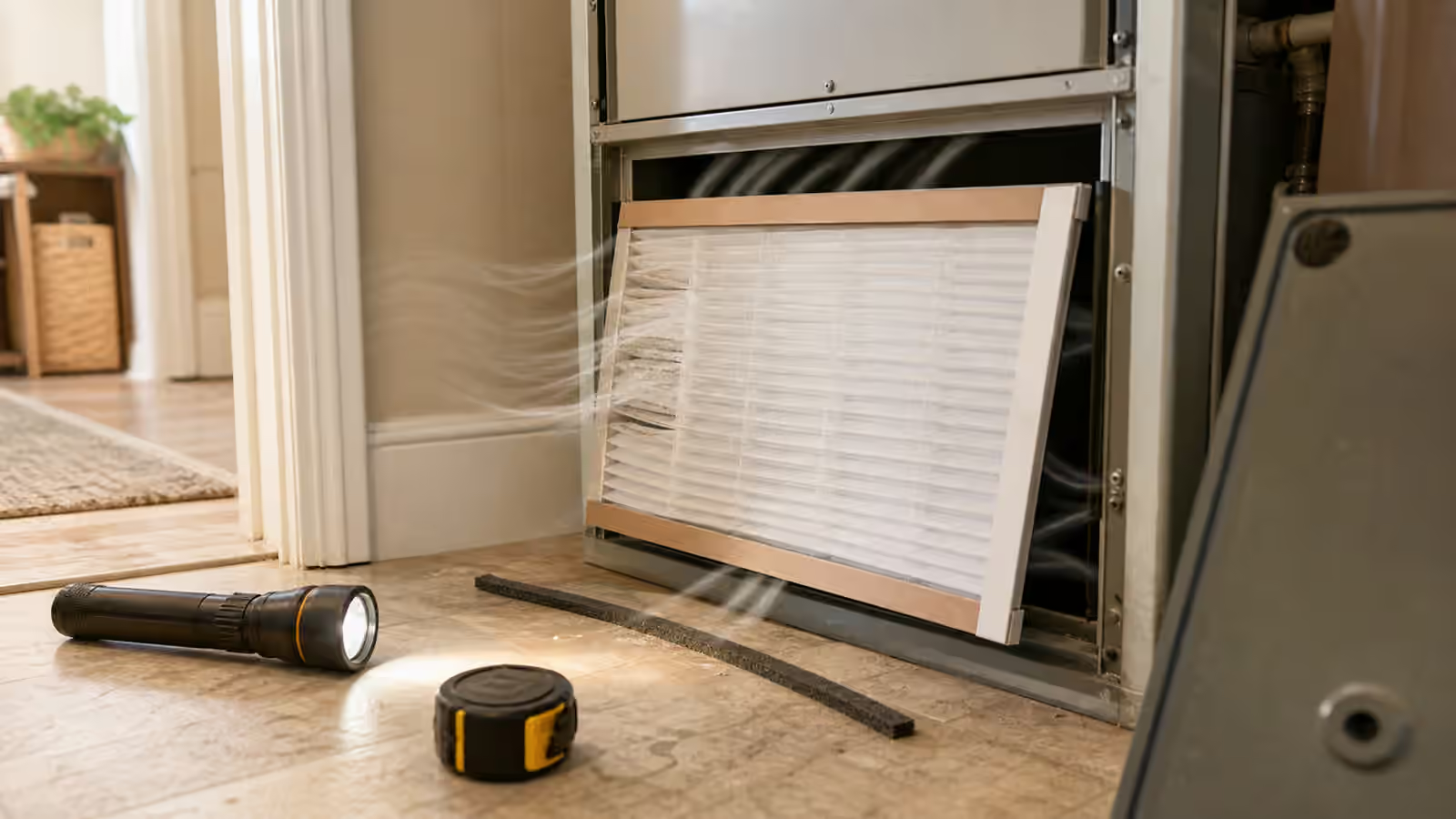
Every filter resists the air trying to pass through it, and denser, higher-rated media resists more. That resistance is called pressure drop, and it is the quiet reason a filter upgrade can backfire. A blower sized for a low-resistance panel may struggle against a thick, high-MERV pleat, especially if the ductwork is already tight or the return grilles are undersized. When that happens you can see longer run times, whistling around the filter edges, ice on an air-conditioning coil, short cycling, or simply less air reaching the far rooms. In the worst cases the system works harder for worse comfort and the higher filtration never fully arrives because air finds the path of least resistance and slips around the frame.
The practical way to avoid this is to give the filter more surface area rather than more density. A deeper filter, the kind that sits in a four- or five-inch cabinet instead of a one-inch slot, spreads the same airflow across far more pleated material, so it can hold a strong rating while resisting air much less. If your system only accepts a thin one-inch filter, a moderate MERV with a good pleat count is often a smarter target than the very highest rating, and it will stay effective longer because it clogs more slowly. When you are unsure whether your blower can handle a jump, that is the moment to ask an HVAC technician rather than to guess, particularly on older equipment or a heat pump running in cold weather.
Getting the Size and Fit Right
Filtration quietly fails at the gap. A filter that is a half inch too small, or one that bows in a slot without a proper retainer, lets a share of the air stream sneak past unfiltered, and that bypass undoes much of the benefit you paid for. Before choosing a rating, pull the current filter and read the nominal size printed on the cardboard frame, usually three numbers for width, height, and thickness. Nominal sizes are rounded, so a filter labeled a round number is often slightly smaller in actual dimensions to allow it to slide in; that is normal, but a filter that genuinely rattles in the slot is not. Note the thickness especially, because a cabinet built for a deep filter and a return grille built for a thin one are different homes for different products, and forcing the wrong depth either leaves gaps or will not seat at all.
Run the HVAC Filter Checker once you have those measurements and a sense of your system type. It will not inspect your ductwork or approve a specific model, but it gives you a structured place to record the filter size, the slot depth, the age of the current filter, and whether your goals point toward a modest pleated upgrade or a deep-cabinet solution worth a professional’s input. Enter what you can actually observe. If you do not know your blower’s capacity or whether the return is undersized, write that uncertainty down rather than assuming the highest rating is safe.
Replacement Timing Is Half the Job
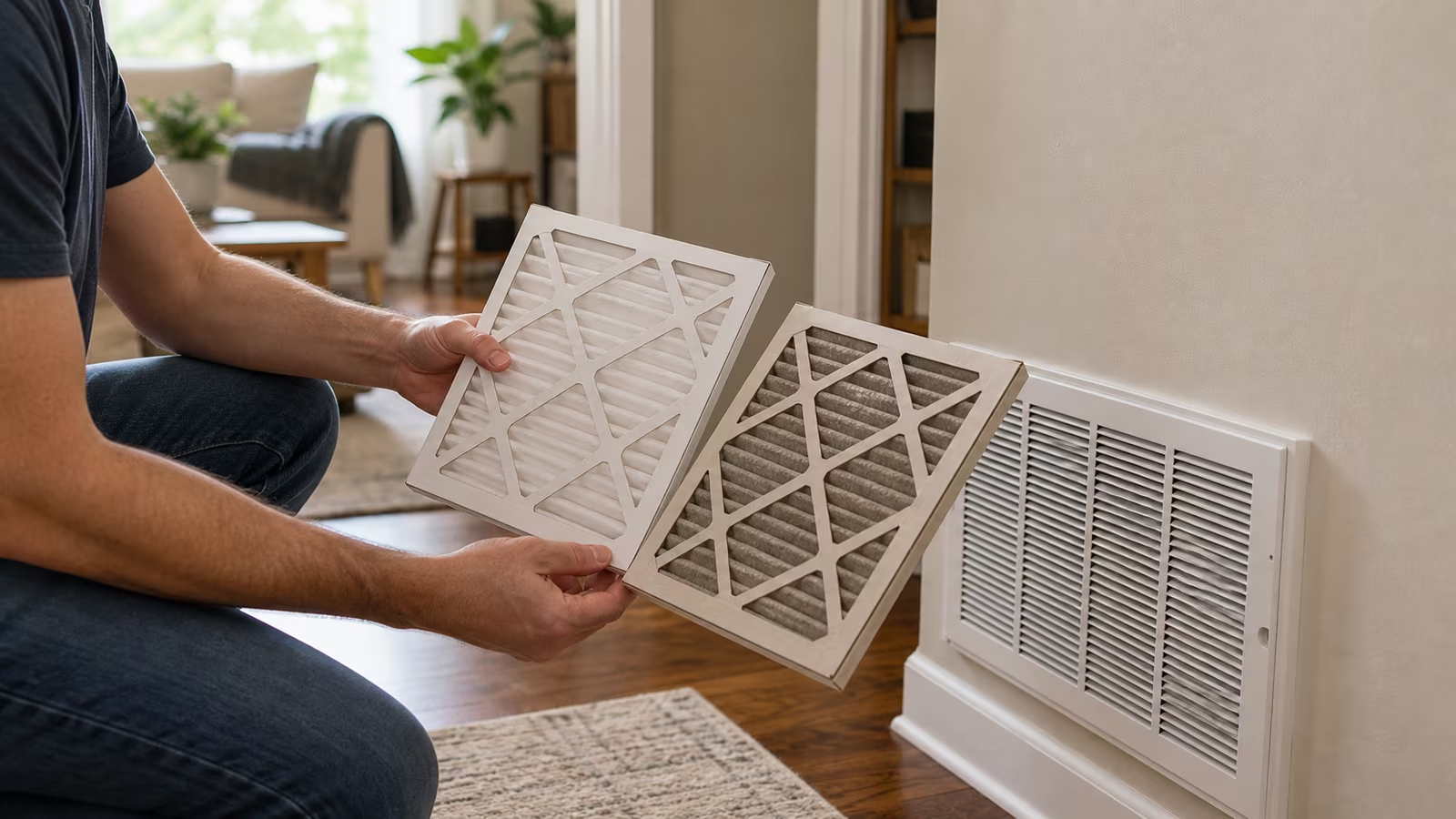
A high-rated filter left in place for a year is often worse than a modest filter changed on schedule. As a pleated filter loads with dust it resists more air, and past a certain point it starves the system and begins to shed captured material back into the stream. The right interval depends on the home rather than a single printed month count. Households with shedding pets, nearby construction, frequent frying, wildfire seasons, or a filter that also serves as the whole-house dust catcher will load filters faster than a quiet, sealed apartment. A thin one-inch filter may need attention every month or two during heavy seasons, while a deep-cabinet filter can often run several months or more.
Rather than trusting a guessed date, look at the filter in decent light. A gray, matted, or bowed surface means it is done regardless of the calendar. Many people write the install date directly on the cardboard frame in marker, or keep a note on the phone tied to the season, so the change happens before the filter turns into an airflow bottleneck. Pairing the filter change with another seasonal habit, such as testing smoke and carbon monoxide alarms, keeps it from being forgotten. Our companion guide on building a filter replacement calendar covers that rhythm in more depth.
Where a Central Filter Fits in the Bigger Picture
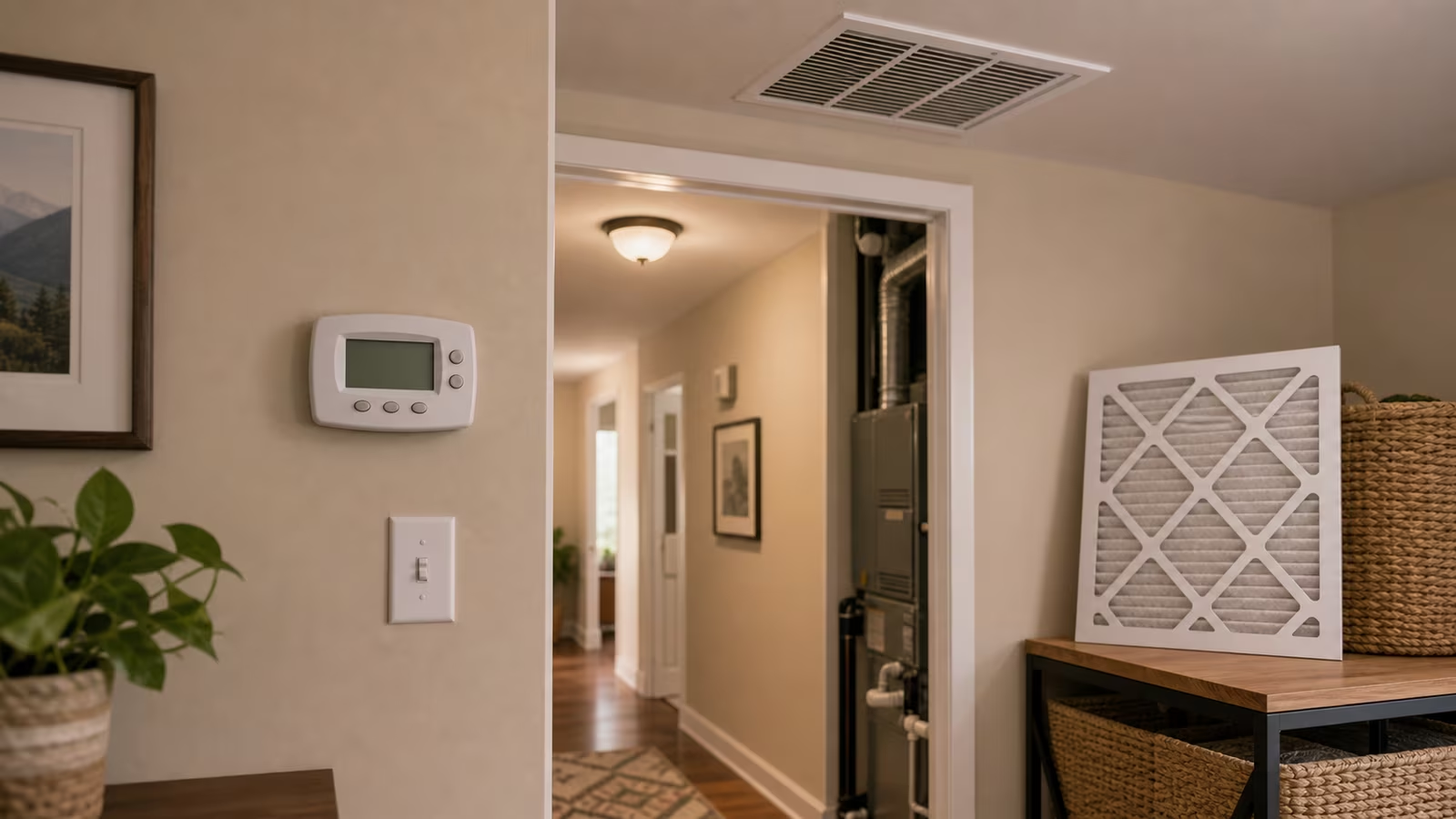
A central HVAC filter is powerful precisely because it treats every room the system serves, but it only works while the system fan is moving air. If your thermostat fan setting is on Auto, the filter only cleans during heating and cooling calls, which in mild weather can be very little of the day; running the fan on a circulate or on setting extends filtration but uses energy and depends on the blower tolerating the filter, a balance the guide on fan on, auto, or circulate unpacks. A central filter also does nothing for gases and odors on its own, which is where thin activated-carbon layers or a separate approach come in. And it cannot substitute for handling the source: a filter chasing constant frying smoke or a damp musty corner is a filter fighting a losing battle.
Think of the central filter as the ventilation-and-filtration layer of a larger order that starts with reducing sources, brings in clean outdoor air when the outdoor air is acceptable, filters what remains, controls moisture, and keeps everything maintained. Upgrading the filter is a genuine improvement within that order, not a shortcut around it.
Boundary and Sources
This is practical education, not medical advice, and no filter choice can make a room risk-free. A better filter can reduce particles, but it does not diagnose symptoms, and it is not a response to an emergency. If you smell gas, suspect a combustion or carbon monoxide problem, find extensive mold, or notice the system icing, short cycling, or straining after a filter change, stop experimenting and bring in a qualified HVAC or building professional. Federal resources such as the EPA’s guide to air cleaners in the home and its broader indoor air quality pages, along with the ASHRAE test standard behind MERV ratings, are the right places to check when the situation grows beyond an ordinary filter swap or local conditions change.