Drying laundry indoors feels too ordinary to count as an air-quality issue, which is exactly why it sneaks up on people. A rack of wet towels, a load of slow-drying synthetics, a scented detergent, or a dryer with a neglected lint path does not announce itself the way smoke or a musty basement does. Yet every one of them changes the room. Water leaves the fabric and has to go somewhere, lint drifts onto shelves and floors, fragrance settles into the air, and a small laundry area can feel heavy and close for hours after the machine stops. The useful question is never whether you are allowed to dry clothes inside, because plenty of homes must, but whether the room gives that water a way out.
A Drying Rack Is a Slow Humidifier
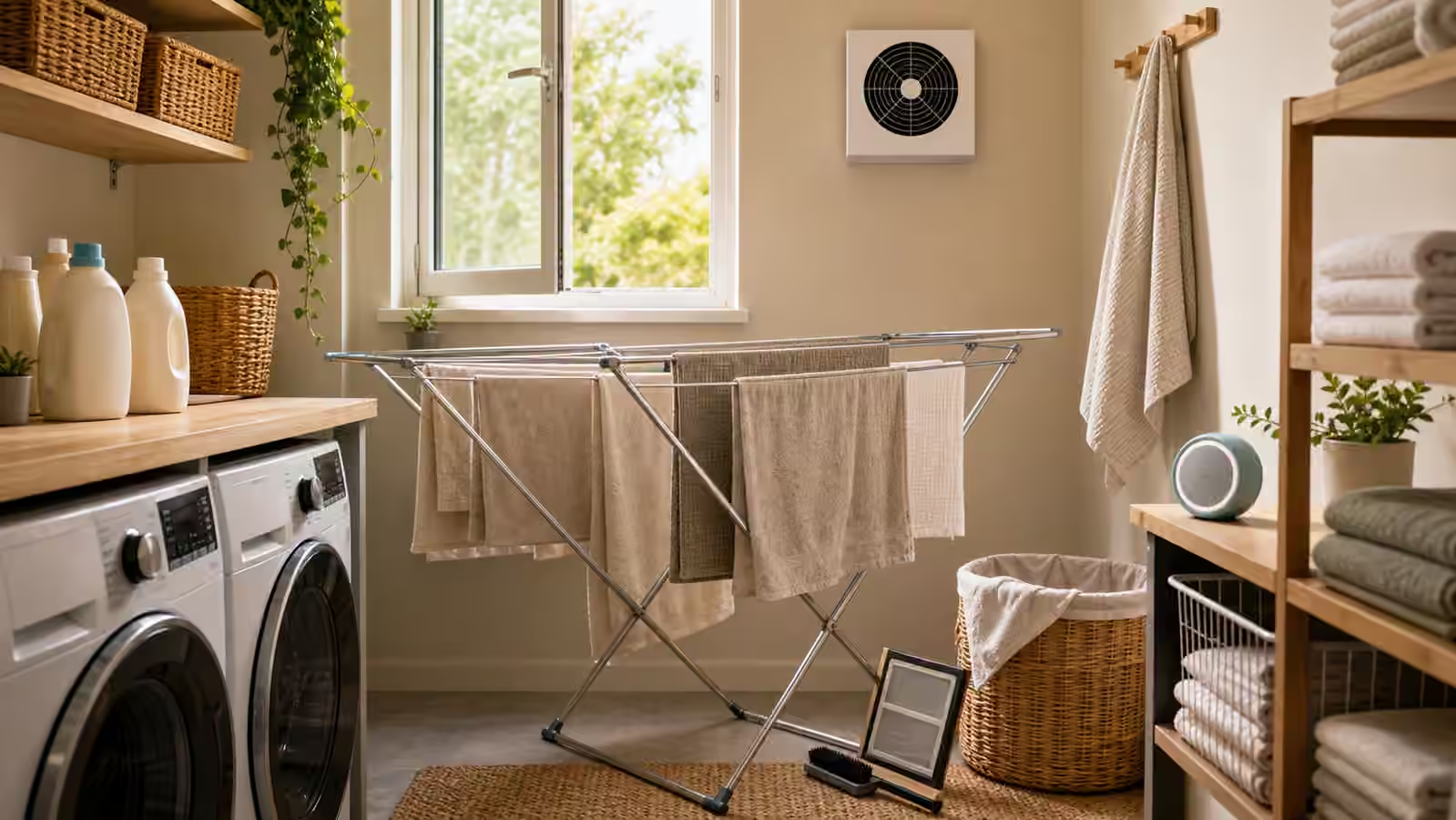
It helps to picture a loaded drying rack as a humidifier that happens to be shaped like laundry. That is not a criticism, just physics: the water in the fabric evaporates into the room, and the same humidity logic that governs any damp space applies here. In a well-ventilated room with modest loads, that moisture disperses and the space returns to normal. In a small, closed, or already-damp room, it lingers, condensing on the coldest surfaces and feeding the sour, musty cycle that towels and soft goods fall into when they never fully dry. The honest test is simple to observe: does the humidity return to a comfortable range after the load dries, do the windows fog, and does the room smell stale the next morning.
How you hang the load matters more than most people expect. A crowded rack dries slowly because air cannot reach the inner folds, so those surfaces stay damp longest and release moisture for hours. Heavy items like towels and jeans hold water far longer than thin shirts, so mixing them on one rack leaves the thick pieces damp long after the light ones are done. Hanging a load inside a closed closet quietly turns that closet into the drying room, which is rarely the intention. A fan only helps when it pushes the damp air toward somewhere it can leave; a fan stirring wet air around a sealed room just spreads the moisture faster without removing any of it.
Choosing the Exit Path
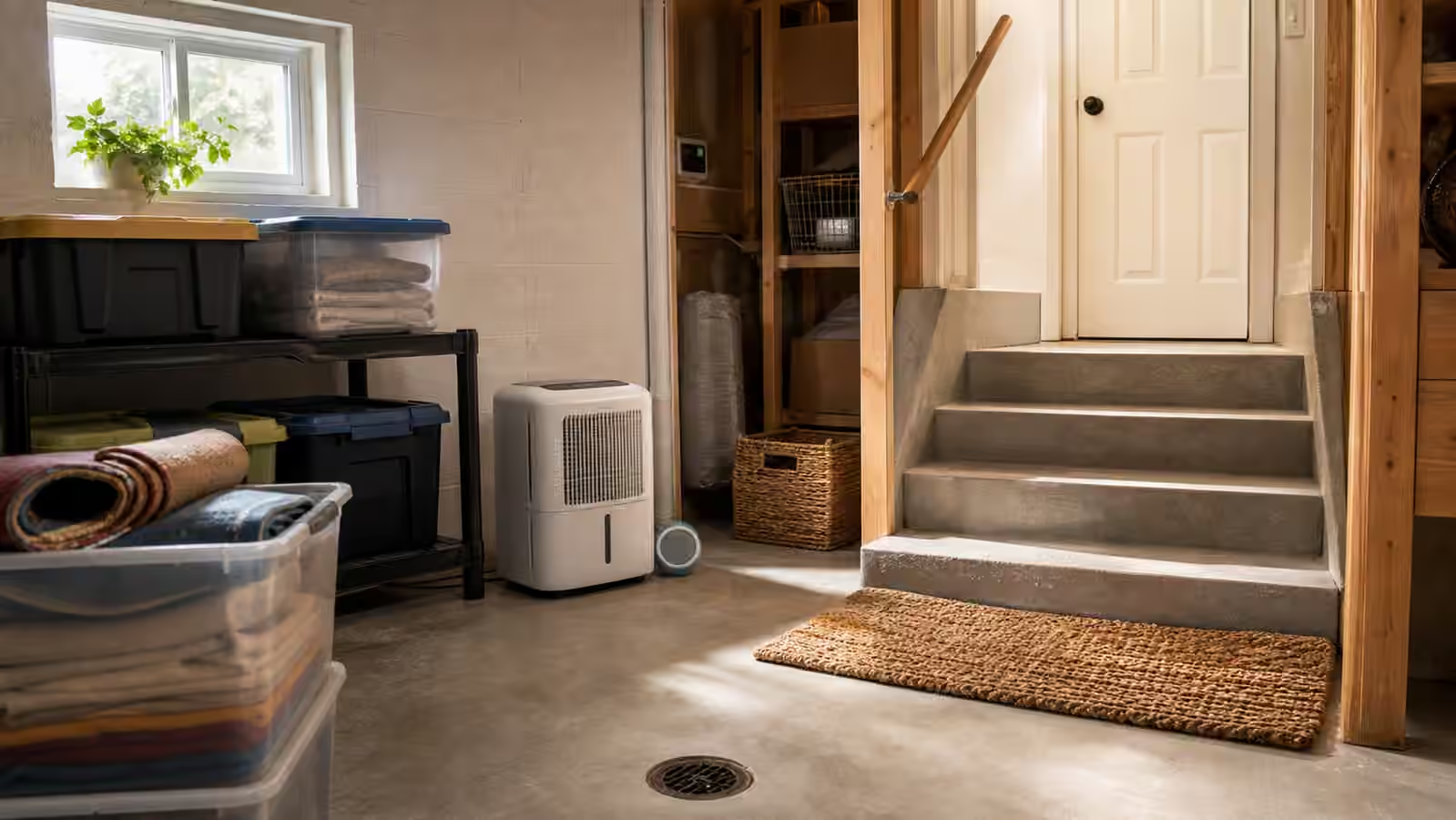
Every indoor drying setup needs a chosen route for the water to leave, and the right route depends on the room and the weather outside. An open window works when the outdoor air is genuinely drier and cleaner than the room, and it works against you on a humid, smoky, or high-pollen day, when it invites in exactly what you do not want. A bathroom or laundry exhaust fan helps when it vents outdoors and runs long enough, well past the point where the visible dampness is gone. A dehumidifier earns its place in a basement laundry corner or a windowless room where drying is routine, pulling the moisture the room cannot shed on its own. And sometimes the simplest fix is spatial: one small rack in a larger, airier room behaves far better than the same rack crammed into a tiny closed bathroom.
This is the same moisture problem the bathroom exhaust and shower moisture guide describes, and the two chores compound each other. If a bathroom already struggles to dry out after showers, adding a rack of wet laundry to that same room can keep it damp long enough to invite trouble. Thinking about the exit path before hanging the load, rather than after the room feels heavy, is what keeps indoor drying from becoming a slow moisture problem.
Lint and Fragrance Are Separate Problems
Moisture gets the attention, but two other laundry issues deserve their own handling. Lint is the first. It collects on dryer screens, floors, racks, and nearby shelves, and a neglected lint screen makes the room dustier while making the dryer work harder. A dryer that vents indoors when it should vent outside, or one whose duct is crushed or disconnected, is an appliance and building problem, not something a scented spray or an air purifier can paper over, and it deserves a proper look rather than a fragrance fix. Keeping lint paths genuinely clear is mundane maintenance that quietly improves the room.
Fragrance is the second. Scented detergents, boosters, softeners, and dryer sheets make clothes smell finished, but they also deposit compounds onto fabric and into the room’s air, and a small laundry space concentrates them. Some households are fine with that and some find it harsh; the point that matters for air quality is not to use scent to cover dampness. If a room or a load smells musty, layering perfume over it hides the signal without fixing the cause. The cleaning products, VOCs, and fresh air guide goes deeper on product choices, but the laundry rule is short: use less when less works, and never let fragrance stand in for actual drying.
Give Towels and Damp Textiles a Real Finish
Towels are usually the early warning system. They are thick, they collect skin oils and detergent residue, and they sour fastest when folded before they are truly dry. A towel that smells fine fresh from the wash but turns musty the moment it gets wet again is not asking for stronger scent; it is asking for a better wash, rinse, and full dry, and for storage with enough air that it does not go into a sealed damp stack. The same logic covers gym clothes, bath mats, washable pet blankets, and cleaning cloths, all of which carry moisture and organic material and need a quick path from use to washing to complete drying. A hamper with some airflow beats a sealed bin for damp items, though the better answer is usually not letting wet textiles sit at all.
When indoor drying is a regular part of life and the room cannot ventilate well, a dehumidifier sized for the space, drained safely, and cleaned so it does not become its own source of odor is a fair investment. A portable air cleaner may cut lint and dust if the room doubles as a folding or sewing space, but it will never remove water from wet fabric, so it is not a substitute for a drying path. When a laundry room feels damp and the cause is not obvious, the humidity and musty-smell triage tool gives you a structured way to record what you actually observe, such as a room that smells fine with the window open but musty after a rack dries overnight, which is genuinely useful information about where the moisture is coming from.
Keep the Routine Small, and Know the Boundary
The best laundry air routine is unglamorous: space the rack, pick the exit path, keep lint paths clear, go light on scent, dry thick items completely, and glance at the humidity when the season changes. That is practical education rather than a guarantee, and it does not replace fixing a building. If a room stays damp no matter what you do, if walls or ceilings show water staining or damage, if the dryer vent seems wrong, or if stored items smell musty regardless of the laundry routine, step back from product tweaks and treat it as a moisture and building problem, following EPA mold and indoor air guidance and calling in qualified help where needed. Clean laundry should leave a room feeling lighter, not heavy with water and perfume.