A musty smell is a message, not a verdict. It arrives without a puddle on the floor or a black patch on the wall, so it is easy to either ignore it or panic about mold. The useful response is neither. Musty is the particular smell of damp organic material, and its job is to send you looking for water: where it is coming in, where it is condensing, or where something absorbed it and never dried out. Triage means working through the possibilities in a sensible order so you can tell a stale, closed-up room from a genuinely damp one, and a harmless drying-out from a problem that needs a professional.
Stale Is Not The Same As Damp
The first fork in the road is the cheapest one to check. A room that has simply been shut up, unused, and unventilated smells flat and closed, but the smell lifts quickly once you open a window and move some air through on a dry day. That is stale air, and it is a ventilation issue, not a moisture one. If airing the room out for an afternoon clears the smell and it stays gone, you were chasing staleness, and the guide to ventilation basics for stale rooms is where the story ends.
Musty is different. It has a heavier, earthy, slightly sweet edge, it clings to fabric, and it comes back after you air the room out because the source is still wet. If the smell returns within a day of opening the windows, you are not dealing with stale air; you are dealing with moisture that has a home somewhere in the room. That distinction, made early, saves you from buying a dehumidifier for a problem a window would have solved, or from airing out a room forever when something in it needs to be dried or removed.
Read The Humidity Before You Read The Smell
Your nose is sensitive but not calibrated, so put a number next to it. An inexpensive hygrometer left in the suspect room for a day tells you whether the air itself is carrying too much moisture. Indoor humidity that sits high, especially in a room that feels cool, is the background condition that lets musty smells breed, and it points toward whole-room causes: poor ventilation, a damp basement, a humid season, or a dehumidifier that is not keeping up. Humidity that reads comfortable while one corner still smells suggests a localized source rather than a roomwide one.
This is where the humidity and musty-smell triage tool is genuinely useful, because it turns those scattered readings into an ordered next step instead of a vague worry. Give it honest inputs, including the ones you are unsure about, and let it point you toward whichever branch fits: air-drying the whole room, hunting a specific wet object, or looking harder for water intrusion. It will not diagnose anything, and it is not a substitute for looking with your own eyes, but it keeps the investigation from collapsing into “buy a machine and hope.”
Hunt The Cold Surfaces And The Hidden Corners
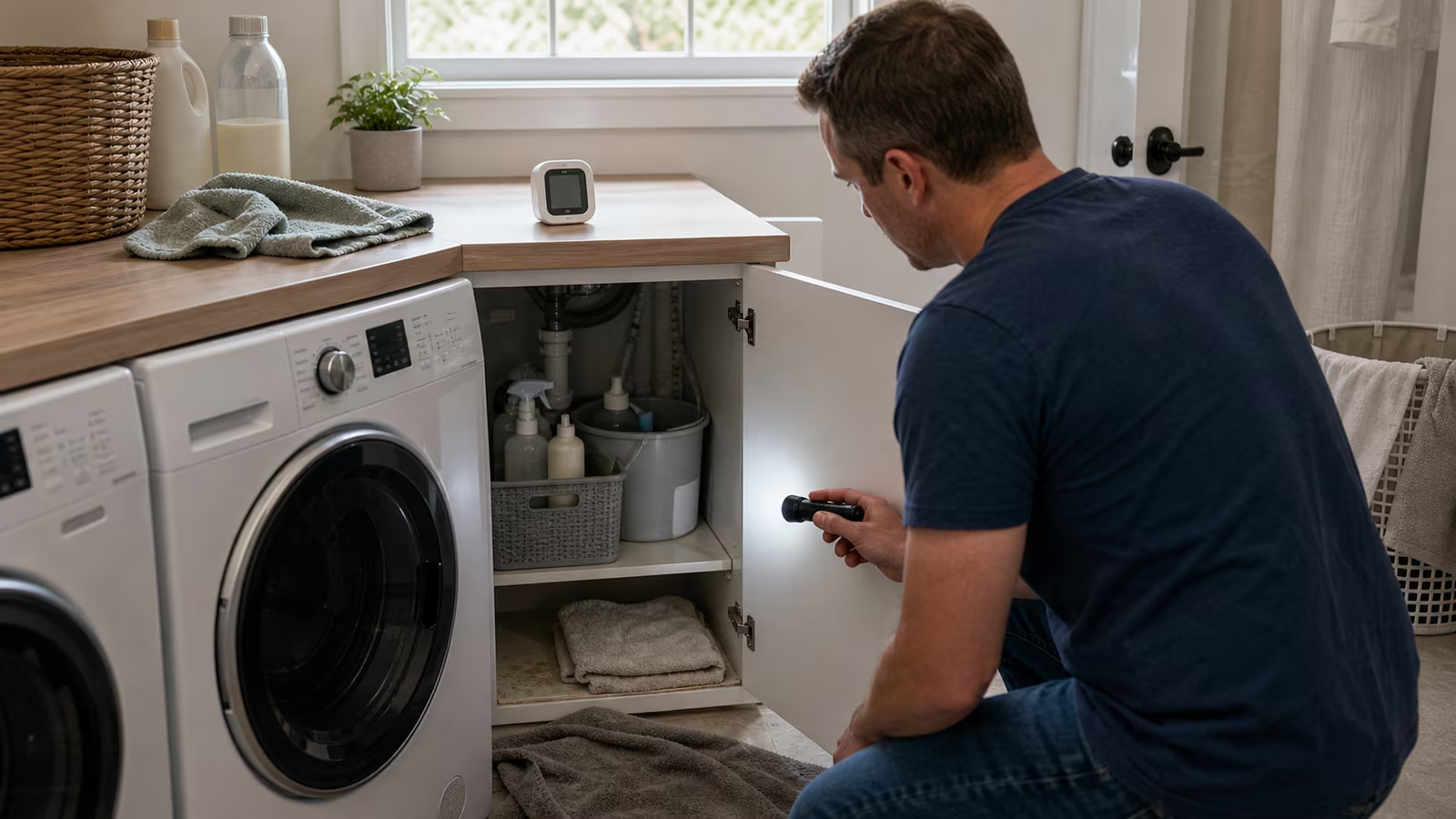
Moisture likes to condense where warm room air meets a cold surface, so those are the places to look first with a flashlight in hand. Run your attention along exterior walls, the wall behind a large piece of furniture that blocks airflow, the inside of closets on an outside wall, window frames that sweat in winter, and the floor under and behind anything heavy. A storage bin pushed against a cold basement wall, a mattress on a slab floor, or a stack of boxes in an unheated corner can all stay quietly damp long enough to smell without ever looking obviously wet.
Then check the things that hold water by nature. Stored fabrics, old cardboard, rolled rugs, forgotten laundry, and anything cellulose-based act as sponges and will keep re-emitting a musty smell until they are dried or discarded. Drains that dry out, such as a rarely used floor drain or a sink trap, can also let sewer-tinged, musty air rise into a room. Recent water events matter too: a small overflow, a slow appliance leak, a damp spell after heavy rain, or a spill under a sink that was mopped on top but never dried underneath. Note anything you find and its location, because a smell that tracks to one object is a very different problem from a smell that fills the whole room.
Fix The Water Before You Touch The Air
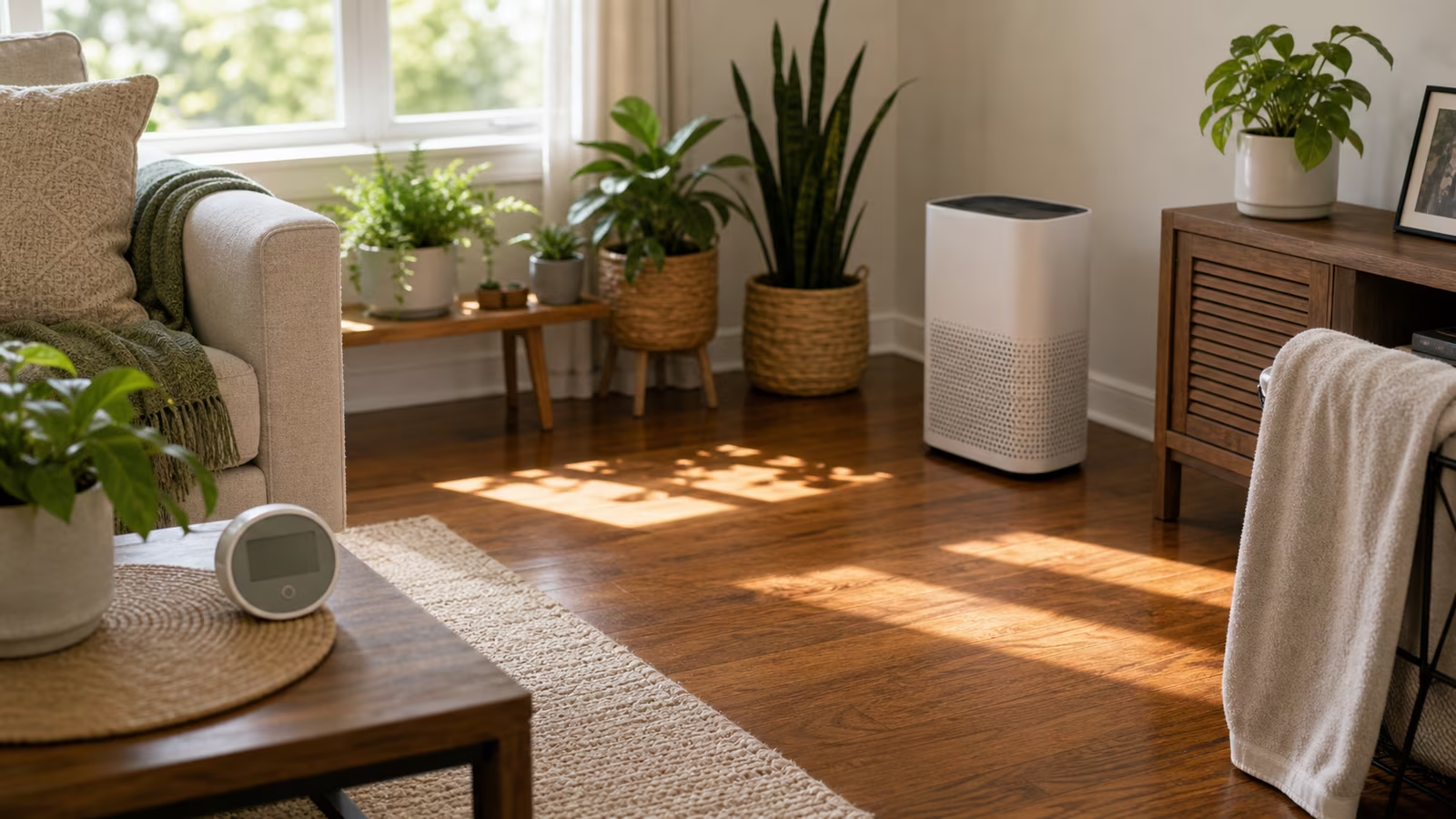
Once you have a candidate, resist the urge to reach for fragrance. A scented spray or plug-in over a musty room hides the very signal you need and adds compounds of its own, and an air purifier, however good it is with particles, does not remove the water that is feeding the smell. The order that actually works runs the other way: dry or remove the wet material first, lower the room’s humidity if the hygrometer says it is high, improve the airflow so surfaces stop staying damp, and only then consider filtration for whatever particles remain.
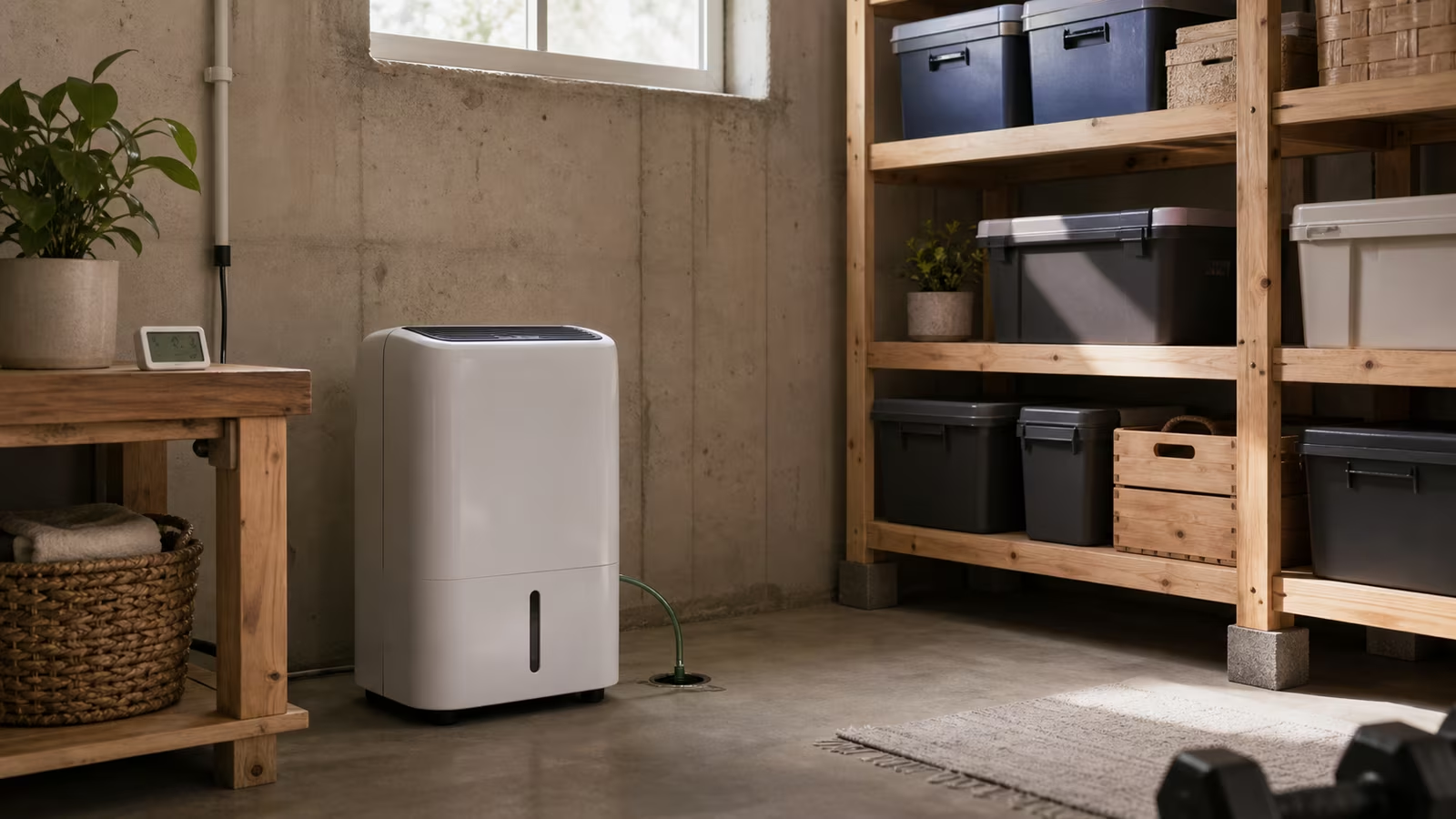
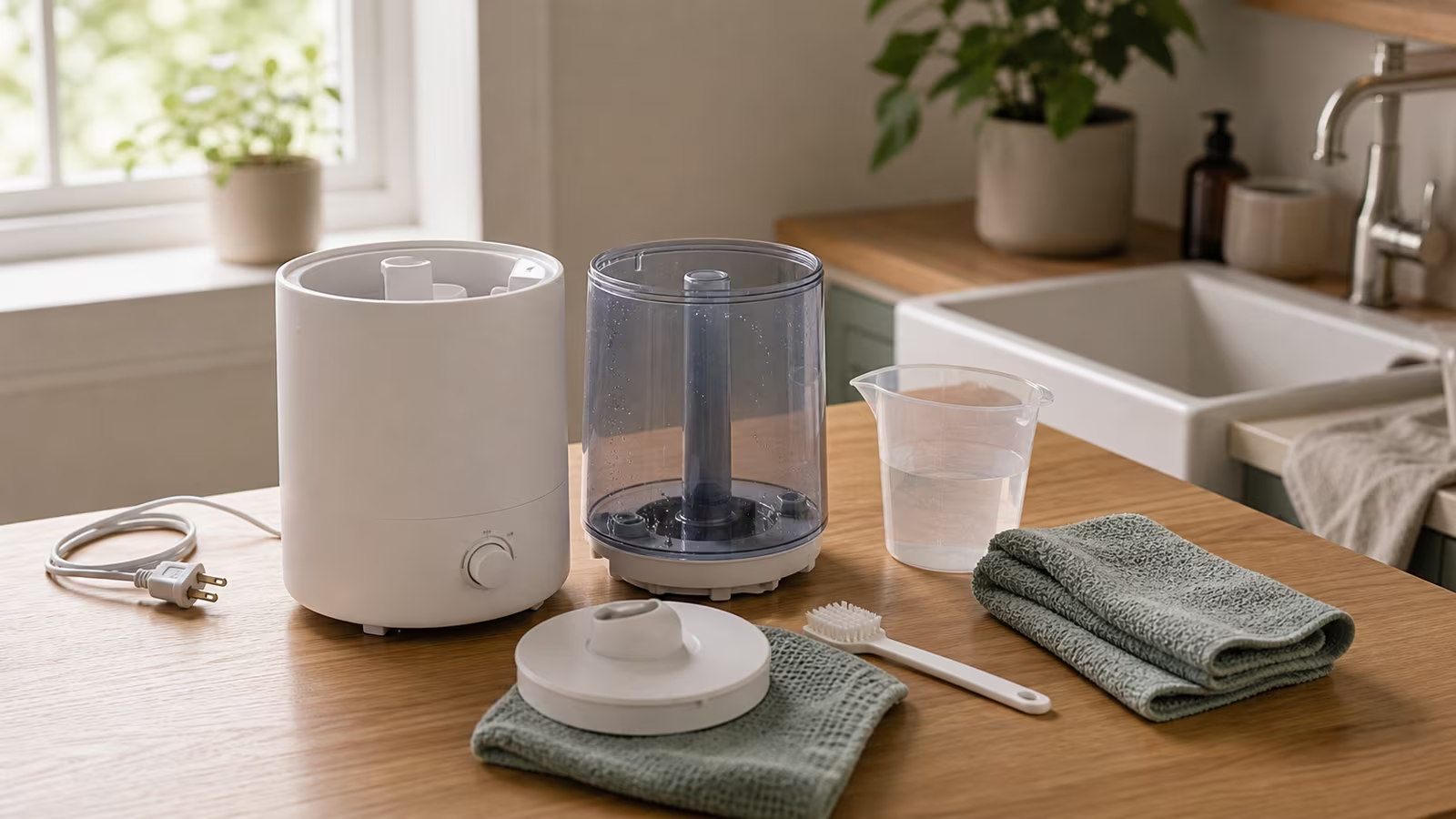
Practically, that might mean pulling a damp bin off a cold wall and raising it onto a rack, washing and thoroughly drying the fabrics that absorbed the smell, running an exhaust fan or opening a window when outdoor air is drier than indoor air, and adding a dehumidifier only if the humidity reading justifies one. If a humidifier elsewhere in the home is part of why the air is damp, the guide to humidifier safe use and cleaning is worth a look, because a neglected humidifier can quietly become a musty-smell factory in its own right. Change one thing at a time and let the smell tell you whether it worked.
When Triage Turns Up Something Bigger
Triage has a ceiling, and the honest part of this guide is knowing where it is. If your search turns up visible mold spreading across more than a small patch, a soft or stained surface, water that keeps returning no matter how often you dry it, a sewage smell, or a leak you cannot find the source of, you have crossed out of do-it-yourself territory. The same is true if the musty room is making someone in the household feel unwell; that is a question for a doctor, not a spray bottle. The companion guide on mold and moisture: when to stop DIY walks through those thresholds in more detail.
This guide is practical education, not medical advice, remediation, or a guarantee that a room is safe. Its aim is narrower and more useful: to help you tell stale air from damp air, find the water when there is water, and dry or remove it before you ask an air cleaner to do a job it was never built for. Where the smell points past ordinary dampness toward extensive mold, hidden leaks, sewage, or a building-safety issue, document what you have found and bring in qualified help rather than pushing the investigation past its limits.