Home projects are one of the few times you deliberately add pollution to your own air. Paint gives off solvents as it cures, sanding drywall and old finishes throws fine dust into every corner, new flooring and adhesives off-gas for days, and a freshly delivered sofa or particleboard cabinet can carry a chemical smell for weeks. None of that means a project is dangerous, but it does mean the air changes on a schedule you can anticipate. The whole art of managing project air is planning around that schedule: isolating the mess, timing the fumes, and giving the room space to finish releasing what it needs to release before you move back in and call it done.
Two Different Problems Wearing One Hat
It helps to separate what a project actually releases, because dust and vapor behave differently and are controlled differently. Sanding, cutting, and demolition produce particles: they are heavy enough to settle on every surface, they respond well to a good filter, and they are the reason a room looks hazy in a shaft of sunlight days after the work stopped. Paint, finishes, adhesives, solvents, and new furnishings produce vapors, the volatile compounds that give a room its new-paint or new-furniture smell. A particle filter does almost nothing for those; they are diluted by fresh air and by time, not caught by a HEPA cartridge.
Getting this distinction right saves money and disappointment. People often buy a powerful purifier for a freshly painted room and are puzzled that the smell lingers, because the machine was built for the wrong half of the problem. Dust wants filtration and cleanup; vapors want ventilation and patience. Most renovations produce both at once, in overlapping waves, which is exactly why a single tool is never the answer and a small plan is.
Contain The Dust Before It Travels
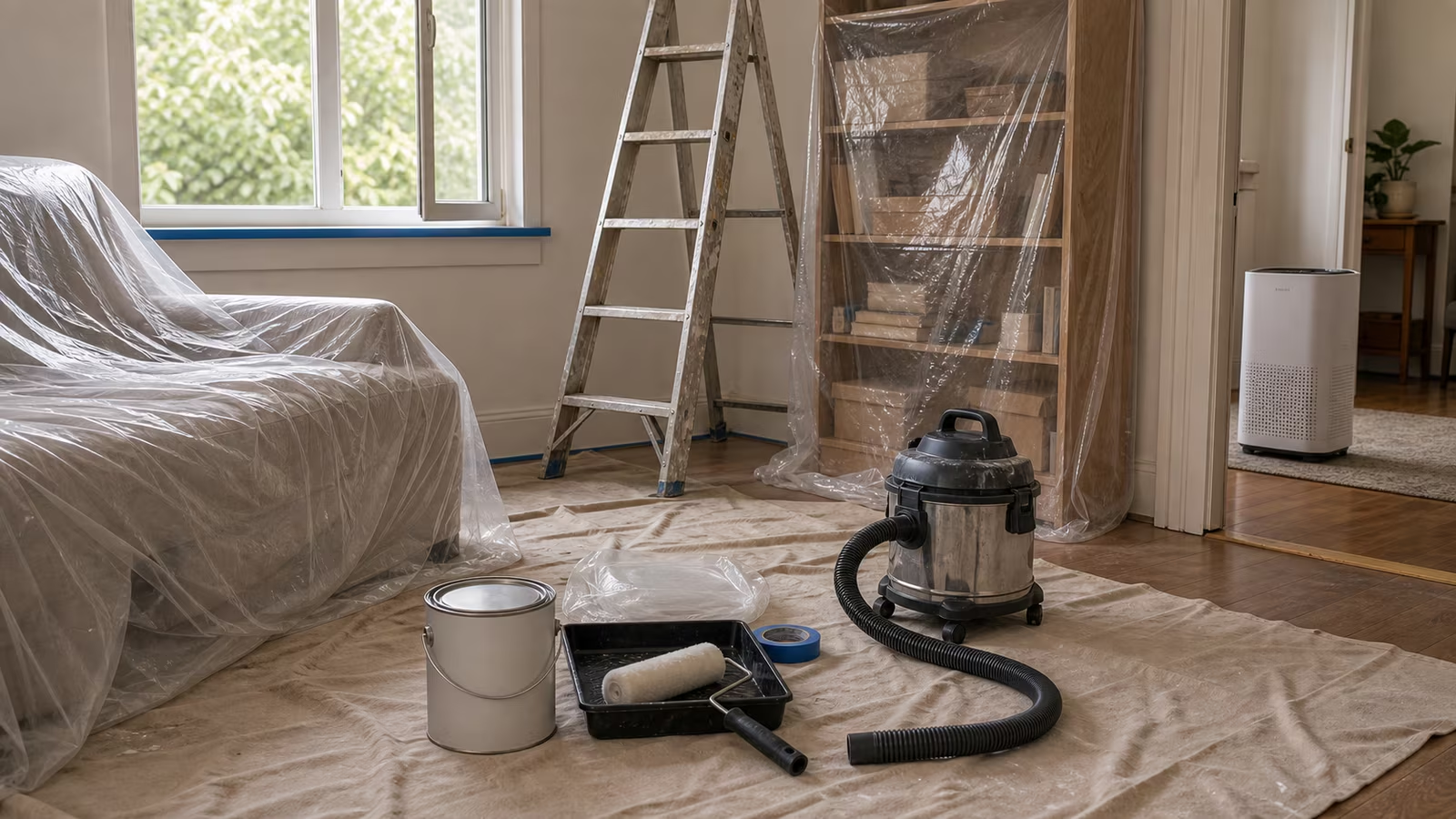
The cheapest dust control is a boundary. A project confined to one room with the door shut, the gaps taped, and a plastic sheet over the doorway keeps drywall and demolition dust from coating the whole home, and it means cleanup is a room instead of a house. Closing or covering the return grille of a central heating and cooling system in the work area matters just as much, because a running system will happily pull fine dust into the ductwork and redistribute it into bedrooms you never touched. If the system has to run, a snug, appropriately rated filter and a prompt change afterward keep the damage contained.
When the messy work is done, clean before you filter. Damp-wipe surfaces, vacuum with a machine that will not simply spray the fine stuff back out, and let disturbed dust settle before you decide the air is bad. This is the moment a purifier finally earns its place: sized for the room and left running after cleanup, it clears the fine particles that stay airborne longest. The related guide on how these overlaps play out during a move, paint, renovation, and move-in dust stacked together , is worth a look if you are unpacking and renovating in the same week, because the two dust loads compound each other.
Ventilate The Fumes On A Schedule
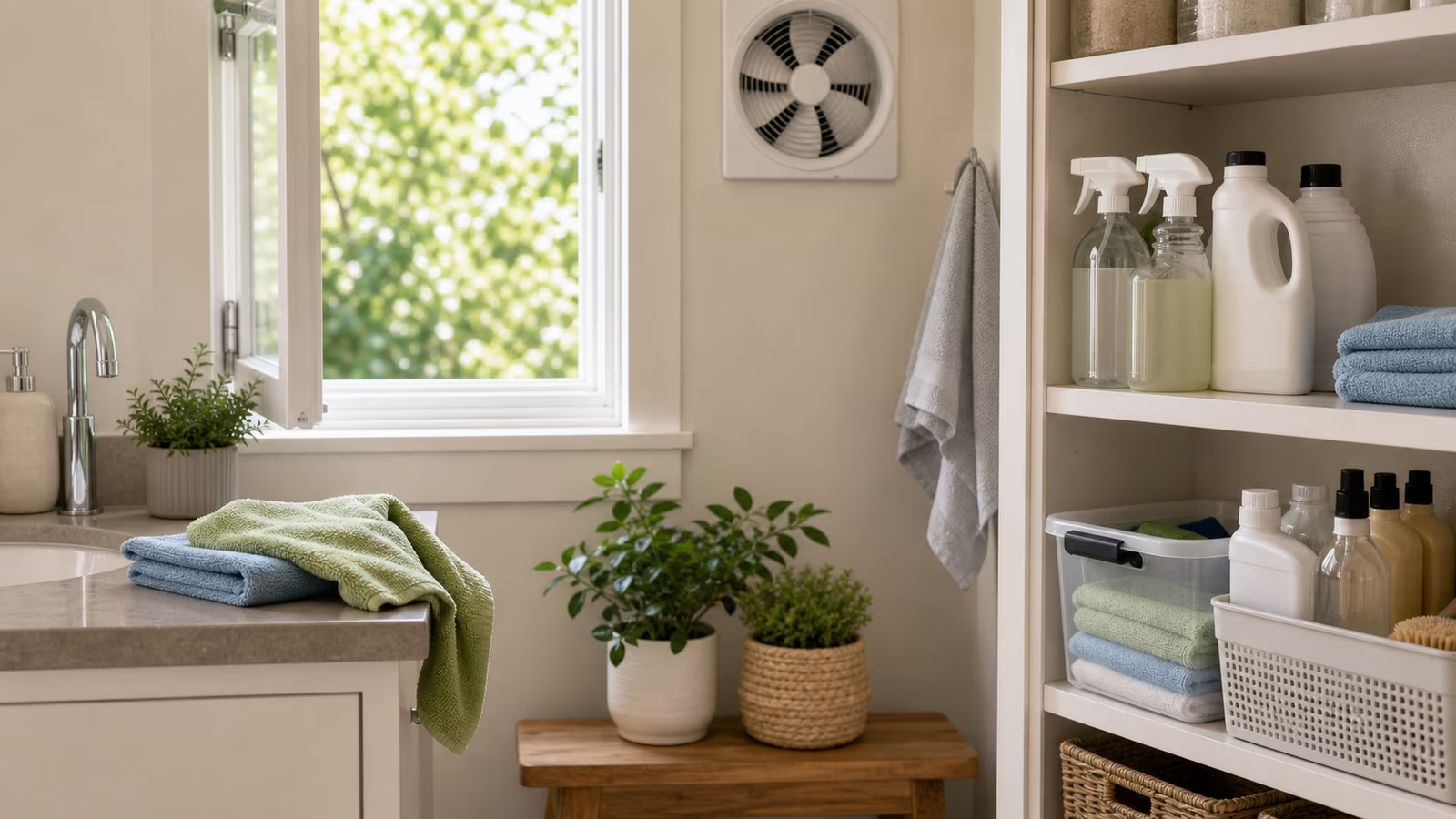
Vapors are a timing problem, and time plus fresh air is the honest cure. While paint cures or a new floor off-gasses, moving genuinely fresh outdoor air through the room and out again carries the compounds away faster than any indoor gadget, provided the outdoor air is worth bringing in. A fan set in a window blowing outward, with another window cracked to let replacement air in, turns a room over far more effectively than a fan just stirring the same air in a circle. The catch is that ventilation only helps when what is outside is better than what is inside, so a smoky, high-pollen, or heavily trafficked day is one to keep closed and wait out.
Because fresh-air exchange is doing the heavy lifting, it is worth thinking about deliberately rather than by feel. The ventilation and CO2 helper gives you a structured way to reason about how much outdoor air a room is actually getting and when to open up versus stay shut, using carbon dioxide as a rough stand-in for how stale or well-exchanged the air is. It will not measure paint fumes directly, and it is not a safety instrument, but it keeps ventilation from being a guess. The single most protective habit during an active project is also the simplest: do not sleep in the room while it is still fuming. Give it its curing time first.
New Furniture Is A Slow-Release Project
The plastic wrap comes off a new mattress, cabinet, or sofa and the room takes on a distinct chemical smell that can last well beyond the first day. That off-gassing is the same category of problem as fresh paint, just slower and quieter, and it responds to the same treatment: air the item out, ideally in a well-ventilated space or even a garage or balcony for the first day or two, and keep the room it lives in ventilated while the smell fades. Heat speeds the process, so a warm, aired room finishes off-gassing sooner than a cold, sealed one.
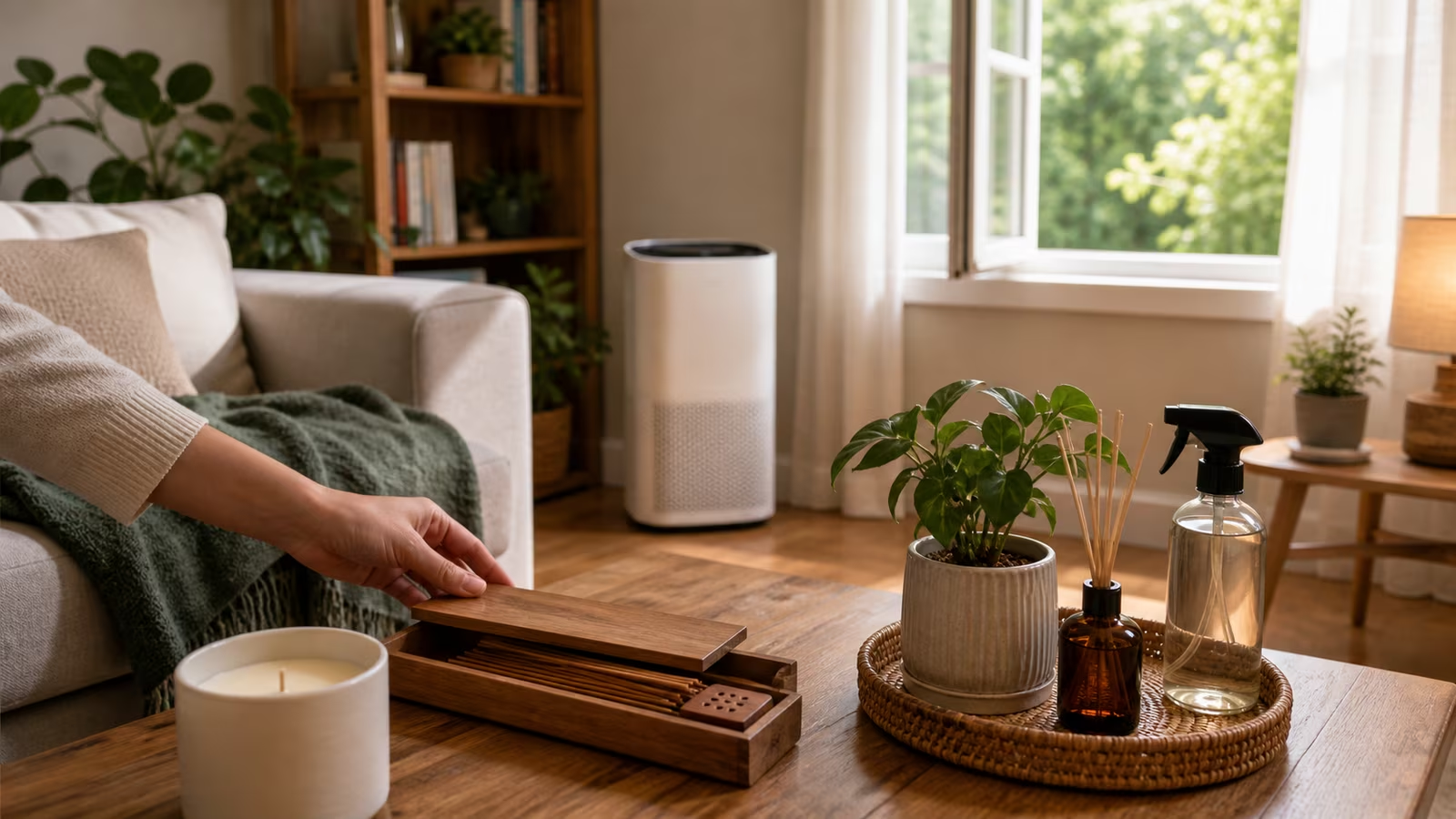
The temptation is to cover the smell rather than clear it, and that is where projects quietly go wrong. Layering candles, plug-ins, or fabric sprays over a curing room masks the signal and adds its own compounds to the mix, as the guide to candles, incense, and fragrance in room air explains. If the goal is genuinely cleaner air, subtraction beats addition: let the source finish releasing and vent it out, rather than stacking a pleasant smell on top of an unfinished one.
Where Project Air Stops Being A DIY Matter
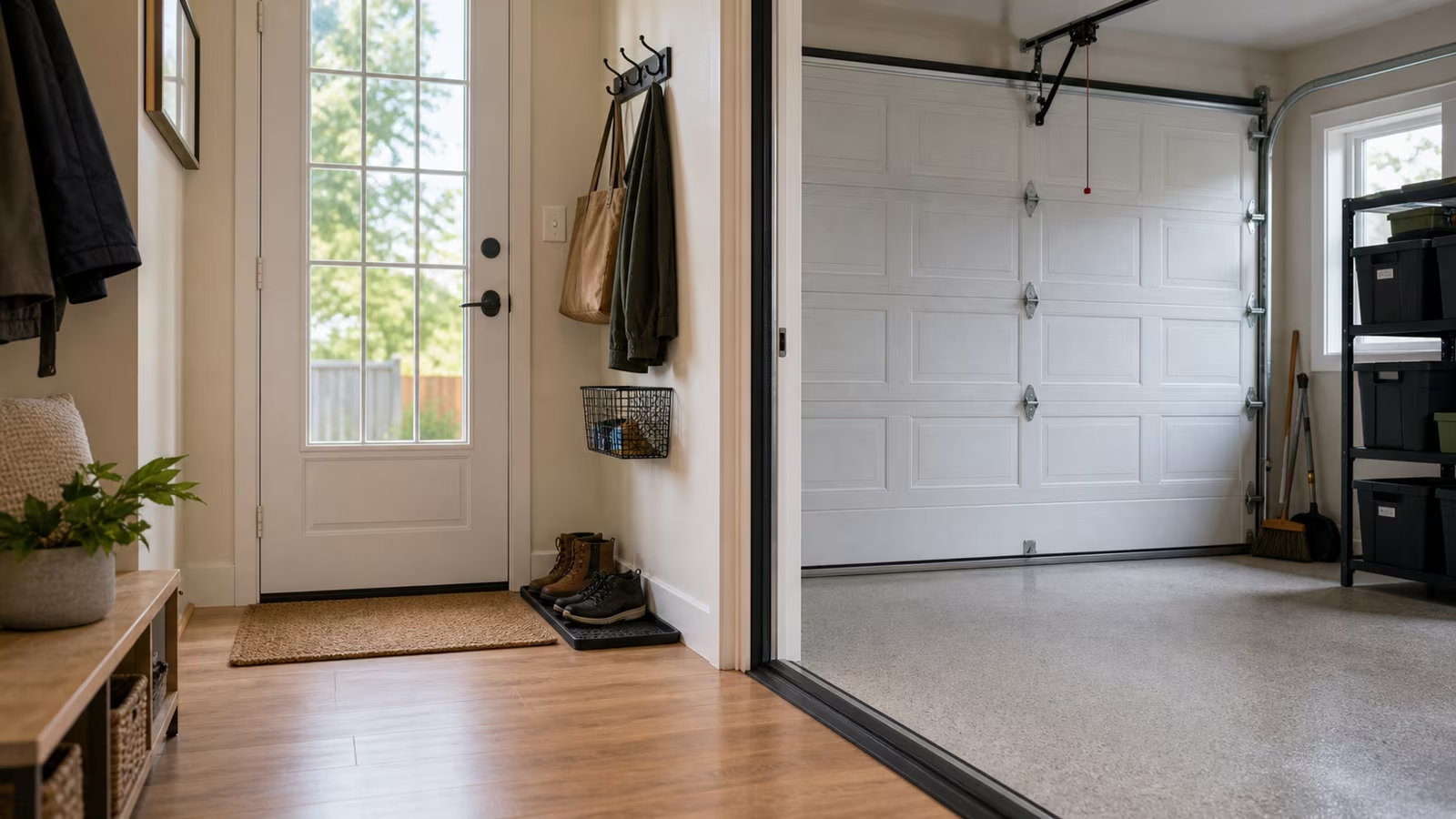
Most renovation air is a nuisance that resolves with containment, ventilation, and time, but some situations sit outside that comfortable frame, and it is worth naming them plainly. Disturbing old paint, old flooring, or old insulation in a home built decades ago can release hazards that are not a matter of airing out a room, and those call for testing and professional handling before the work begins, not after. Anything involving a fuel-burning heater, a generator, or combustion equipment brought inside raises a carbon monoxide risk that no purifier addresses; the companion guide on carbon monoxide and radon monitor boundaries covers why those need dedicated alarms. And a project run in or beside an attached garage can pull vehicle and stored-chemical vapors into the living space, which the guide to attached garage and house air addresses directly.
This guide is practical education, not medical advice, and no ventilation plan can guarantee a renovated room is safe to occupy. If a smell is overwhelming, if someone reacts badly to it, or if the work involves hazardous materials, combustion equipment, or damage you cannot assess, stop improvising and bring in testing, proper protective measures, or a qualified professional. For the ordinary case, the plan is calm and boring: contain the dust, clean it up, ventilate the fumes when the outdoor air allows, keep people out of the room while it cures, and let time finish the job.