Pollen is stubborn in a way that smoke is not. Smoke passes through and eventually clears; pollen arrives as durable grains that stick to hair, fabric, and floors and then get stirred back into the air for days after the count outside has dropped. That is the real problem a home routine has to solve. It is not only about keeping this afternoon’s pollen out, but about stopping the grains that already got in from becoming a reservoir that the room re-suspends every time someone walks across the rug or flops onto the sofa. The season feels relentless partly because the indoor supply keeps refreshing itself from surfaces you have not thought to clean.
Stop Pollen At The Door
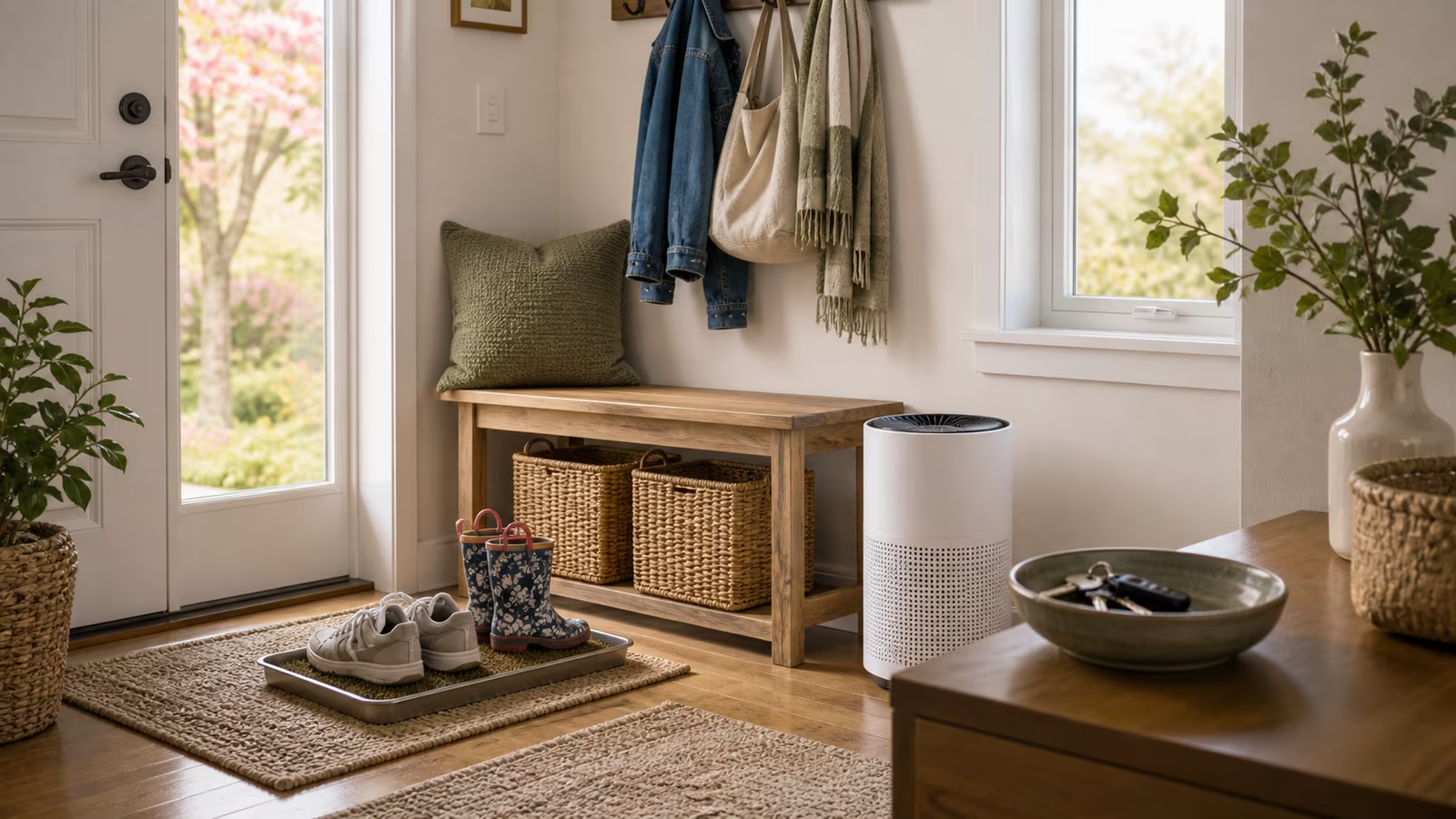
The cheapest control is the entryway, because most pollen is carried in, not blown in. Shoes are the biggest offenders, followed by jackets, bags, hair, and pets that have been outside. A shoes-off habit at the door, a tray or mat that catches what shoes drop, and a hook for the coat you wore out all reduce the amount that ever reaches the living space. A dog or cat coming in from a walk on a high-count day carries a surprising load in its coat; a quick wipe with a damp cloth at the door keeps that from ending up on the bed. None of this requires equipment, and it works precisely because it acts before the pollen has a chance to spread and settle.
Changing clothes after a long stretch outdoors, and keeping the day’s outdoor clothes out of the bedroom, extends the same logic. The goal is to draw a rough boundary between “outside” surfaces and the rooms where you rest and breathe the longest.
Decide When The Window Helps
Open windows feel like the natural response to a bright spring day, and on a low-count morning they are genuinely useful for flushing stale indoor air. But during peak pollen, an open window is an open invitation, and a breeze can load a room faster than any purifier can clear it. The honest rule is conditional: ventilate when the outdoor pollen and particle levels are low, and keep windows shut when they are high, especially on dry, windy afternoons when counts tend to peak. Pollen release often runs higher in the morning and on gusty days, so a brief airing in the evening or after rain can be a better trade than leaving a window cracked all day.
When you do want fresh air during the season, the Ventilation and CO2 Helper is a useful way to weigh it. Stale, stuffy air is a real problem too, and the worksheet helps you decide when a short, timed airing during a low-count window beats sealing the room shut for weeks. Enter conservative values and, where you are unsure of a room’s size or the day’s outdoor condition, note the uncertainty rather than forcing a confident answer.
Filter What Gets Inside
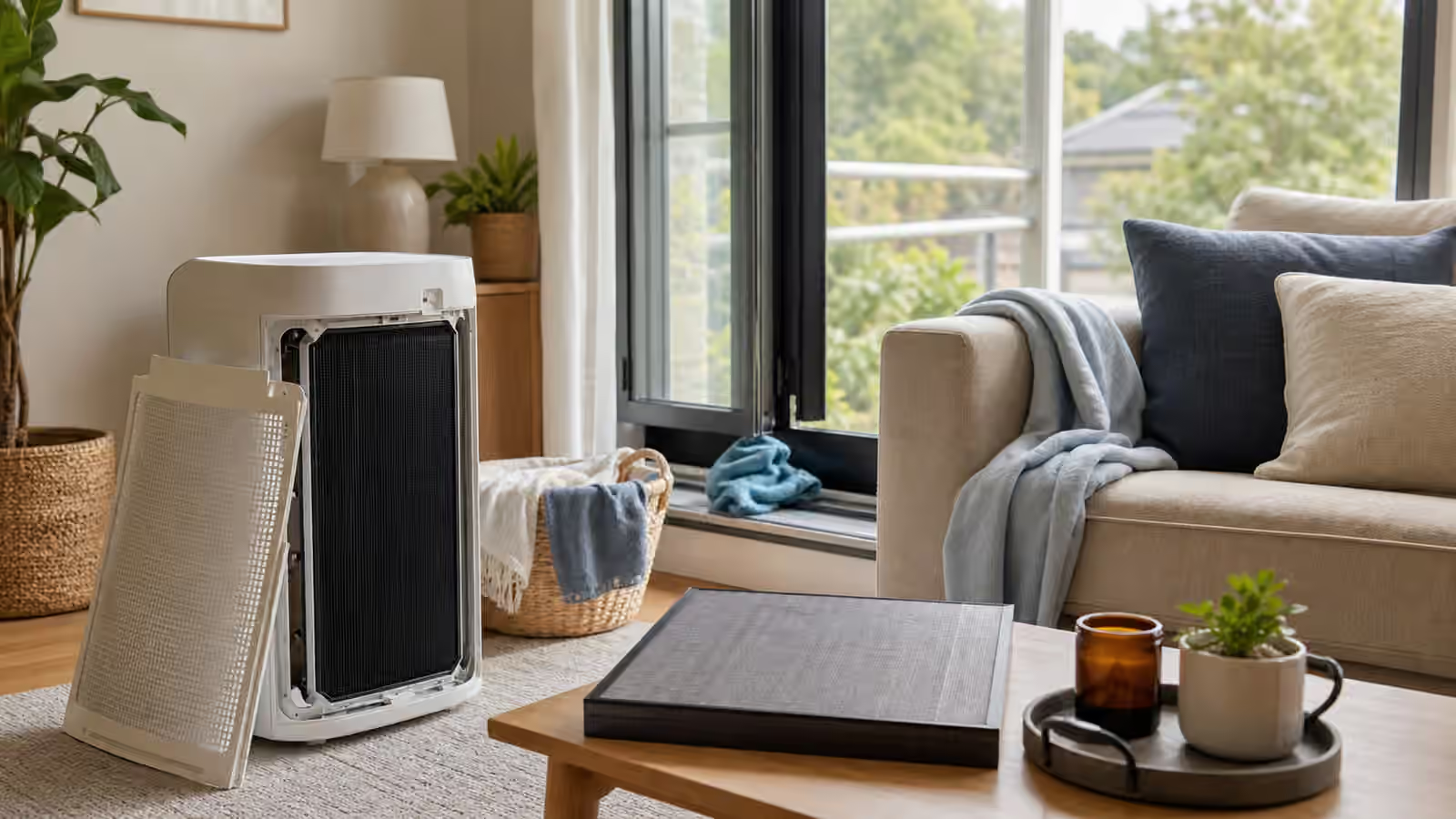
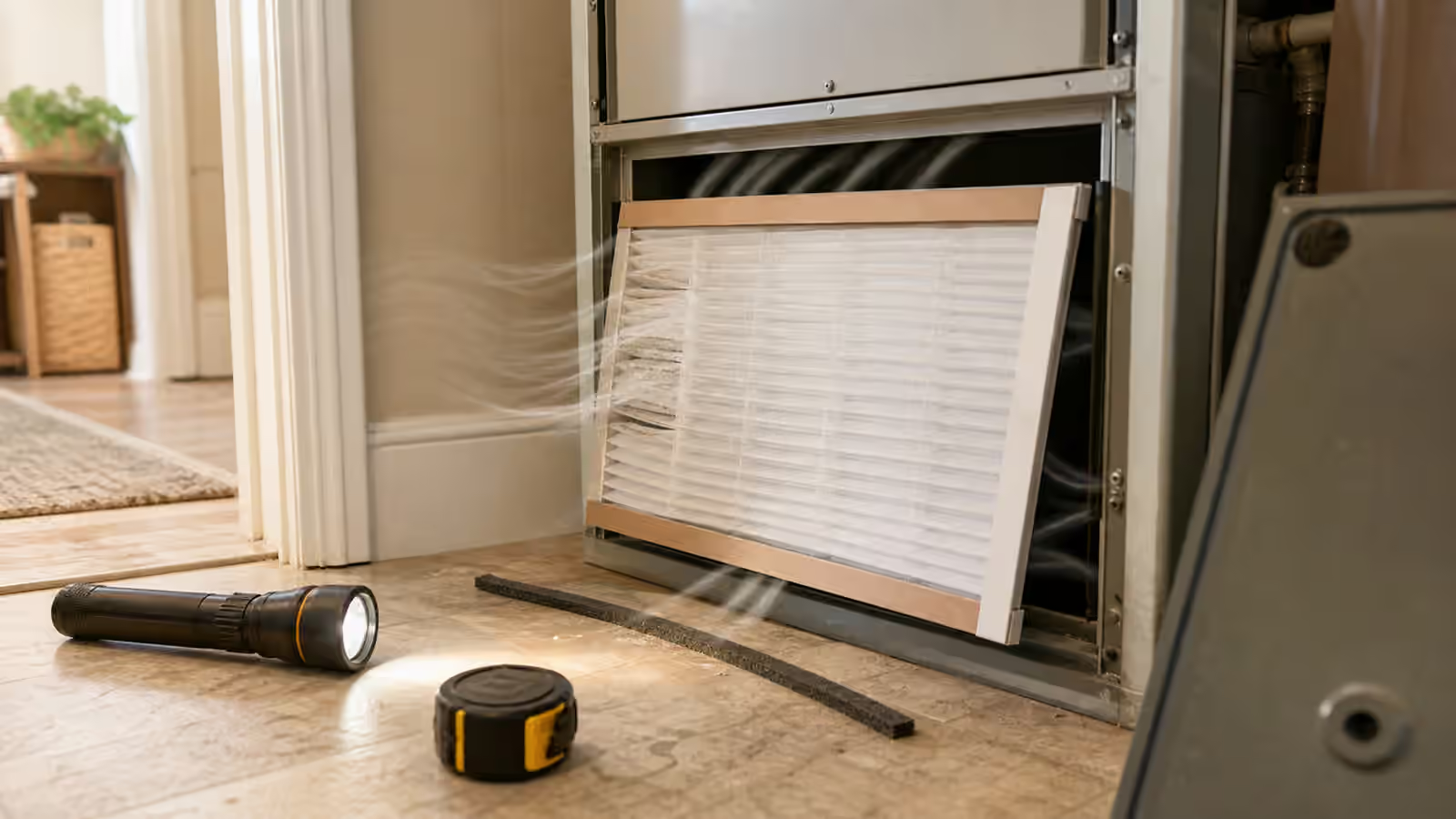
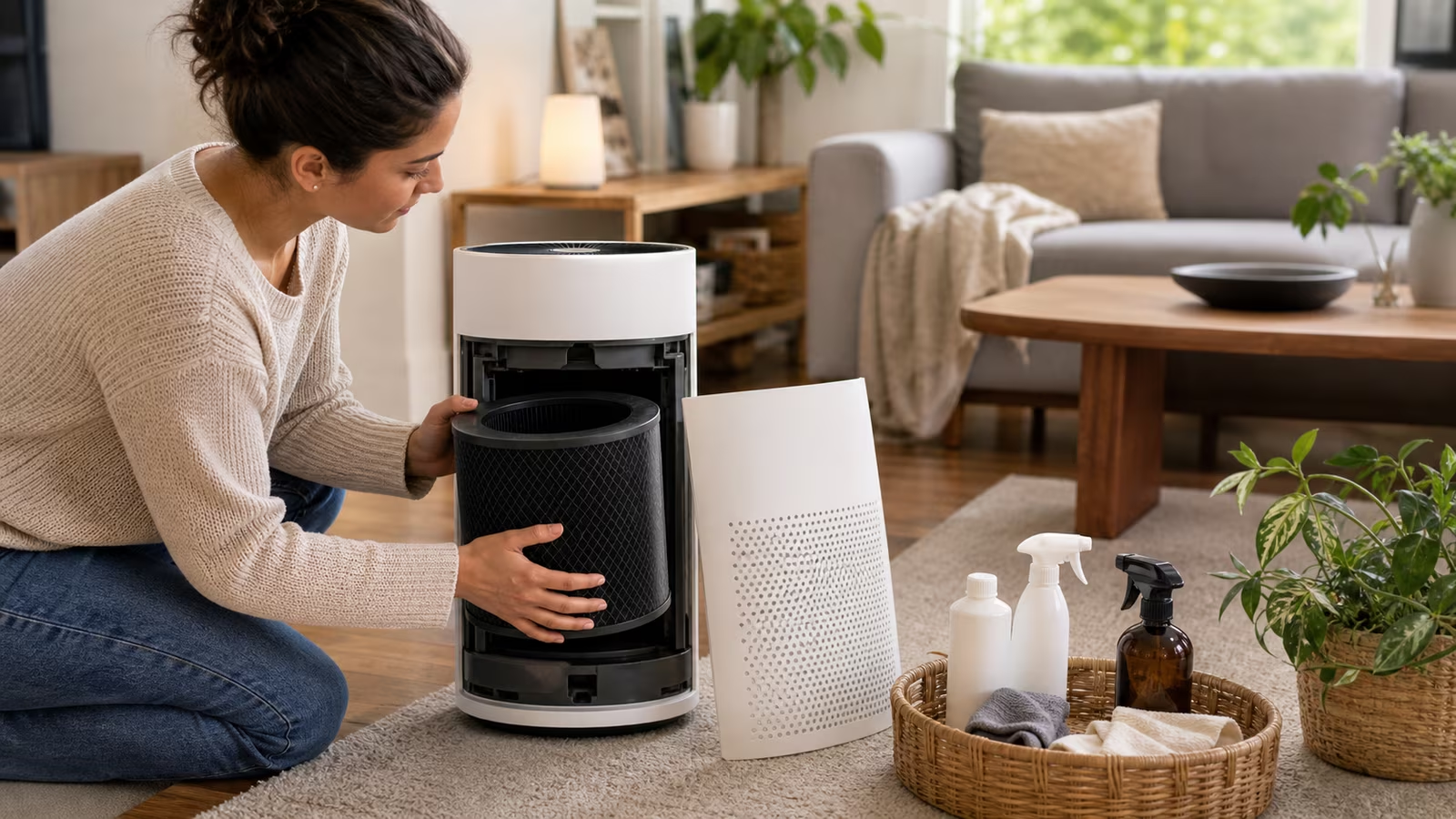
Some pollen will get in no matter how careful the entryway routine is, so filtration is the backstop. A portable air cleaner sized for the room where you sleep or spend the evening will steadily pull suspended grains out of the air, and running it continuously on a low, quiet setting usually beats short bursts on high. If the home has forced-air heating or cooling, a well-fitted HVAC filter rated to capture fine particles turns the whole system into a slow pollen scrubber whenever the fan runs, provided the filter is snug in its slot and changed before it clogs. Pollen grains are relatively large as airborne particles go, which is good news: they are easier to capture than the finest smoke particles, and they respond well to ordinary filtration once you stop re-launching them off surfaces.
Keep Surfaces From Re-Launching It
Because pollen settles and gets kicked back up, the surface routine is where the season is won or lost. Bedding is the priority. You breathe against a pillow for hours, and a pollen-loaded pillowcase undoes a lot of good work, so washing bedding more often during the season is worth the effort. The same soft-surface thinking that applies to dust mites in bedding and soft surfaces applies here: fabrics are reservoirs, and laundering them on a rhythm is the fix. Damp-wiping hard surfaces and vacuuming with a machine that holds fine particles rather than blowing them out the back keeps the floor from becoming a source. If a pet sleeps on the bed or sofa, its coat is part of the reservoir; the approach in pet dander without blame pairs naturally with pollen season, since the two loads share the same soft surfaces. And in smaller rooms, tracked-in grit and dust interact with everything else in the air, a dynamic the guide on litter dust in small bathrooms explores.
A Routine That Survives The Season
The point is to make the boring moves automatic so they still happen in week six. Shoes off and coats hung at the door. Windows judged against the day rather than opened by habit. A purifier running quietly in the room that matters most. Bedding washed more often, floors and hard surfaces kept from becoming a launch pad, and pets wiped down after outdoor time. Note the filter’s age somewhere visible, because a clogged filter with the fan turned down for quiet is a common way a good plan fails without anyone noticing. Change one thing at a time when you can, so you learn which move actually helped rather than crediting the whole bundle.
Keep the boundary honest. This is practical education, not medical advice, and a clean-air routine does not treat, cure, or diagnose allergies; it lowers the pollen a room holds. If symptoms are severe, persistent, or frightening, that is a conversation for a clinician, not a purifier. And pollen is only one category of indoor air. A particle filter and a good entry habit do nothing for carbon monoxide, radon, mold behind a wall, or a chemical spill, and none of this makes a room safe by itself. When you run into a fuel-burning appliance problem, suspected carbon monoxide, extensive mold, or building damage, document it, ventilate or leave as appropriate, and bring in qualified help and local public health guidance.