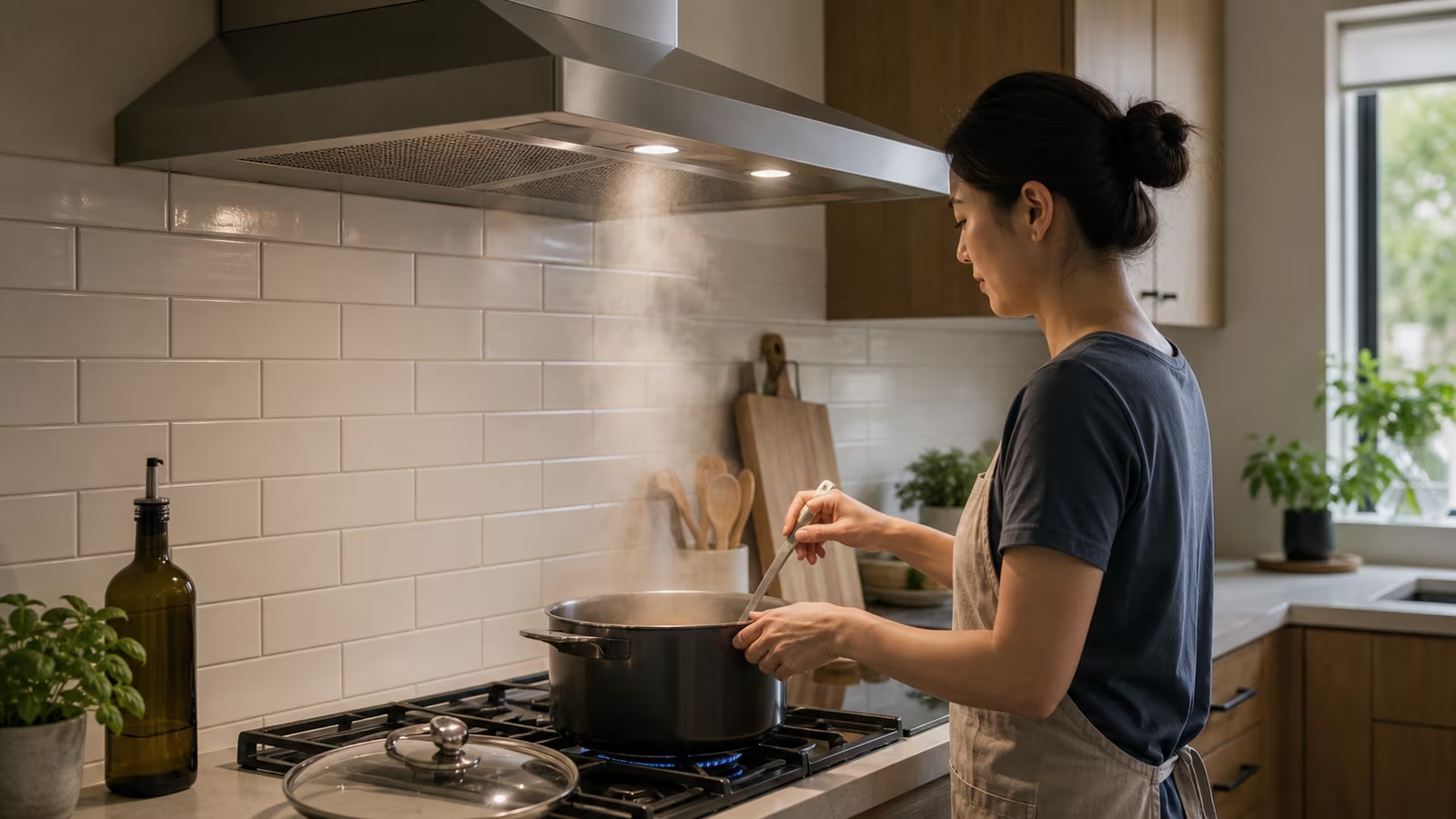
Cooking is one of the biggest sources of indoor particles most homes have, and it is also one of the easiest to control, because the pollution starts in a known spot at a known time. A searing pan, a pot of boiling water, and especially a gas flame throw off fine particles, moisture, grease, odor, and combustion byproducts right at the cooktop. The whole strategy of a range hood is to catch that plume at the source, while it is still a rising column over the burner, and send it outside before it has spread into the rest of the home. Capture at the source is far easier than cleaning a whole house afterward, which is why the exhaust over the stove matters more than most people give it credit for.
Does Your Hood Actually Go Outside
The first question is one many people have never asked: does the hood vent to the outdoors, or does it recirculate? A ducted hood pulls the cooking plume up and pushes it out through a duct to the exterior, removing the particles and moisture from the home entirely. A recirculating hood, common in apartments and interior kitchens, pulls air through a grease filter and often a charcoal pad, then blows it right back into the room. A recirculating unit can trap some grease and soften some odor, but it does not remove moisture, it does not remove combustion gases, and it does nothing about the particles a charcoal pad cannot hold. If you are not sure which you have, check whether there is a duct leaving the top of the hood or a wall vent to the outside; a hood that simply returns air to the kitchen is recirculating. Knowing this sets realistic expectations for everything else you do.
Use It Right, Every Time
The habits around the hood matter as much as the hardware. Turn the fan on before you start cooking, not after the pan is already smoking, so the plume is captured from the first minute. Cook on the back burners whenever you can, because most hoods capture the rising column over the rear of the cooktop far better than the front, where the plume drifts out past the edge of the hood. Keep a lid on pots to hold in moisture, and give the fan a few extra minutes after you finish so it clears the lingering haze rather than leaving it to settle onto cabinets and counters. A higher fan speed captures more but is louder, so people turn it down or off; the honest trade is that a quiet fan left running captures less, and the back burner plus an early start does more than cranking the speed for the last minute.
The Make-Up Air Problem
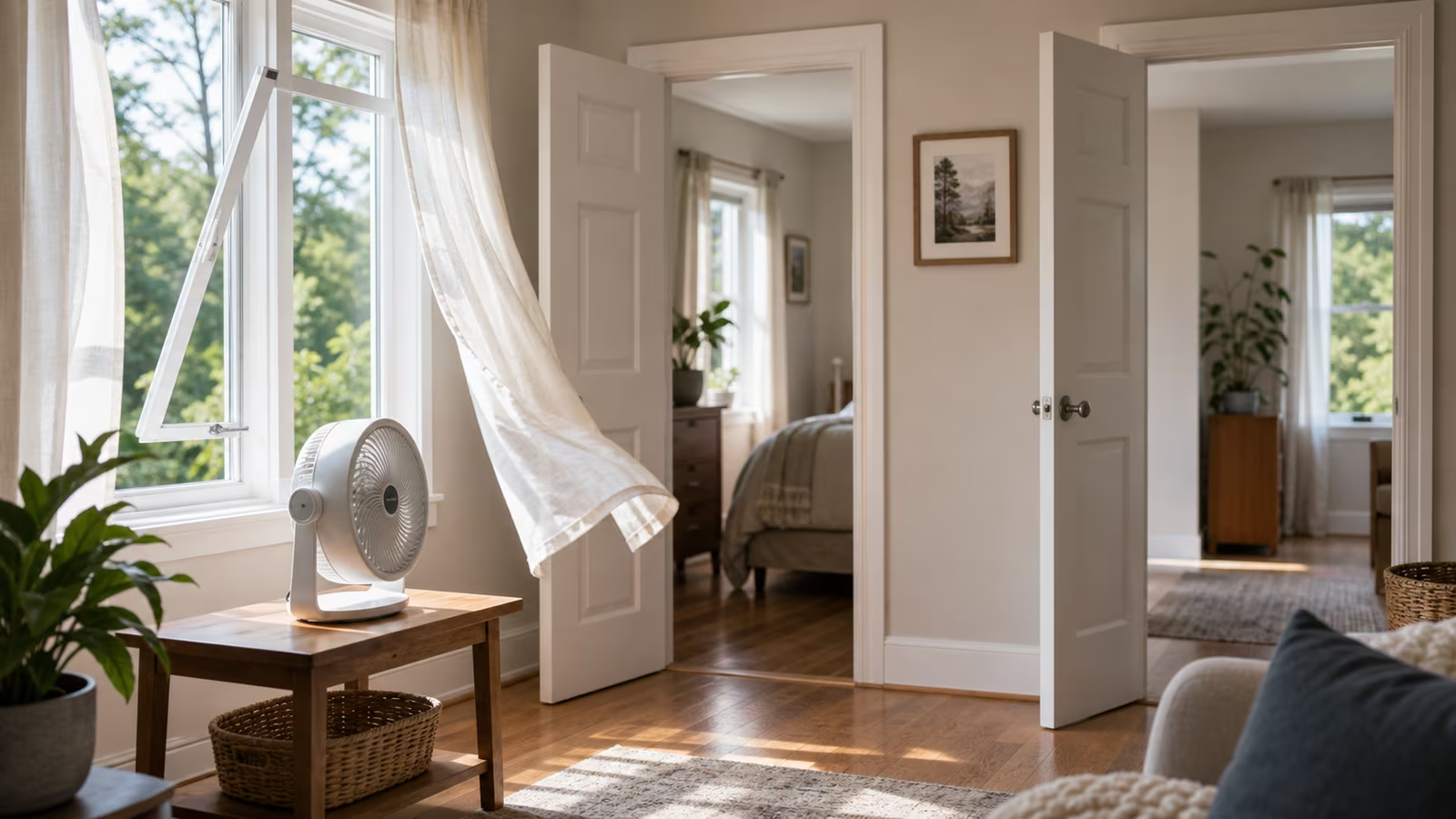
A powerful exhaust fan has to pull its air from somewhere. As it blows kitchen air outside, replacement air, called make-up air, is drawn into the home through whatever gaps exist. In a tight, well-sealed home with a strong hood, that can create enough negative pressure to matter, and in the worst case it can pull air backwards down the flue of a fuel-burning appliance such as a furnace, water heater, or fireplace, dragging combustion gases into the living space instead of up the chimney. This is called backdrafting, and it is a real safety concern, not a theoretical one. The simple protection is to crack a nearby window while a strong hood runs, giving the fan an easy path for make-up air. If you have gas or other fuel-burning appliances, a working carbon monoxide alarm is essential, because a hood-driven backdraft is exactly the scenario those alarms exist to catch. The Ventilation and CO2 Helper can help you think through how much air you are moving and whether a room needs a deliberate make-up path rather than relying on incidental leaks.
Exhaust, Moisture, And The Rest Of The Home
Cooking adds a surprising amount of water vapor to the air, from boiling, steaming, and the gas flame itself, and that moisture drives up humidity that can settle on cold windows and walls. This is the same logic that makes a shower fan matter, and the guide on bathroom exhaust and shower moisture is a close cousin: both are about pulling humid, loaded air out at the source rather than letting it spread and condense. When the hood is weak or recirculating, more of the cooking load escapes into the rest of the home, which is where a portable air cleaner earns its keep. Sizing that unit to the actual room, as the air purifier sizing guide describes, and placing it thoughtfully, as covered in where to put an air purifier , lets it catch the frying particles that drift into an open living area. A purifier is a backstop for what escaped the hood, not a replacement for the hood itself.
Keep The Grease Filter Clean
The metal mesh filter in the hood collects grease, and a clogged, greasy filter chokes airflow and captures less. Washing it on a regular rhythm keeps the fan moving the air it is rated for, and it is also a fire-safety habit, since accumulated grease near a heat source is a hazard. If your recirculating hood uses a charcoal pad for odor, that pad is consumable and stops doing much once it is loaded, so replacing it on schedule is part of keeping the unit honest. Note these tasks somewhere you will actually see them, because an exhaust system quietly stops working when its filters are neglected and no one notices until the kitchen smells greasy again.
Where DIY Stops
Keep the boundary clear. This is practical education about ventilation, not medical advice, and running a hood well does not make the air safe on its own. Combustion appliances deserve real respect: if you suspect backdrafting, smell gas, or a carbon monoxide alarm sounds, that is not a filter problem, it is an evacuate-and-call situation, and the appliance needs a qualified technician. Do not rely on a range hood or an air cleaner to manage a suspected carbon monoxide, gas leak, or venting fault. For persistent moisture and mold, a chemical spill, or a hood that seems to be pulling air the wrong way through an appliance flue, document what you observe and bring in a professional along with your local guidance rather than working around it.