Renting changes the clean-air problem in one important way: the building system is not yours to touch. You cannot upgrade the ducts, cut in a new return, or usually even choose the furnace filter that the landlord installs. What you can do is everything that lives inside your unit and inside your lease, and it turns out that is most of what matters for the air you actually breathe. The renter’s version of a clean-air plan leans on reversible moves, portable equipment, and good documentation, because you want improvements you can pack up when you leave and a paper trail for the problems that are the owner’s job to fix.
Start With What You Control
The most powerful renter tools are the ones that do not touch the building at all: the sources you bring in and the habits around them. Cooking, candles, incense, aerosol sprays, strong cleaning products, and a smoker on the balcony are all things you can reduce, move, or time regardless of what the ductwork looks like. A shoes-off habit and a mat at the door keep tracked-in dust and outdoor particles from spreading through a small unit. Using the range and bathroom exhaust fans that already exist, and running them longer than feels necessary, moves cooking and shower moisture out before it settles. None of this requires permission, a drill, or a deposit, and it addresses the sources that a filter would otherwise have to chase forever.
Pick One Room And One Purifier
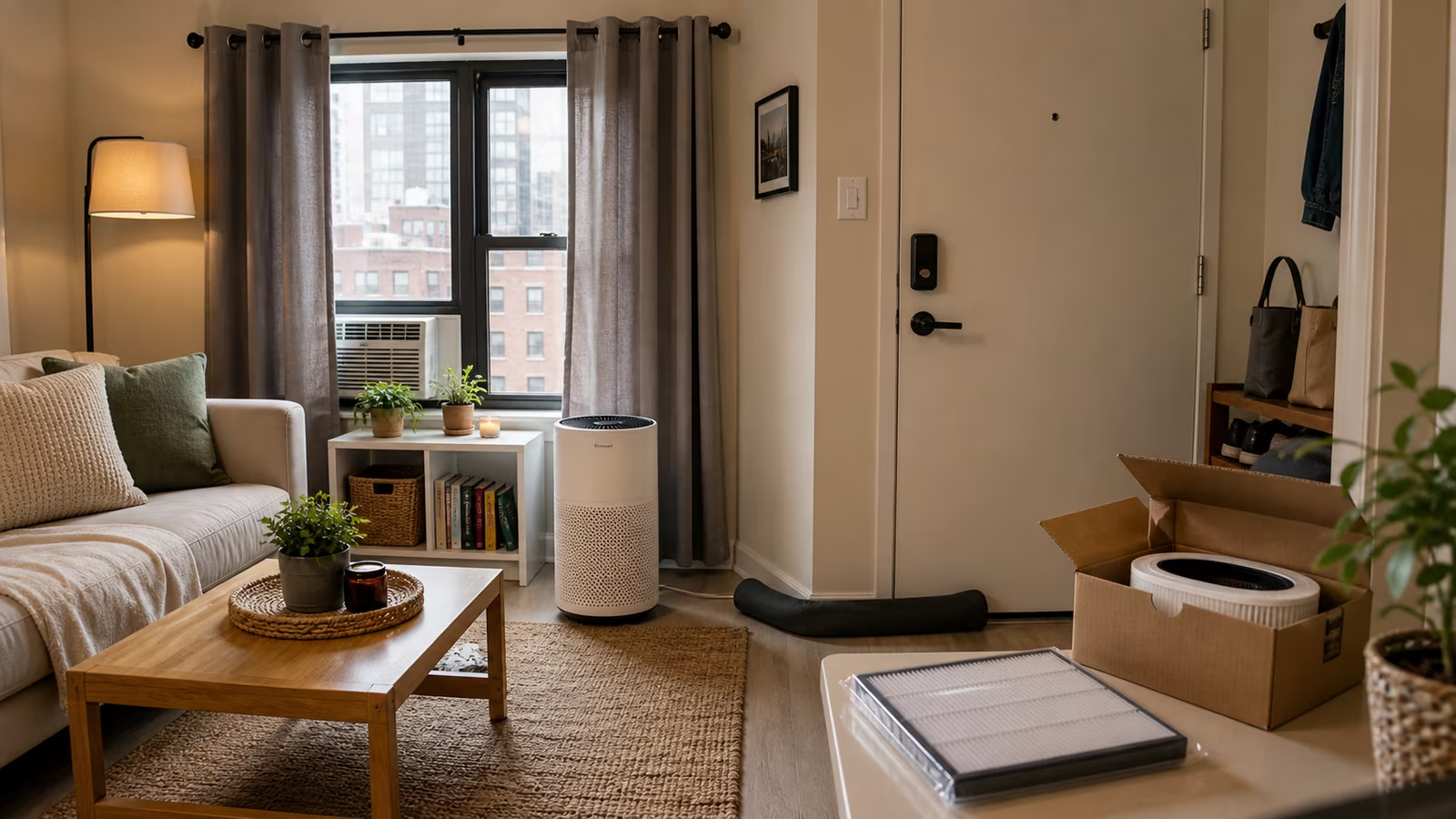
Rather than trying to treat a whole apartment at once, choose the room where you spend the most continuous hours, usually the bedroom, and make that your clean room. A single well-sized portable air cleaner running there does more good than several underpowered units scattered around. Placement is the part people get wrong, tucking the unit behind a nightstand or against a curtain where it cleans a pocket and little else. The Purifier Placement Planner is built for exactly this decision: it helps you match a unit to the room’s size and find a spot with a clear intake and a clear path for the cleaned air to rejoin the space. Enter conservative numbers, and where you are unsure of the room’s dimensions, note the uncertainty rather than guessing high.
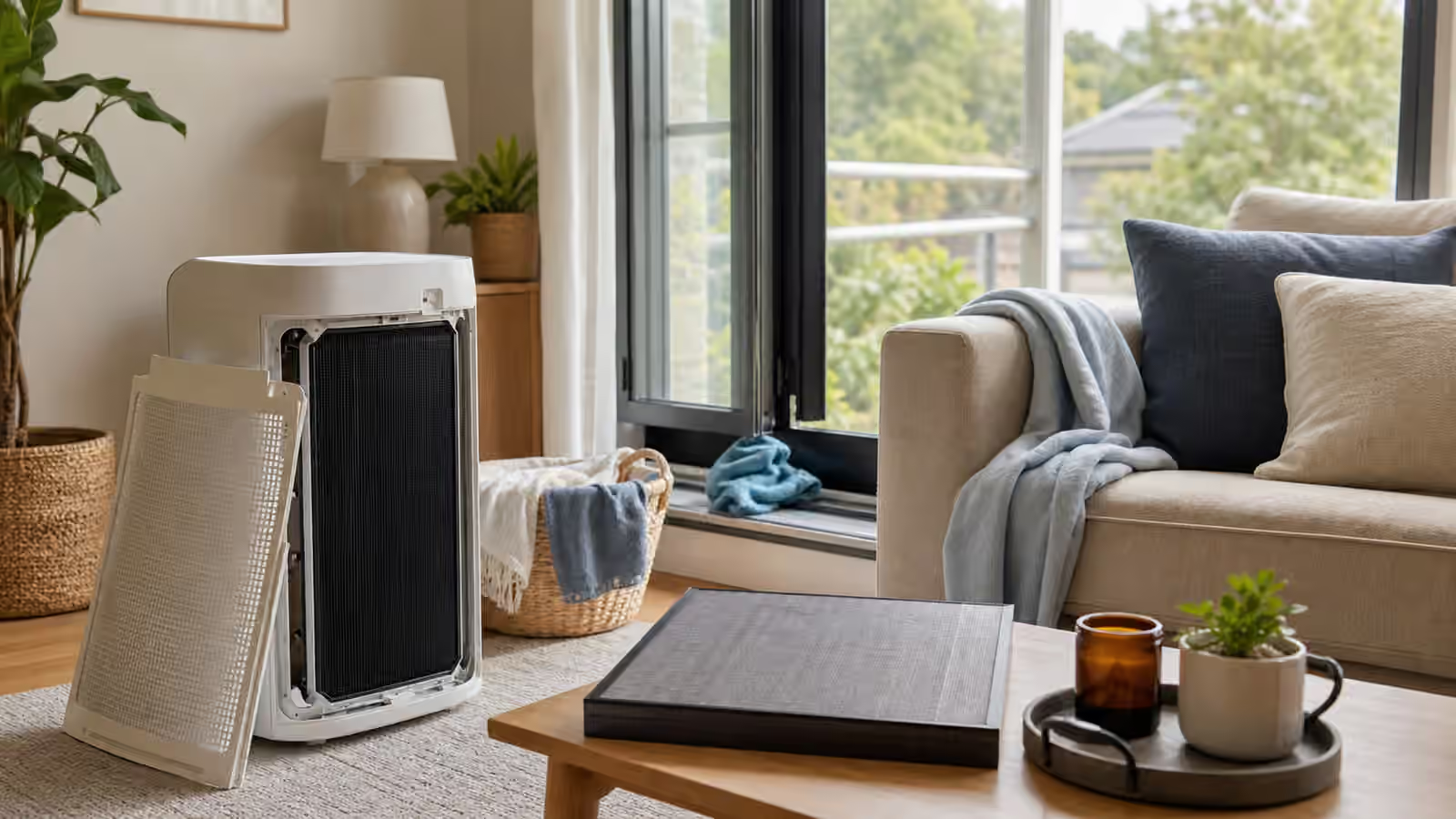
A portable cleaner is the ideal renter device because it is entirely yours, needs no installation, and comes with you to the next place. Look for one rated for a room at least as large as yours, quiet enough that you will actually leave it running, and free of ozone-generating features. Running it continuously on a low, quiet setting almost always beats short blasts on high.
Work With The System You Were Given
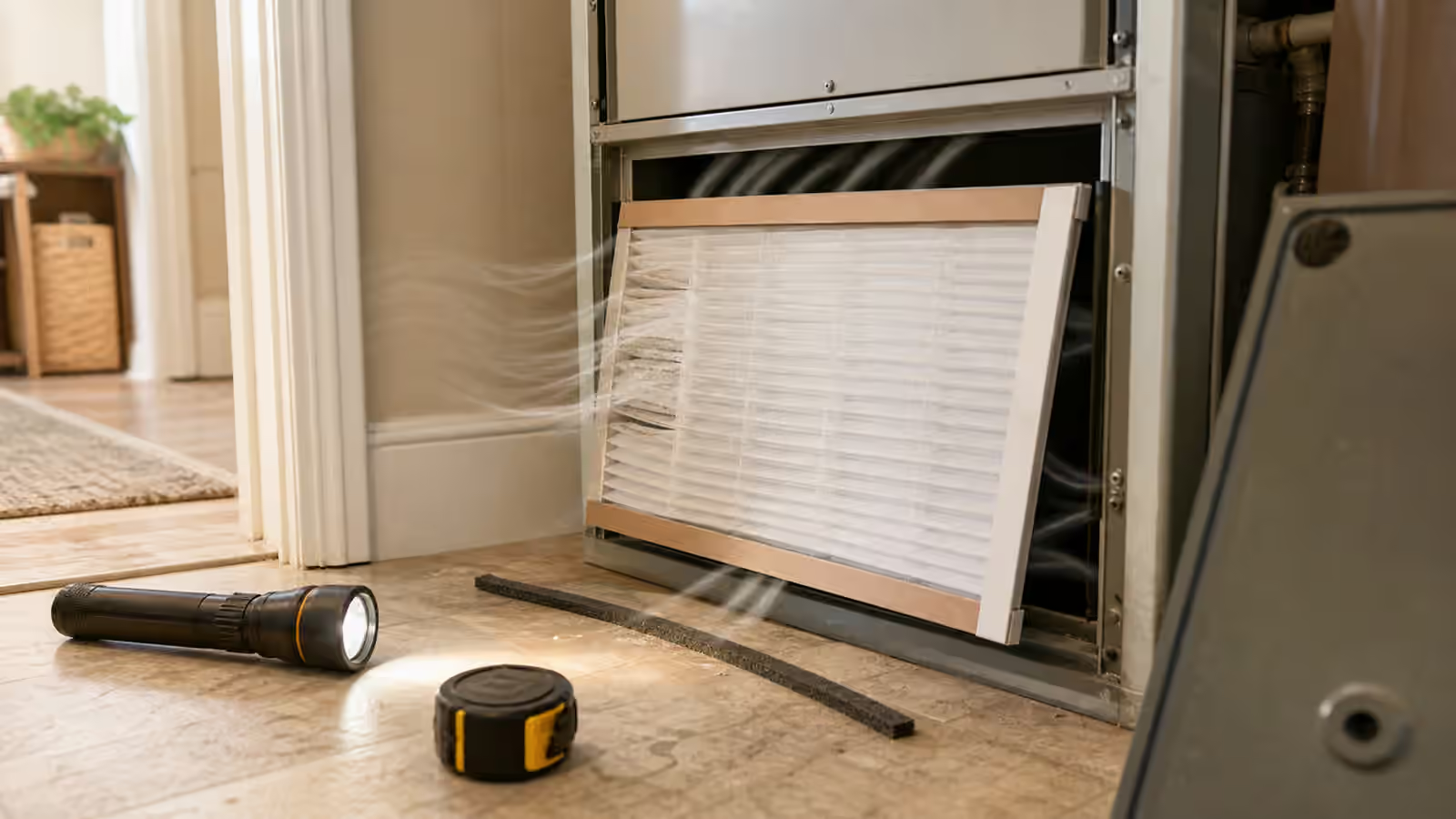
Even without control of the HVAC, you can often improve how the existing system helps you. If the unit has a central furnace or air handler with a filter you are allowed to change, swapping in a clean, well-fitting filter and setting the fan to run continuously rather than only during heating or cooling turns the whole system into a slow, steady filter. The guide on running the HVAC fan on auto versus circulate explains that trade in detail, and for many renters it is the single biggest lever the building offers. If the filter slot is locked away or the landlord forbids changes, that is fine; you simply lean harder on the portable cleaner and your own habits, and you note the limitation for your records.
Seal And Adjust Without Damage
Renters can do a surprising amount of gentle sealing without leaving a mark. A removable door draft stopper, weatherstripping that peels off cleanly, and washable curtains all help manage what drifts between rooms and in from outside, and all come off at move-out. Window management is a habit, not a modification: open the windows to flush stale air when the outdoor air is good, and keep them shut when it is smoky, high in pollen, or heavy with traffic. If a child’s room is the priority, the approach in the kids’ rooms and nurseries guide pairs well with a rental setup, since it also assumes you want gentle, reversible choices. And if you work from a closed room at home, the closed-door home office guide covers keeping that space from going stale when you cannot change how air is delivered to it.
Document What Is Not Yours To Fix
Some air problems in a rental are genuinely the owner’s responsibility, and here documentation is your most valuable tool. Persistent musty smells, visible mold, water stains, a bathroom fan that vents into nothing, recurring dampness, or smoke drifting in from a neighbor are building issues, not habits you can filter away. Note what you observe, when it happens, and where, with dated photos where relevant, and put your requests to the landlord in writing so there is a record. A dated, factual log is far more effective than a frustrated phone call, and it protects you if the problem escalates. Air fresheners and fragrance only mask these situations while adding compounds of their own, so resist the urge to cover a smell that is really a signal.
Keep The Setup Alive
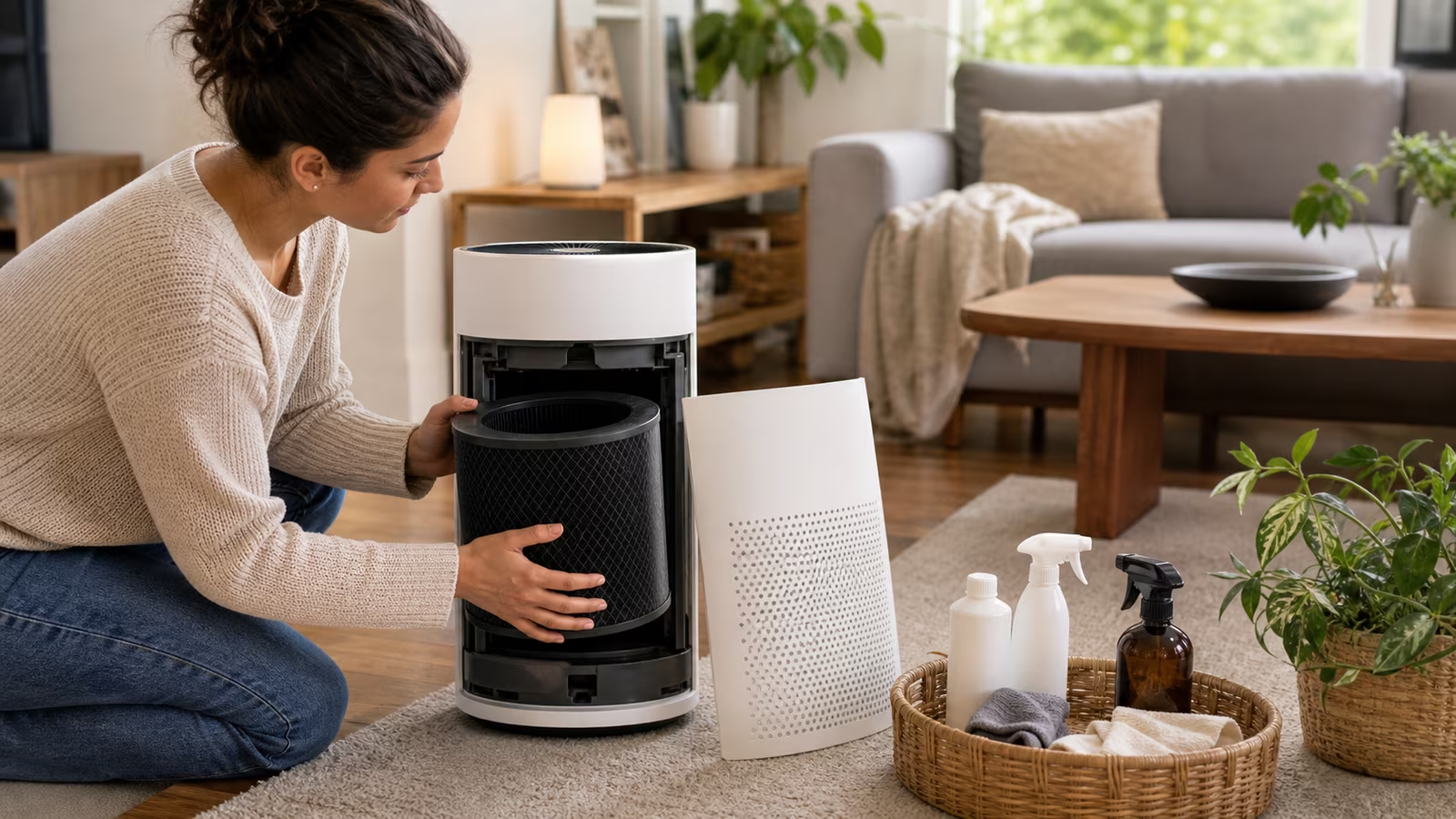
A renter’s plan fails the same quiet way any plan does: the filter loads up, the fan gets turned down for noise, and the improvement fades without anyone noticing. Note the purifier’s filter date somewhere you will see it, keep an eye on humidity if dampness is part of your building’s character, and revisit your window habits as the seasons and outdoor conditions change. Change one thing at a time when you can, so you learn which move actually helped. Because everything here is portable and reversible, the whole setup follows you to the next unit with nothing left behind but the habits.
Keep the boundary honest. This is practical education, not medical advice, and a renter setup cannot make a unit safe on its own. A portable cleaner and good habits do nothing for carbon monoxide, radon, a gas leak, or mold inside a wall. Every rental with a fuel-burning appliance or an attached garage needs a working carbon monoxide alarm, and if you smell gas, suspect carbon monoxide, or find extensive mold or water damage, that is a document-and-escalate situation for the landlord and, where needed, emergency services and local guidance, not something to filter around.