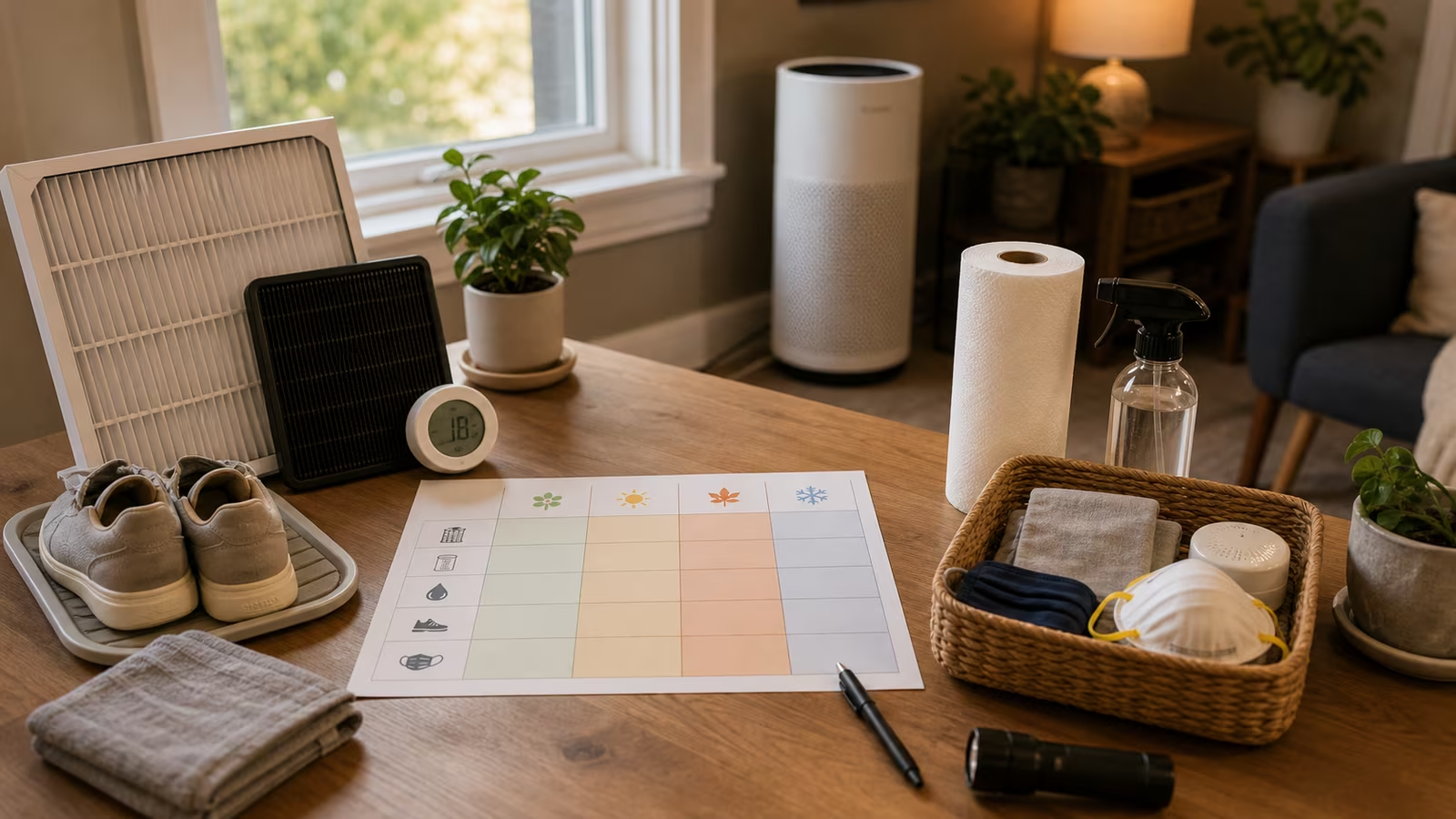
Clean-air work rarely fails because someone bought the wrong machine. It fails because the routine quietly lapses. A purifier runs on a filter that is months overdue, the HVAC filter has gone gray and stiff, the humidifier is growing something no one wants to think about, and nobody notices until pollen, wildfire smoke, a heat wave, or the first bone-dry week of heating season makes the air impossible to ignore. Seasonal maintenance is the antidote to that drift. It spreads a handful of small, boring checks across the year so that no single season ever catches the home completely unprepared.
Why A Calendar Beats A Crisis
The case for scheduling is that every seasonal air problem has a warning period, and maintenance is what lets you use it. Pollen does not arrive without a spring. Wildfire smoke tends to cluster in known months. Heat and its accompanying closed-windows, air-conditioning-everything pattern is predictable. Winter dryness follows the furnace. If you wait until the air is already bad to think about filters and humidity, you are shopping and troubleshooting under pressure, often paying more for whatever is in stock. If you have done the quiet work a few weeks earlier, the bad day is just a matter of closing windows and letting an already-clean system do its job.
The underlying order is worth keeping in mind as you plan, because it tells you what each season’s tasks are actually for. Reduce sources first, bring in clean outdoor air when the outdoor air is genuinely better, filter what remains, control moisture, and maintain the equipment that does all of the above. A seasonal routine is simply that hierarchy turned into a repeating schedule, so that filtration keeps working, ventilation stays available, and moisture never gets ahead of you.
Spring: Pollen And The Reset After Winter
Spring is a filtration and surface season. As things bloom, pollen finds its way in on clothes, shoes, pets, and open windows, and it settles into the soft surfaces that held a winter’s worth of dust. The useful spring moves are unglamorous: check and likely replace the HVAC filter after a hard-working heating season, confirm any portable purifier is running on a fresh filter before the count climbs, wash or beat rugs and bedding that collected winter dust, and rethink window habits so you are not inviting the outdoor pollen straight into a freshly cleaned room. For anyone who reacts to pollen, the companion is the allergy-friendly cleaning guide , which keeps the focus on reducing exposure without drifting into claims about treating anyone.
Summer: Heat, Smoke, And Windows You Cannot Open
Summer flips the logic. The outdoor air you would normally welcome may be the problem, either from heat that keeps windows shut and air conditioning running, or from wildfire smoke that makes opening up a bad idea for days at a time. This is the season to confirm you actually have a clean-air room ready before you need it: a space you can close off, with a right-sized purifier and a spare filter on the shelf, so a smoke day is a plan rather than a scramble. It is also the season to check that cooling and filtration are not working against each other, since a system moving a lot of air is only helping if the air is passing through a filter that fits. Keeping a couple of dated notes from the worst summer days makes the following year’s preparation far easier.
Autumn: The Furnace Wakes Up
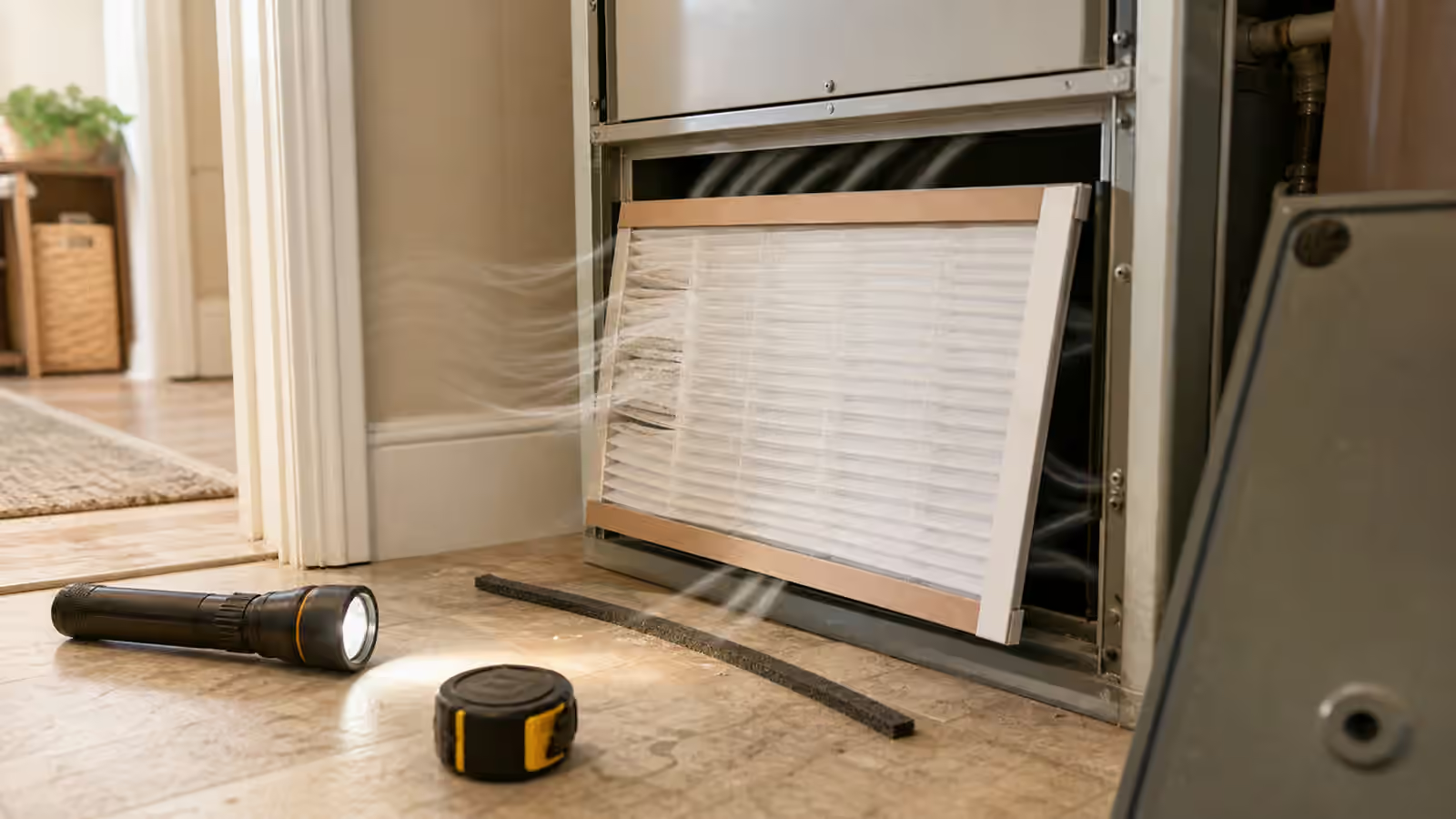
Autumn is a systems season. Before the first real cold snap, the heating system starts moving air through ducts and filters that may have sat idle all summer, and whatever accumulated in them gets stirred back into the house. A fresh filter going into the furnace at the start of the heating season is one of the highest-value ten-minute jobs in the whole calendar. It is also the moment to look ahead at humidity, because as heating begins the indoor air starts drying out, and any humidifier you are about to press into service should be cleaned before it runs, not after it has already been growing something for a month.
Winter: Dryness, Closed Rooms, And Combustion Awareness
Winter is a moisture and combustion season. Sealed-up rooms hold whatever is produced inside them: cooking, people, pets, and the dryness that comes with heating. The maintenance work is balancing that. A humidity gauge is worth more than a humidifier you cannot measure, because the goal is a comfortable middle, not a damp home that trades dryness for condensation and mold risk on cold surfaces. Winter is also when fuel-burning appliances run hardest, which is the season to be sure carbon monoxide alarms are present and working, entirely separate from any air-quality gadget, because that is a life-safety device and not an air-cleaning nicety.
The Load-Bearing Task: Filters That Actually Fit And Run
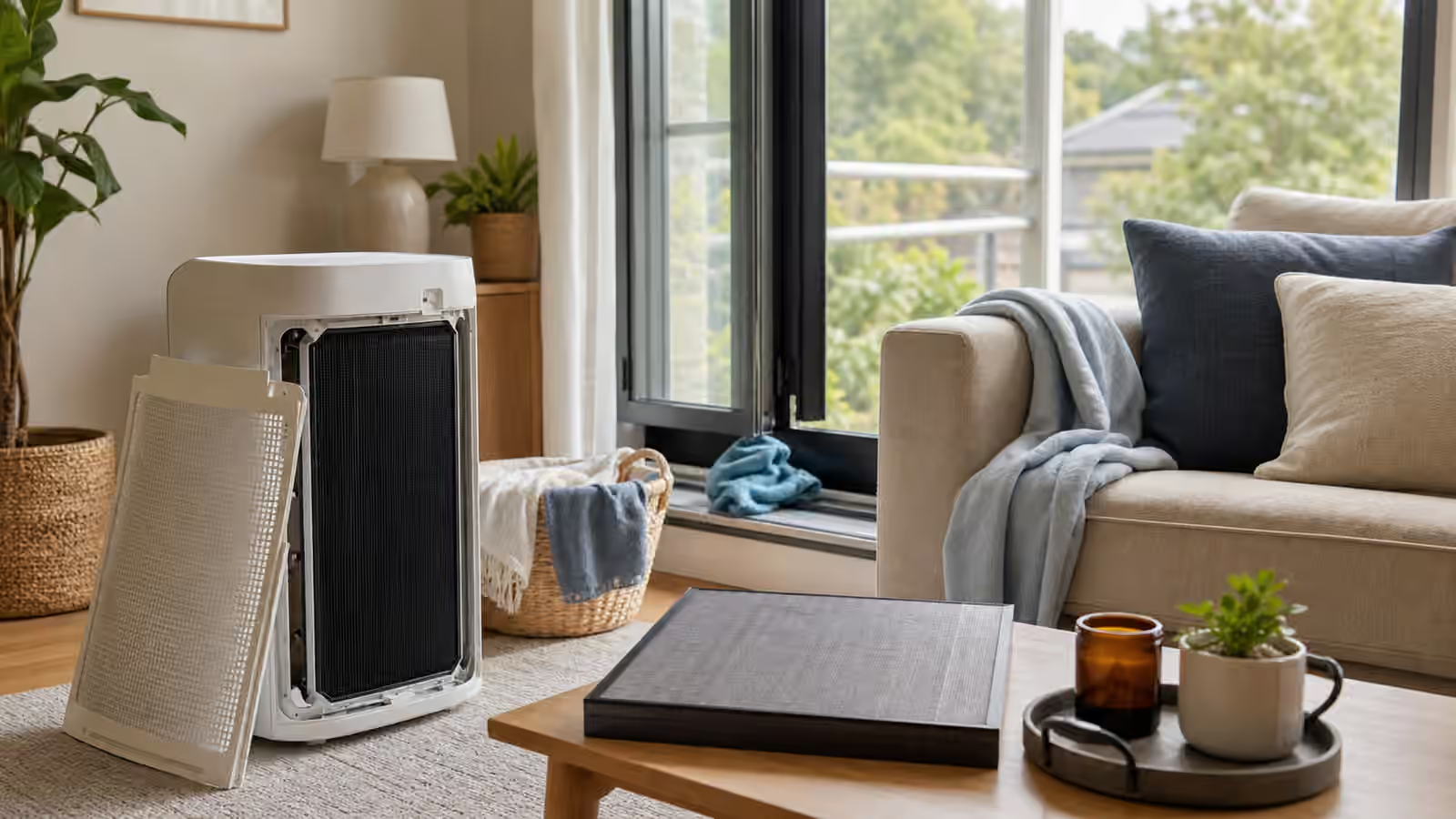
Across every season, the task that quietly determines whether the rest matters is the filter. A filter only cleans air that passes through it, and it only passes air well when it is the right size, seated snugly, changed on a sensible interval, and matched to a system that can move air through it without straining. This is exactly where good intentions get vague, because “change it sometimes” is not a plan. The HVAC filter checker turns that fuzziness into a small worksheet: it helps you record the size and type you actually use, decide on a replacement rhythm that fits your home and system, and avoid the two common failures of running a filter far too long or forcing in one so restrictive that the system fights it. It will not diagnose your house; it gives your filter decisions a place to live so they stop being guesswork.
Portable purifier filters deserve the same discipline. Tape a date on the unit when you install a filter, so the next person, including future you, is not squinting at a gray pleat wondering how old it is. A machine on an exhausted filter is loud, ineffective, and eventually gets switched off out of frustration, which is the worst outcome of all.
Keep The Categories Straight
A seasonal routine works better when you resist collapsing every air concern into one number. Particles, carbon monoxide, carbon dioxide, humidity, mold, pollen, and odors are genuinely different problems with different tools. A purifier’s particle display is not a carbon monoxide alarm and never substitutes for one. A humidity reading tells you nothing about smoke. A particle filter does not dry out a damp basement or seal a leak. Activated carbon can help with some gases and odors when there is enough of it and enough airflow, but it is not a universal sponge. Keeping the categories separate is what lets a maintenance schedule stay honest instead of promising that one seasonal cleanup fixes everything at once. When a problem spans several rooms rather than one, the multi-room clean-air strategy helps you set priorities rather than chase each room in isolation.
Where Maintenance Ends And Help Begins
The boundary is part of the routine, not an afterthought. Seasonal upkeep handles the ordinary drift of a normal home. It does not handle emergencies, and pretending otherwise is where people get hurt. Stop the do-it-yourself troubleshooting and get qualified help when there is any sign of carbon monoxide, trouble with a fuel-burning appliance, extensive visible mold, sewage, a chemical spill, fire damage, or structural damage. In those cases the right first moves are documentation, isolating the area when it is safe to do so, relying on proper alarms or professional testing, and calling in people equipped to deal with it.
This is practical education, not medical advice, and no maintenance schedule can promise that a room is safe or resolve anyone’s symptoms. If air quality seems tied to how someone in the household feels, the symptoms and clean-air boundary guide draws that line more carefully, and persistent or serious symptoms belong with a clinician. Within its proper limits, though, a seasonal rhythm is one of the most reliable things you can do for a home’s air, precisely because it is boring, repeatable, and already done before the season that needs it arrives.