The worst time to figure out what to do about wildfire smoke is the afternoon it rolls in, when the sky has gone amber, the good filters are sold out, and everyone is improvising at once. A smoke-day plan is what you build on a clear day so that a smoky one is calm. The core idea is simple: decide in advance which room you will retreat to, make sure it can be filtered and closed off, and settle the small questions, cooking, cooling, which activities to pause, before the air outside turns against you. Preparation is the whole advantage, because almost nothing about a smoke event is easier to solve once it has started.
Watch The Outdoor Air, Not Just The Sky
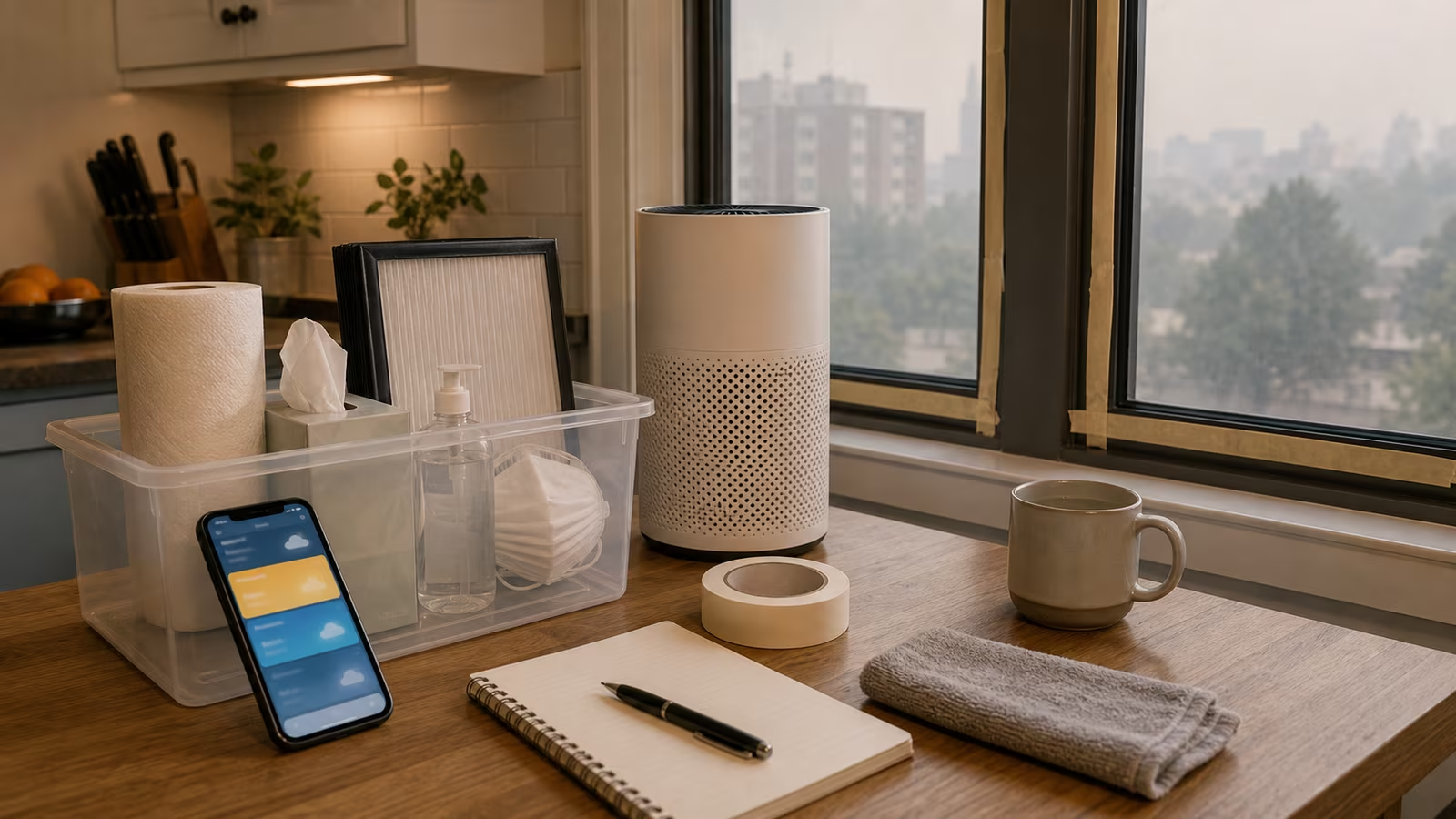
Your first tool is information, and it is free. Local air quality data tells you when smoke is arriving, how bad it is, and when it is easing, often before or after your own nose agrees. Smoke can be present when the sky still looks passable, and it can linger after the horizon clears, so tracking the actual outdoor readings for your area is what lets you time the plan rather than react to it. The single most important decision on a smoke day, whether to keep the house sealed or briefly air it out, depends entirely on that outdoor number, because the usual clean-air advice to open a window is exactly backward when the air outside is worse than the air inside.
Timing also lets you use the good windows. Smoke often eases overnight or in particular stretches, and those are the moments to briefly bring in cleaner air and flush the house before sealing it back up. Without the data you are guessing; with it, you are making the same small moves at the right times.
Choose And Prepare One Clean Room
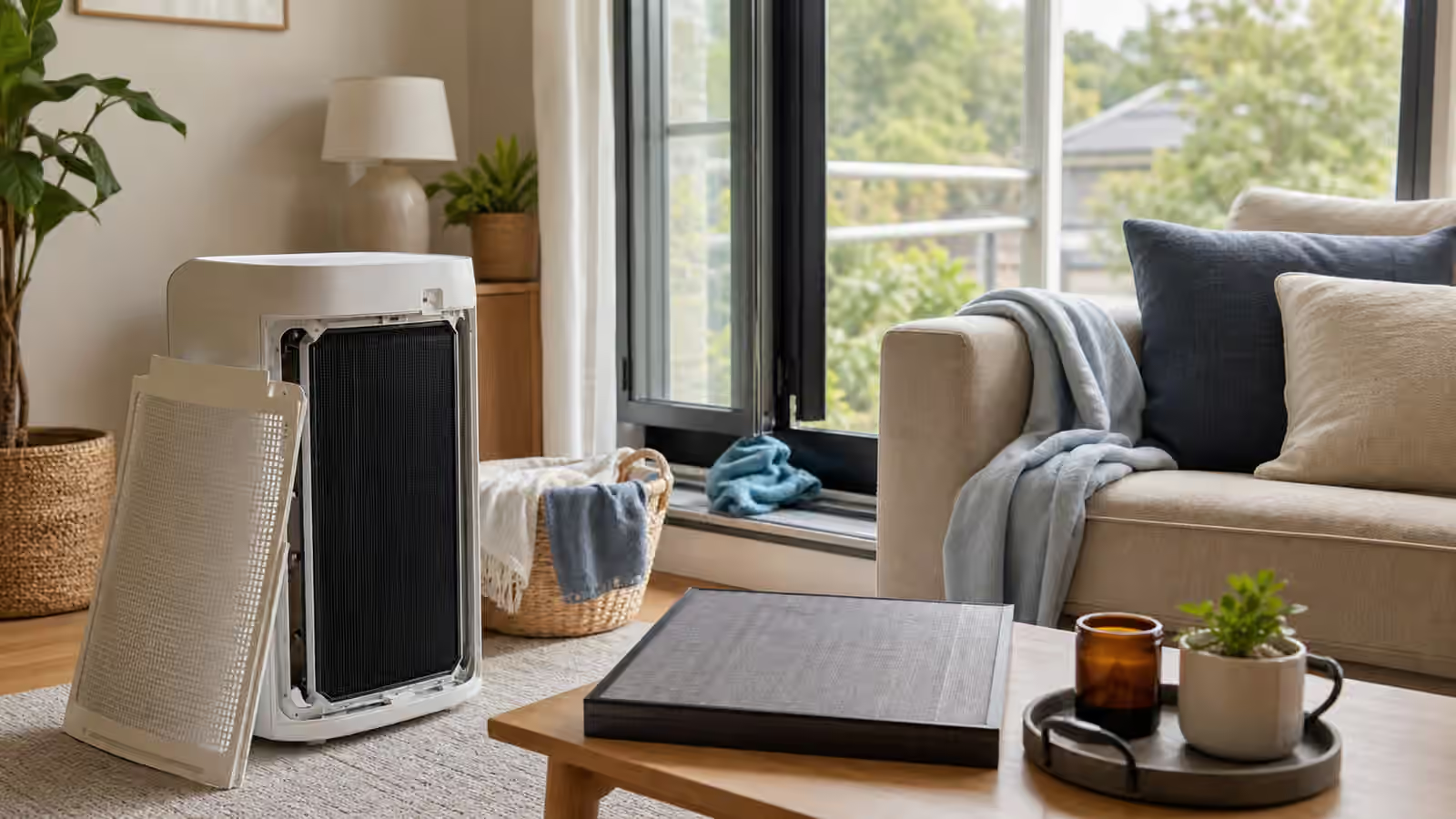
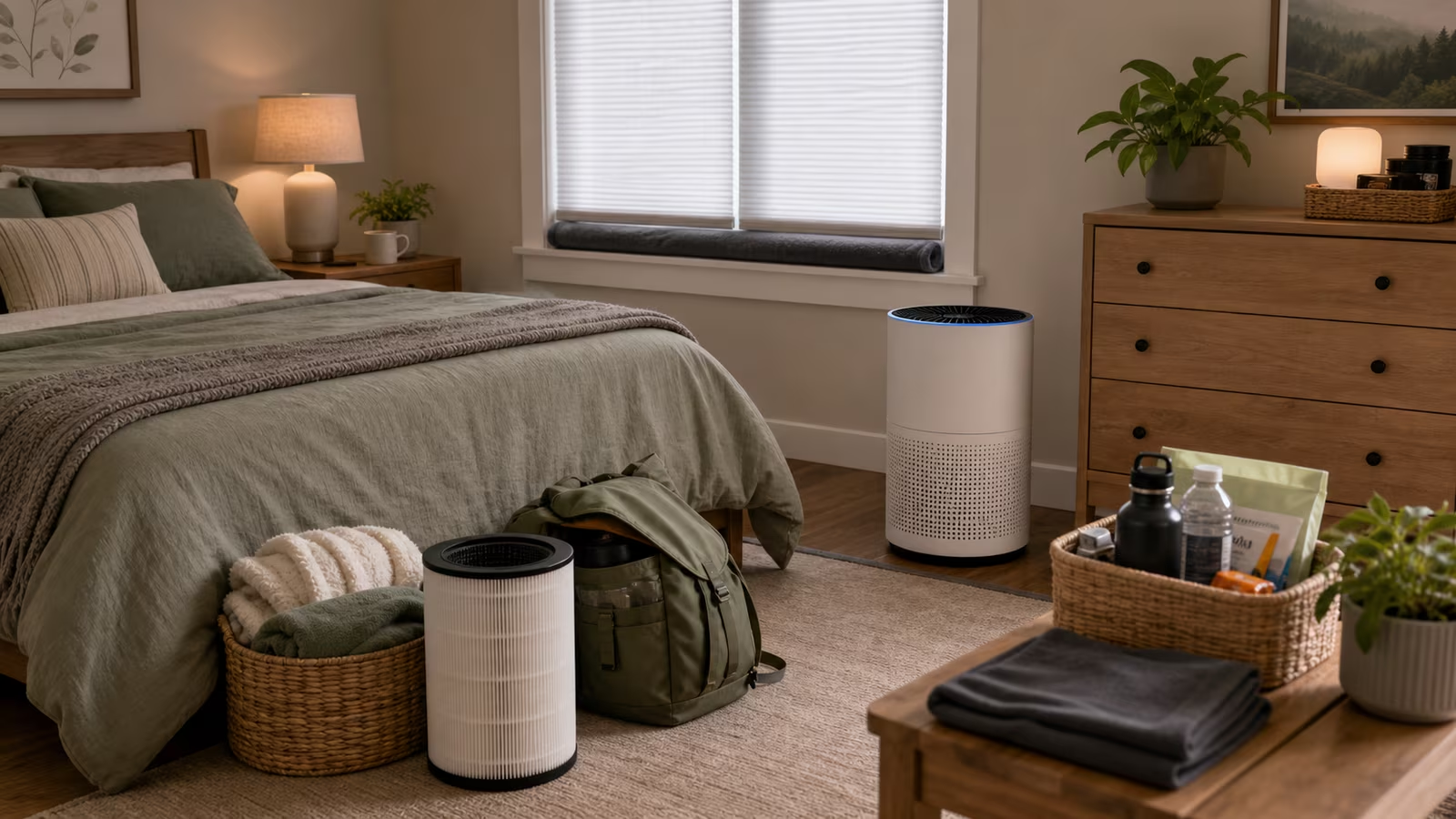
You do not need to purify the whole house, and trying to is how people exhaust their filters and their patience. Pick one room you can realistically keep cleaner than the rest, ideally one where the household spends time and can sleep if needed, with a door that closes and not too many leaky windows. That room is your clean room, and preparing it in advance is most of the work. The clean room for smoke days guide walks through this in detail, and the essentials are straightforward: a portable air cleaner sized for that specific room, spare filters bought before the season rather than during it, and a way to reduce the gaps where smoky air sneaks in.
Sizing and running the filter correctly is what makes the clean room actually clean. A unit too small for the space cannot keep up, and one run too loud tends to get switched off, so aim for a machine that keeps the room clear at a fan speed you can live with. Place it in the open, not shoved behind furniture, and keep the door to the room shut so the filter is working on a fixed volume of air rather than the whole house. Buying the spare filters early cannot be overstated, because they are the first thing to vanish from shelves once a smoke event is underway.
Seal, Then Manage The Small Leaks
On a smoke day the goal is to keep the outside out. That means closing windows and doors, and, if your home has central air, setting it to recirculate rather than pull in outdoor air, with a filter that fits well enough to catch particles as the air passes through. Simple weatherstripping and a towel along a drafty door go a long way in an older or leakier home. The idea from source control before air purifiers applies even though the source here is outdoors: reducing how much smoke gets in beats trying to filter an unlimited stream of it, so sealing comes first and the filter cleans up what still slips through.
Be deliberate about anything that pulls outdoor air in. Bathroom and kitchen exhaust fans, and whole-house fans, actively draw smoky air into the building, so a smoke day is the time to use them sparingly. This is where the plan intersects with cooking.
Do Not Add Smoke To Smoke
An overlooked part of a smoke-day plan is not making the indoor air worse from the inside. Frying, searing, and other high-particle cooking add exactly the kind of fine particulate you are trying to keep out, and on a smoke day you cannot simply throw open a window or run the range hood hard to clear it, because both trade one smoke problem for another. The habits in cooking smoke and grease smells matter more than usual here: lean toward meals that do not fill the kitchen with haze, keep high-particle cooking to a minimum, and save the heavy exhaust for when the outdoor air improves. The same logic rules out candles, incense, and anything else that burns while the house is sealed.
Turn The Plan Into A Checklist
A plan you have to reconstruct from memory in the moment is not much of a plan. The value comes from writing down, in advance, the specific moves for your home: which room, which filter, what to seal, what to avoid, and what the outdoor readings should trigger. The smoke-day plan builder exists to turn those decisions into a small, reusable checklist so that when smoke arrives you are following a plan rather than inventing one. Fill it out on a clear day, be conservative where you are unsure about room size or filter age, and keep it somewhere you will find it, because the whole point is that a smoke day becomes a matter of working through a short list instead of scrambling.
Think about cooling in that checklist too, since smoke season and heat often arrive together. If sealing the house makes it uncomfortably hot, you need a way to stay cool that does not involve pulling in outdoor air, and deciding that in advance, rather than choosing between heat and smoke at the worst moment, is exactly the kind of thing a written plan settles for you.
Plan For The People, And Keep The Boundary
A good smoke-day plan is also a household plan. Decide which activities to pause, quieting down exertion indoors, and pay particular attention to anyone more sensitive to smoke, because a plan that only works for the healthiest person in the house is not finished. Public health guidance for smoke days exists precisely because smoke affects people unevenly, and following local advice for sensitive groups is part of the plan, not separate from it.
Here the honesty matters most. A well-run clean room with a properly sized filter can meaningfully lower the smoke particles in the air you breathe, and that is a real and worthwhile reduction. It is not the same as clean outdoor air, and this guide cannot promise that any room is safe during a smoke event, because no home setup removes everything and conditions can change fast. This is practical education, not medical advice. Wildfire smoke is a genuine health hazard, and if anyone has trouble breathing, worsening symptoms, or a condition that smoke aggravates, follow medical guidance and seek care rather than relying on a filter. And keep the true emergencies in their own category: this plan is for smoke drifting in from outside, not for a fire, a gas leak, or carbon monoxide, which call for working alarms, leaving the building, and emergency help, never an air cleaner. If officials tell you to evacuate, that instruction overrides every part of a stay-inside plan.