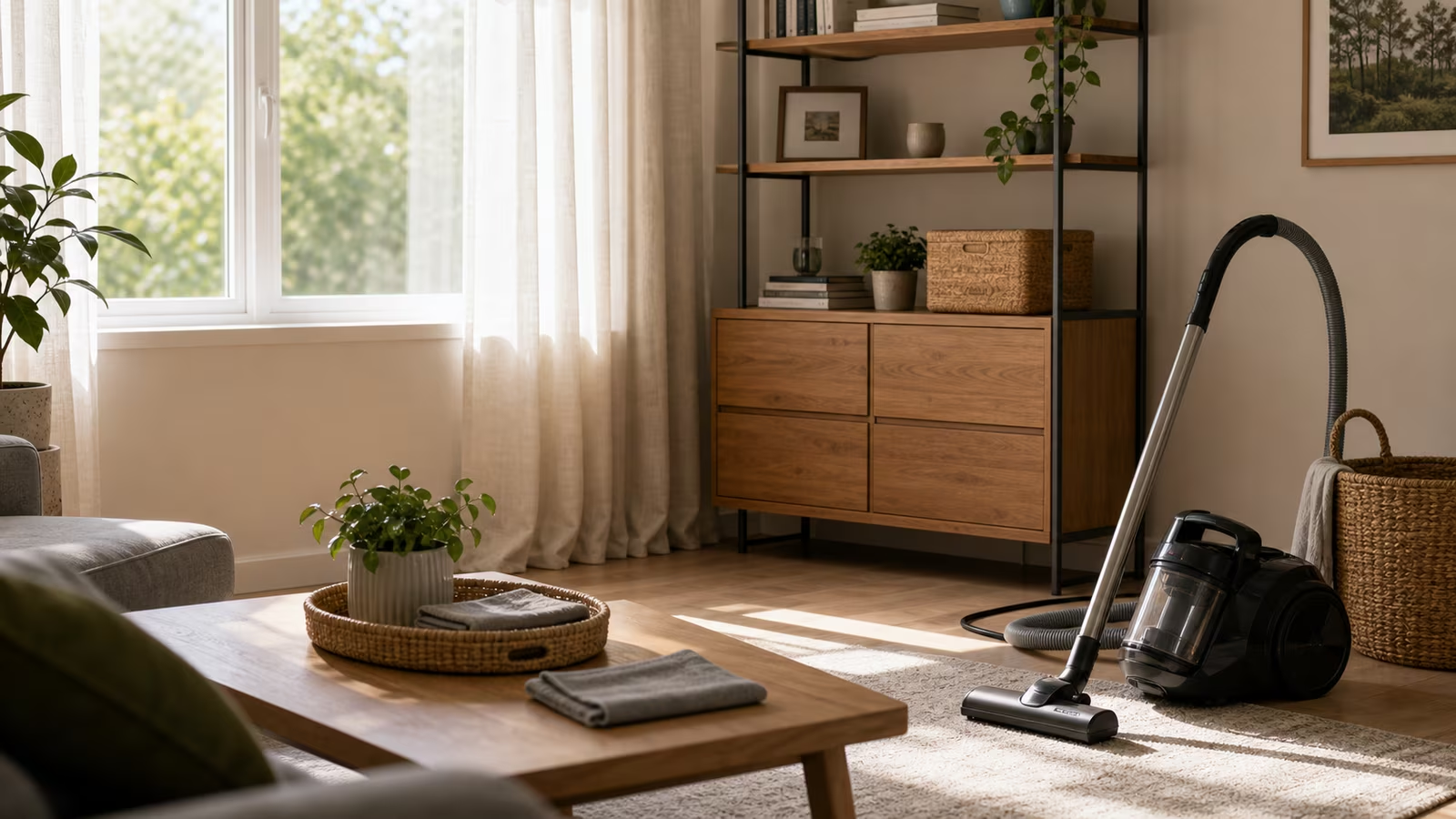
Cleaning is supposed to remove dust, so it is genuinely disorienting the first time you notice that vacuuming seems to make the air worse. The room smells dustier for an hour afterward, a shaft of afternoon light shows particles hanging in the air that were not visible before, and someone sensitive to dust feels it in their nose right after the chore that was meant to help. Nothing is wrong with you or your instincts. Vacuuming stirs up and lofts fine particles as a side effect of the very agitation that pulls debris off the floor, and a machine that does not fully contain what it collects can throw a portion of it straight back into the room. The goal of this guide is to keep the removal and lose the loft.
Why A Vacuum Can Make Air Dustier
Household dust is a mix of many particle sizes. The heavy crumbs and grit sit on the surface and come up easily; the fine stuff, skin flakes, textile fibers, pollen fragments, pet dander, works its way down into carpet pile and settles into the low, still layer of air near the floor. A vacuum does two things at once. Its brush roll and airflow lift that settled fine material, and its motor pushes a strong stream of exhaust air out the back. If the filtration and the seals are not up to the job, the exhaust becomes a small blower aimed at the room, taking the fine particles the brush just liberated and spreading them where you breathe rather than trapping them in the bin.
This is why the fix is rarely “vacuum less.” The debris still needs to go. The fix is choosing and using a vacuum that captures the fine fraction and does not leak, then sequencing the whole cleaning session so the particles you disturb end up filtered rather than airborne.
The Machine And Its Seal
Two features matter more than horsepower. The first is a genuine fine-particle filter, often described as a sealed HEPA-type system. The word “sealed” is the important part and the part marketing tends to blur. A high-grade filter accomplishes little if the air can sneak around it through gaps in the housing, a loose lid, or a cracked hose, because the path of least resistance is the leak, not the filter. A well-sealed machine forces all the air through the media before it returns to the room. When you shop, weigh whole-system sealing and filter quality above suction numbers, and factor in the cost and availability of replacement filters and bags, since a filter you never change quietly stops working.
Bagged designs have a real advantage for dust-sensitive homes: you seal the collected debris inside the bag and lift it out without a cloud, whereas emptying a bin over a trash can is one of the dustiest moments in the entire process. If you use a bagless machine, empty it outdoors or over a bag you can close quickly, and do it away from the room you just cleaned. And keep the vacuum itself maintained, because a clogged filter, an overfull bin, or a hair-wrapped brush roll all reduce capture and increase the amount that gets flung back out.
Sequence Beats Effort
The order you clean in decides where the dust lands. Work from the top of the room downward, because dusting shelves and surfaces sends particles onto the floor, and you want the floor cleaned last so it collects that fallout rather than being re-dirtied after you finish. Reach for a slightly damp or microfiber cloth on hard surfaces instead of a dry duster or a feather duster; dry dusting mostly relocates particles into the air, while a damp cloth traps them and carries them to the sink. Save the vacuum for the end, after the disturbance from higher surfaces has settled.
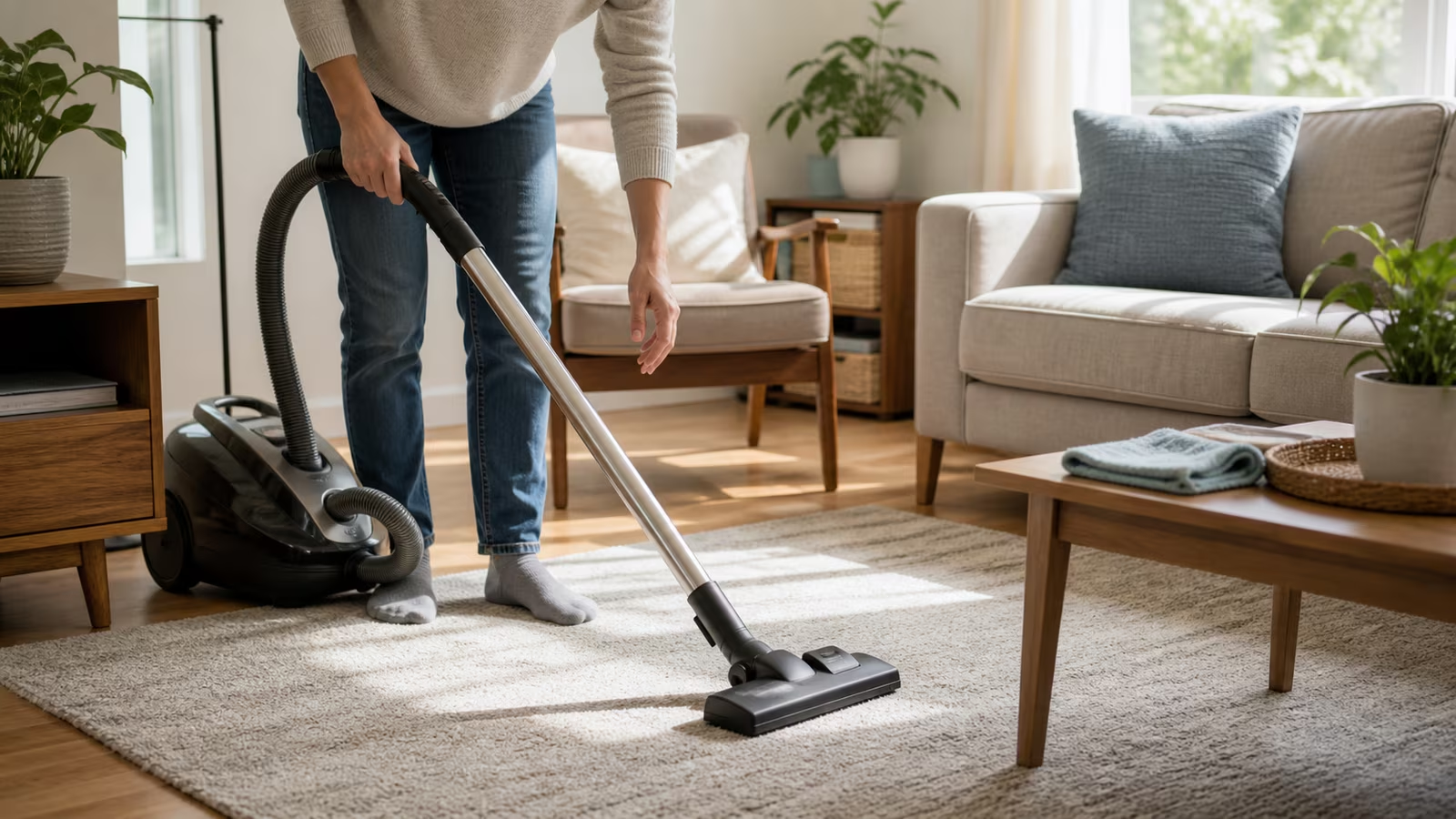
When you vacuum, go slowly. A fast back-and-forth pass looks energetic but gives the machine less time to actually pull material out of the pile, and it agitates more than it collects. Slow, overlapping passes let the airflow do its work and keep the lofting down. Move soft, dust-heavy items, throw rugs, cushion covers, pet bedding, out of the agitation cycle entirely by washing them, since a wash removes what a vacuum can only partly reach and does it without putting anything into the air.
Let Filtration And Ventilation Finish The Job
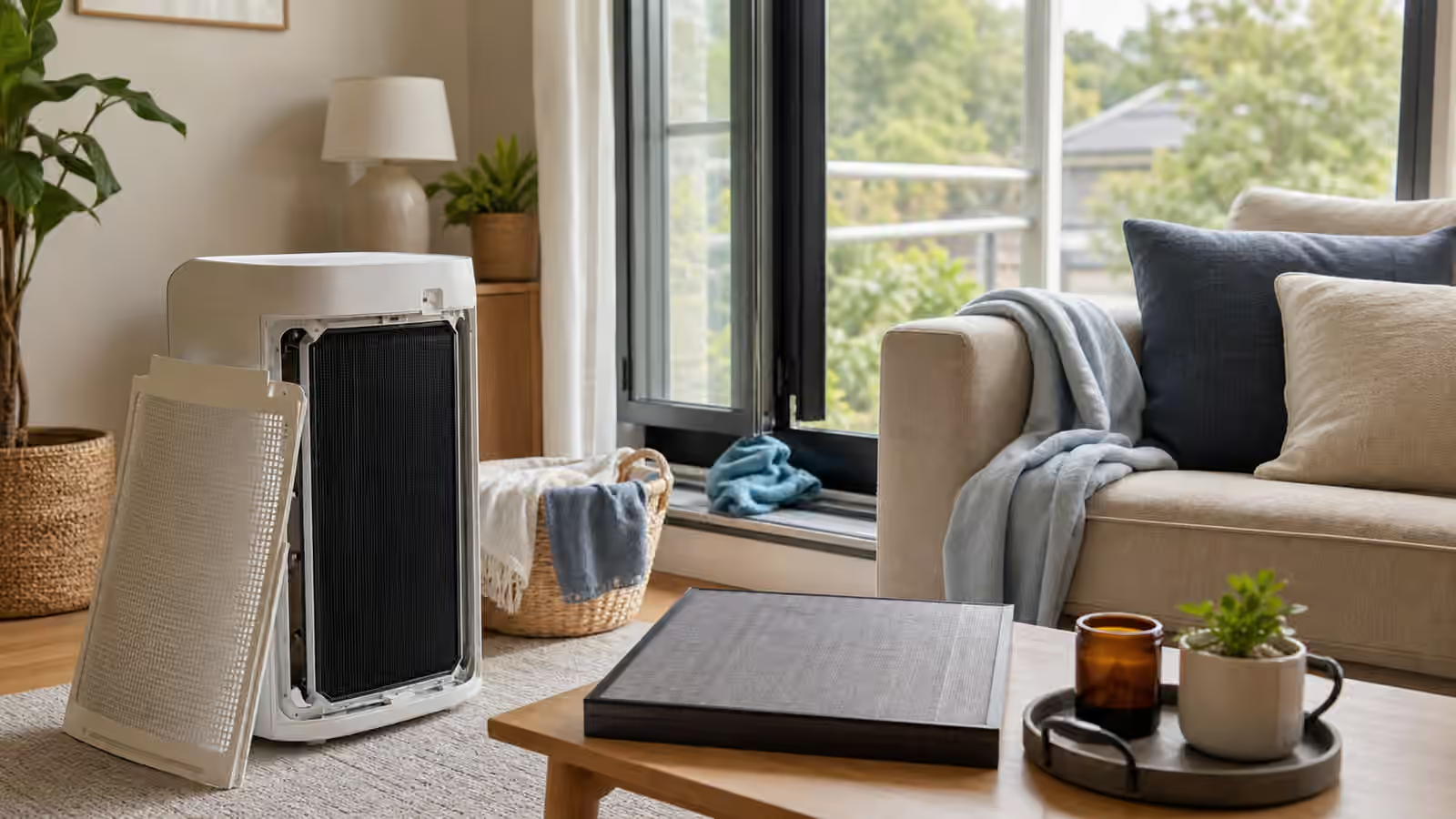
However careful you are, vacuuming will loft some particles, so give them somewhere to go. Running a purifier in the room during and after cleaning captures a good share of what gets airborne, and its benefit is largest in the half hour right after you finish, when the fine fraction is still settling. If the outdoor air is clean, opening a window for that same window of time helps flush the disturbed dust rather than letting it resettle onto the surfaces you just cleaned.
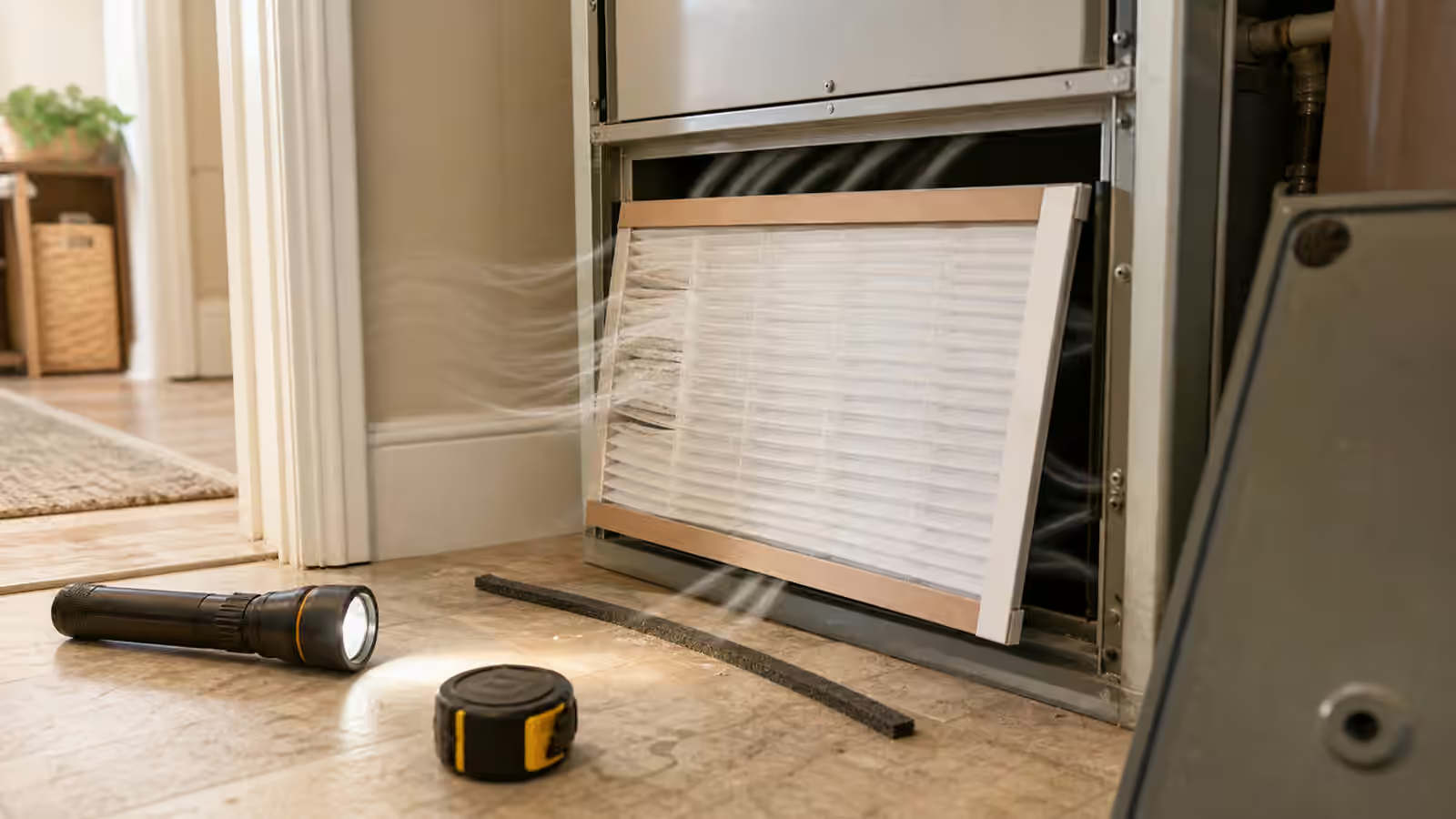
Your central system plays a quiet role too. When the HVAC fan runs, it pulls room air through the system filter, so a snug, reasonably rated filter turns your whole air handler into a slow dust collector during and after cleaning, while a loose or clogged one does little. The HVAC filter checker gives you a structured way to think about whether your filter fits, what rating suits your system, and how old the current one is, so the filtration you are counting on is actually pulling its weight. Treat the result as a next step to verify, not a verdict on the room.
The Reservoir Upstream
The most effective long game is to reduce how much dust reaches the floor in the first place, because a smaller reservoir means less to loft every time you clean. Most household dust with an outdoor origin arrives on shoes and clothing, so a good entry mat and a shoes-off habit cut the incoming grit noticeably; the guide to entryway dirt, shoes, and outdoor particles covers that side. Inside, textiles are both a reservoir and a source, which is why washing bedding and soft furnishings on a sensible schedule matters, and why the sleep setup for cleaner bedroom air leans on the same idea. Reduce the input, wash what you can, and the vacuum has less fine material to fling around each session.
Keep The Chemistry Simple
One last habit worth naming: resist the urge to spray a scented product to make a freshly cleaned room “smell clean.” Fragrance does not remove dust; it adds another set of compounds to the air on top of whatever the vacuum stirred up, and it masks the very cue that would tell you whether the room actually cleared. A room that has genuinely been cleaned and given a little filtration or ventilation should simply smell neutral. The related guide on cleaning products, VOCs, and fresh air goes deeper, but the short version is that clean is an absence, not a perfume.
Clean Air Society is practical education, not medical advice, diagnosis, remediation, or a guarantee that a room is safe. If cleaning consistently triggers strong reactions in someone, that is a conversation for a clinician rather than a purchase, and any situation involving extensive mold, sewage, or building damage belongs to qualified professionals. Follow local public health guidance during smoke, carbon monoxide, mold, chemical, radon, or building-safety issues.