Lead in Drinking Water: Pipes, Fixtures, Testing, and Filters
How lead can enter tap water through plumbing, why testing matters, and how to verify certified reduction claims without overclaiming.
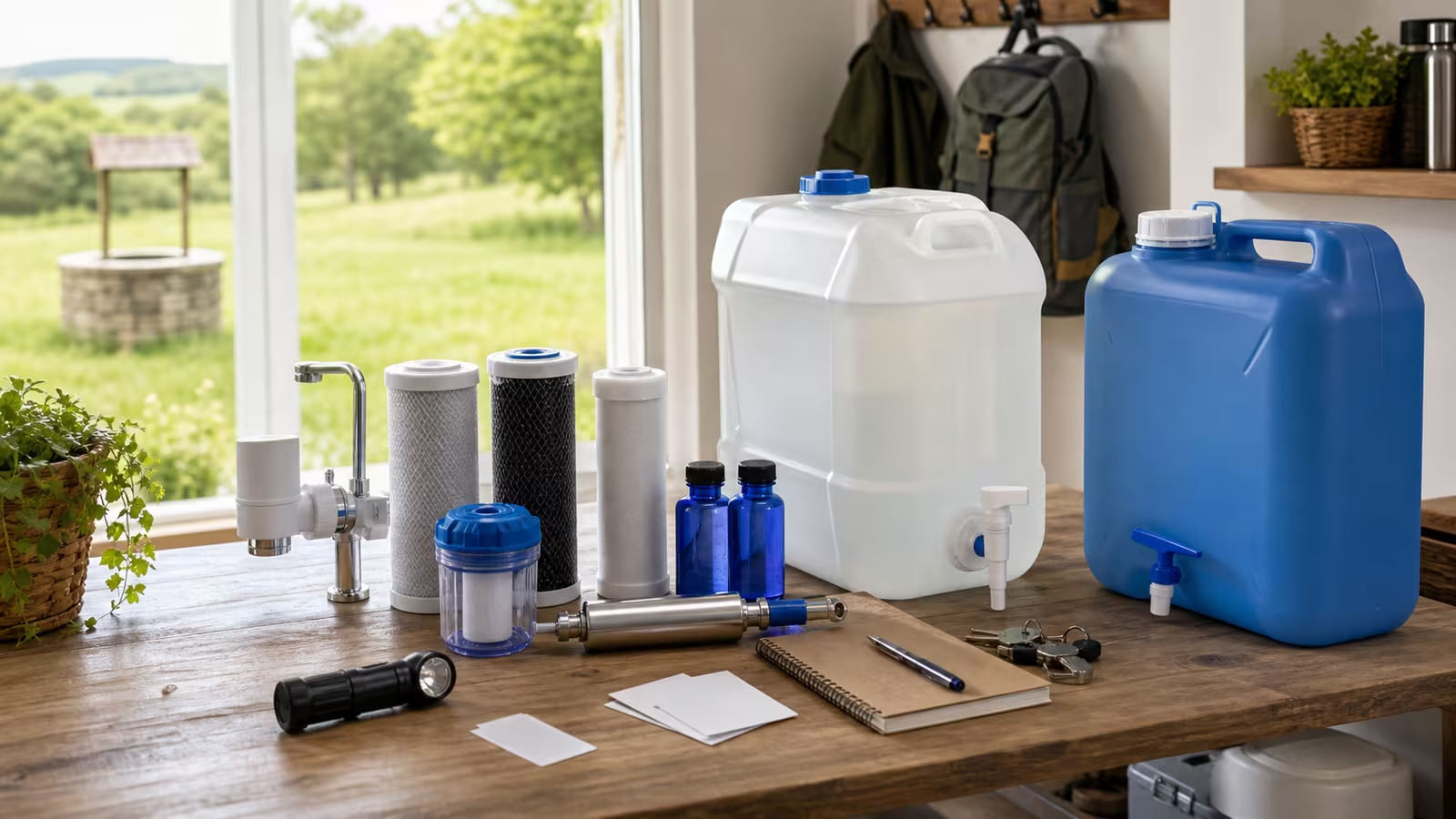
Lead can enter drinking water from service lines, solder, brass, fixtures, or other plumbing. A public water report is useful context, but it cannot tell you exactly what comes out of your kitchen tap. You cannot reliably see, taste, or smell lead in water.
Heads up
Water safety boundary
Clear Water Lab helps with everyday water decisions, reports, testing, certification checks, and maintenance. It is not medical advice, legal advice, or a substitute for local boil-water notices, certified lab results, utility instructions, or health department guidance.
Start with the water you use
If you know or suspect lead in your plumbing, use cold water from a filter certified for lead reduction or an appropriate bottled water for drinking, cooking, and preparing infant formula while you arrange testing or follow local guidance. Hot tap water can contain more lead; heat cold water on the stove instead. Boiling does not remove lead and can increase its concentration as water evaporates. Follow any current utility or health department notice, which may give more specific instructions. CDC’s lead guidance explains these precautions.
Lead exposure is especially concerning for infants, young children, and pregnant people. If you think a child has been exposed, contact their healthcare provider about whether a blood lead test is needed. A water test measures a sample of water; it cannot diagnose exposure in a person. See CDC’s guidance on testing children .
Find out what serves your home
Ask your water utility for its service line inventory, the material on both the utility and property sides, and any replacement program. A service line connects the water main to the building; ownership and responsibility vary locally. An unknown inventory entry means the material has not been confirmed, not that the line is lead-free. Renters and people in multi-unit buildings can also ask the landlord or building manager about plumbing records and notices. Private well owners should ask the local health department or a certified lab about testing their water and plumbing. Schools and child care facilities may have separate sampling programs; ask the facility or local health department for its results and procedures.
The service line is only one piece of the picture. Interior plumbing, solder, faucets, and fixtures can also contribute lead. Building age is a clue, not a test, and replacing a lead service line does not establish that every fixture is lead-free. How to Read Your Water Quality Report explains what a utility report can and cannot tell you about your tap.
Choose a test that answers your question
Contact your utility or local health department about testing, or use a state-certified drinking water laboratory that analyzes lead. Ask about cost, the correct bottles and return deadline, and whether the plan is intended to investigate a fixture, a service line, or filtered water. A kitchen drinking tap is often a useful starting point, but one tap does not represent every tap in a building.
Follow the lab or utility’s sampling instructions exactly. Some plans call for a first-draw sample after water has sat in plumbing; others use additional samples to investigate a service line or water after flushing. Do not flush, remove or clean the aerator, or change the filter before sampling unless the instructions say to do so. Record the tap, date, how long the water sat, recent plumbing work, and whether the sample was filtered. The sample collection guide can help you prepare, but the test provider’s protocol takes priority.
A result describes that sample under those conditions. Lead levels can vary with water use, plumbing disturbance, and sampling method, so one low result is not a permanent guarantee. Ask the lab or health department to explain the result, reporting limit, units, and any follow-up sampling. A result reported as “not detected” means lead was below that method’s reporting limit; it does not prove the water contains zero lead.
How to read an action level
EPA’s health goal for lead in drinking water is zero. The U.S. lead action level is a regulatory trigger based on a public water system’s tap sampling results; it is not a health-based safe limit for an individual household sample. A system result below its action level does not guarantee that your tap is below it. Rules and implementation dates can change, so ask the utility or state drinking water program how to interpret the current report and your own result. EPA explains the 90th percentile in water reports .
Check the filter claim and maintain it
A filter for chlorine taste is not automatically a lead filter. Look for independent certification for lead reduction on the exact system and cartridge, then check the certifier’s current listing and performance data sheet. CDC recommends a point-of-use filter certified to NSF/ANSI 53 for lead removal and NSF/ANSI 42 for particulate removal. The standard number by itself is not enough: the listing must include the relevant claim for the product and configuration.
Install and flush the cartridge as directed, use it within the rated conditions, and replace it on schedule. Certification does not guarantee a particular result at every tap. Keep the model number, installation date, and replacement reminder together. How to Verify a Water Filter Claim walks through the listing; filter certifications explains the standards.
Flushing and plumbing work
When water has sat in pipes, running cold water can reduce exposure in some situations. Ask the utility or health department for instructions suited to your building and service line; there is no single flushing time that fits every home, and flushing alone may not be reliable for all plumbing. Keep drinking-water flushing separate from the lab’s sampling procedure. The first-draw and flushing guide explains why the two have different purposes.
Work on a water main or service line can disturb lead-containing material and temporarily increase lead in water. If work is planned or just completed, ask the utility for its flushing, filter, and follow-up testing instructions. Full replacement removes the lead service line as a source, but other lead-containing plumbing may remain. Do not disturb a suspected lead pipe yourself to identify or replace it; ask the utility or a qualified professional. For replacement fixtures, choose certified plumbing products and follow the installer’s and manufacturer’s instructions.
Try this next
- Check for current utility notices and ask for the service line inventory, including any unknown sections and replacement options.
- Arrange a lead test with the utility or a certified lab; save the sampling instructions and the result together.
- For drinking, cooking, and formula, follow local advice and use cold water with a verified lead-reduction filter or an appropriate bottled water while the concern is being resolved.
- If a child may have been exposed, discuss blood lead testing with their healthcare provider.
Related Fondsites path
- Home Water Testing
- How to Read Your Water Quality Report
- Does Boiling Water Remove PFAS, Lead, Chlorine, or Bacteria?
- How to Verify a Water Filter Claim