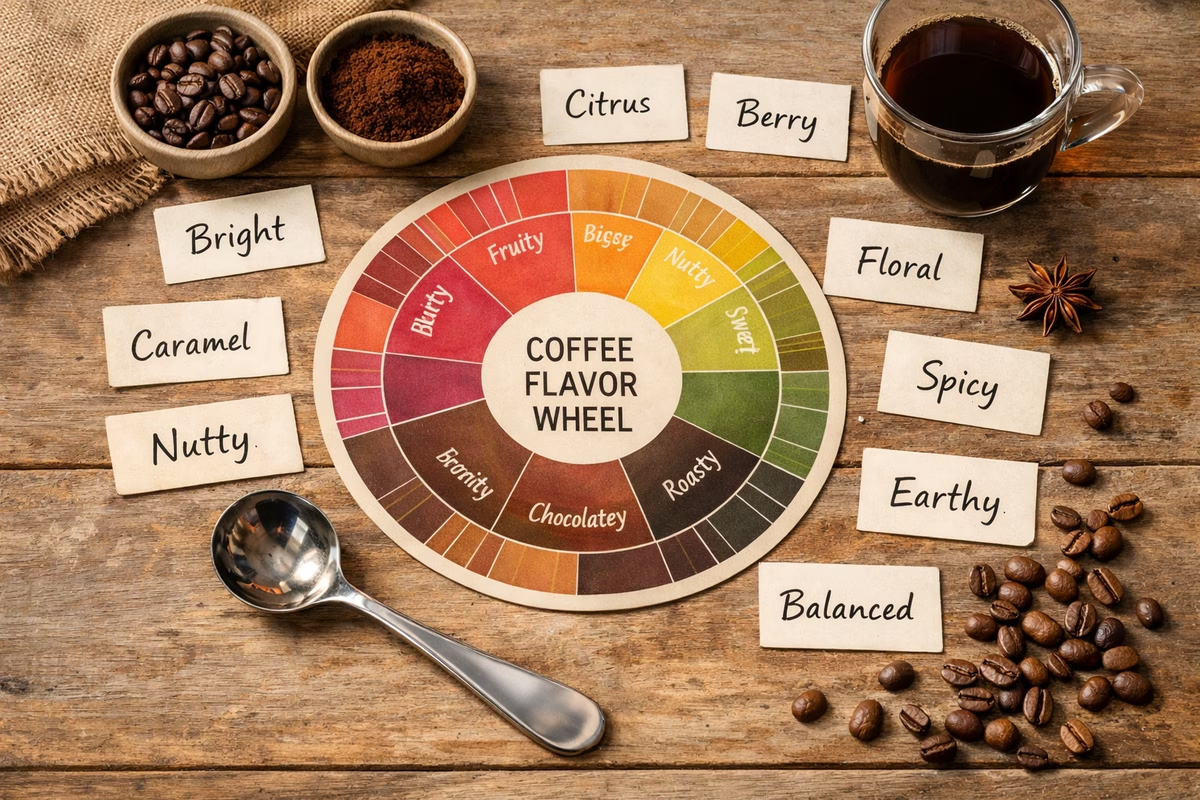
Coffee Glossary
Your complete reference for coffee terminology—from bean to cup. Use it as a quick translator when a bag or menu gets acronym-heavy, and as a vocabulary builder when you want to describe what you’re tasting with confidence.
How to use this glossary
- Shopping: learn a few labels that actually matter (origin, process, roast date) and ignore the rest.
- Brewing: when something tastes off, look up the likely culprit (extraction, channeling, ratio) and adjust one variable.
- Tasting: borrow one aroma word and one texture word; naming the sensation makes it easier to repeat.
A tiny flavor compass
- Sour + thin: under-extracted (too coarse / too fast / too cool)
- Bitter + dry: over-extracted (too fine / too slow / too hot)
- Flat + papery: stale coffee or poor water
- Bright + sweet: the sweet spot—keep notes and repeat
A
Acidity: Bright, tangy quality in coffee. Not sour (bad) but lively (good). High in African coffees.
Aeropress: Portable brewing device using air pressure. Versatile, makes 1 cup.
Affogato: Espresso poured over vanilla ice cream. Italian dessert/coffee.
Altitude: Elevation where coffee grows. Higher = denser beans, better quality (generally). Measured in feet or meters above sea level.
Americano: Espresso + hot water. Similar strength to drip coffee but different flavor.
Arabica (Coffee arabica): Primary coffee species. 60-70% of world production. Complex, nuanced, higher quality than Robusta.
Aroma: Fragrance of brewed coffee. Evaluated in cupping.
Astringent: Harsh, drying sensation. Over-extraction or poor quality beans.
B
Barista: Person who prepares espresso-based drinks. Skilled in extraction, milk steaming, latte art.
Basket: Metal filter holding coffee grounds in espresso portafilter. Sizes: single, double, triple.
Bean Belt: Tropical/subtropical regions between Tropics of Cancer and Capricorn where coffee grows.
Bitter: Harsh, unpleasant taste from over-extraction or dark roasting. Some bitterness normal in espresso.
Blade Grinder: Device that chops beans with spinning blade. Produces uneven grounds. Avoid—use burr grinder instead.
Blend: Coffee from multiple origins combined. Designed for balance or specific flavor profile.
Bloom: Initial pour in pour-over brewing (30-45 sec). Saturates grounds, releases CO2, prepares for extraction. Fresh coffee blooms vigorously.
Body: Weight, thickness, mouthfeel of coffee. Light (tea-like) to full (syrupy). French press = full body.
Bottomless Portafilter (Naked): Espresso portafilter with exposed basket bottom. Shows extraction quality, catches channeling.
Brew Ratio: Coffee-to-water ratio by weight. Standard: 1:15 to 1:17. Espresso: 1:2.
Brew Time: Total time water contacts coffee. Varies by method: espresso 25-30 sec, V60 2:30-3:00, French press 4:00.
Brew Temperature: Water temperature for extraction. Ideal: 195-205°F (90-96°C). Hotter = more extraction (risk of bitterness).
Burr Grinder: Grinder with two abrasive surfaces crushing beans uniformly. Essential for quality coffee. Types: conical, flat.
Burnt: Over-roasted, charred flavor. Excessive dark roasting destroys origin characteristics.
C
Caffeine: Stimulant compound in coffee. Light roast = slightly more (less roasting time). Robusta = 2x Arabica.
Cappuccino: 1/3 espresso, 1/3 steamed milk, 1/3 foam. 5-6 oz total. Traditional Italian breakfast drink.
Chaff: Thin skin separating from beans during roasting. Removed after roasting.
Channeling: Water finding path of least resistance through espresso puck. Causes uneven extraction, sour/weak shot. Fix: better distribution, even tamp.
Chemex: Pour-over brewer with glass carafe and thick filters. Invented 1941, iconic hourglass shape.
Cherry: Coffee fruit. Contains two seeds (beans). Red or yellow when ripe.
Complexity: Multiple flavor notes and layers in coffee. Sought-after quality in specialty coffee.
Conical Burrs: Cone-shaped burr inside ring-shaped burr. Quieter, produce some fines. Good for espresso.
Crema: Tan foam layer atop espresso. Emulsified oils from high-pressure extraction. Sign of fresh beans and proper extraction.
Cupping: Professional coffee tasting protocol. Standardized method for evaluating coffee quality (aroma, flavor, aftertaste, body, balance, acidity).
D
Decaffeinated: Coffee with 97%+ caffeine removed. Methods: Swiss Water Process (chemical-free), CO2, solvent-based.
Degassing: Coffee releasing CO2 after roasting. Peaks 24-48 hours post-roast. Too fresh = hard to extract evenly.
Demitasse: Small cup (2-3 oz) for serving espresso.
Dialing In: Adjusting grind size, dose, and time to perfect espresso extraction. Iterative process.
Dose: Amount of coffee used. Espresso: 14-20g typical. Pour over: varies by ratio.
Drip Coffee: Automatic coffee maker. Water drips through grounds into carafe.
Dry Processing (Natural): Coffee dried with fruit intact. Fruity, wine-like flavors. Common in Ethiopia, Brazil.
E
Espresso: Concentrated coffee brewed under 9 bars pressure. 1:2 ratio in 25-30 seconds. Base for cappuccino, latte, etc.
Espresso Machine: Device brewing espresso. Ranges from $200 home machines to $20,000 commercial.
Extraction: Dissolving soluble compounds from coffee grounds with water. Under = sour, Over = bitter, Proper = balanced.
Extraction Time: How long water contacts coffee during brewing.
Extraction Yield: Percentage of coffee mass dissolved into water. Target: 18-22%.
F
Filter Coffee: Coffee brewed through paper/metal filter (vs. espresso or immersion). Examples: pour over, drip.
Flat Burrs: Parallel spinning disc burrs. Uniform grind, ideal for filter coffee.
Flat White: Espresso with microfoam milk. 5-6 oz, velvety texture. Australian/New Zealand origin.
Flavor: Taste sensations: sweet, sour, bitter, salty, umami. Coffee’s complex flavor compounds create thousands of distinct notes.
French Press (Press Pot): Immersion brewer with metal filter. Full-body coffee in 4 minutes.
Freshness: How recently coffee was roasted. Peak: 7-21 days post-roast. Stale after 4-6 weeks.
G
Geisha (Gesha): Rare, prized coffee variety. Originated Ethiopia, now grown in Panama. Floral, tropical fruit flavors. Expensive ($50-1,000+/lb).
Grind Size: Coarseness of ground coffee. Coarse (French press) to fine (espresso).
Grinder: Device for grinding whole beans. Burr grinders produce uniform particles (essential for quality).
Group Head: Part of espresso machine where portafilter locks. Delivers heated water at pressure.
H
Hard Bean: Coffee grown at high altitude. Denser, harder bean. Better quality. Example: SHB (Strictly Hard Bean).
Honey Processing: Coffee dried with mucilage (fruit layer) intact. Produces sweet, fruity coffee. Variations: white, yellow, red, black honey (amount of mucilage left on).
Hopper: Container on grinder holding whole beans.
I
Immersion Brewing: Coffee steeping in water, then filtered. Examples: French press, AeroPress (inverted).
Italian Roast: Very dark roast. Oily, smoky, low acidity. Roast flavors dominate.
K
Kalita Wave: Flat-bottom pour-over with wave-patterned filter. More forgiving than V60.
Kettle: Vessel for heating water. Gooseneck kettle provides pour control for pour over.
L
Latte: Espresso with lots of steamed milk, thin foam layer. 8-16 oz. Most popular milk drink.
Latte Art: Designs created in milk foam (heart, rosetta, tulip). Requires microfoam and technique.
Light Roast: Roasted to 356-401°F. Light brown, origin characteristics preserved, bright acidity, no oil on beans.
Lungo: “Long” espresso. More water, weaker concentration. Opposite of ristretto.
M
Macchiato: Espresso “marked” with dollop of foam. 2-3 oz total. (Note: Starbucks “macchiato” is totally different.)
Medium Roast: Roasted to 410-428°F. Brown, balanced, no oil. Most popular roast level.
Microfoam: Velvety steamed milk for latte art. Tiny air bubbles, glossy texture.
Moka Pot: Stovetop espresso maker using steam pressure. Produces strong coffee (not true espresso).
Mucilage: Sticky fruit layer surrounding coffee seed. Removed in processing (or left for honey process).
N
Natural Process: See Dry Processing.
Nitro Cold Brew: Cold brew infused with nitrogen gas. Creamy, smooth, cascading effect like Guinness.
O
Origin: Where coffee is grown. Single-origin = one location. Affects flavor dramatically.
Over-Extraction: Too much extraction (bitter, harsh, astringent). Fix: coarser grind, lower temp, shorter time.
P
Parchment: Papery layer protecting coffee bean. Removed during processing (hulling).
Peaberry: Single round bean (vs. two flat-sided beans). 5-10% of harvest. Often considered premium.
Percolation: Brewing method where water passes through grounds (pour over, espresso). Vs. immersion.
Portafilter: Handled device holding espresso basket. Locks into group head.
Pour Over: Manual filter brewing. Water poured over grounds in cone. Examples: V60, Chemex, Kalita.
Puck: Compressed disc of spent espresso grounds after extraction.
Pull (a shot): Brew espresso. Term from manual lever machines.
Q
Quakers: Underdeveloped, unripe beans. Lighter color after roasting. Cause sour, grassy, unpleasant flavors. Defect.
R
Ristretto: “Restricted” espresso. Less water, more concentrated. 1:1.5 ratio instead of 1:2.
Roast Date: Date coffee was roasted. Essential info—use within 4-6 weeks. Buy fresh!
Roast Level: How dark beans are roasted. Light, medium, medium-dark, dark.
Robusta (Coffea canephora): Second coffee species. Bitter, earthy, high caffeine (2x Arabica). 30-40% of production. Used in commercial coffee and espresso blends.
Rosetta: Leaf/fern latte art pattern.
S
Scale: Measuring device. Essential for consistent coffee. 0.1g precision for espresso.
SCA (Specialty Coffee Association): Organization setting specialty coffee standards. 80+ point score = specialty grade.
Score: Coffee quality rating (100-point scale). 80-84 = specialty, 85-89 = excellent, 90+ = outstanding.
Second Crack: Popping sound during roasting (around 435°F). Marks transition to dark roast. Bean structure breaking down.
Shot: Single serving of espresso (1-2 oz).
Single-Origin: Coffee from one geographic location (country, region, or farm). Showcases unique terroir.
Specialty Coffee: Coffee scored 80+ points. High quality, traceable, no defects.
Steam Wand: Nozzle on espresso machine dispensing pressurized steam for frothing milk.
Stovetop Espresso: See Moka Pot.
T
Tamp: Compress espresso grounds in basket with tamper (30 lbs pressure). Creates even, flat puck for uniform extraction.
Tamper: Tool for compressing espresso grounds. Typically 58mm or 54mm to match basket size.
Terroir: Environmental factors (soil, climate, altitude) affecting coffee flavor. Like wine.
Thermometer: Temperature measuring device. Useful for pour over water temp and milk steaming (140-150°F).
TDS (Total Dissolved Solids): Concentration of solubles in brewed coffee, measured in %. Target: 1.15-1.45%.
Tulip: Latte art design with nested hearts.
U
Under-Extraction: Too little extraction (sour, weak, lacking body). Fix: finer grind, hotter water, longer time.
Uniform Grind: Consistent particle size from grinder. Essential for even extraction. Burr grinders provide this.
V
V60: Conical pour-over by Hario. 60-degree angle, spiral ribs, large single hole. Popular, versatile.
Varietal (Variety): Subspecies of coffee plant. Examples: Typica, Bourbon, Geisha, Caturra. Affects flavor.
Vietnamese Coffee: Robusta coffee brewed in phin filter, served with sweetened condensed milk over ice.
W
Washed Processing (Wet): Coffee fermented in water, mucilage removed, then dried. Clean, bright flavors. Common in Central America, East Africa.
WDT (Weiss Distribution Technique): Using thin needle to break up clumps and distribute espresso grounds evenly in basket. Prevents channeling.
Wet-Hulled (Giling Basah): Processing unique to Indonesia. Parchment removed while beans wet. Creates earthy, herbal, full-bodied Sumatra profile.
Whole Bean: Coffee sold as whole beans (vs. pre-ground). Stays fresh much longer. Grind just before brewing.
Y
Yield: Amount of brewed coffee produced. Espresso: 1:2 ratio (18g in = 36g out).
Z
Zero Retention: Grinder design with minimal coffee remaining in burr chamber after grinding. Niche Zero named for this feature.
Quick Reference: Common Ratios
Brewing Ratios (Coffee:Water by Weight):
- Pour Over: 1:15 to 1:17 (e.g., 20g coffee : 300-340g water)
- French Press: 1:15 to 1:17
- Espresso: 1:2 (e.g., 18g in : 36g out)
- Cold Brew Concentrate: 1:7 (dilute 1:1 or 1:2 before drinking)
- AeroPress: 1:12 to 1:15 (various recipes)
Espresso Timing:
- Standard: 25-30 seconds
- Ristretto: 15-20 seconds
- Lungo: 35-40 seconds
Water Temperature:
- Standard: 195-205°F (90-96°C)
- Light Roasts: 200-205°F (higher end)
- Dark Roasts: 195-200°F (lower end)
- Cold Brew: Room temp or cold
Master this vocabulary and you’ll confidently navigate specialty coffee shops, understand roaster descriptions, discuss brewing technique, and sound like a coffee pro!