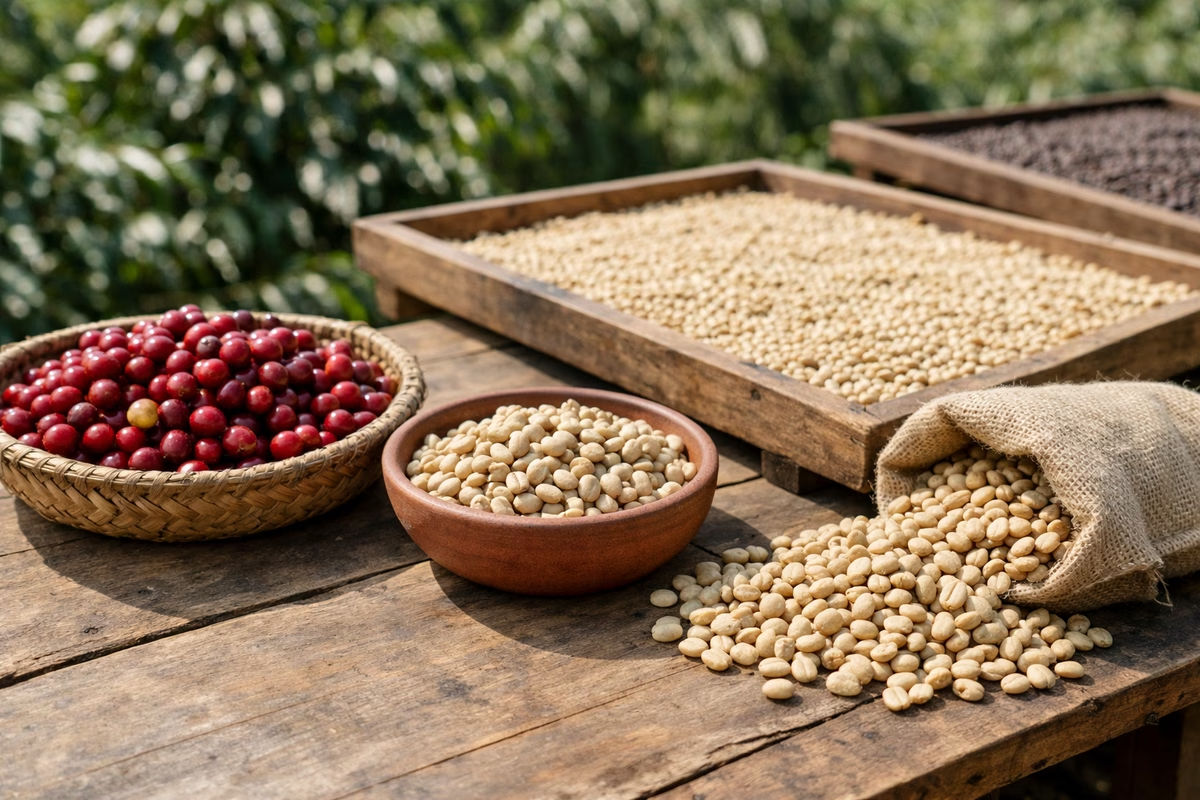
Coffee Processing Methods
Coffee processing is the bridge between fruit and seed. It’s the set of decisions that turns a fresh coffee cherry into a stable green bean that can be exported, stored, and roasted. It also happens to be one of the biggest levers on flavor—sometimes even more influential than origin or roast level.
If origin is the “where,” processing is the “how.” Two coffees from the same farm can taste like different species when processed differently: one clean and citrusy, the other jammy and wine-like.
This guide explains what each processing method does, what it tends to taste like, and how to choose coffees based on processing without getting trapped by hype.
The Coffee Cherry (What We’re Actually Processing)
A coffee cherry is fruit wrapped around a seed. Processing is mostly about removing layers in a controlled way.
From outside to inside you’ll hear these terms:
- Skin (exocarp): the outer cherry skin
- Pulp (mesocarp): the sweet fruit flesh
- Mucilage: a sticky, sugary layer clinging to the seed
- Parchment (endocarp): a papery protective layer
- Silver skin: a thin layer on the bean
- Coffee bean (seed): usually two seeds per cherry
The goal is simple: remove the fruit layers and dry the seed to a stable moisture level (often cited around 10–12%) so it can be stored and roasted. The hard part is doing that consistently, at scale, in real weather.
The Three Core Families: Natural, Washed, Honey
Most of the coffee you’ll ever buy fits into one of three families. “Experimental” processes are often variations on these themes.
Natural process (dry process)
Natural processing dries the whole cherry intact before removing the dried fruit layers. Because the bean sits in contact with fruit and sugars while drying, naturals often skew sweeter and fruitier.
What it typically tastes like:
- Fruit-forward aromatics (berries, tropical fruit, dried fruit)
- Heavier body and roundness
- Lower perceived acidity compared to washed versions of the same coffee
- Sometimes fermentation character (pleasantly wine-like when clean; unpleasantly sour when not)
Where you’ll see it often: Ethiopia (traditional), Brazil, Yemen, and any region where harvest weather makes drying feasible.
Why people love it: naturals can feel like dessert without heaviness—big aromatics, syrupy sweetness, and a vivid “fruit” personality.
What can go wrong: natural processing has less margin for error. If drying is uneven or too slow, you can get mold risk or off-flavors that read as rotten, vinegary, or overly “funky.”
Washed process (wet process)
Washed processing removes the skin and pulp mechanically, then uses fermentation and washing to remove mucilage before drying. The bean spends less time in contact with fruit sugars, so washed coffees often present more clarity and origin expression.
What it typically tastes like:
- Clean, defined acidity
- Transparent flavor structure (you can “see” the origin)
- Lighter to medium body
- Florals and tea-like qualities in high-quality coffees
Where you’ll see it often: Central America, Colombia, Kenya, and many specialty regions.
Why people love it: washed coffees are predictable teachers. If you want to understand what a region tastes like, washed is often the best starting point.
Tradeoffs: washed processing can require significant water and infrastructure. Many producers mitigate this through water recycling and wastewater treatment, but local realities vary.
Honey process (pulped natural)
Honey processing sits between washed and natural. The cherry is depulped, but some mucilage is intentionally left on the seed during drying. That mucilage behaves like a controlled sweetness layer: more fruit-derived sugars than washed, less fermentation exposure than natural.
What it typically tastes like:
- A “best of both” balance for many palates
- Medium body with a sweet, rounded center
- Fruit notes that are present but usually less wild than naturals
- Moderate, friendly acidity
You’ll see honey coffees labeled as white/yellow/red/black honey in some origins. Those labels often refer to how much mucilage is left and how the drying is managed. As a taster, treat them as a clue about sweetness and intensity rather than a precise guarantee.
Advanced / Experimental Processing (and What It’s Really Doing)
Experimental methods are mostly ways of controlling fermentation and oxygen exposure—either to increase consistency or to intentionally push flavor into new territory.
Anaerobic fermentation
Anaerobic means fermentation in a sealed environment with limited oxygen. This can concentrate and reshape aromatics, often producing intense fruit notes and sometimes boozy, wine-like impressions.
The reason it matters is control. By sealing the environment, producers can manage time and conditions more deliberately than open-air fermentation.
What to expect in the cup:
- High aromatic intensity (strawberry, tropical fruit, candy-like notes)
- High sweetness perception
- Occasionally a “fermented” character that can feel exciting or overwhelming depending on your preference
Carbonic maceration
Borrowed from winemaking, carbonic maceration typically uses whole cherries in a CO2-rich sealed environment so fermentation occurs inside intact fruit. It often produces bright, unusual aromatics and candy-like sweetness.
Lactic fermentations
Some approaches aim to encourage lactic acid bacteria or control fermentation in a way that yields creamy, yogurt-like notes and smoother acidity. The terminology can vary by producer and roaster; the important point is that fermentation style can shape not just fruit notes but texture.
Wet-hulled (Giling Basah) — Indonesia
Wet-hulling is closely associated with Indonesia and helps explain the classic “Sumatran” profile. The parchment layer is removed while the beans still have high moisture, and they finish drying without parchment protection. That different drying context tends to produce the earthy, herbal, heavy-bodied profile many people associate with Indonesian coffees.
How Processing Changes Flavor (A Useful Mental Model)
When you’re tasting, processing often shows up in four places:
1) Body and texture
More fruit contact and sugar exposure often correlates with heavier body and roundness. Naturals can feel syrupy; washed coffees often feel more structured and clean.
2) Acidity “shape”
Washed coffees often have a clearer, brighter acidity. Naturals may have lower perceived acidity, or acidity that feels softer and more blended into sweetness.
3) Sweetness perception
Sweetness isn’t just “sugar”—it’s how aromas, acids, and body align. Honey and natural processes often read sweeter because of the aromatic fruit cues and rounded body.
4) Complexity vs clarity
Washed coffees often emphasize clarity and precision. Naturals and some experimental processes emphasize complexity and aroma. Neither is better; they’re different tools.
Processing Quality Factors (Why Two Naturals Don’t Taste the Same)
The processing label tells you the method, not the execution. Quality lives in the details.
Sorting and selection
If under-ripe, over-ripe, or defective cherries enter processing, defects can show up as harshness, vegetal notes, or inconsistencies. High-quality lots often involve careful sorting (by hand, flotation, density, or all three).
Drying discipline
Drying is where many defects are born. Uneven drying creates uneven flavor development; drying that’s too slow increases risk of mold and off-notes; drying that’s too fast can damage bean structure.
Fermentation control
Fermentation isn’t inherently scary—it’s a tool. When controlled, it can build sweetness and fruit complexity. When uncontrolled, it can create sour, vinegary, or rotten defects. Time, temperature, microbial populations, and pH all matter.
Myth-Busting (So You Can Choose What You Actually Like)
“Natural is always better.”
Natural is not “better”; it’s a style. If you like fruit-forward sweetness and heavier texture, naturals might be your favorite. If you like clean structure and clarity, washed coffees will often win.
“Washed coffee is boring.”
Washed coffees can be thrilling—especially from origins known for bright aromatics (Kenya, Ethiopia, many high-altitude Central American lots). “Boring” usually means the coffee itself is ordinary, not that washed processing erased flavor.
“Processing doesn’t matter much.”
Processing can absolutely dominate the cup. If you want a direct demonstration, taste the same origin from the same roaster in two processes (washed vs natural). It often feels like a different coffee altogether.
Choosing Coffee by Processing (Fast and Reliable)
If you want a high-confidence selection strategy, match processing to the kind of cup you want.
If you want fruit, jam, and wine-like aromatics
Start with naturals. They can shine as pour-over and can also make expressive espresso. If you’re sensitive to fermentation notes, look for roasters who describe the cup as “clean” or “bright” even for naturals.
If you want clean, bright, origin-forward coffee
Start with washed coffees. They tend to be the clearest window into terroir and are often the easiest to dial in for filter brewing.
If you want balanced sweetness without extreme funk
Try honey process coffees. Many people find honey coffees hit the sweet spot: sweetness and body without the most intense fermented aromatics.
If you want earthy depth and heavy body
Try wet-hulled Indonesian coffees. They’re polarizing, but if you like the style, nothing else tastes quite like it.
If you want experimental, “wow, what is this?” cups
Look for anaerobic and carbonic maceration coffees. They’re best approached as a special experience rather than an everyday baseline—especially if you prefer classic coffee profiles.
Processing and Roasting (How They Interact)
Roast level can either highlight or flatten what processing created.
In general, lighter roasts tend to preserve aromatic detail and acidity, which can make washed coffees feel vivid and naturals feel explosively fruity. Medium roasts can emphasize sweetness and body, which often pairs well with honey processes. Darker roasts can reduce perceived origin detail and lean into chocolate and roast notes; they often pair with origins and processes that already bring body (like Brazil naturals or wet-hulled coffees).
Environmental Impact (The Honest, Practical View)
Washed processing often uses more water and can create wastewater that must be managed. Natural and honey processes typically use less water but can require more labor and careful monitoring. Many producers innovate here—recycling water, treating wastewater, and tuning processes to local constraints.
As a buyer, the best signal is often transparency: producers and roasters who talk about process details, water management, and farm practices are more likely to be treating processing as craft rather than a commodity step.
Takeaway
Processing is not a footnote—it’s a major flavor dial.
- Washed tends to taste clean, bright, and origin-forward.
- Natural tends to taste fruitier, heavier, and sweeter (with more fermentation risk).
- Honey tends to land in the middle: sweet and balanced.
The most effective way to learn is comparative tasting: same origin, different processing. Once you’ve done that a few times, you’ll start reading “washed” or “natural” on a bag the way a wine drinker reads “dry” or “sparkling”—as a meaningful expectation.
Next Steps
- Origins Guide - How region affects flavor
- Roasting Guide - How roasting interacts with processing
- Coffee Database - Browse beans by processing method