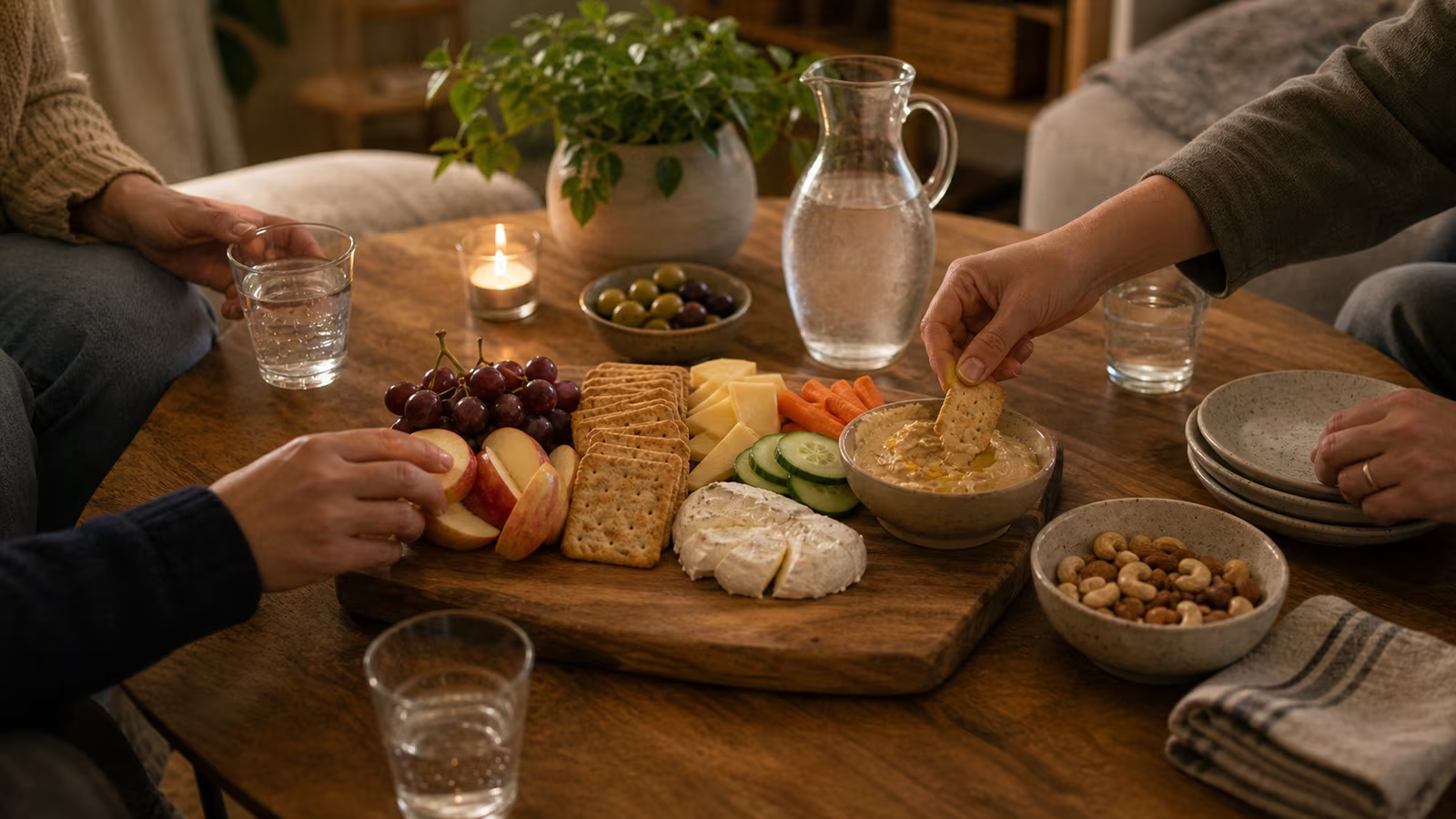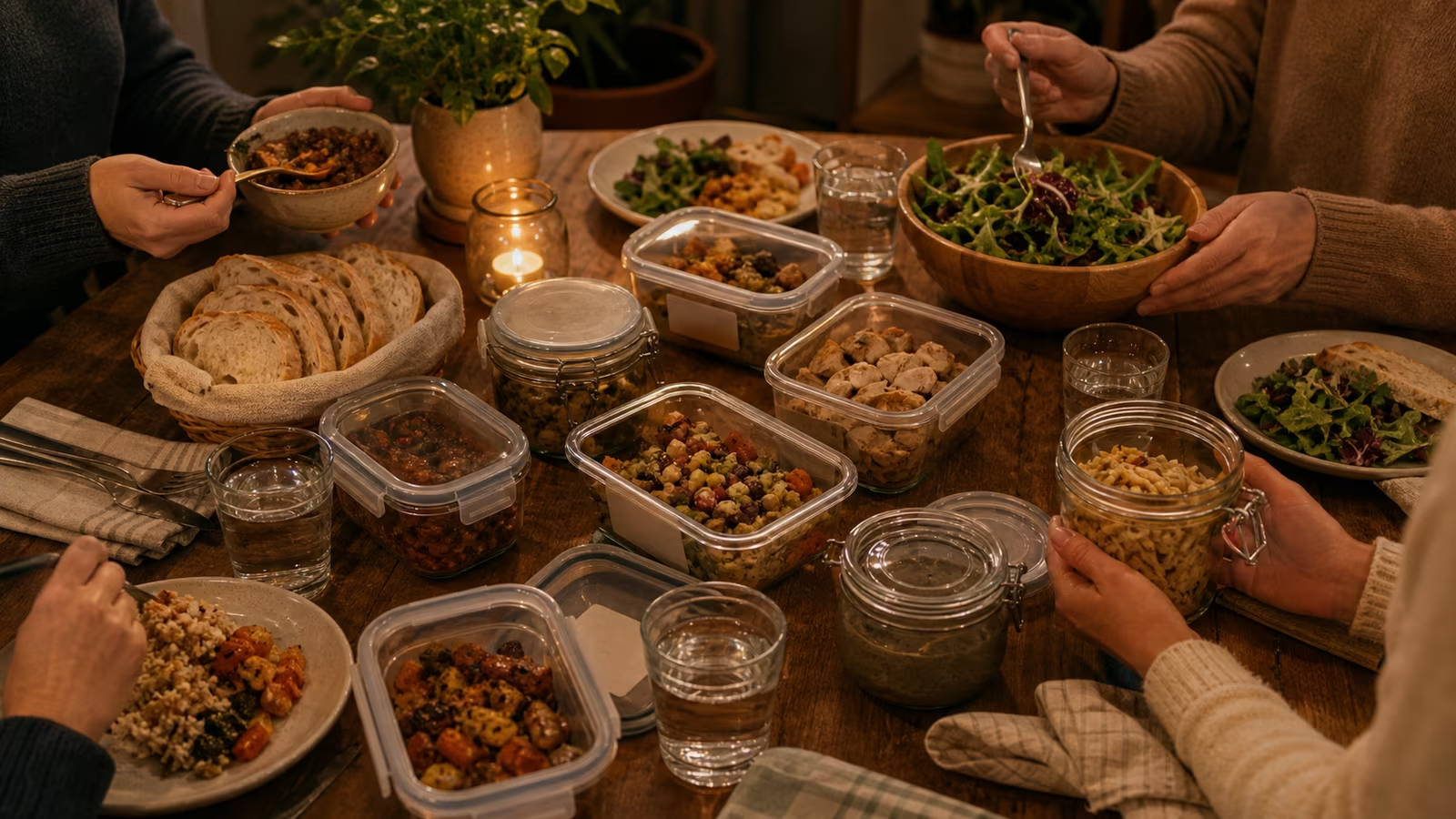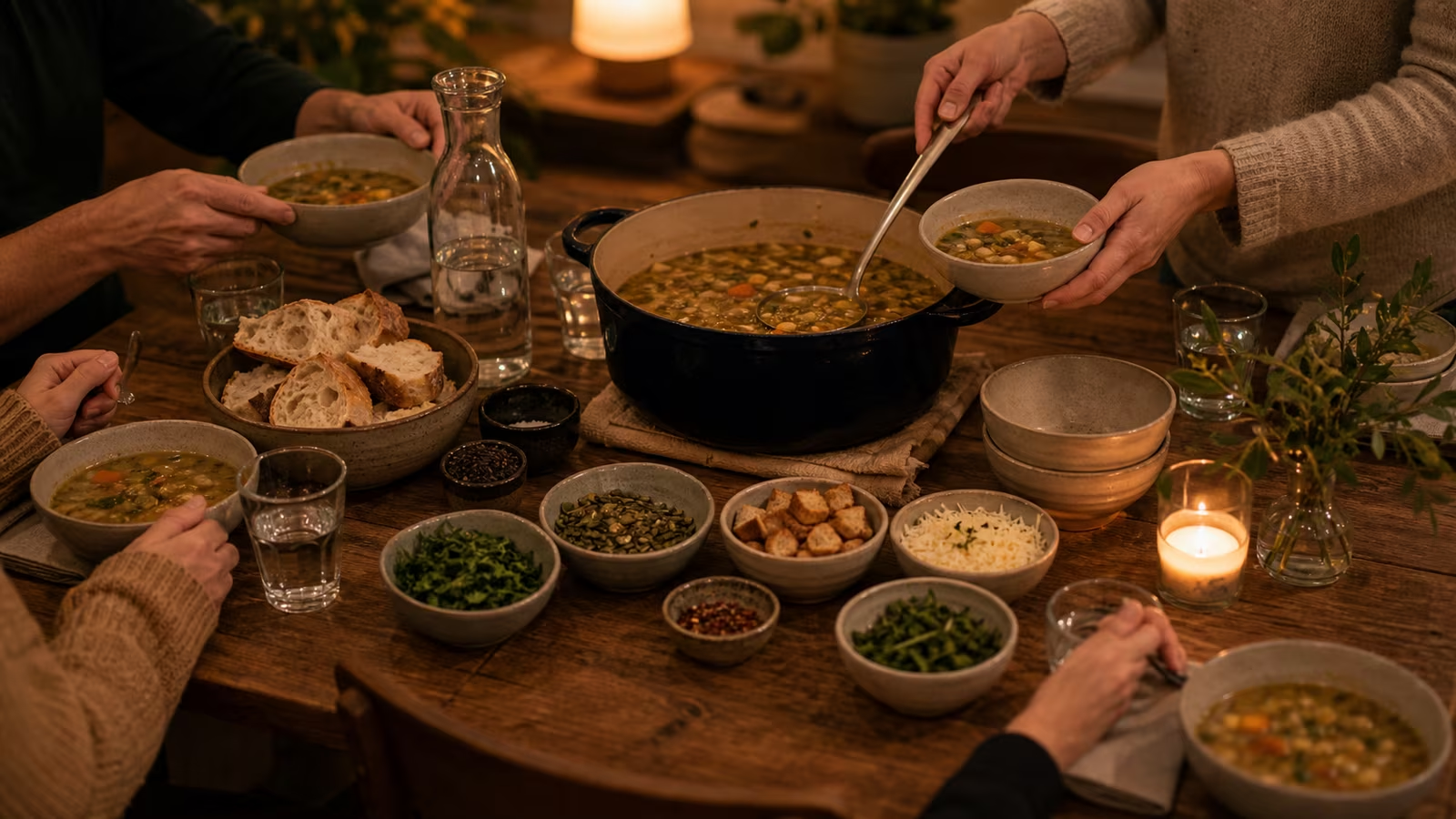
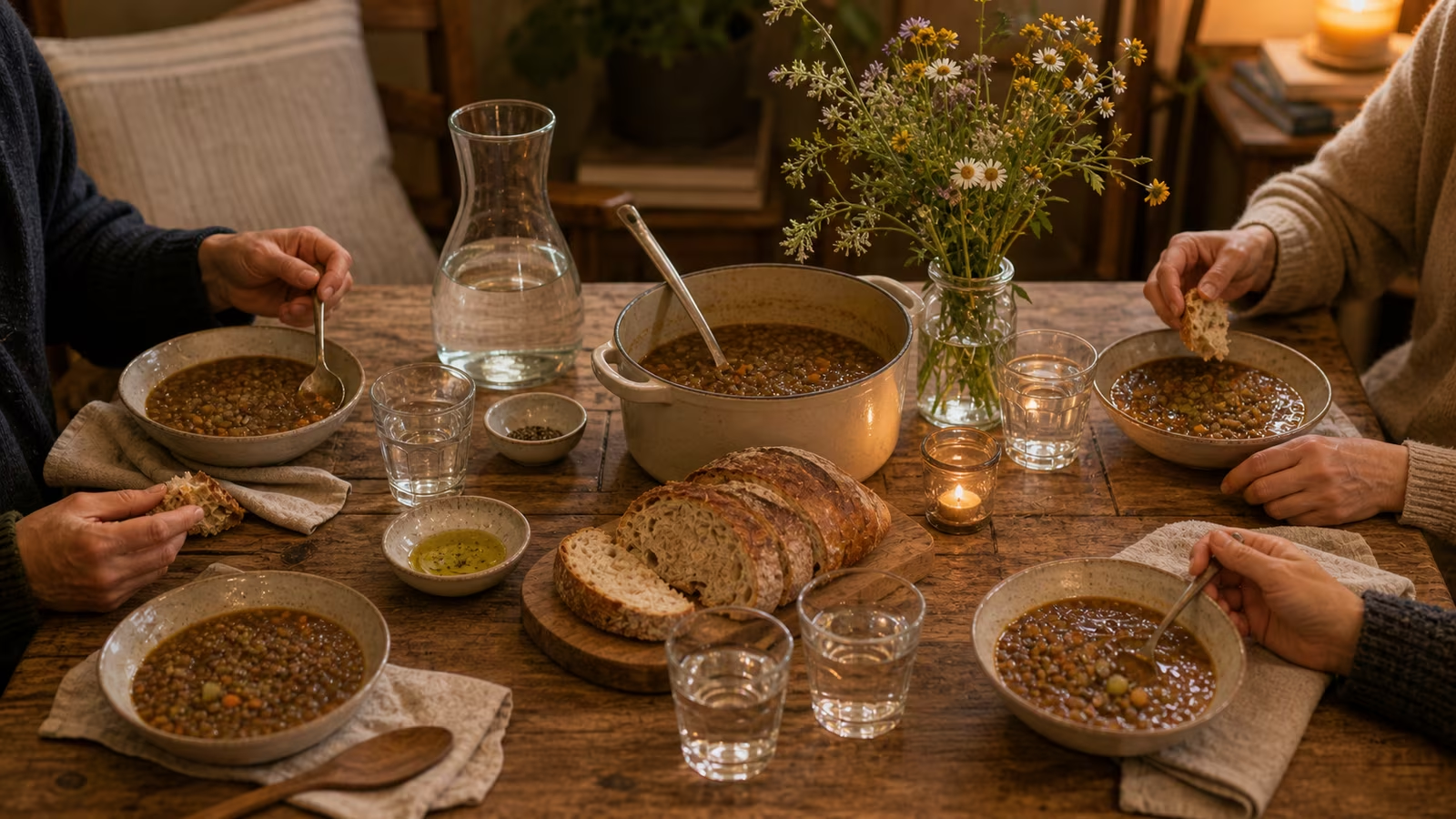
The belief that stops most people from hosting is that hospitality costs money, and that hosting cheaply means hosting shabbily. It does not. What guests actually remember from a good evening is almost never the price of the food. They remember whether they felt welcome, whether the room made sense, whether the host seemed glad they came. A pot of lentil soup and a good loaf, served warmly at a table where someone clearly wanted you there, outperforms an expensive spread served by a host too anxious about the bill to be present. Cheap hosting is not a compromise you apologize for. Done well, it is often the more generous thing, because it is the version you can actually repeat.
If you have not run a recurring table before, the quickstart sets out the core idea this guide leans on: the point is a format people can count on, not a single impressive night that empties your wallet and your energy at once.
Name the modest format proudly
The difference between a cheap table that feels generous and one that feels apologetic is almost entirely in the framing, and the framing starts with the invitation. “Come for soup and bread on Thursday” is a confident, complete offer. It tells people exactly what they are getting and signals that you are happy to give it. Contrast that with “sorry it’s just soup, I know it’s not much” — the same meal, but now you have handed your guests a small job. They must spend the evening reassuring you that soup is plenty, which is tiring for everyone and quietly makes the food feel like a problem rather than a pleasure.
So decide what the table is and announce it without a flinch. Soup and bread. Tea and a walk. A big pot of beans and rice with whatever anyone wants to add. Leftovers reheated with one fresh salad thrown together to brighten them. Each of these is a real, nameable thing you can be glad to offer. The moment you describe your format as if it were the plan all along rather than a shortfall, guests take it at your valuation. People read the host’s ease, not the receipt.
Spend the little you have where it is felt
A small budget is not an argument for spending nothing. It is an argument for spending deliberately, on the few things guests actually feel. A clean, well-set table costs almost nothing and reads as care. Cloth napkins that get washed and reused beat a stack of paper ones and, over time, cost less. A jar of flowers cut from a verge or bought as the cheapest bunch going does more for a room than an extra dish would. Water poured from a carafe into real glasses feels considered; the same tap water in a plastic bottle feels like an afterthought. None of this is expensive, and all of it tells guests they walked into something tended.
The food follows the same logic. One good anchor, made properly, beats several thin dishes stretched to look like abundance. Dried beans and lentils, a sack of rice, seasonal vegetables, a loaf of decent bread, eggs, a few spices used with conviction: this is the backbone of some of the best eating there is, and it is cheap precisely because it is honest. Cook the one thing well, season it like you mean it, and serve enough of it. A generous portion of a humble dish is far more welcoming than a stingy portion of a fancy one.
Let the potluck be a real invitation, not a rescue
Sharing the load is one of the oldest and best answers to a thin budget, and there is no shame in it as long as you do it cleanly. The trap is the vague “bring something if you want,” which quietly turns your money problem into a coordination problem and leaves you with four desserts and no bread. If you are going to spread the cost, ask specifically and warmly: you have the soup handled, could someone bring bread, could someone else bring something green. Specific asks are easier to say yes to, and they let guests contribute in a way that feels like belonging rather than like bailing out a host who could not manage.
Framed well, a shared table is not a lesser table. It is a more communal one. People who bring something have a small stake in the evening the moment they walk in, and that is worth more to the feel of the room than anything you could have bought to spare them the trouble. Phrasing these asks so nobody feels obligated is a craft in itself, and invitations without pressure goes into exactly how to make a request that is easy to accept and just as easy to decline.
Drinks are where budget hosting quietly shines
Nothing inflates the cost of hosting faster than a drinks table people feel they are supposed to stock, and nothing frees a budget host faster than letting that expectation go. A carafe of cold water with a bit of citrus, a pot of tea, a jug of something simple and homemade: these cost almost nothing and, poured with a little care, feel like genuine hospitality rather than a corner cut. Making the nonalcoholic option good and obvious is not just thrift, it is welcome. It means the guest who does not drink, for whatever private reason they owe no one, arrives to find a real choice already waiting rather than an awkward negotiation.
If alcohol appears at all, let it sit at the edge of the evening and off your shopping list. Someone can bring a bottle if they like, but the table should never depend on it, and no guest should ever feel that the interesting drink is the alcoholic one or that abstaining marks them out. A table that works completely well when nobody drinks is both cheaper to host and kinder to more people, which is a rare case of the frugal choice and the generous choice being the same choice.
Keep the whole thing repeatable
The real payoff of hosting cheaply is that you can do it again next week, and the week after, without dread. An expensive evening buys a single memory; a sustainable one builds a habit, and habits are what actually knit a small group together. So guard the qualities that let it repeat. Keep the cooking within an ordinary weeknight’s reach. Keep the cleanup light enough that you are not still resenting the evening the next morning; the cleanup ritual shows how to let people help without turning your guests into staff. Keep the format simple enough that a tired version of you could still pull it off.
Then just start, and let the first few tables teach you the rest. The opening minutes of any low-key gathering carry a little awkwardness regardless of budget, and designing through the first ten minutes will do more for the warmth of the room than another dish ever could. Write yourself an invitation that names the simple format proudly — soup and bread, tea and a walk, leftovers and one fresh salad — and send it without a single apology. When you host from ease rather than embarrassment, guests stop noticing the modest budget entirely and remember only that they were glad to be there.