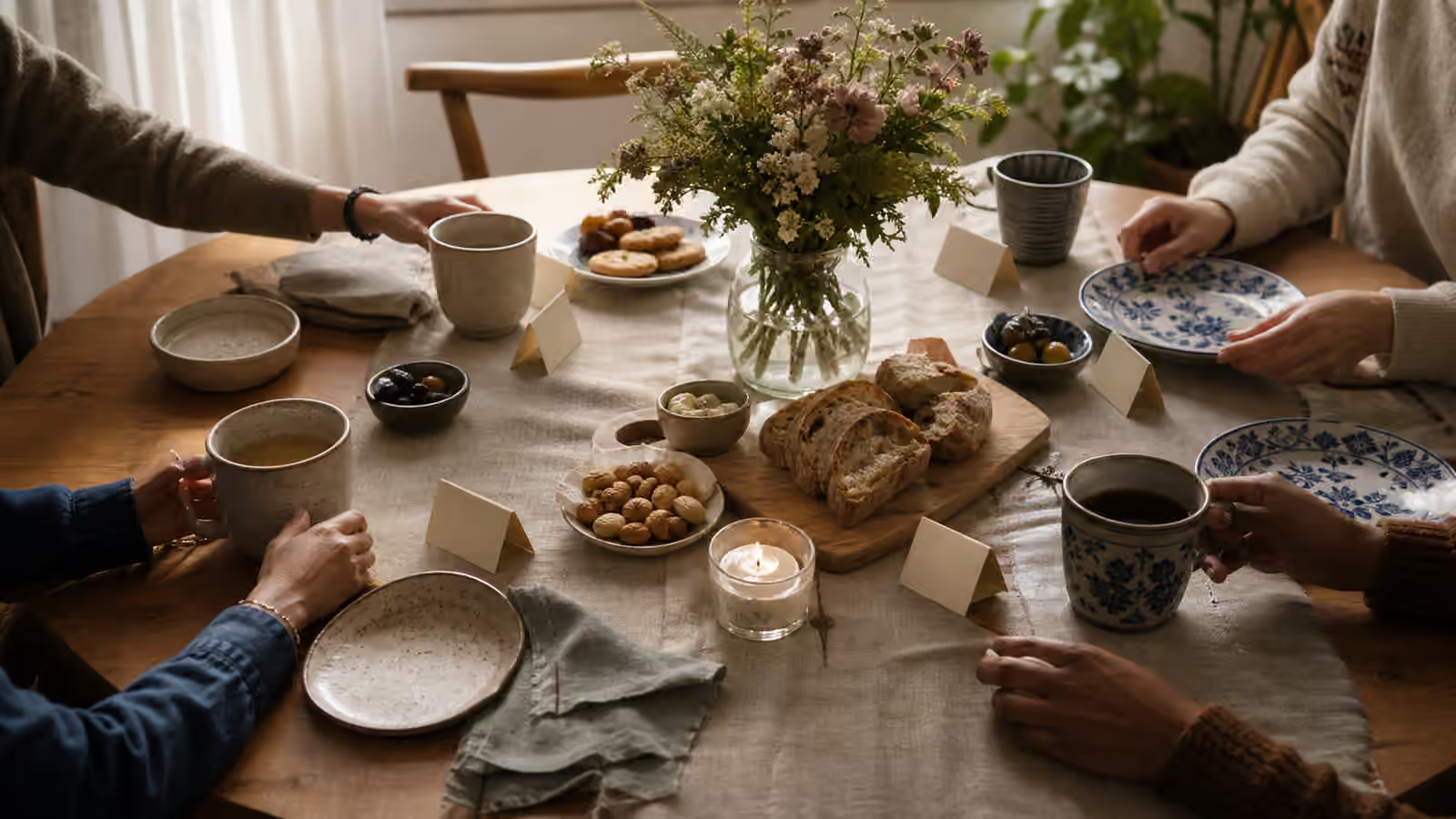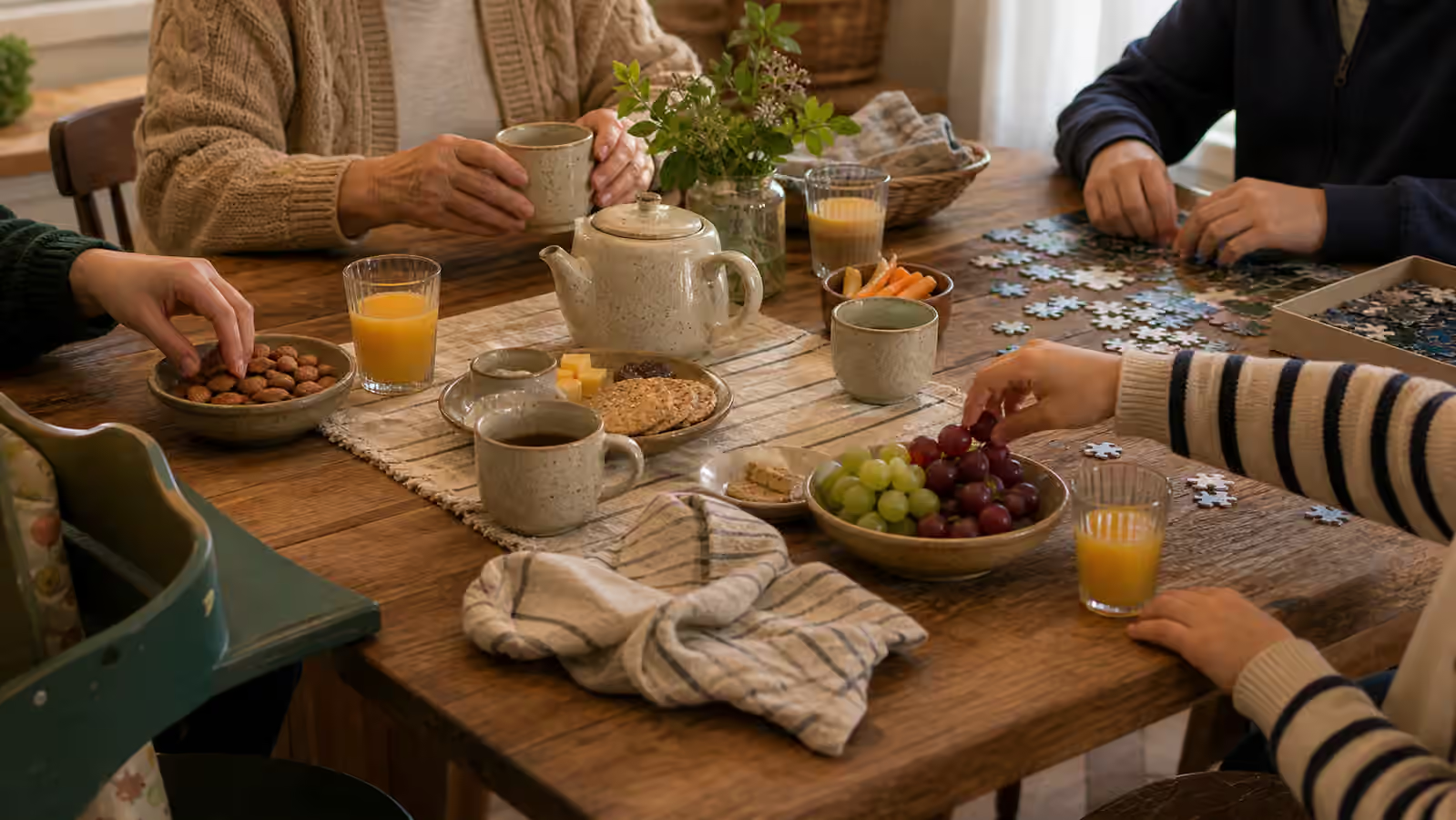
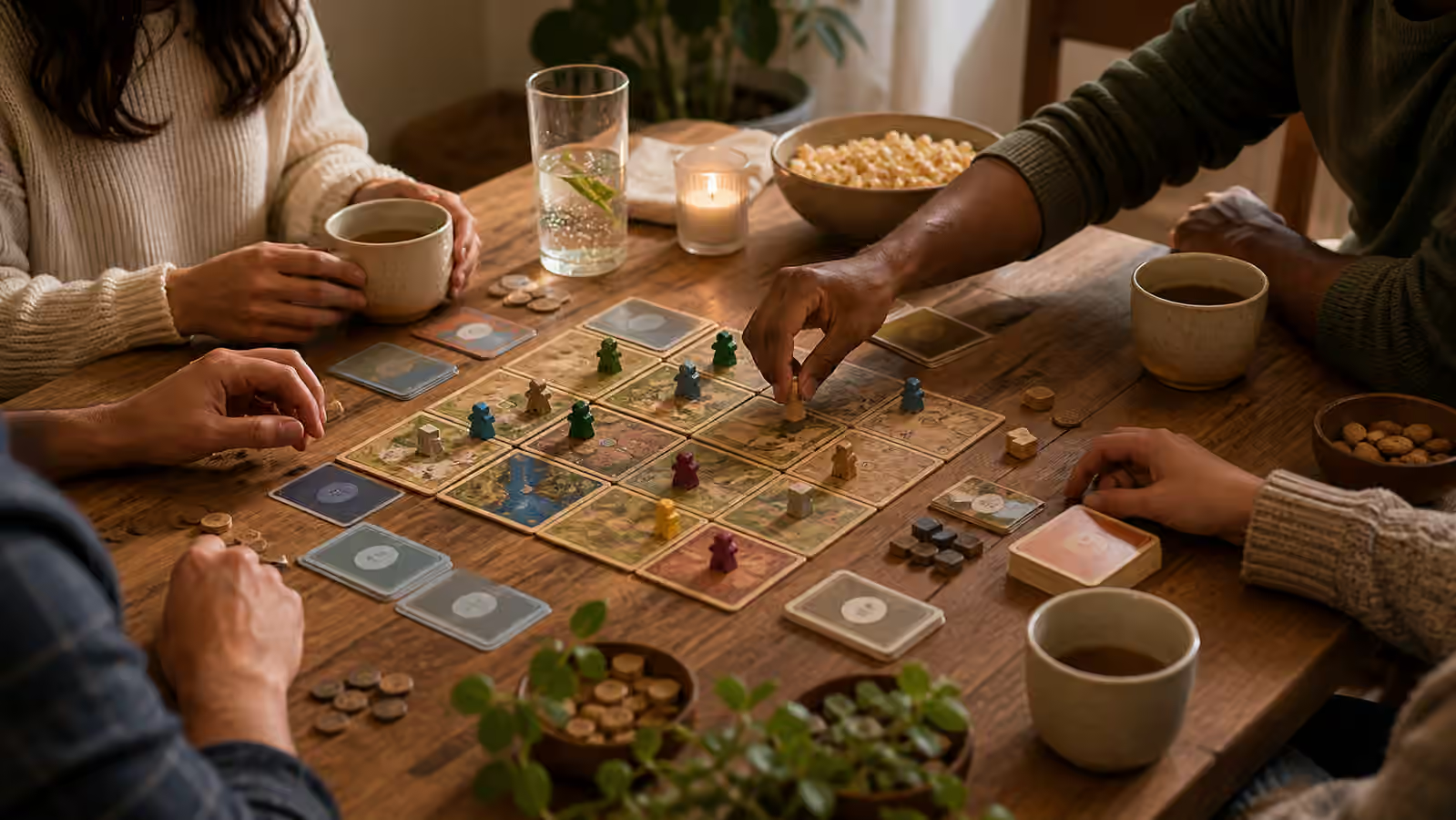
The quiet genius of a game night is that it gives people something to look at other than each other. A shared board absorbs the pressure that makes plain conversation exhausting for so many people: it gives hands a job, makes a silence feel like concentration rather than failure, and lets a quieter guest belong without having to produce a steady stream of talk. That same board, though, can turn on the room in an instant. When the game becomes the true host, the guest who does not know the rules spends the whole evening apologizing, waiting for their turn to be explained again, or performing enjoyment while being lectured. The difference between those two nights is almost entirely a matter of what the host chooses and how the host frames it.
The aim here is not to argue that games are wholesome. It is to use play deliberately, as social infrastructure. In the same spirit as Question Cards That Do Not Turn Guests Into Interviews , a good game night supports conversation without demanding that anyone confess anything, and in the same spirit as Quiet Guest Participation , it offers visible belonging without requiring everyone to talk at the same volume or speed.
Pick the room first, then the game
Before you reach for a favorite title, ask what kind of room you are actually trying to hold tonight. If the group is new to each other, tired, mixed in confidence, or likely to include someone who quietly dreads being bad at things in front of strangers, choose a game that can be learned by watching a single round. The play should begin before the snack bowl is empty. A rules-heavy game can be a joy with the right steady group, but as the opening ritual for a low-pressure table it is usually a mistake, because it front-loads the exact intimidation you are trying to dissolve.
A good first game for this purpose shares a family of traits. Its pieces are visible and physical, its turns are short, its mistakes are forgiving, and it leaves enough attention free that people can still talk while they play. It does not punish someone for asking how something works. It does not knock a player out early and leave them adrift with their phone while everyone else keeps going. And it does not lean on private trivia, fast reading, obscure references, or the art of bluffing your friends unless every single person at the table has clearly signed up for that mood. None of this bans competition outright. A little scorekeeping is genuinely fun when a group is comfortable together. The hazard is letting winning become the only legible way to take part, because then the confident player narrating every optimal move turns the table into a classroom, and the guest who keeps losing and apologizing turns it into a test. The host’s job is to keep the game in service of the people, not the other way around.
Teach the first turn, not the rulebook
The teach should be short and physical. Put the pieces where everyone can see them, explain the first turn rather than the entire rulebook, and let the opening round be a soft practice round if the game allows it. Say out loud that mistakes are expected and that the group will fix them gently as they go. Every one of these moves lowers the social cost of not already knowing, which is the whole game before the game.
Hosts tend to over-explain out of kindness, wanting guests to feel fully prepared, but a wall of instruction usually backfires. People start anxiously tracking every exception and edge case and lose the thread of the table before a single token moves. It is nearly always better to name the goal, demonstrate the first action, and let the room discover the rest together in motion. A related caution: if one guest genuinely knows the game inside out, hand them a role with clear limits. They can field rules questions and keep the first round moving, but they should not be reaching across the table to play everyone else’s hand for them. When One Guest Takes Over the Table is about conversation, but it applies just as squarely to rules expertise. The expert usually means well; the host can still gently insist that each person gets to make the clumsy, first-draft version of their own move, because that clumsiness is where the fun and the belonging actually live.
Leave room for talk and for quiet
A good game-night table breathes. It moves between concentration and conversation, and it should not try to fill every second with either. During a turn, attention gathers on the shared object; between turns, people ask about each other’s week, top up a cup, laugh at a bizarre play, or simply sit for a moment. The game supplies a common weather system that everyone is living inside, which is exactly what makes the silences comfortable and the talk unforced.
For a certain kind of guest, this rhythm is the whole mercy of the format. They are released from sustaining eye contact for two hours and from inventing interesting stories on demand. They can be fully present by shuffling, sorting, sliding a token, reading a card aloud, keeping the score, passing the snacks, or watching one round before they join. Belonging becomes something you can do with your hands rather than something you have to perform with your personality. The host’s part is to notice when the balance tips and the game starts crowding out the people. If everyone has been hunched in silent calculation too long, call a water break. If the conversation keeps blooming and nobody actually wants the next round, let the game rest. And if a guest has visibly checked out, offer them a different way in without turning a spotlight on them: “Could you run the tea this round?” lands far more kindly than “Are you bored?”
Keep phones, food, and drinks easy
The spirit of The No-Phone Dinner Window carries over to game night, but it should never harden into a purity test. Games already ask for attention, so a small tray for phones, or a light word that rules questions and turn reminders go smoother when devices stay off the board, is usually enough. Leave honest room for the real exceptions: childcare, a work call someone is waiting on, a transit alert, an accessibility tool. Food should cooperate with hands and pacing rather than compete with it, which means favoring snacks that are not so greasy or crumb-heavy that people must choose between eating and playing, and giving every cup a stable place to sit. Keep water and good nonalcoholic drinks ordinary and within reach, never framed as a special accommodation set slightly apart. If alcohol is around, keep it at the edge of the evening; a game night that quietly relies on drinking to loosen everyone up is not really using the play to do its social work. Treat the snack break as part of the design rather than an interruption, because it is the natural place for a guest who is behind, confused, or simply socially full to reset without having to ask for rescue, and it gives the host a graceful moment to swap games, wind down a long round, or slide from play into plain conversation.
Stop before it becomes a test of stamina
Long games manufacture a peculiar pressure: nobody wants to be the first to quit, especially when one player is still visibly having a great time or another is finally clawing their way back into contention. Head this off by naming the ending before fatigue makes the call for you. Something as simple as “let’s play one short round, then decide between another one and just tea and talk” hands the whole room permission to stop while everyone is still glad they came. For a recurring game night, coming back matters far more than finishing, and it is almost always better to abandon a game with goodwill intact than to grind it to its official conclusion in brittle silence. Closing Before It Drifts is especially worth heeding here, because games are unusually good at hiding drift inside the machinery of turns: the table can look busy and engaged for a long while after the actual warmth has already left the room.
To try it, host one short evening where the very first game can be taught in about five minutes and the night still works even if nobody ends up caring who won. Afterward, judge the format by the room rather than the scoreboard. Did new guests find an easy way in? Did the quiet ones have a visible role that did not depend on talking? Did the resident expert stay human? Did people leave before play curdled into labor? If the answers lean yes, the game did its real job, which was to hold the table together rather than to replace the people at it. The rest of the Common Table guidebook shelf is there when you want a neighboring format for a different night.