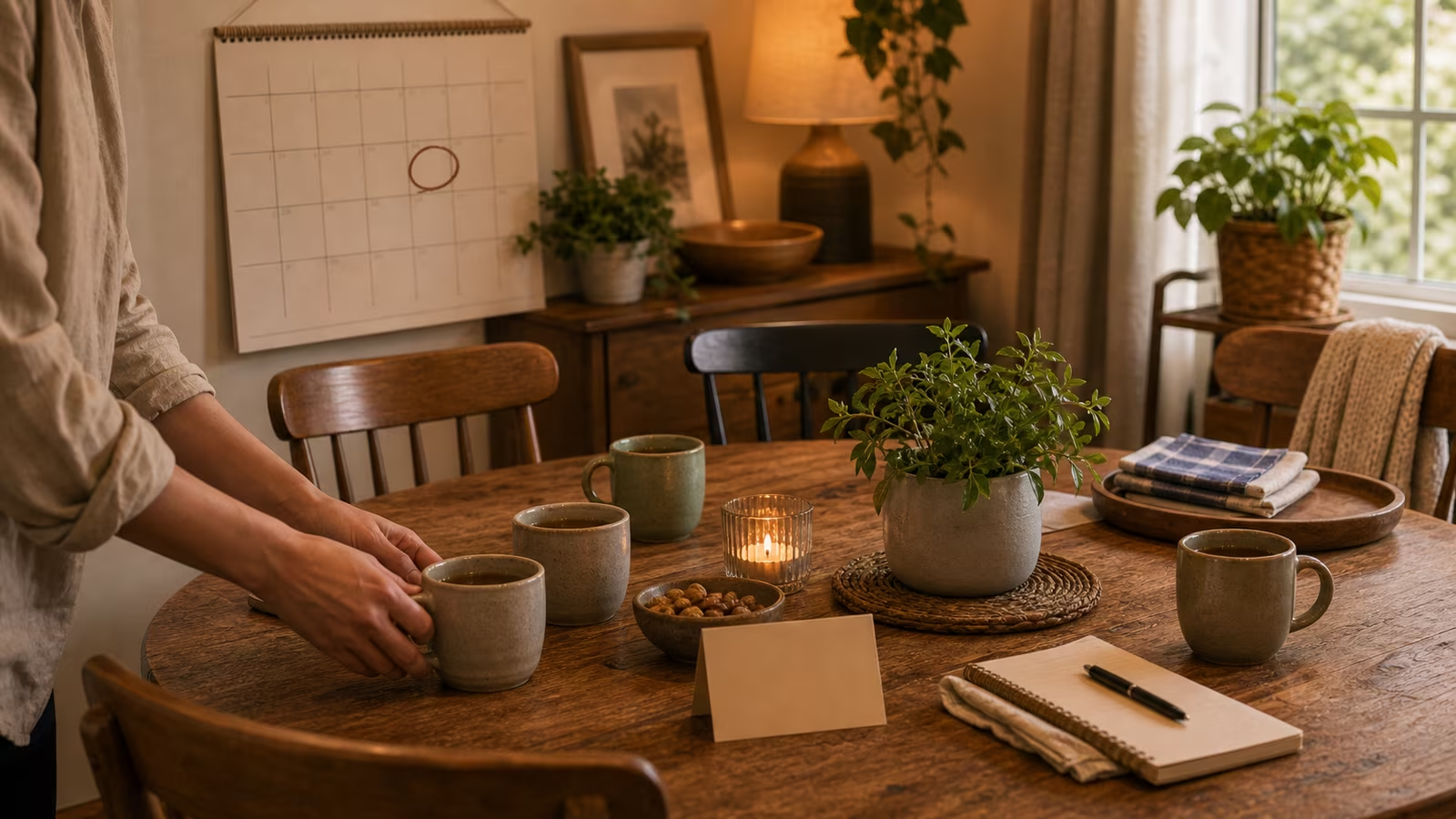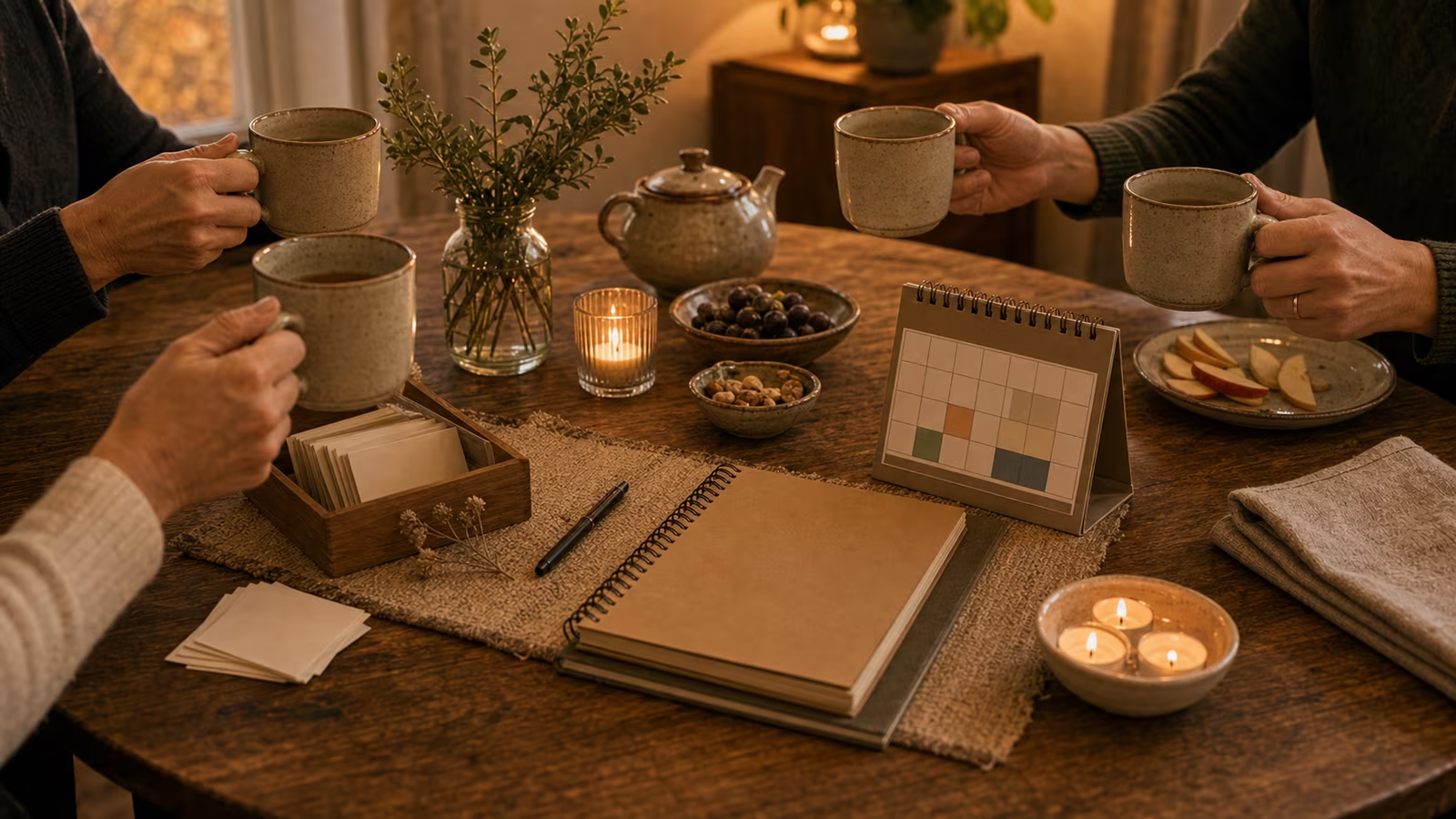

The word “gatekeeping” has curdled, and for good reason: it usually describes someone deciding, from vanity or fear, who is good enough to be let in. So it feels strange to admit that the first version of a gathering does need to be chosen with care. The difference is what you are selecting for. Gatekeeping selects for status, for how impressive the room will look, for who reflects well on the host. Building a kind first table selects for something quieter and more useful: who will help the room feel safe enough that a second, wider version can exist at all. If this is your very first recurring table, The Common Table Quickstart is the place to begin. This guide sits one step to the side, on the small founding table where two friends, one neighbor, or one coworker will end up setting the tone for months without meaning to.
The core move is to protect that first version by inviting people who can help the room feel kind rather than people who make it impressive. This sounds modest because it is meant to be. A plain ritual that people can repeat on an ordinary Tuesday builds more actual community than a dazzling event that happens once, exhausts the host, and never recurs. The founding guests are not an audience for your hospitality. They are, whether they know it or not, co-authors of the culture every later guest will step into.
Fit is about the room, not the résumé
When people imagine curating a guest list, they tend to reach for interestingness: the funniest colleague, the most well-traveled friend, the person whose stories fill silences. Those qualities are pleasant, but they are not what a fragile new table needs. What it needs first is a certain kind of steadiness. Look for the guests who already treat other people’s boundaries as real, who can sit with a quiet moment without rushing to fill it, who arrive close to when they said they would and leave without needing to be pried out the door.
None of that is glamorous, and that is the point. A person who respects a “no” at a coffee shop will respect one at your table. A person who does not compete for airtime will make room for the shy guest you invite next month. You are not ranking your friends by worth; you are noticing who makes rooms calmer and who makes them tense, and choosing, for the fragile first few gatherings, more of the former. Everyone has a place in a mature ritual. Not everyone belongs in the founding cohort, and that is a scheduling judgment, not a moral one.
Name the format so fit can be honest
Half of what looks like a fit problem is really a clarity problem. A guest who seems restless or performative is often just a guest who does not know what the evening is for and is improvising a role to feel safe. Before you worry about temperament, make the promise of the gathering legible. Is this soup and two hours of low conversation, tea and a single question, or a repair evening where people mend one small thing side by side? When the format is stated plainly, most people relax into it, and the few who genuinely cannot enjoy that shape reveal themselves kindly, without anyone being judged.
This honesty is also what lets you widen the circle later without drama. If the table has always been described accurately, a new guest arrives already knowing what they are joining. Choosing the Repeatable Format Before the Menu goes deeper on this, but the short version is that a clear format does much of the guest-fit work for you, because it filters gently and in advance instead of forcing the host to manage mismatches in the moment. Pair it with the clarity in Invitations Without Pressure and most of the awkward cases never make it to your door.
Kindness is not the same as unlimited openness
Here is the trap that swallows good-hearted hosts: they hear “be welcoming” and conclude that any hesitation about any guest is unkind, so they open the first table to everyone at once and ask a brand-new, untested ritual to hold every social need in the room. A person in acute crisis, a long-simmering conflict between two invitees, a guest who dominates every gathering they attend, all folded into a first evening that has no established norms to lean on. The host means to be generous. The result is a room that cannot metabolize what it has been handed, and often the tender guests, the ones the openness was supposed to serve, are the first to quietly stop coming.
Real kindness at this stage is proportionate. It says: this table will grow, and there will be room for you, and right now it is too new to carry that particular weight well. Widening the circle is a thing you do on purpose, after the ritual has proven it can hold its current size, not a thing you do all at once to prove you are not a gatekeeper. A gathering that drifts because it took on too much too fast helps no one; Closing Before It Drifts is the companion habit for noticing when a room has stretched past what it can hold.
Alcohol at the edge, belonging at the center
Guest fit and drink culture are quietly linked, because the easiest way to make a founding table unwelcoming is to build its social gravity around alcohol. When the most interesting thing on the table is the bottle and the warmest moments cluster around refills, you have accidentally set a fit test that has nothing to do with kindness or steadiness. The guest who does not drink, for reasons that are entirely their own and owed to no one, now has to choose between explaining themselves and hovering at the margin of the evening.
Design the table so it makes complete sense with no alcohol in the room at all. Let the non-alcoholic option be something you actually thought about, not a lonely bottle of water beside the good stuff. Keep refills quiet and unremarked, so that no one’s choice becomes a small public event. If alcohol is present, let it sit at the edge of the format rather than at its center, so that belonging is never something a person has to hold a particular glass to access. This is not austerity; it is simply making sure the first table’s warmth comes from the company and the structure, which are the things you can actually repeat.
Test it small, then trust the evidence
Once you have a private, honest sense of who your founding guests are, chosen for steadiness and care rather than shine, resist the urge to prove the concept at scale. Host the small version, and afterward keep the observation equally small: what part of the evening repeated easily, what felt too heavy, what made the quieter guests visibly relax, what should stay. A single lovely moment is not proof the format works, and a single awkward one is not a verdict against it. Run the same size a second time before changing anything, because the second gathering teaches what the first cannot: whether the invitation still lands, whether the close feels natural, whether the room can hold a slightly different mood without you steering every minute of it. When it can, you widen the circle with confidence, and the newcomers inherit a table that already knows how to be kind. For the wider shelf, the Common Table guidebooks collect the rest of the founding-table habits in one place.