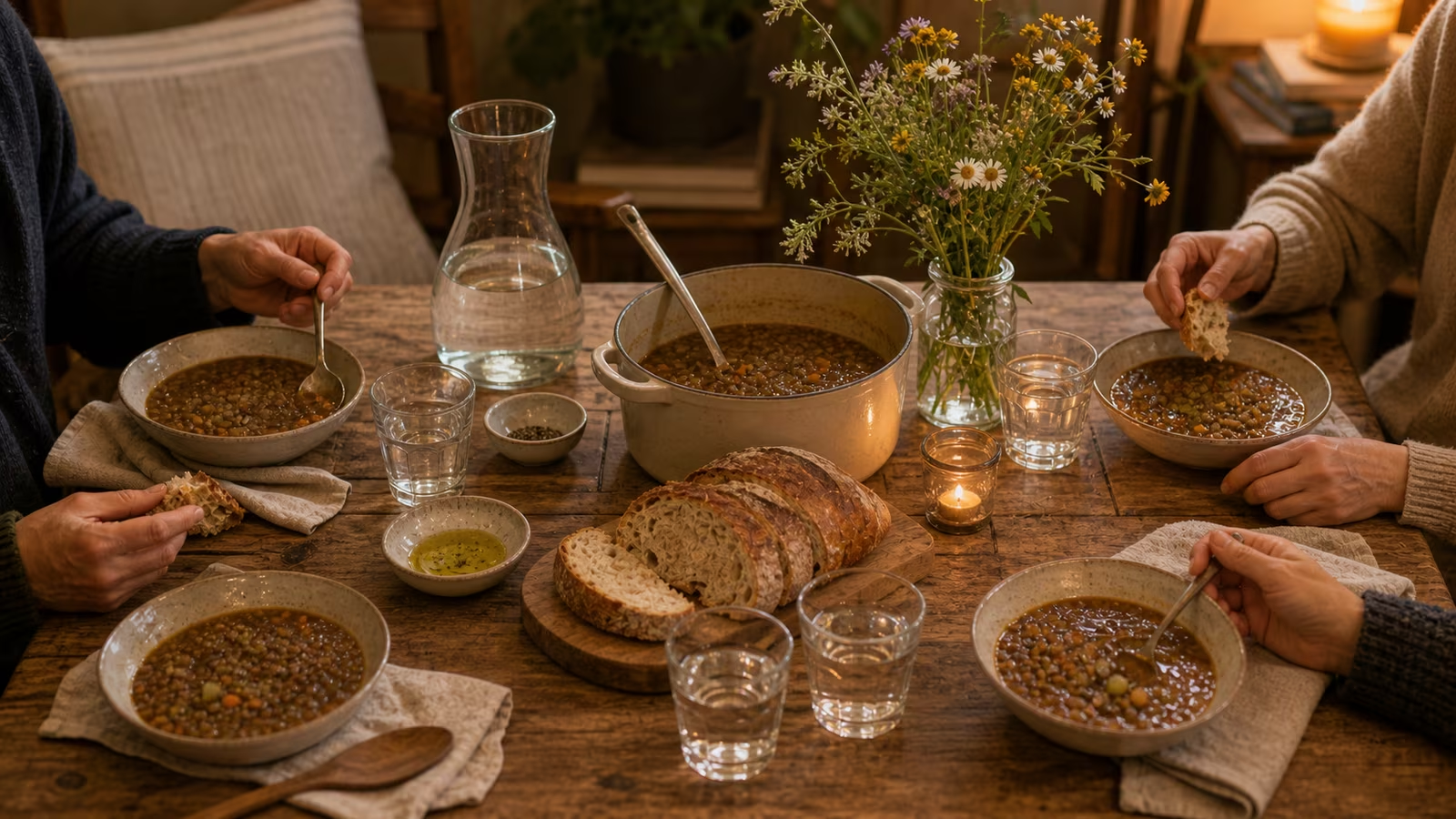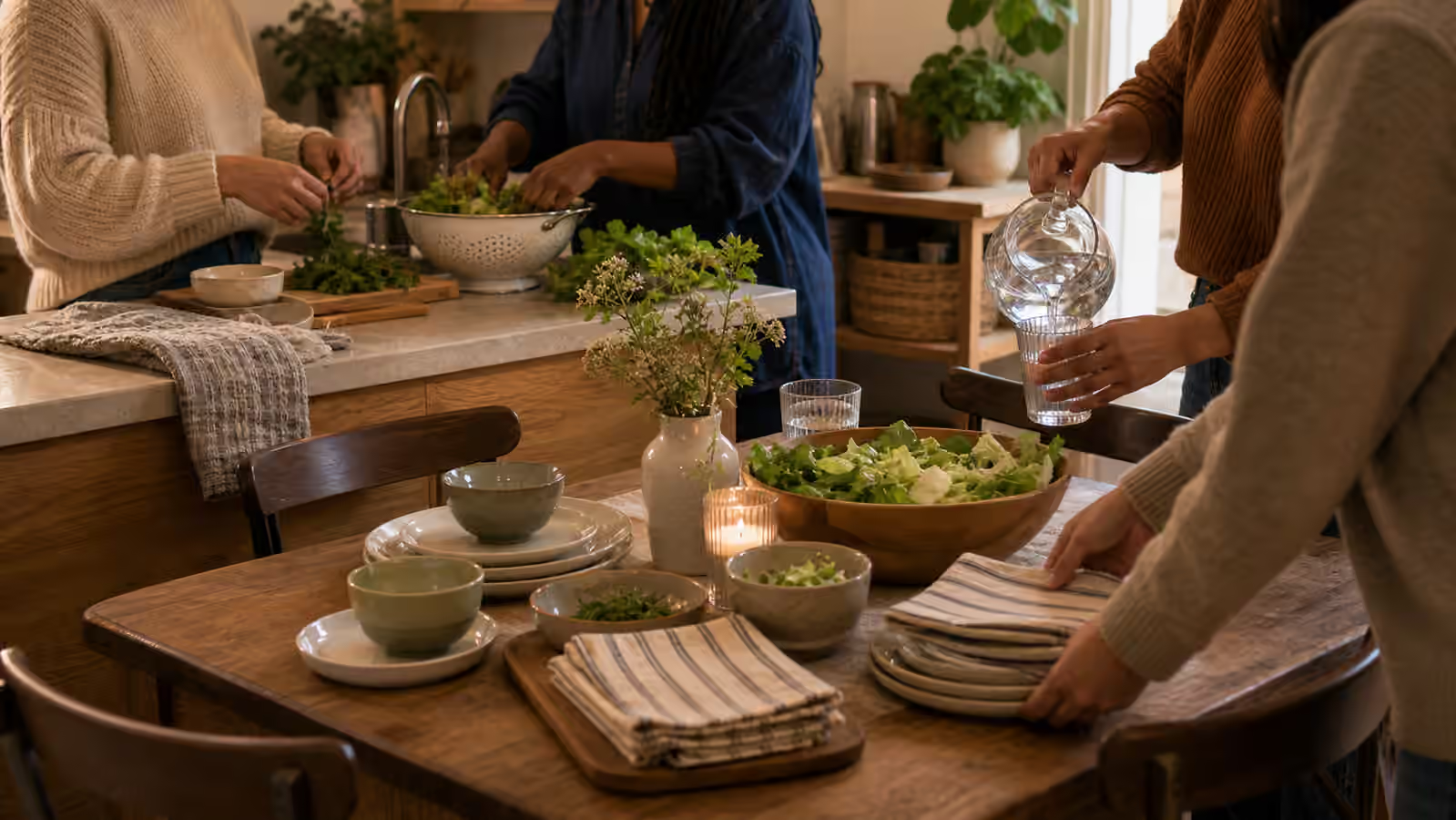
Snacks are supposed to be the easy part of hosting, and yet they are where a lot of small gatherings quietly go wrong. Somewhere between the grocery store and the front door, a bowl of pretzels turns into a cheese board, the cheese board turns into a warm appetizer, and the host who meant to sit and talk is instead standing at the counter arranging things while the room waits. If you have started a tea circle, a porch hour, a repair share, or a short conversation night, the food question is not really about food. It is about how much of your attention the snacks are allowed to eat before your guests arrive, and how much they eat once everyone is in the room.
Snacks are support, not the show
The healthiest way to think about snacks at a small gathering is as scaffolding for conversation rather than the event itself. People need something to do with their hands, a reason to look away and back again, and a small excuse to stand up and cross the room. A cracker gives shy guests a graceful place to rest their eyes when the talking gets intense. A shared bowl gives two people who have not met a first, low-stakes exchange: is this the good one, have you tried it, pass me that. None of that requires abundance. It requires reachability. A single well-placed plate in the middle of the table will do more social work than an elaborate spread that guests are afraid to disturb because it looks composed.
Dinner theater is the opposite instinct. It treats the food as a demonstration of the host’s care, taste, and effort, and it asks guests to admire before they eat. The trouble is that admiration is not connection. When the snacks announce how hard you worked, they also quietly announce that the evening has a standard, and that raises everyone’s guard exactly when you wanted it lowered.
The three-part tray
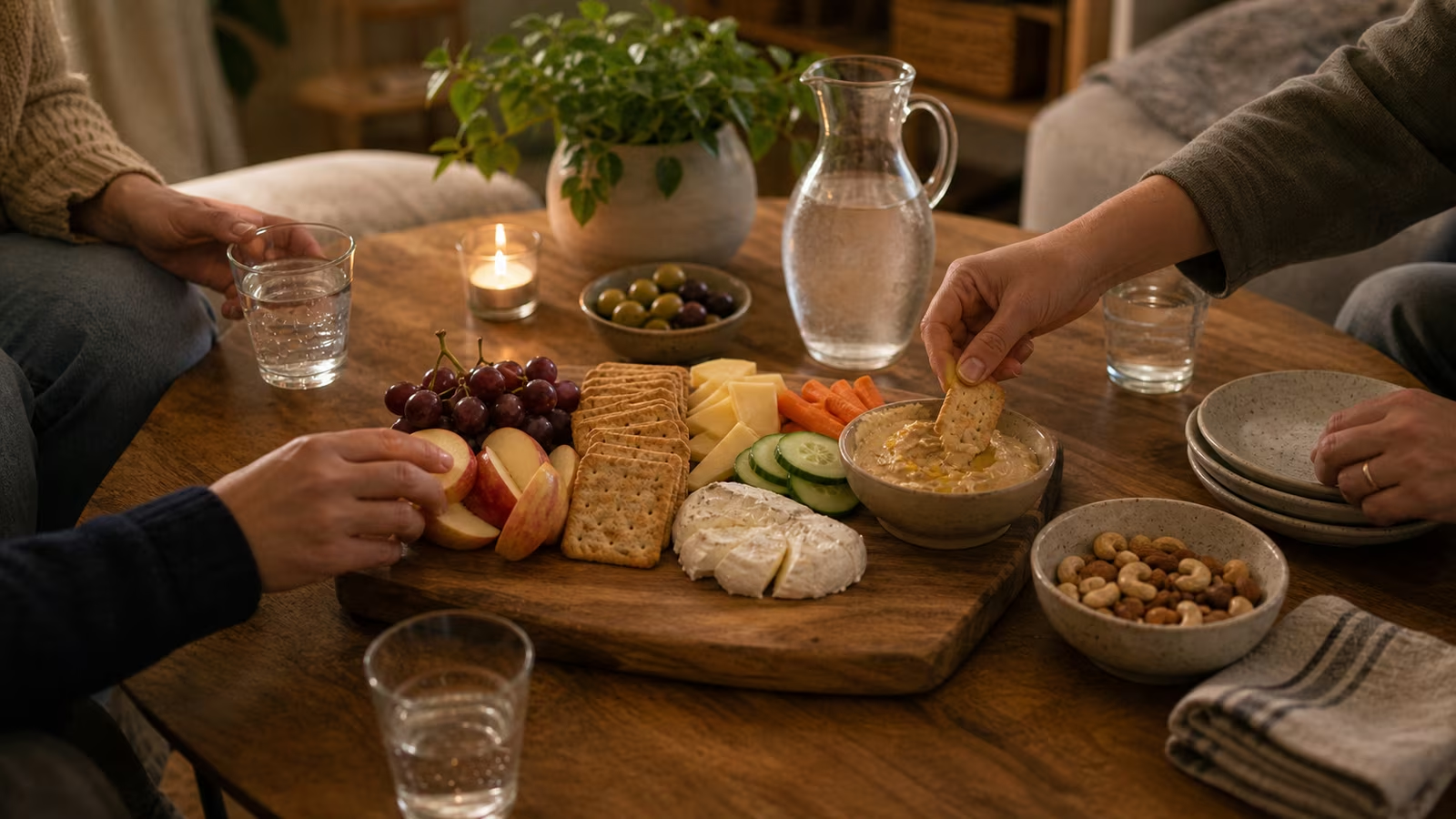
Here is a format you can repeat without thinking: one crunchy thing, one fresh thing, one filling thing, water within reach, and a visible place to put wrappers or dirty plates. That last part matters more than it sounds. When there is nowhere obvious to set a used napkin, guests hold onto their trash all evening or, worse, ask you where it goes and pull you out of the conversation.
The crunchy thing is your workhorse: crackers, pretzels, roasted chickpeas, tortilla chips, whatever is cheap and keeps. The fresh thing is a cut apple, a bowl of grapes, sliced cucumber, cherry tomatoes, something with water in it that resets the palate and does not sit heavy. The filling thing is the anchor for anyone who skipped a meal on the way over: hummus and pita, cheese and bread, a bean dip, hard-boiled eggs. You are not building a menu. You are covering three textures so that no single guest is stuck with nothing they can eat, and then you are stopping. The discipline is in the stopping. If you are tempted to add a fourth and a fifth item, ask whether you are feeding the room or reassuring yourself. Keep the nonalcoholic drinks just as simple, and the whole table stays legible.
Say what is in it, plainly
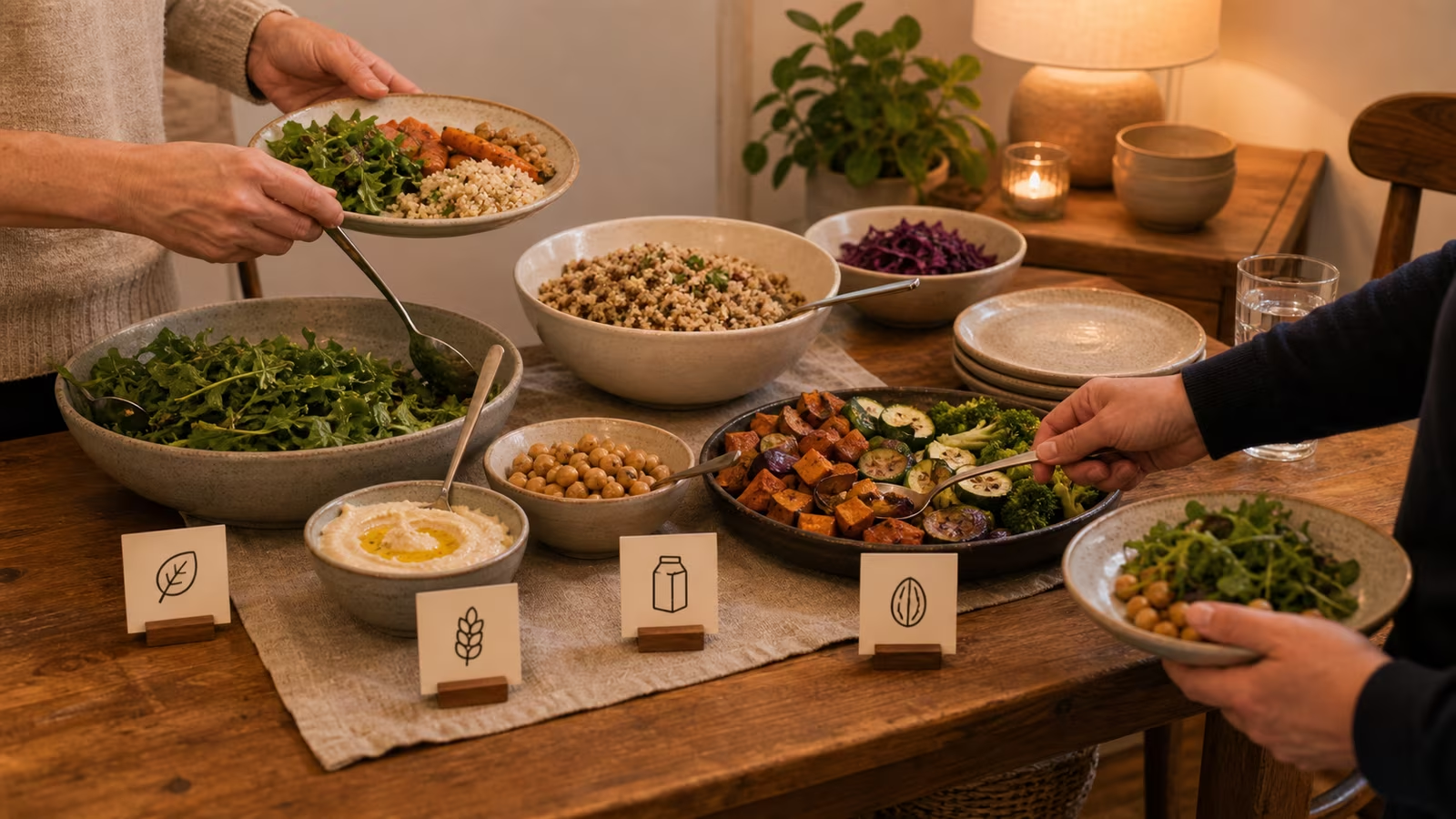
Dietary cues are where low effort and real care meet. You do not need printed cards or a laminated allergen chart. You need to keep the nuts in a separate bowl instead of scattered through the mix, keep one obviously vegan option on the table, and be able to answer honestly when someone asks what is in the dip. If you made it, you know. If you bought it, keep the container or glance at the label before you decant it. The goal is that a guest with a dairy issue, a nut allergy, or a religious restriction can figure out what is safe by looking, without having to announce their body to the room or pull you aside for an interview.
This is quiet inclusion, and it is the same instinct that makes a table alcohol-optional. Nobody should have to explain why they are not eating the cheese, just as nobody should have to explain why they are drinking water. You make the safe path visible and you let people take it without narration. When a guest sees that you thought about this without being asked, they relax in a way that no amount of impressive cooking would produce.
The over-serving reflex
The most common failure here is over-serving because hospitality feels like proof. You put out the three-part tray, it looks a little sparse to your anxious eye, and you add a warm dish, then a second, then you find yourself apologizing that there is not more. Now there are leftovers you have to manage, dishes stacking up, and a host who is tired before the good conversation even starts. Waste and cleanup are the tax on that anxiety, and food-pressure is the other cost: a groaning table subtly tells guests they should eat, and eat again, which is its own kind of coercion for anyone watching what they consume.
The correction is to trust the sparse-looking tray. A small gathering does not need to look catered. It needs to look like a real evening at a real home where people talk. If the crunchy bowl empties, refill it from the box; you do not need to have laid out everything at once. Restraint at the start gives you room to be generous later, and it keeps you at the table instead of the counter.
Make it repeatable, then let it disappear
The point of a reliable snack format is that it stops being a decision. Once you know your three-part tray, buying for it takes one short list, setting it out takes five minutes, and cleaning up takes one trash bag and a quick wipe. That reliability is what lets the ritual survive an ordinary week when you are tired, when a guest cancels, when you did not have time to shop for anything special. A gathering that depends on an impressive spread will skip itself the first busy month. A gathering built on a bowl of pretzels and a plate of fruit will keep happening, and the happening is the whole point.
When the snacks are calm and dependable, they fade into the background where they belong, and the conversation moves to the front. That is success. Nobody remembers the pretzels. They remember that they were fed enough to stay, that they could find something safe to eat, and that the host was in the room with them the whole time.
For the wider system these snacks live inside, start with The Common Table Quickstart and pair this with Leftovers Night for a gentle way to use whatever the tray leaves behind, or Invitations Without Pressure so the ask matches the low-key food.