The doorway is the hardest minute of any gathering. A guest steps in from the street still wearing their outside face, holding a coat and a bag and a small private worry about whether they are early, late, overdressed, or about to be swept into a conversation they are not ready for. They scan the room to answer one urgent question: how much am I going to have to perform right now? If the answer looks like “a lot,” the evening starts with a flinch. The whole point of an opening beat is to make the answer “almost nothing yet,” and to do it without a single forced icebreaker. When you are deciding what your gathering even is, Choosing the Repeatable Format comes first; this guide is about the five minutes right after the door.
The move is to replace vague milling with a small, visible, optional task, something a guest can pick up the moment they arrive that gives their hands a job and their attention a place to land. A good arrival beat is easy to join and just as easy to ignore, which is exactly why it works for the nervous and the confident alike.
Why milling is the enemy
An unstructured arrival hands each guest a small, exhausting assignment: invent a reason to exist in this room until the real thing starts. Some people are good at that improvisation and will happily work the room. Many are not, and for them the gap between the door and the first anchored activity is pure exposure, standing with a drink they did not ask for, hunting for someone to talk to, performing ease they do not feel. Milling looks casual but it is quietly demanding, because it offloads all the structure onto the guest at the exact moment they have the least to spare.
The forced icebreaker is the opposite error made in a panic. Sensing the awkwardness, an anxious host lunges for a name game or a go-around question, and now every guest must perform on command before they have even found a seat or set down their bag. That is more pressure, not less, aimed at the people who were already struggling. The sweet spot lies between these two failures: enough structure that no one has to invent their footing, little enough demand that no one has to audition for the room.
Give arriving hands something to do
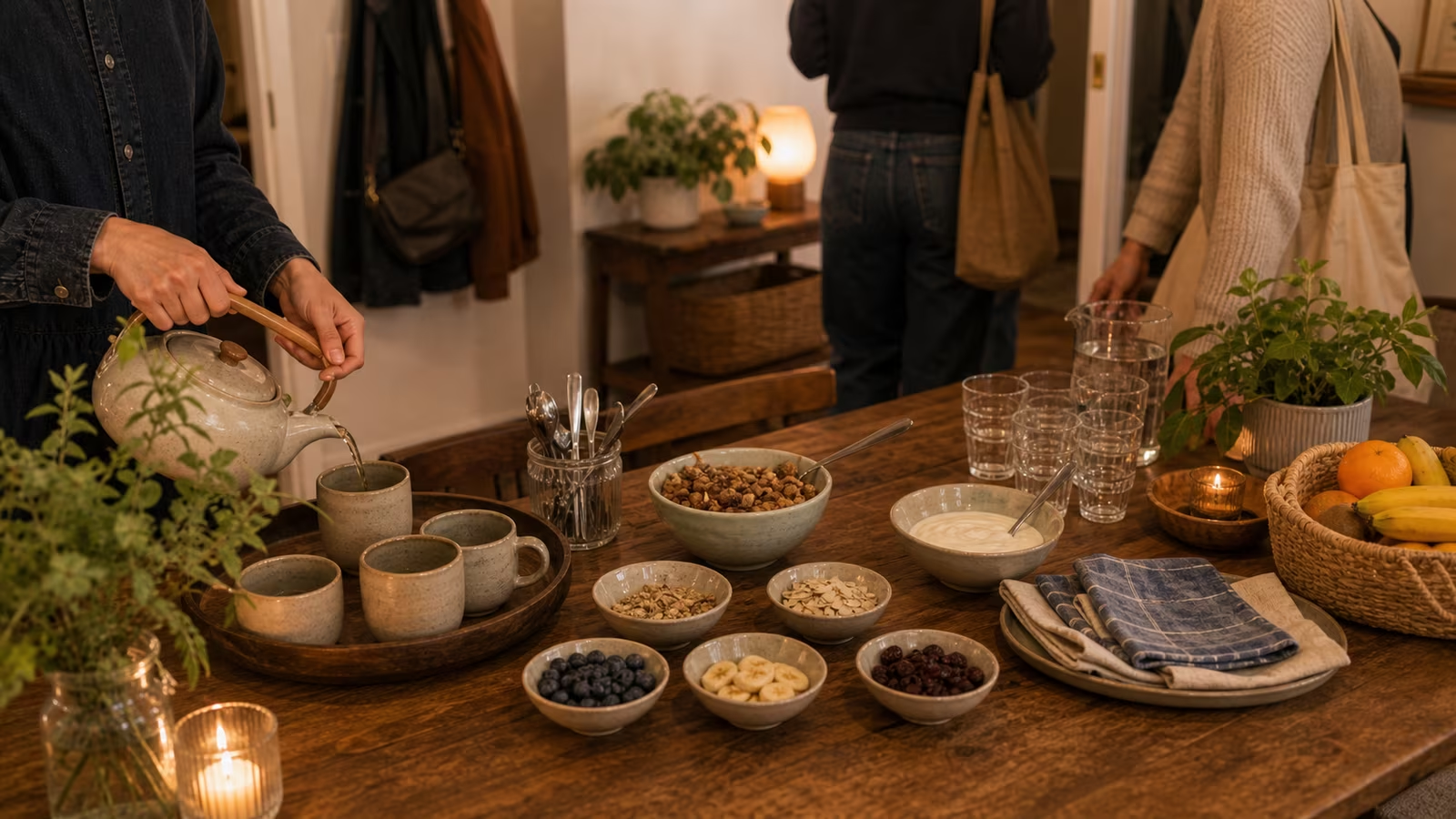
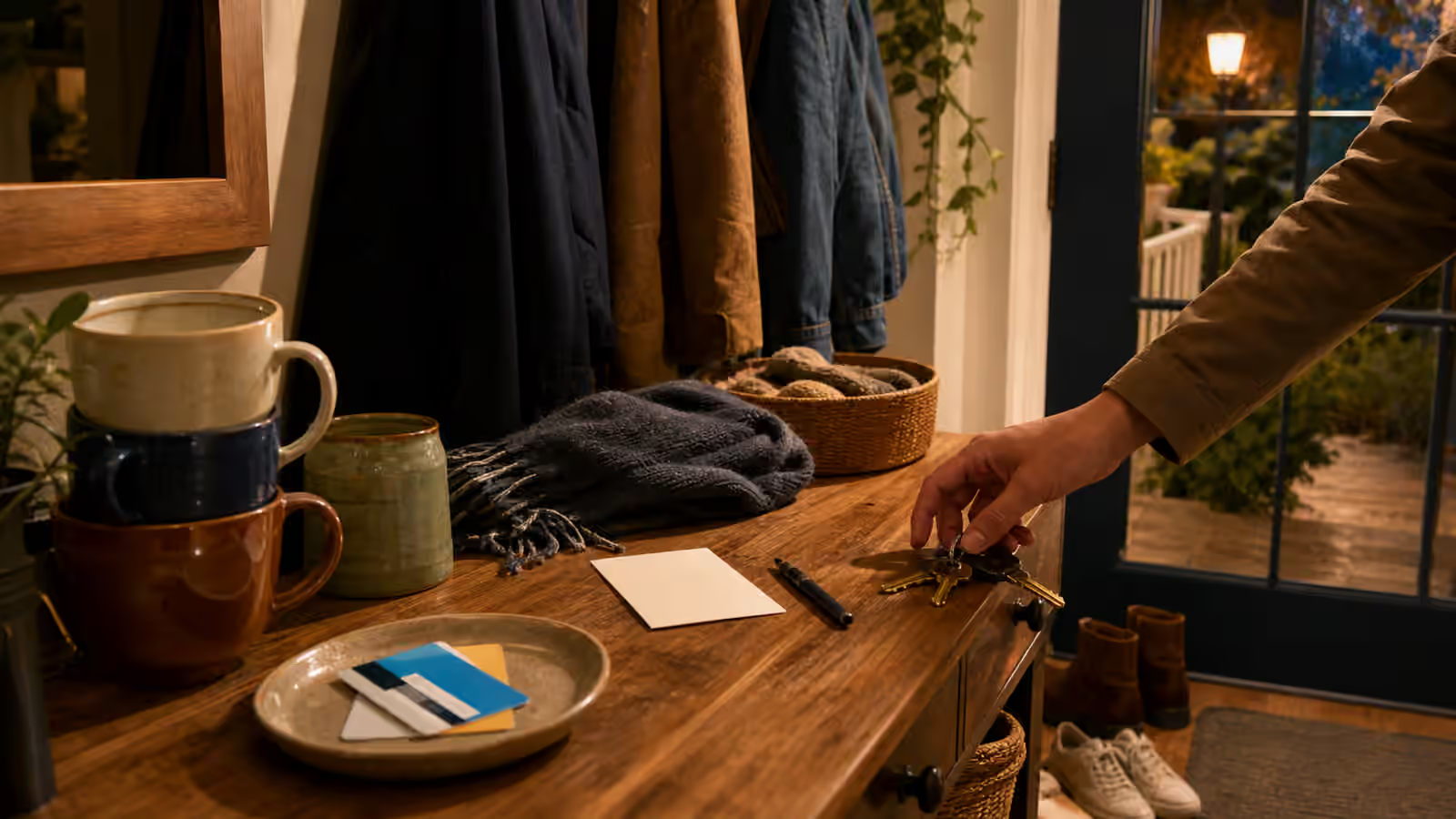
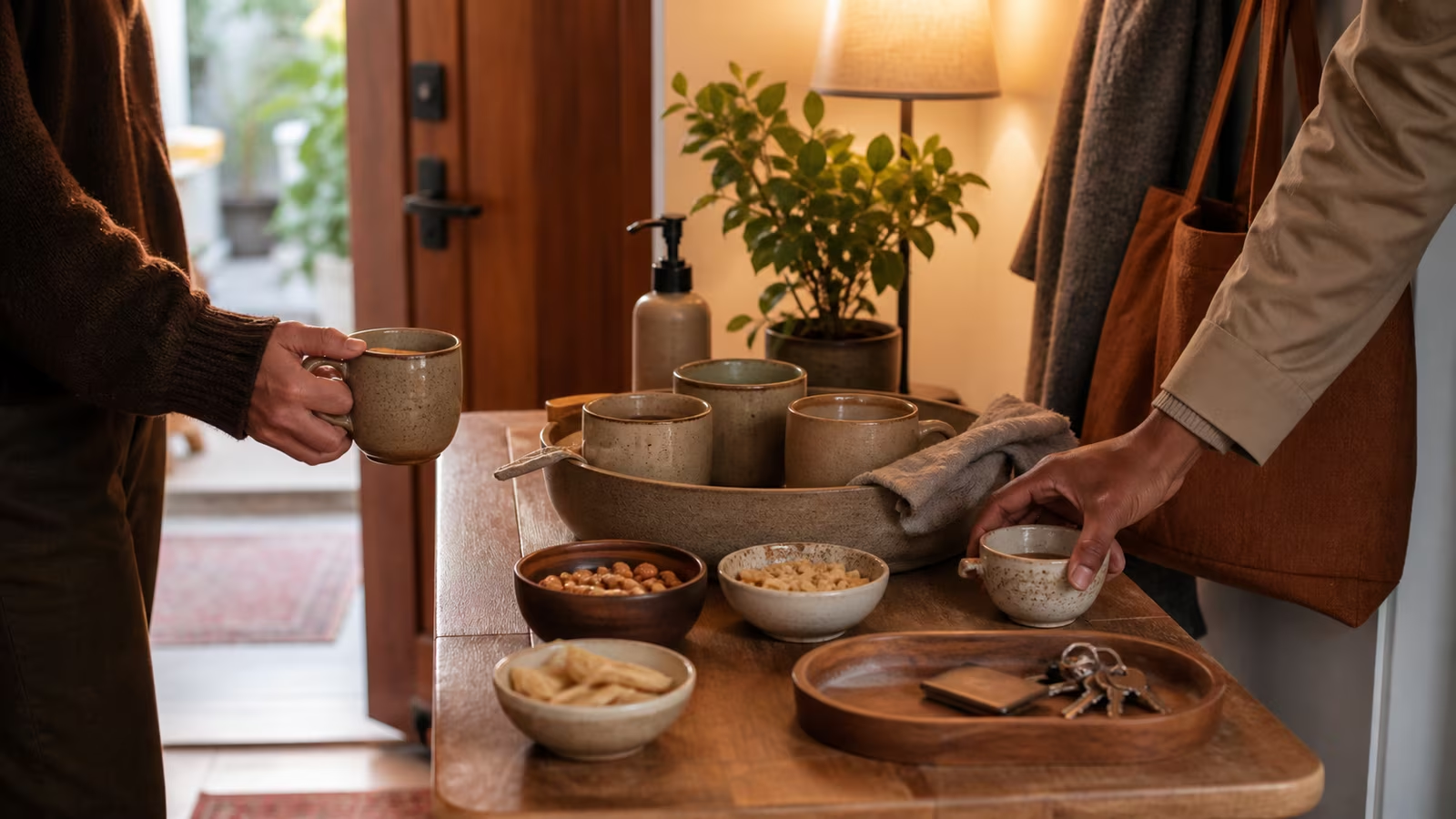
The reliable answer is a task, not a script. When a guest walks in and there is an obvious small thing to do, hang your coat there, the tea’s on the counter help yourself, would you fill that bowl with the crackers, the doorway stops being a stage and becomes a place with a job in it. A task absorbs the nervous energy that would otherwise curdle into self-consciousness. It also, quietly, gives two strangers a shared activity, and people find it far easier to talk sideways over a common task than face to face across an empty introduction.
The best arrival tasks are low, useful, and repeatable: pouring tea, filling a snack bowl, setting out cups, lighting a candle, choosing what plays, or answering one plain practical question about the evening’s activity. Notice that none of these require the guest to be interesting. They require only that the guest be present and slightly helpful, which is a role almost anyone can occupy on a hard day. Compare that to “tell us something surprising about yourself,” which asks a tired person to be delightful in the first ninety seconds. A task lets people arrive at the speed they actually have.
Make it genuinely optional
An arrival beat has to work for the guest who wants a job and the guest who just needs to sit for a minute and thaw. The design rule is that the task is offered, never assigned. It sits in the room, visible and available, so the guest who craves something to do can seize it and the guest who wants to lower themselves quietly into a chair and watch can do exactly that without being conspicuous. The moment the beat becomes mandatory, everyone at the table again, we’re each going to say our name and, it collapses back into the forced icebreaker it was meant to replace.
Design the beat so that a quiet guest can do it without becoming the center of attention. Pouring their own tea in the corner draws no eyes. Being asked to stand and introduce themselves draws every eye. The difference is whether the task points the room at the guest or lets the guest slip into the room’s ongoing motion. Aim always for the second. The guest who is allowed to be slightly busy and mostly unobserved for the first few minutes is the guest who relaxes fastest, and a relaxed arrival is worth more to the evening than any clever conversation prompt.
Let the beat carry the whole evening’s tone
Guests read enormous amounts of information from the opening minute, most of it unconsciously. A calm, low-demand arrival tells them this is a room where they will not be put on the spot, where help is welcome but not required, where they can be an ordinary tired person rather than a performer. A frantic or performance-heavy opening tells them the opposite, and they spend the rest of the night braced. The opening beat is not merely a way to fill five awkward minutes; it is where the guest decides how much of themselves it is safe to bring.
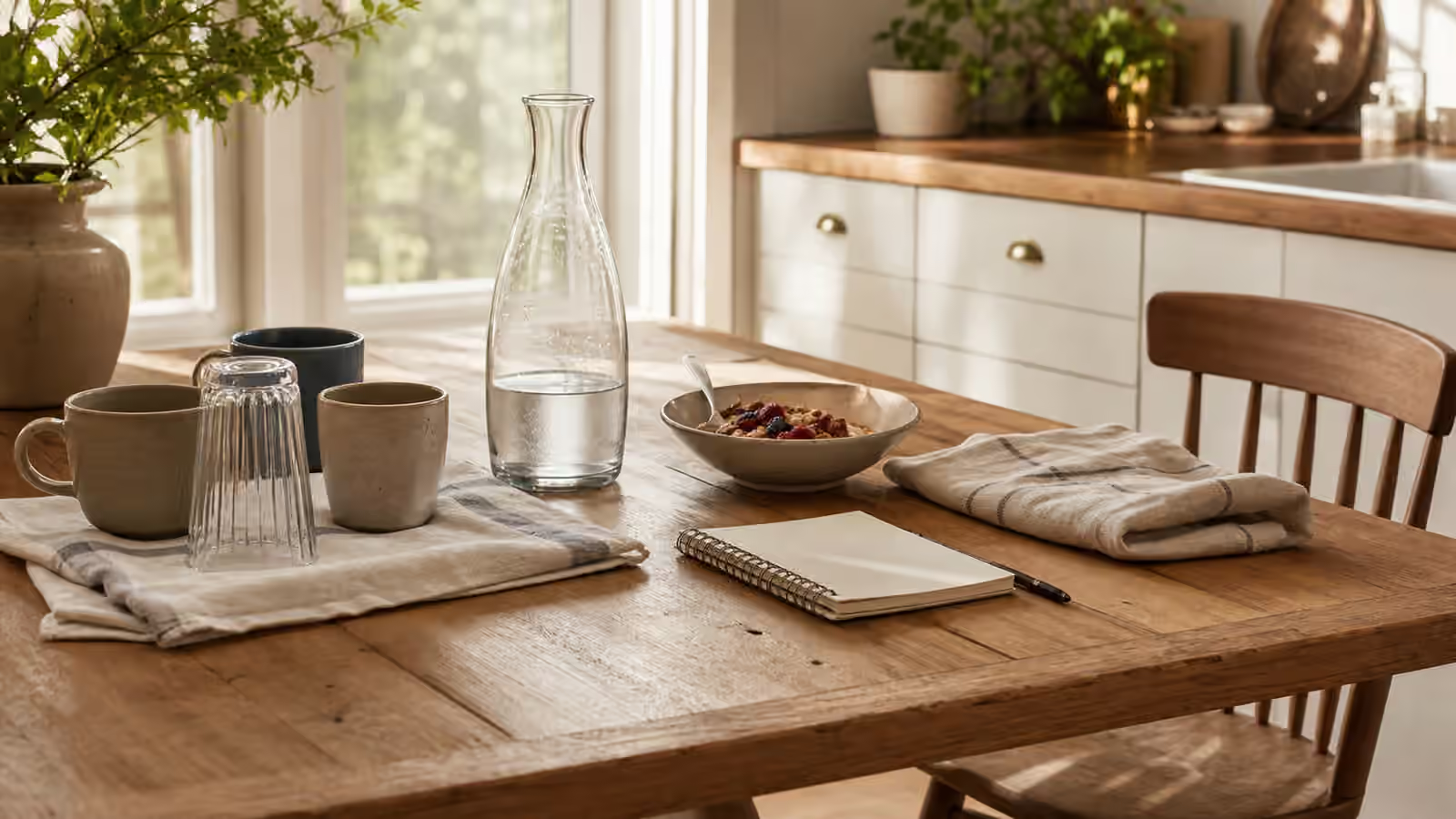
Because it sets the tone, the beat should match the format rather than fight it. A quiet tea circle wants a quiet beat, a kettle and a cup. A hands-on repair evening wants a beat built around the first object on the table. A soup night wants the ladle and the bowls. When the arrival task is a natural first move of the very thing the group came to do, the transition from door to gathering disappears entirely; guests are simply already doing it before they noticed it began. That seamlessness is the mark of a well-made opening.
Practice one and keep it
Build a single arrival beat and use it every time, because the repetition is half of what makes it work. Regulars stop needing to think at the door; they know the tea is on the counter and the coats go there, and the knowing is its own comfort. New guests borrow that ease from the regulars, watching how the room moves and joining the current instead of standing outside it. An opening beat that changes every gathering never accrues this trust; one that stays the same becomes a small dependable threshold people cross without dread.
Watch what your beat actually does over a few gatherings and adjust gently. Did the quiet guest find something to do, or hover? Did the task point attention at anyone it should not have? Did the room settle within a few minutes, or stay jittery? A short honest note after each evening will teach you more than any theory. And when the gathering ends, give it the same care at the other edge: Closing Before It Drifts does for the last minutes what the opening beat does for the first, and a table with a good threshold on both ends is one people return to. For keeping the invitation itself equally free of pressure, see Invitations Without Pressure .