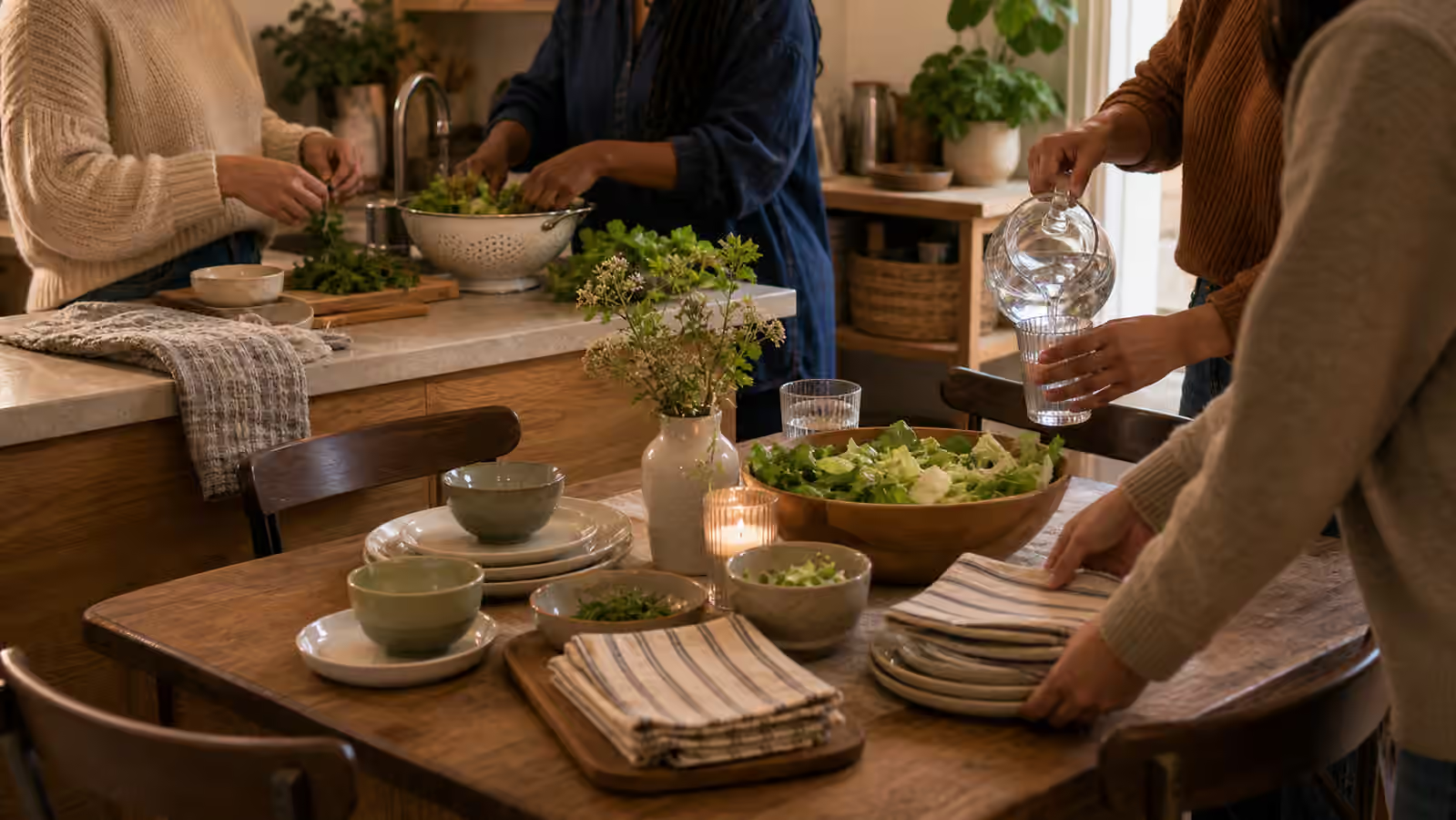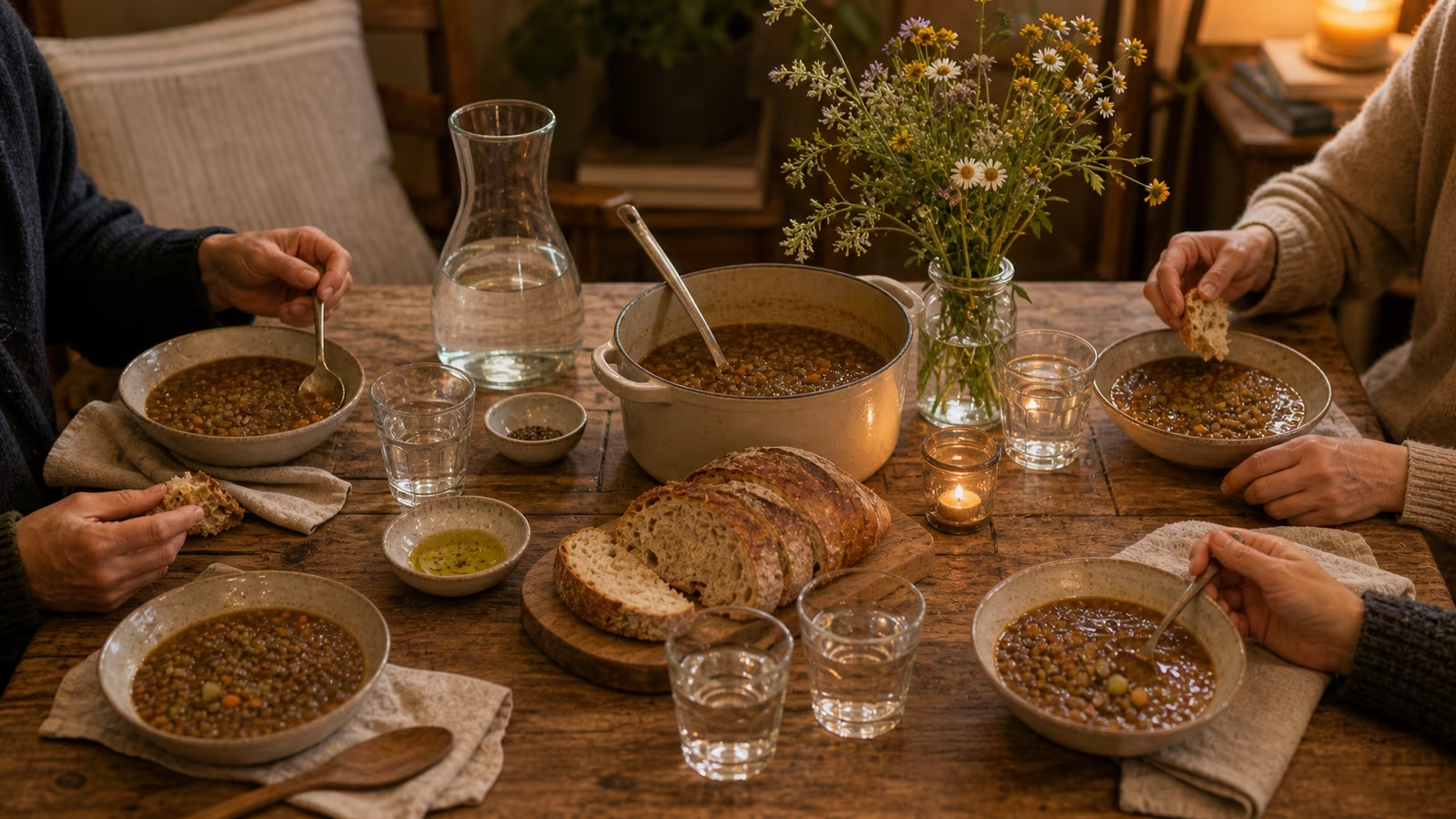
Everyone has been to the potluck that turned into five desserts and no dinner. It is nobody’s fault, exactly. Each guest, choosing alone with no picture of the whole, reached for the thing they felt safest making, and the safest thing to make is usually sweet, portable, and hard to ruin. Multiply that instinct by a dozen kind people and you get a table groaning with brownies, cookies, and a lonely bag of chips, while the host quietly panics and starts boiling pasta at the last minute. The potluck did not fail because people were thoughtless. It failed because generosity with no structure defaults to duplication.
The fix is not a spreadsheet, a sign-up app policed to the gram, or a host who assigns everyone an exact recipe. That swaps one problem for another, replacing chaos with control and draining all the ease out of the thing. The fix is a light frame that closes the biggest gaps while leaving people room to bring what they actually enjoy bringing. You want just enough structure that the table balances itself, and not one degree more.
Assign broad lanes, not exact dishes
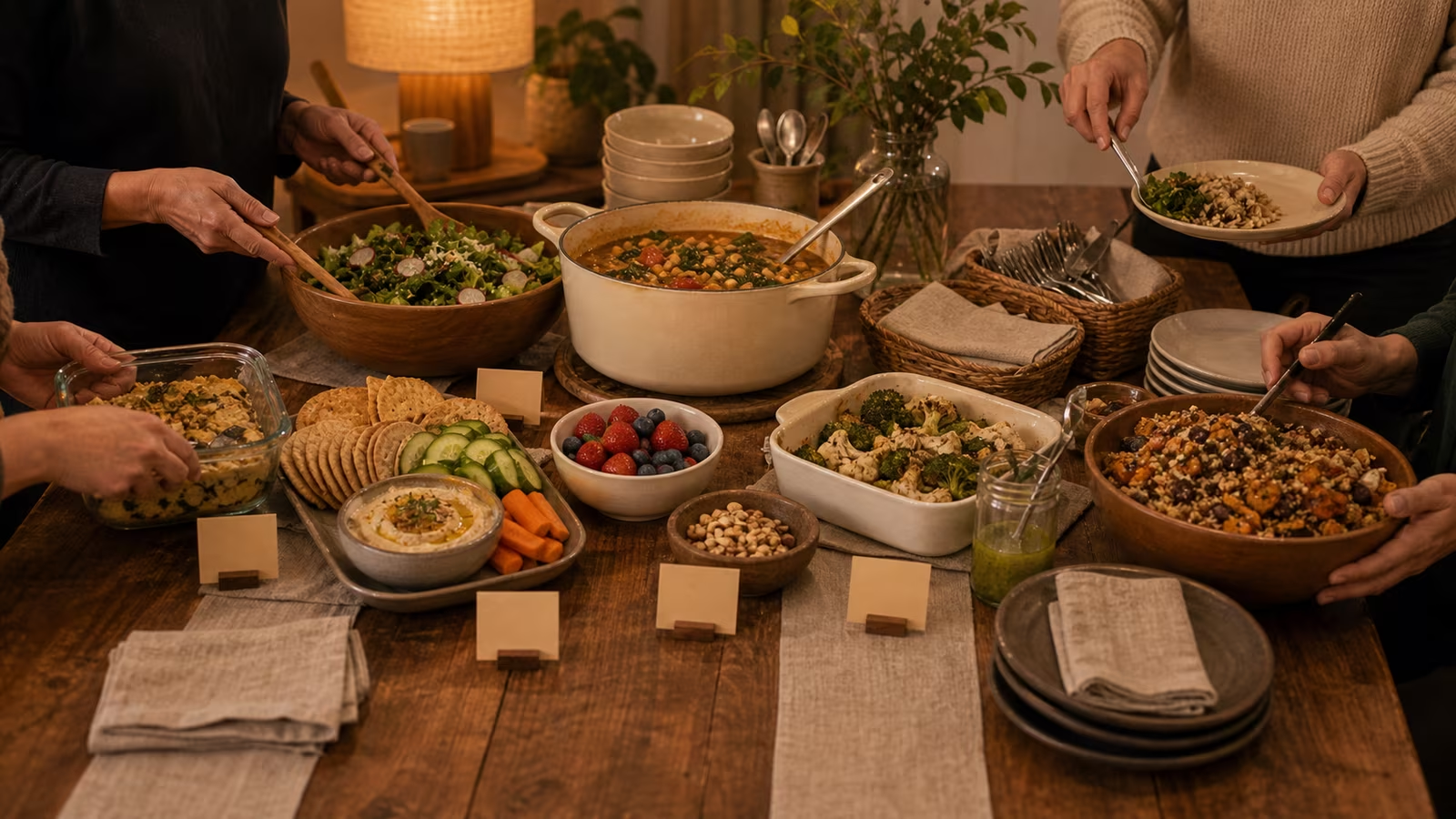
The single most useful move is to divide the meal into a few wide categories and ask each guest to claim a lane rather than a recipe. Four lanes handle most gatherings: a main-ish dish, a fresh side or salad, a snack or starter, and something to drink. When a guest signs up for “a fresh side” instead of “the caprese I promised,” they keep all their creative freedom and you keep your balance. The lane is a nudge, not a command.
Lanes work because they think about the shape of the meal so your guests don’t have to. Left to individual choice, people optimize for their own comfort; given a lane, they optimize for the lane, which is the same as optimizing for the group. Keep the categories broad enough that nobody feels boxed in. “A vegetable in some form” invites a roasted tray, a raw platter, or a grain salad, and any of the three fills the same gap. If you want the lanes to survive contact with real people, let guests swap between them freely as long as the four stay roughly filled.
Keep one host anchor that cannot fail
The most important dish on the table is the one you make yourself and never delegate: the anchor. This is the substantial, filling thing that ensures nobody goes home hungry even if half the sign-ups fall through. A pot of chili, a big tray of baked pasta, a pot of rice and a stew, a soup that stretches. The anchor is your insurance policy against the two guests who forgot, the one whose dish did not survive the car, and the general truth that potluck attendance is always a little theoretical until people are in the room.
Having an anchor also frees you to be relaxed about everything else. When the foundation of the meal is already handled, a table that skews toward snacks is charming rather than alarming, and you never have to send a passive-aggressive reminder text. The anchor is what lets you offer real hospitality instead of merely coordinating other people’s cooking. It is the difference between hosting a meal and administering one.
Say the boring logistics out loud
Most potluck friction is not about the food itself but about the mechanics nobody mentioned. Will there be oven space to reheat, or should dishes arrive ready to eat? Is there fridge room, or should the cold things come in a cooler? Do people need to bring a serving spoon, because a table of twelve dishes and three shared spoons is its own small disaster? When should food actually arrive, so that everything is not simultaneously cold or simultaneously monopolizing the one working burner?
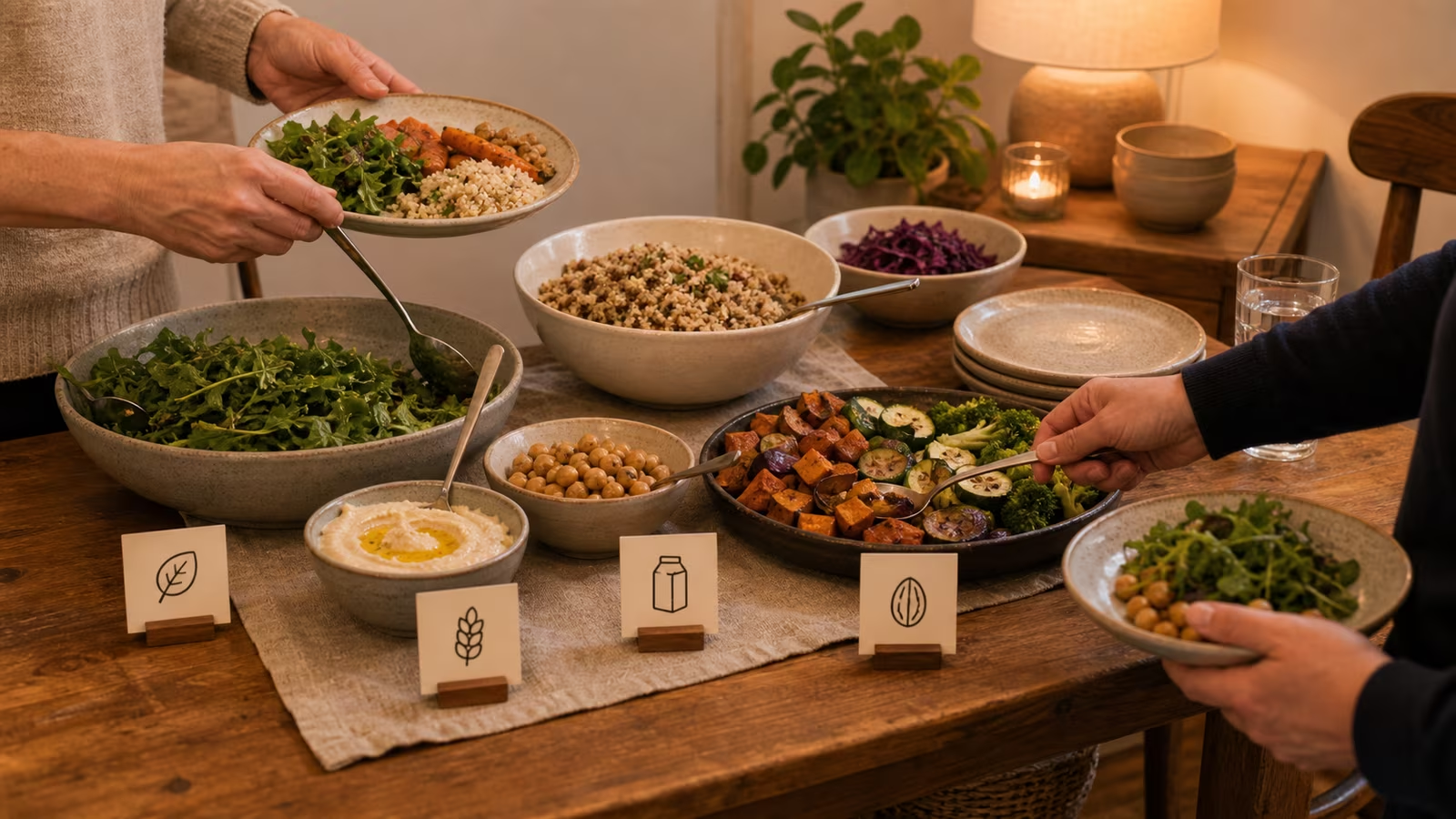
Answer these in the invitation in a sentence or two, plainly. “Bring your dish ready to serve, room temp is great, oven space is tight.” That single line prevents a dozen anxious questions and the specific misery of six people all needing to reheat at once. It also quietly tells nervous guests that store-bought is welcome, which it always should be. A rotisserie chicken, a bakery loaf, a tub of good hummus: these are real contributions, and a host who signals that plainly gets a wider, more relaxed table than one who implies everything must be homemade. Labeling helps too, especially small cards noting what is in each dish, which does double duty for the dietary needs that a shared meal always contains.
The drink lane deserves the same care as the food
Because a potluck has a drink lane, it is easy to let it fill itself with whatever people happen to grab, which often means several six-packs and nothing else. Treat the drink category with the same intention as the food. If you are assigning lanes, make sure the drink lane is understood to mean drinks in general, not alcohol specifically, so that the person who brings sparkling water, a jug of iced tea, or a big thermos of something warm feels like they contributed the main event rather than a consolation prize. On a shared table, the non-alcoholic options should be as plentiful and as prominent as anything else, not a lone bottle pushed behind the beer.
You are feeding a room whose reasons you cannot see. Some guests are driving, some are pregnant, some take medication, some are early in something they are not going to announce over a paper plate, and plenty simply do not feel like it tonight. A well-run potluck lets every one of them fill a cup with something good and rejoin the table without a single beverage becoming a conversation. That is not a rule you enforce; it is a table you set, and it starts with making sure the appealing drinks are not all the alcoholic ones.
Let the gaps be fine
Even with lanes and an anchor, some nights the balance will still tilt. There will be a dessert-heavy year and a year with three potato salads. Resist the urge to correct this in the moment or to apologize for it. A potluck is a shared act, and shared acts are gloriously imperfect; the three potato salads become a running joke, and the joke is a form of belonging. Your job was never to engineer a caterer’s menu out of a dozen home kitchens. It was to make sure everyone could contribute easily, eat well, and leave without the host looking exhausted. Nail the anchor, offer the lanes, say the logistics plainly, and the rest can be as spontaneous as the people who show up.
Related guidebooks
- Dietary Needs Without Drama: Ask Early, Label Simply
- Small-Room Seating Flow: Keep Conversation From Getting Stuck
- The Common Table Quickstart: Start a Repeatable Small Gathering
- Invitations Without Pressure: Ask Clearly, Let People Decline Easily
- The Common Table guidebook shelf
- Startable Life Lab for making recurring systems easier to begin and resume.
- Reality Check Desk for calm verification habits when social media advice turns hospitality into pressure.