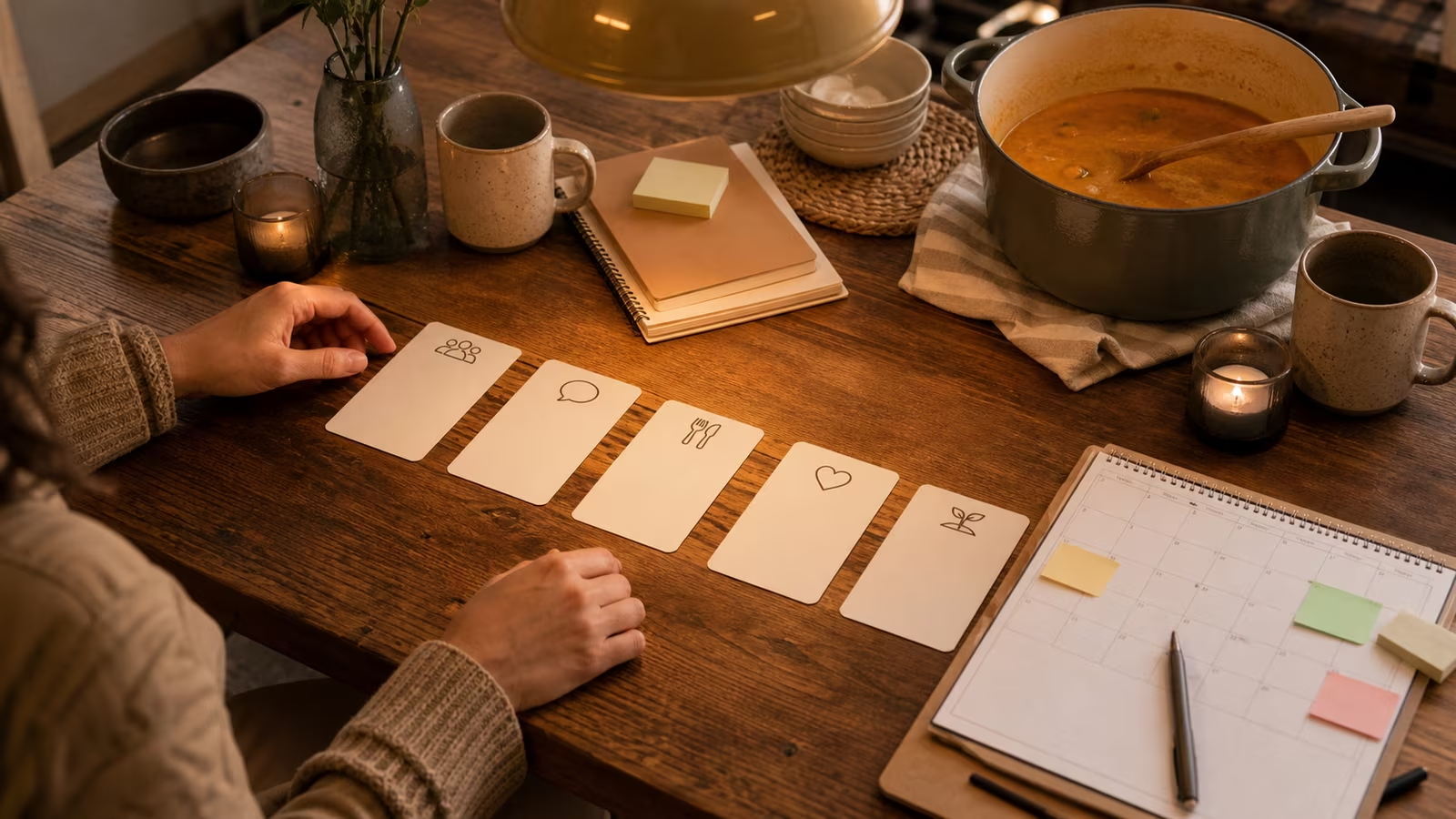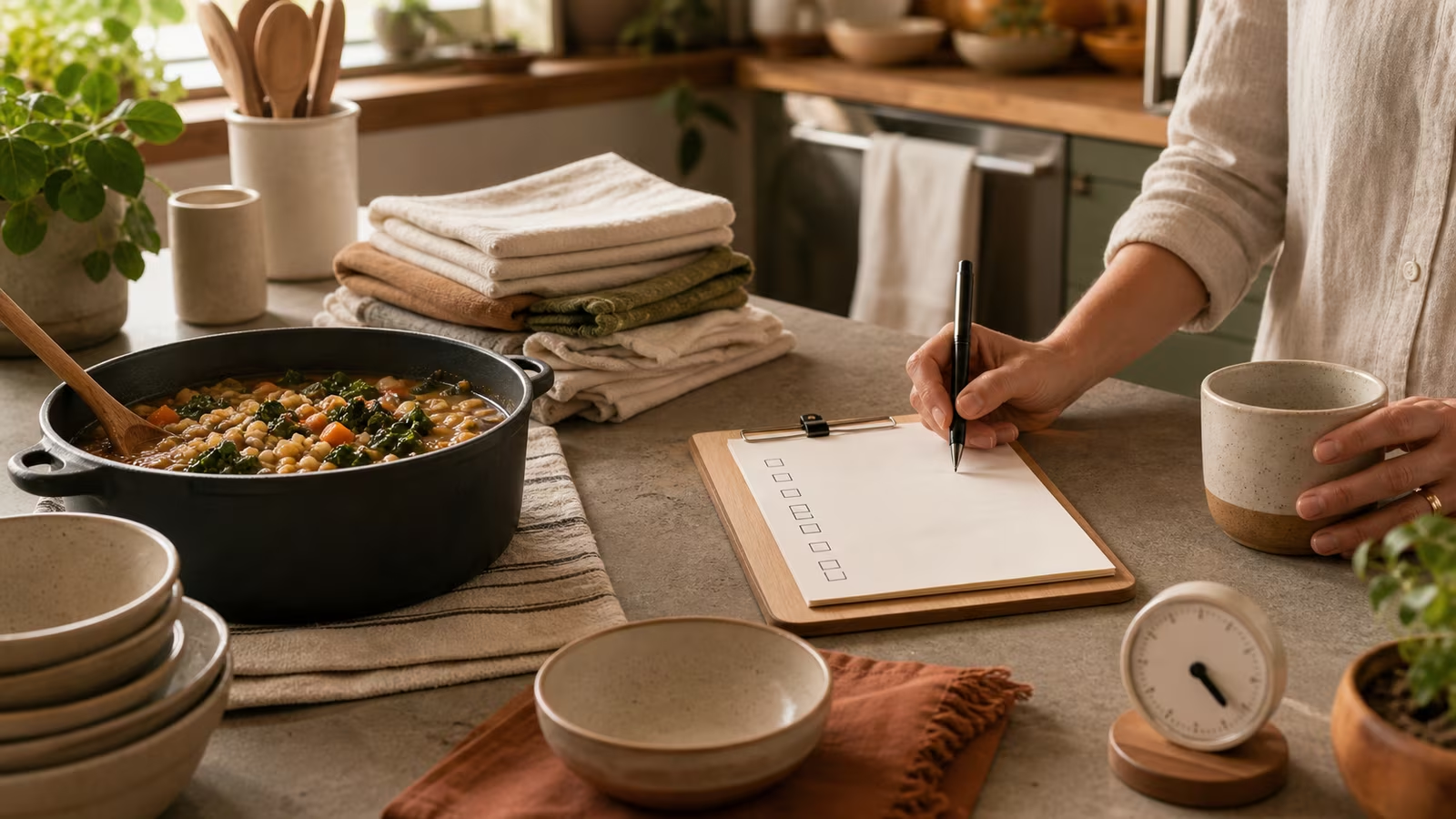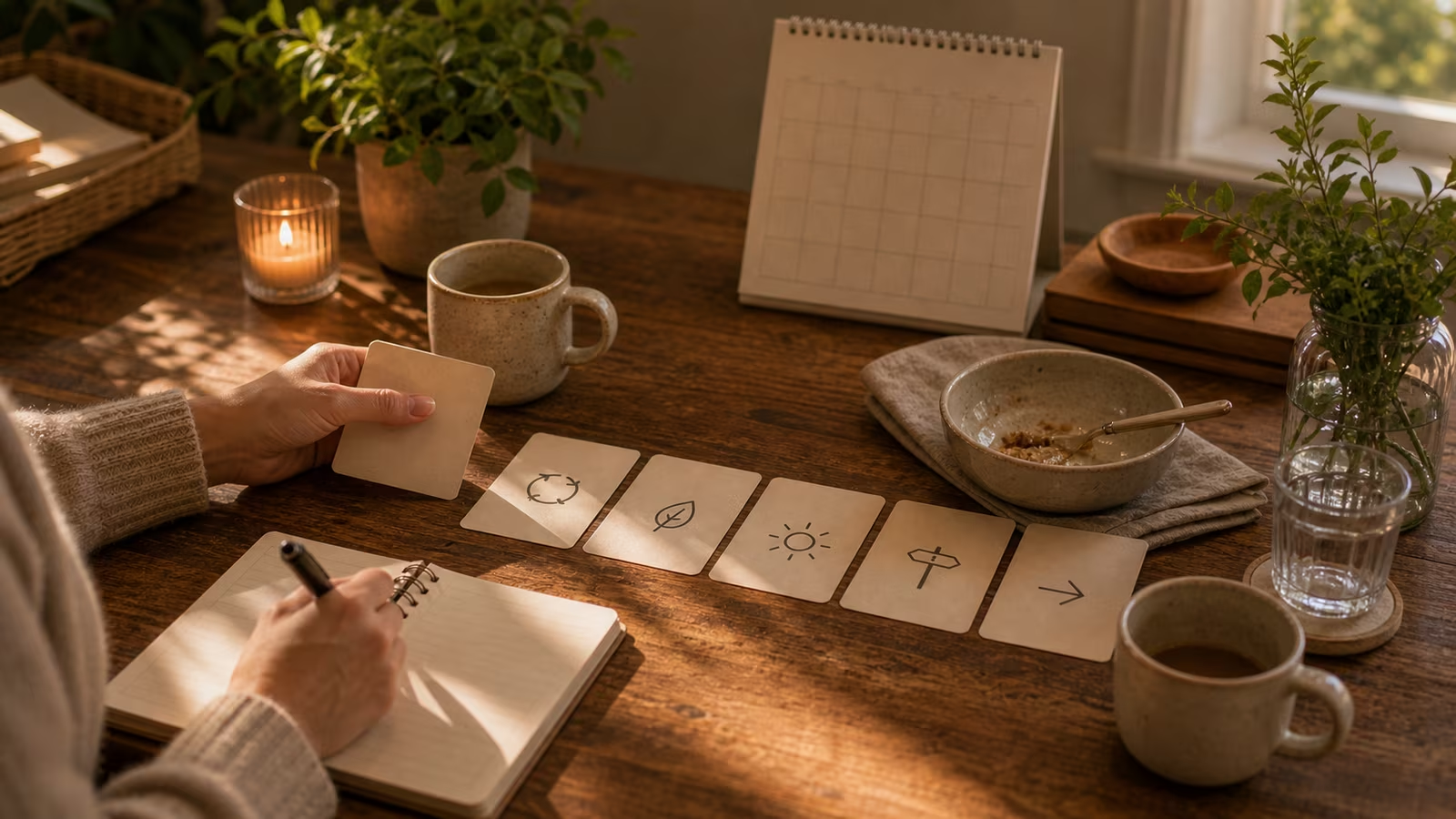
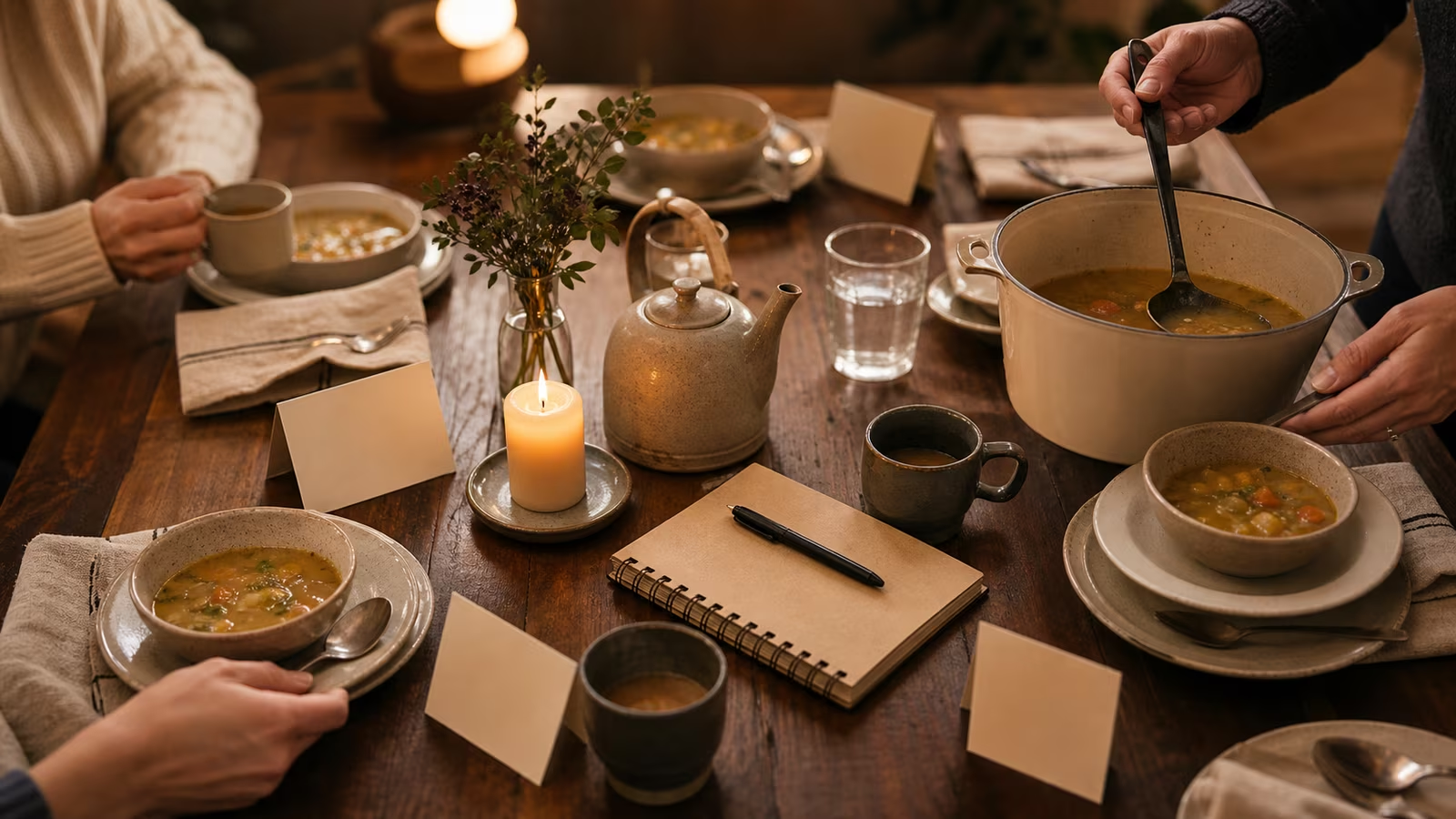
There is a moment, usually a few gatherings in, when a host starts reaching for themes. The soup night becomes a Tuscan soup night, which next month must become a harvest night, which must then become a citrus-and-candles winter night, and suddenly every gathering demands a fresh concept, a shopping trip, and a small performance of creativity. This is theme inflation, and it is one of the most reliable ways a promising recurring table quietly exhausts its host into retirement. The alternative is not to be boring. It is to move the specialness out of the theme and into a ritual, a small repeated action that guests come to recognize and rely on. If you are still finding your format, the Common Table Quickstart is the place to begin; this guide is about what to do once the temptation to escalate arrives.
The difference between a theme and a ritual
A theme is a costume the evening wears once and then discards. A ritual is a gesture the evening repeats until it becomes a signature. The distinction matters because they scale in opposite directions. Every theme you add increases the planning cost of the next gathering, because a theme used twice feels stale, so novelty must keep climbing. Every ritual you keep decreases the planning cost, because a gesture repeated becomes easier and more meaningful each time, not less. Themes compound into work. Rituals compound into belonging.
Consider what actually makes people feel at home somewhere they return to. It is rarely the decor. It is the small predictable thing: the same seat that is somehow yours, the same first cup of tea handed over the same way, the same question that opens the table, the friend who always arrives ten minutes early to help. Those repeated gestures are what a person’s nervous system reads as safety. Novelty is exciting, but excitement is not the same as trust, and a recurring table is in the trust business.
Choose one gesture and let it carry the meaning
The core move is almost embarrassingly small: pick one repeated action that tells guests, without a word, what this table is for. It could be the same first pour, the ladle of soup that always starts the meal, a single question you ask every time that everyone now expects, a shared notebook that gets passed around and added to, a short walk around the block to close, or a jar of leftovers that always goes home with whoever needs it most that week. Any of these can become the spine of an evening. What they have in common is that they are cheap to repeat and rich to accumulate.
The magic is in the accumulation. The first time you ask the same closing question, it is just a question. By the sixth time, it is a tradition, and newcomers are told about it before they arrive: “she always asks what small thing went right this week.” A shared notebook is an empty book on night one and a small treasured archive by night ten, full of the group’s own handwriting. You did not have to invent anything new to get there. You had to keep one thing the same long enough for it to gather weight. This is the quiet engine behind Closing Before It Drifts too, because a recognizable closing ritual is what lets you end an evening cleanly instead of letting it fray.
Why novelty is usually covering for a weak format
Here is the diagnosis worth sitting with. When a host feels they must make every gathering look new, it is often because the underlying format is not strong enough to be worth repeating plainly. If the only reason to come back were the theme, then yes, the theme would have to keep escalating. But that is a signal, not a solution. It means the real work is to find the one gesture people would return for even if nothing else changed, and then to trust it enough to stop dressing it up.
Watch for the tell: planning stress that climbs each month, a creeping sense that last time set a bar you now have to clear, guests who compliment the effort rather than the company. Those are symptoms of novelty compensating for a thin center. The correction feels almost too easy. Strip a theme away and replace it with a repeated action, and notice that attendance does not drop. People were never coming for the citrus and candles. They were coming for each other, and the ritual simply gives that a reliable shape. Your Host Energy Budget will thank you, because rituals cost a fraction of what themes cost to sustain.
Keep the ritual come-as-you-are
One caution as you choose your repeated gesture: make sure it works for everyone at the table, every time, without anyone having to opt out awkwardly. If your signature ritual is a shared drink, make the drink itself something nonalcoholic and genuinely good, the same warm pour or the same bright, considered cold thing, so that the ritual never quietly excludes the guest who does not drink. A ritual built around alcohol turns abstaining into a visible absence from the tradition, which is exactly the wrong feeling to bake into your table’s signature. Choose a gesture rooted in food, question, notebook, or walk, and belonging stays available to the person in recovery, the person driving home, the person who simply is not drinking tonight, none of whom should have to explain themselves to take part.
Practice this once
For your next gathering, do one thing: remove a decorative theme you were planning and replace it with a single repeated action that guests could recognize next time. Announce it lightly or let it announce itself, but commit to doing the very same gesture again at the following gathering. Then watch what happens over two or three cycles. Notice whether your planning got lighter, whether guests started referencing the ritual on their own, whether newcomers were told about it before they arrived. That last sign is the one to wait for, because a ritual that guests explain to each other has become part of what the group is, not just something you do.
Resist the urge to add a second ritual too soon. One strong repeated gesture, held steady, does more than three competing ones. Let it accumulate. Once it feels load-bearing, you can afford small seasonal variations around it, but the spine stays the same, and that steadiness is the whole point. For help keeping the invitations to this steady table easy rather than elaborate, see Invitations Without Pressure , and browse the full Common Table guidebook shelf for the pieces that surround this one.