A recurring table can die two ways. It can fall apart because nobody keeps it going, or it can quietly exhaust the people who love it because every gathering has to be reinvented from scratch. The seasonal calendar is a cure for the second death. It lets you host essentially the same evening across winter, spring, summer, and fall, changing just enough that no one, including you, ever feels like they are sitting through a rerun. If you have not run a recurring table yet, read The Common Table Quickstart first; this guide assumes you already have one small format you would like to keep alive for a year or more.
The trick is not more imagination. It is less. You already loved the first soup night, and the danger is that you decide the second one needs a theme, the third one needs a better theme, and by the fifth you are spending more energy on concept than on people. A calendar built on the seasons hands you a rhythm of change you do not have to invent, so the format can stay steady while the year does the redecorating.
Why a season is the right size of change
Months are too frequent to redesign and too arbitrary to mean anything. Nobody feels a strong difference between a gathering in March and one in April, so a monthly theme is change for its own sake, and guests can sense the strain behind it. Seasons arrive with their own cues already attached. The light shifts, the produce shifts, and what people want to eat and do shifts with them: soup and staying seated in February, something cold and green out on a porch in July. When you let the season carry the signal that this one is a little different, you get freshness without inventing anything.
Four turns a year is also a load a real person can carry. You are not producing twelve concepts and defending each of them; you are dressing one reliable format in four coats. That difference in workload is exactly what separates a table that survives its second year from one that quietly stops after a burst of ambitious spring.
The spine that does not move with the weather
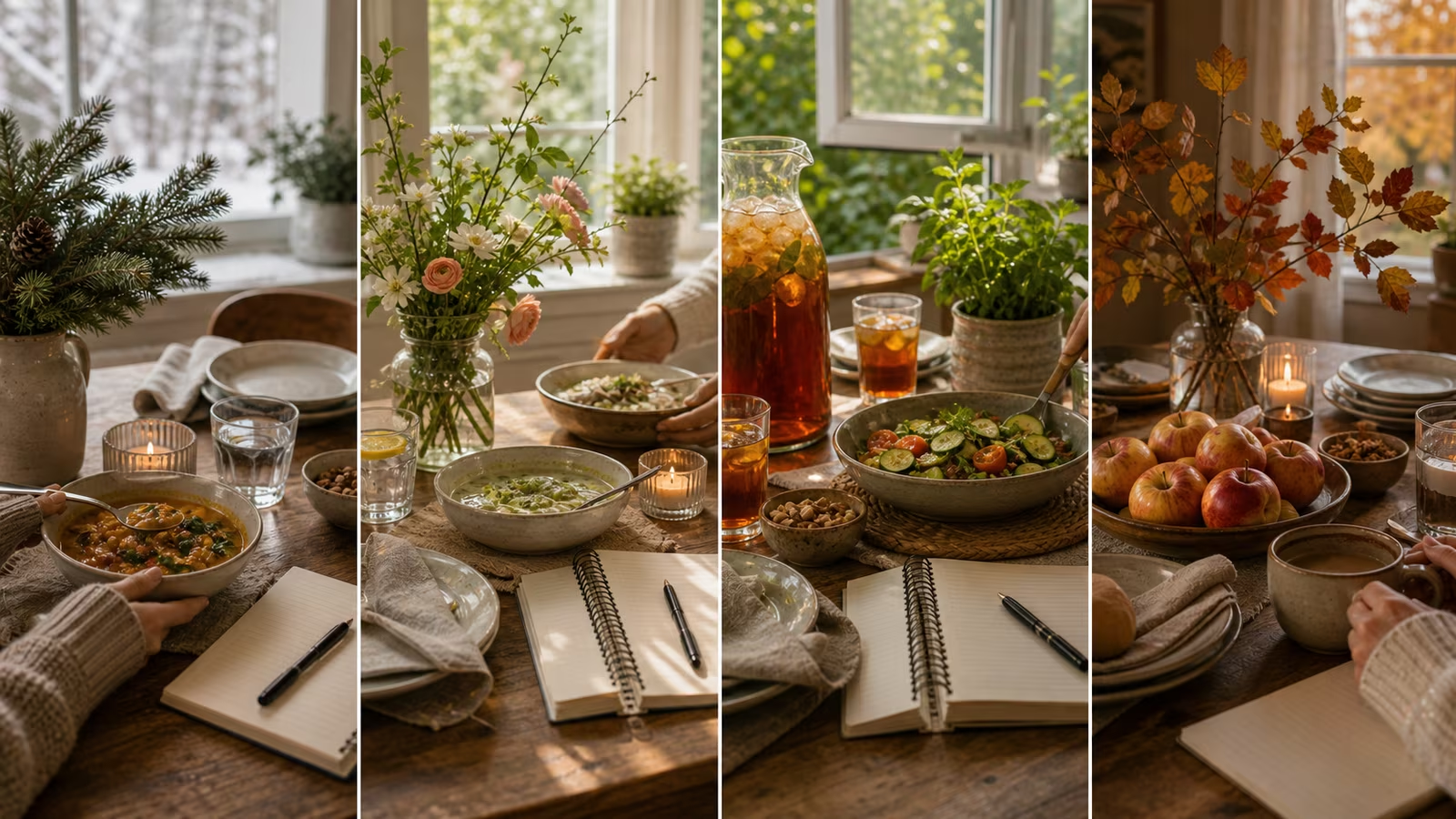
Underneath the seasonal costume there has to be a spine that stays put. For this table the spine is winter soup, spring walk, summer porch hour, and fall repair share, with the same opening and the same close every time. Notice that only the middle activity rotates. The way people are greeted, the moment you name the shape of the evening out loud, the signal that it is winding down: those are identical all year. That constancy is what lets a guest who came once in October walk into the January version and immediately know how to behave. The season tells them what is new; the spine tells them what is safe.
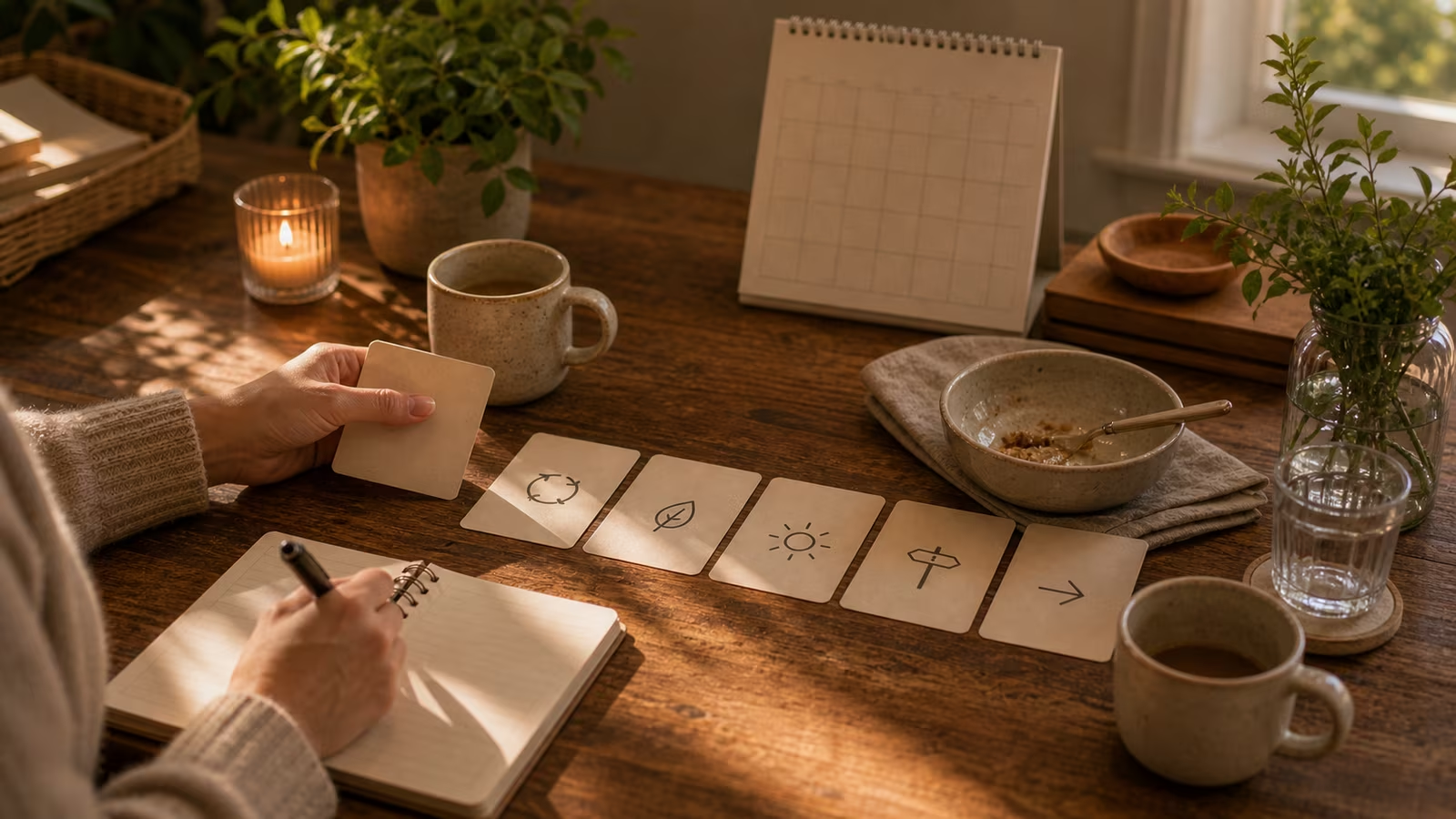
Write the spine down, because you will forget it. After a warm evening you remember the conversation and lose the mechanics, and by next season you will have half-invented a new opening that quietly undoes the recognition you spent a year building. A single page listing the greeting, the activity by season, and the close is enough, and it should be plain enough that a trusted friend could run the spring walk while you are out of town.
The one element you are allowed to change
Discipline here means changing one visible element per season and refusing to change five. Winter can be a pot of soup and the fact that everyone stays seated. Spring adds a short loop around the block before the tea. Summer moves the whole thing outdoors to a stoop or a patch of shade with cold drinks. Fall brings a small pile of things to mend, sort, or fix side by side. The food, the location, or the activity moves, but only one lever at a time, so the change reads as a season rather than a brand-new event guests have to relearn from the door.
One invitation, four nouns
Keep the invitation structure identical across all four seasons and let only the noun change. If your winter message says, “Come for soup on the first Sunday, five to seven, nothing to bring but yourself,” then your summer message should say, “Come for the porch hour on the first Sunday, five to seven, nothing to bring but yourself.” Same rhythm, same window, same small ask. When people learn the shape of your invitation, saying yes stops being a decision and starts being a habit, and that predictability does more for continuity than any clever seasonal flourish. For the wider craft of asking well, Invitations Without Pressure is the companion piece.
When the calendar becomes the event
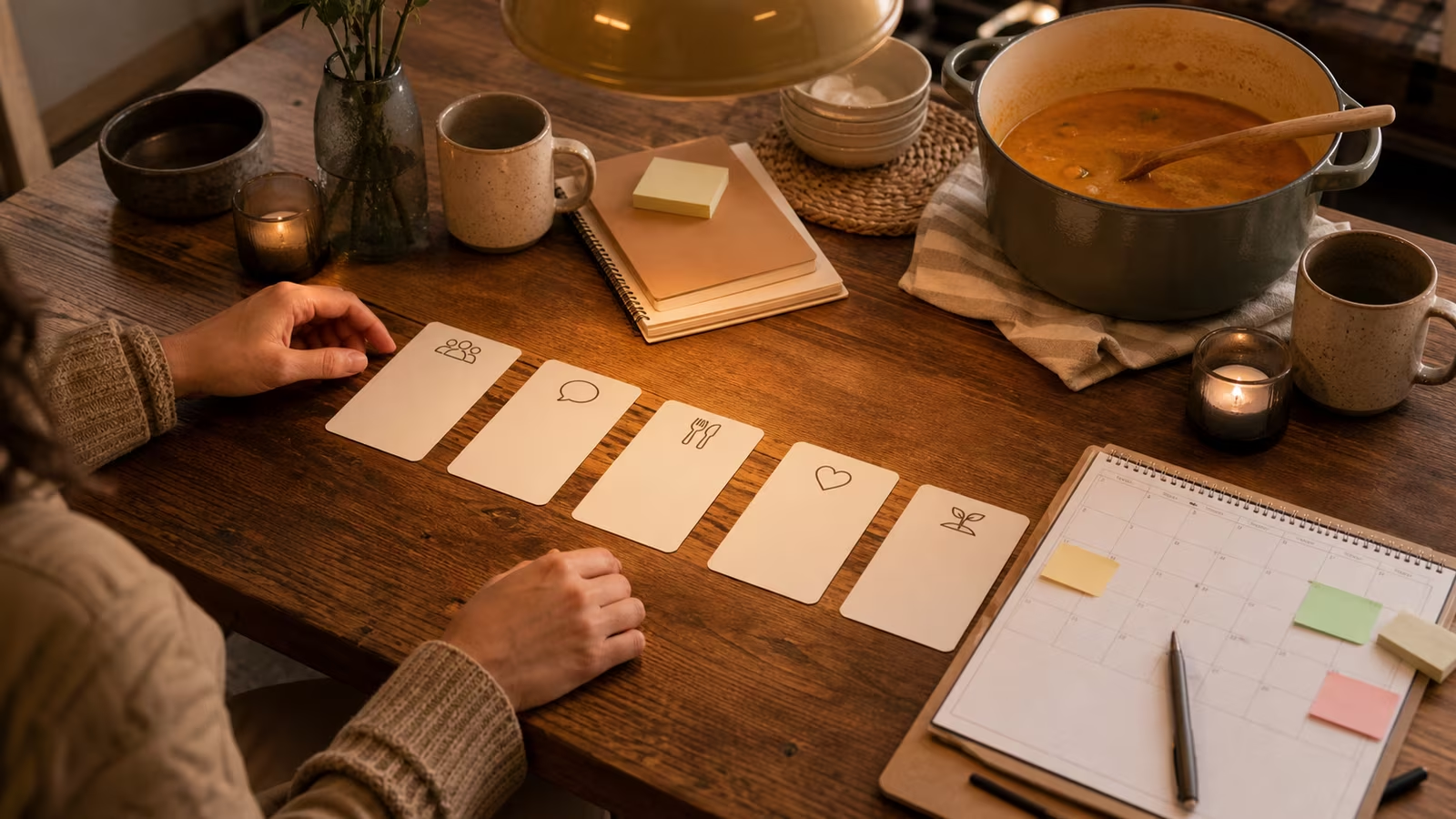
The failure mode to watch for is inventing a new theme every month until the planning becomes the real gathering. You will know it is happening when you spend more time deciding what this one should be than looking forward to seeing anyone. The correction is almost embarrassingly small: return to the spine. If the season is fall, it is the repair share, and you do not also need a costume, a signature cocktail, and a playlist nobody asked for. A seasonal calendar is a promise to your future self that you will not have to be clever four times a year, only present. Guests are not coming for your concepts; they are coming because the thing exists and they know where they stand inside it.
Alcohol at the edges in every season
Because this table runs the whole year, it passes through every season’s drinking cue: mulled things in December, spritzes in July, cider in October. It is worth deciding once that none of those become the point. A seasonal drink can be lovely, but let the seasonal nonalcoholic one be the drink you actually make well, whether that is hot spiced cider in winter or iced mint tea over a full jug of ice in summer. If wine or beer shows up, it can sit quietly at the edge of the table rather than anchoring the mood. A guest who does not drink should be able to move through your entire calendar, season after season, without ever being asked to account for it, because the interesting thing in the glass was never the alcohol in the first place.
A ritual that can outlast your energy
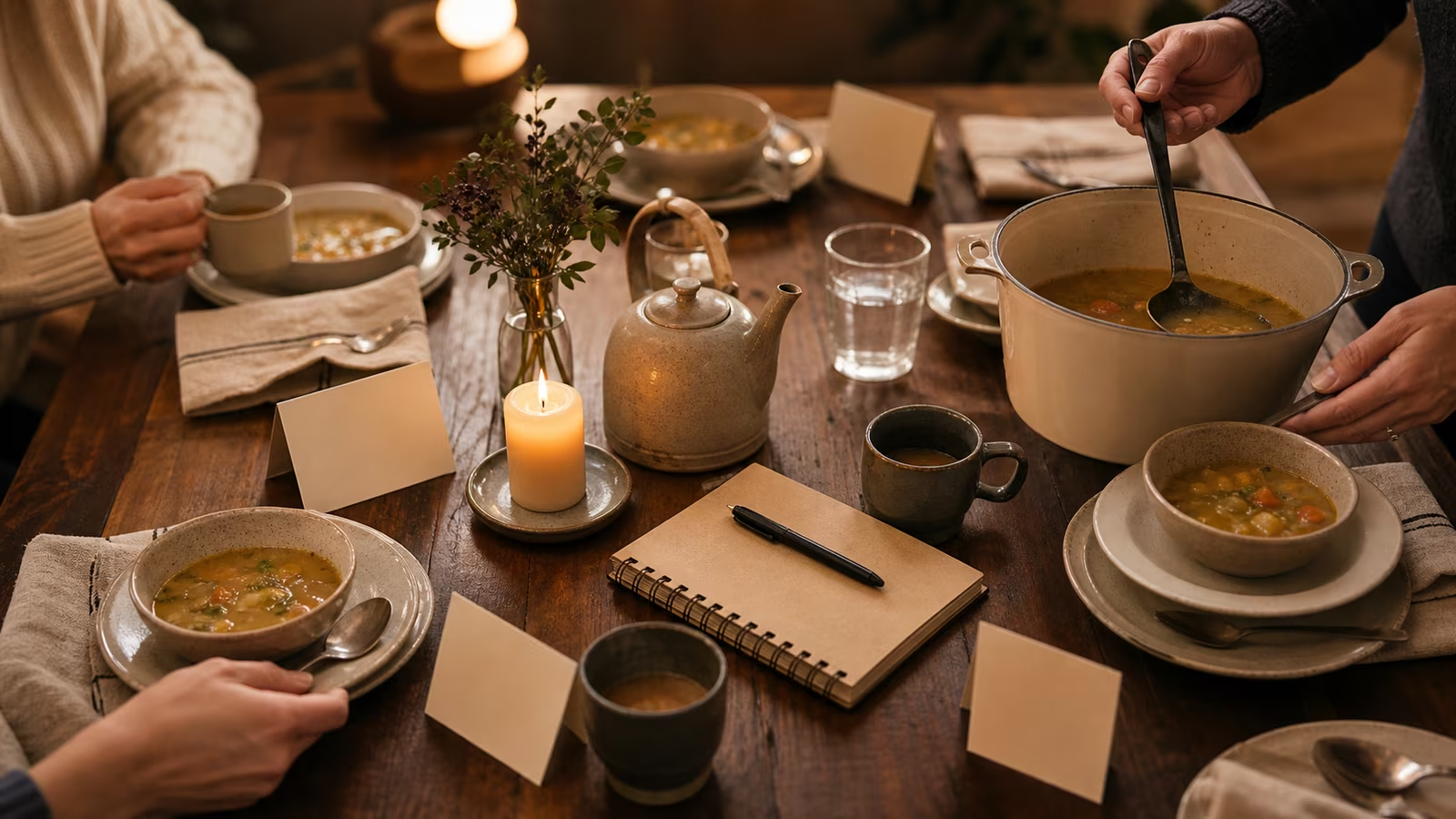
The real test of a seasonal ritual is whether you could hand the one-page spine to someone else and disappear for a round. If you could, you have built a small system that can survive any single person’s tiredness, which is the entire reason to repeat in the first place. If you could not, the ritual is still secretly a performance only you can give, and it will end the season you run out of steam. Cancel and Reschedule With Grace helps when a season simply has to be skipped, and Third-Place Map helps when home is not available for a given turn of the wheel.
Run one full loop before you judge it
Resist grading the calendar after a single season. Choose your four anchors, keep the invitation structure identical, and run at least one complete turn of the year before you redesign anything. A winter soup night that felt thin might have been a hard week rather than a broken format, and a summer porch hour that felt magical might not survive the mosquitoes. Only across a whole loop do you learn which anchor your particular people keep coming back for, and that anchor is the one worth protecting when every other part of the year starts tempting you to tinker. Afterward, a few honest lines about what repeated, what felt too heavy, and what made guests more comfortable will teach you more than any redesign undertaken mid-season.
For related reading, see The Common Table guidebook shelf and Startable Life Lab for making recurring systems easier to begin and resume, along with Reality Check Desk when social media advice starts turning hospitality into pressure.