Happy hour is a good idea wearing a slightly misleading name. What people actually want after work is not the alcohol; it is the seam between the day and the evening, a marked hour where the pressure comes off and they can be around other people without any of it being a project. The drinks became the shorthand for that hour, but they were never the point. A sober-ish happy hour keeps the good part, the decompression and the easy company, and quietly demotes the alcohol from the main event to one option among several. If this is your first recurring gathering, The Common Table Quickstart lays the groundwork; this guide is about a Friday apartment table, a backyard hour, or an early-evening kitchen counter where the relief is the reward.
The move is to build the pleasure of the hour around the time itself, the snacks, and the shared exhale, rather than around what is in the glass. Do that and the evening still makes complete sense when nobody drinks, which is the whole test. An after-work table that falls flat the moment you remove the wine was never really about the people in the first place.
Design the reward around the hour, not the alcohol
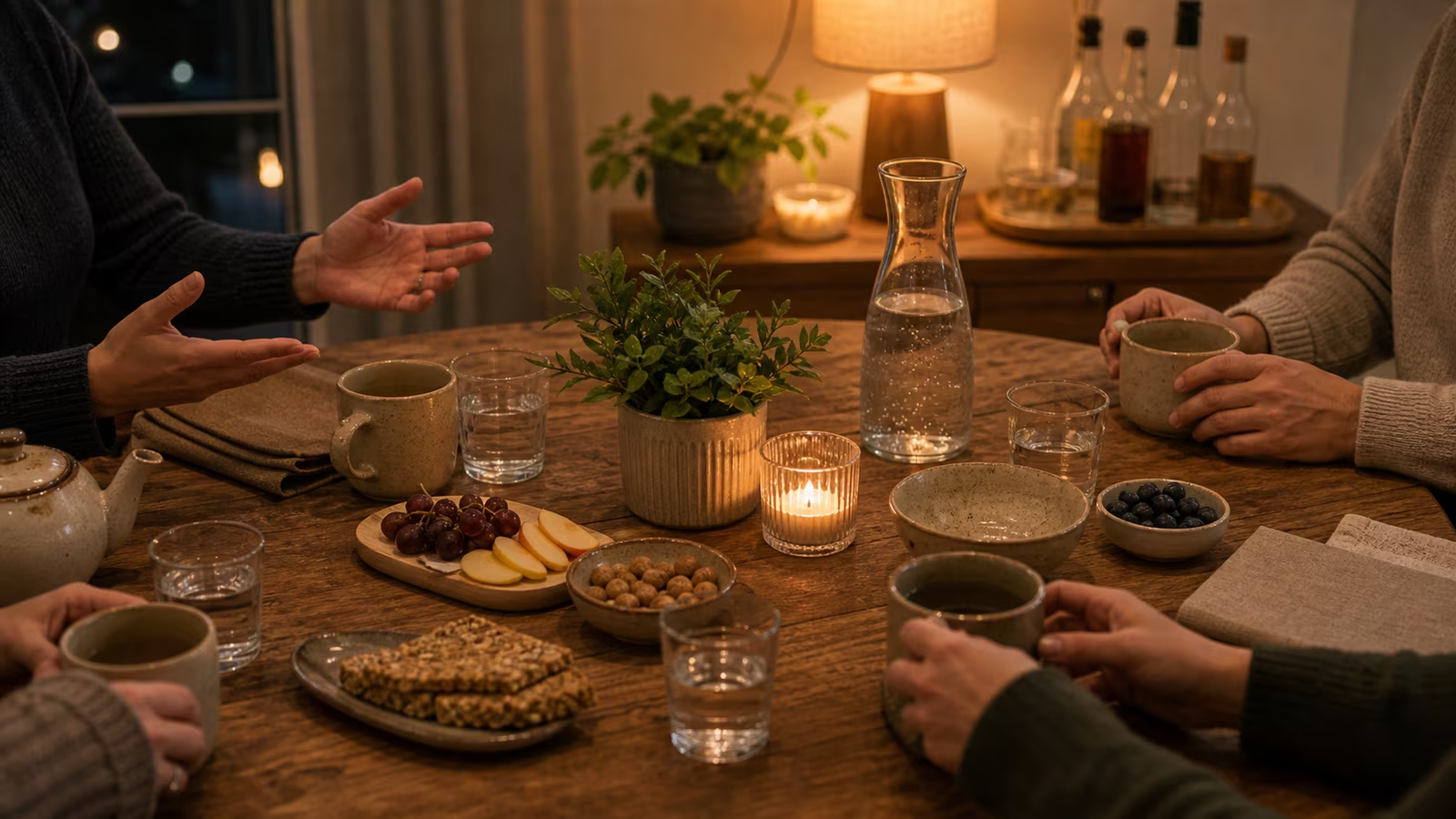
If you strip the drinks out of a typical happy hour, what remains should still be worth showing up for, and often it is not, because the whole thing was quietly organised around the bar. So organise yours around something else. The reward can be the firm boundary of the hour, the fact that it starts at half five and ends by seven, so people can drop in on the way home without committing their whole evening. It can be the snacks, a few good savoury things that make sitting down feel like a small treat. It can be the simple relief of complaining about the week to someone who understands it. When the pleasure lives in the time and the company, the alcohol becomes genuinely optional, because it was never carrying the evening in the first place.
This is the same soft-landing logic behind the Weeknight Tea Circle : a marked, low-stakes hour that helps people cross from work into the rest of the day. The difference is only the setting and the time of week.
Two nonalcoholic defaults, not one sad accommodation
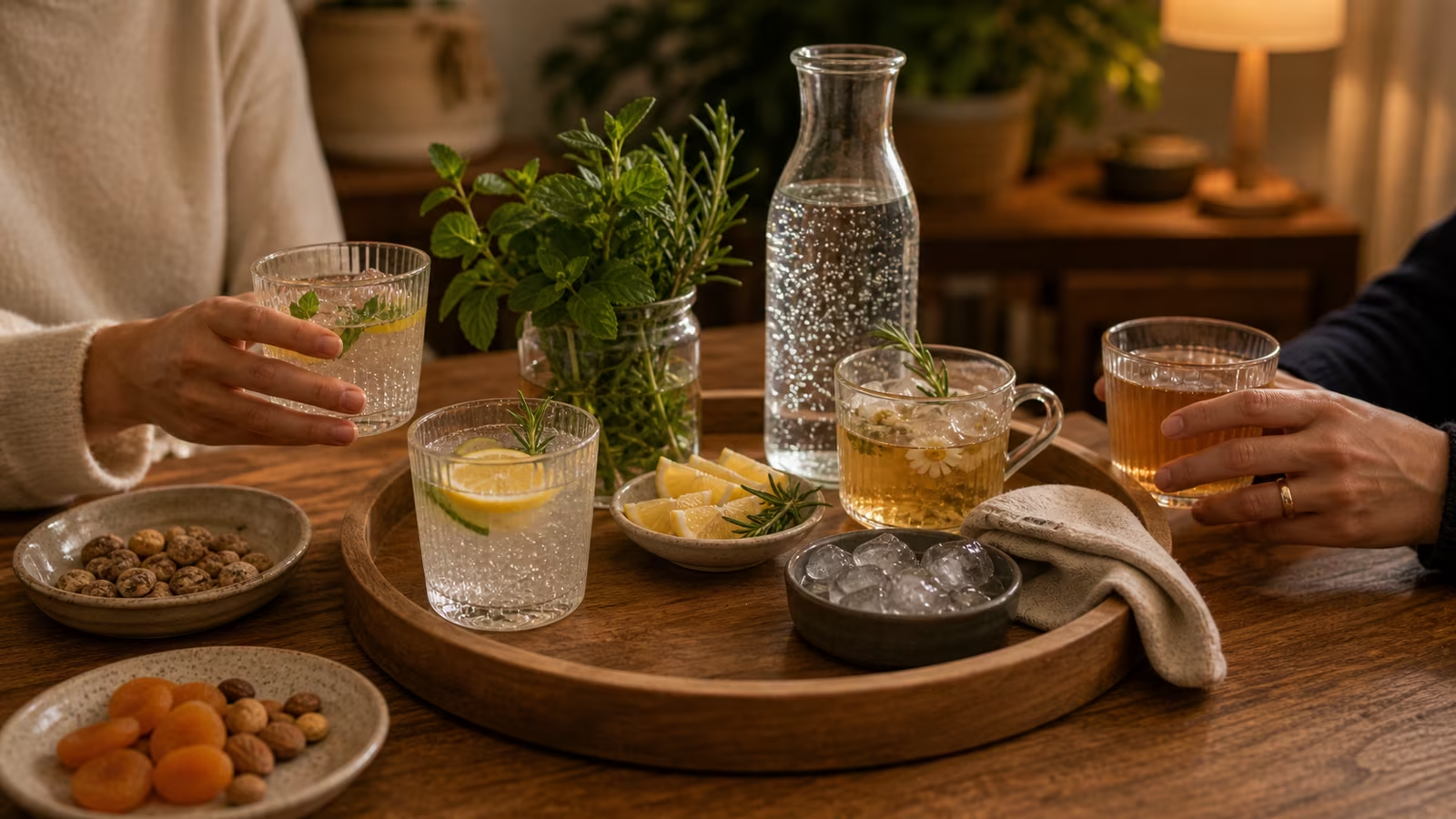
The tell of a table that treats abstaining as a problem is the lonely bottle of supermarket cola sweating at the end of the counter while everything interesting has alcohol in it. Flip that. Make the nonalcoholic choices the ones you actually put effort into: a jug of sparkling water with real citrus and ice, a proper cordial, a good cold brew, something with enough character that a person is glad to be holding it. Offer at least two, so choosing not to drink is choosing between good options rather than settling for the leftover. If beer or wine is around, fine, let it be there quietly for whoever wants it, but it should not be the only thing in the room that got any thought. When the best drink on the table happens to be the one without alcohol, nobody has to make a statement to reach for it.
The word “optional” has to be true
It is easy to say a gathering is alcohol-optional and then build every cue so that drinking is clearly the expected thing: the toast, the refill, the “what can I get you” that only lists wines. Optional only means something if a guest can move through the entire hour without a drink and without a single moment of friction. That means not tracking who is holding what, not topping up glasses on autopilot, and not making the first thing you offer at the door an alcoholic one. The load-bearing detail is small and it is this: the first drink you mention, in the invitation and at the door, should be one of the good nonalcoholic ones. That single reordering tells everyone what kind of evening this is before anyone has to ask.
Do not turn a private choice into a public question
The failure mode here is specific and worth naming: making the alcohol-free option a special accommodation, which turns a private choice into a public explanation. It happens with the best intentions, the host who announces “and I made sure to get something for the people who aren’t drinking,” or who asks, in front of everyone, whether someone is sure they don’t want a real one. Both drag a person’s private business into the open and ask them to account for it. The fix is to make the nonalcoholic options so normal and so present that they need no announcement at all. People step back from alcohol for reasons that are theirs alone, medication, health, pregnancy, driving, faith, recovery, sleep, cost, or simply not fancying it, and none of those are owed to the room. A good after-work table gives everyone an easy path through the hour and never once asks them to narrate the choice.
A clear early close is a feature
The kindest thing about the original happy hour was the “hour” part. Give yours a real end and say it out loud: this runs until seven, and then people are free to go home, carry on somewhere else, or stay if they like, with no pressure either way. A defined close protects the people who came precisely because it was short, keeps the evening from sliding into the open-ended, later-and-drunker territory the format is meant to avoid, and lets tired guests leave on time without feeling they have bailed. It also protects you, the host, from a gathering that quietly expands to fill the whole night. If some people want to continue, they can; the ritual itself ended cleanly and can happen again next week without costing anyone too much.
Let the snacks and the room do the work
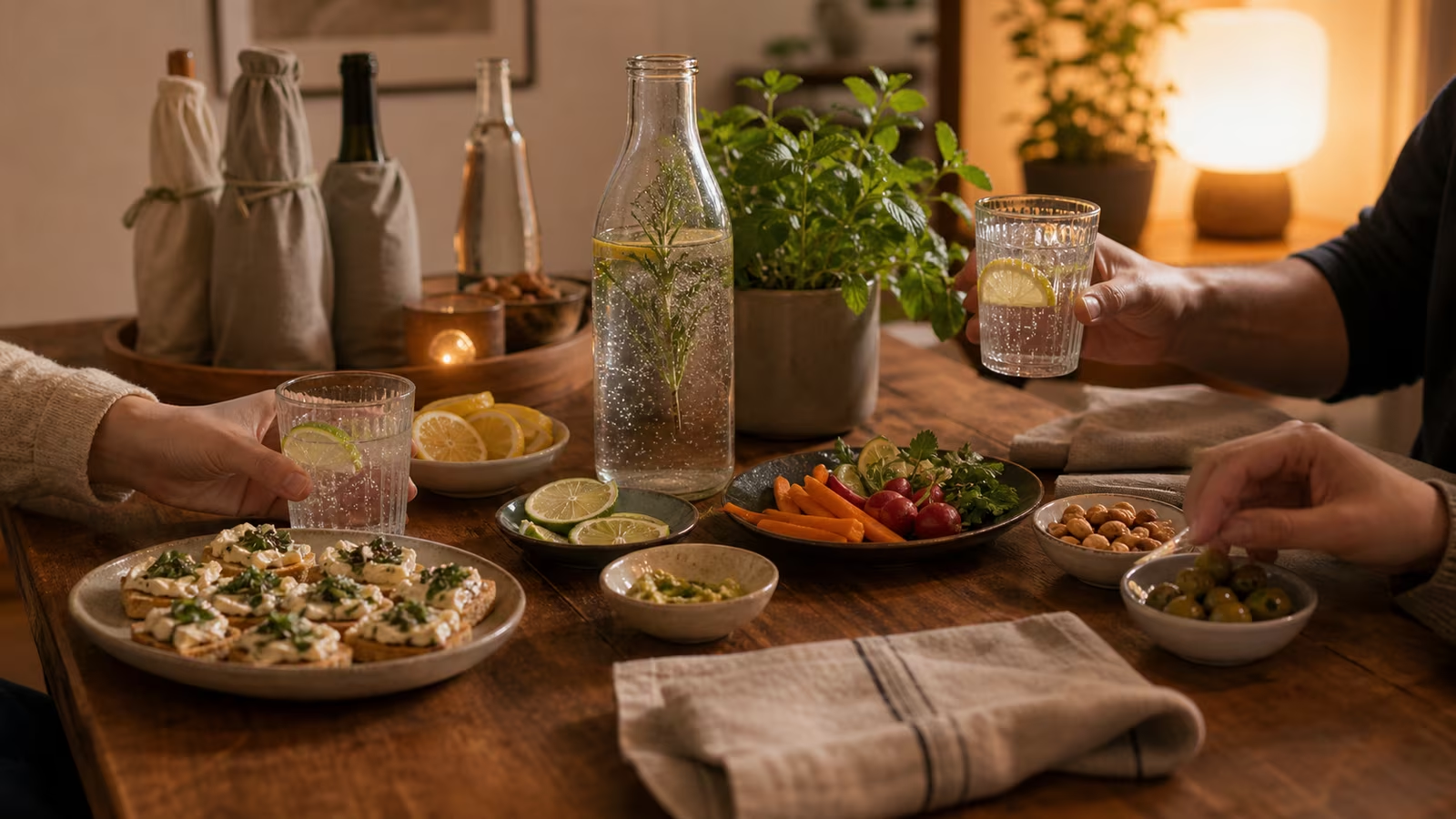
Because the drinks are not the centre, the snacks and the setting have to carry a little more, and happily they can. A few small savoury plates, something warm, a bowl of good crisps or olives, give people’s hands something to do and their attention something to share, which matters most in that first awkward stretch before the room settles. The No-Phone Dinner Window is a natural companion if you want the hour to feel present rather than half-spent on screens. None of it needs to be elaborate. It needs to be enough that a person arriving straight from work feels met, fed a little, and glad they came, whether or not they ever pick up a drink.
Rewrite one invite and try it
The practice is a single sentence of editing. Take a happy-hour invitation you might normally send and rewrite it so the first drink named is a nonalcoholic one and the thing you are inviting people to is the hour itself, not the drinking: “Come by Friday, half five to seven, cold brew and snacks and a break from the week, bring nothing.” Send it, run the hour once, and notice how the room behaves, whether the good nonalcoholic drinks actually get poured and whether the early close lands as a relief. If the first attempt felt thin, do not reach for alcohol to rescue it; run it again at the same size and watch what the format teaches you the second time. For related reading, see Invitations Without Pressure , the Common Table guidebook shelf , Startable Life Lab for making recurring systems easier to resume, and Reality Check Desk when advice online turns hospitality into pressure.