The phrase “house rules” makes most people picture a laminated card taped to a refrigerator, or a host who explains too much before anyone has taken off their coat. That is not what this guide is about. Good house rules are almost invisible. They are the small defaults a guest can feel the moment they arrive, the ones that let a person who has never been to your table before know, within a minute, that they are not going to be photographed without warning, cornered into a debate, or handed a drink they did not want. The rules exist so that nobody has to learn them the hard way.
If this is your first recurring gathering, The Common Table Quickstart is the better place to begin, because it covers the shape of a repeatable evening. This guide assumes you already have a table, and it is aimed at the quieter question underneath it: how do you make the room safe enough that people relax, without turning safety into a set of announcements that make the night feel administered?
Rules are how you spend care in advance
Every gathering runs on the host’s attention, and attention is finite. During the evening you want to be pouring tea, catching the guest who does not know anyone, noticing that the food is running low. What you do not want is to be inventing policy in real time, deciding on the spot whether it is fine that someone is filming the room, or whether the argument brewing at the end of the table is your problem yet. Deciding those things ahead of time is not rigidity. It is a way of pre-spending your care so that during the gathering you can be present instead of reactive.
That is why the useful defaults for a small table are so ordinary. No surprise photos. Alcohol optional and never pushed. Food labeled where it matters. Disagreements moved gently offline before they harden. Exits made easy. None of these are dramatic. Each one removes a specific, recurring source of small harm, and small harm is what quietly ends recurring tables, not big blowups.
Photos: ask, do not announce
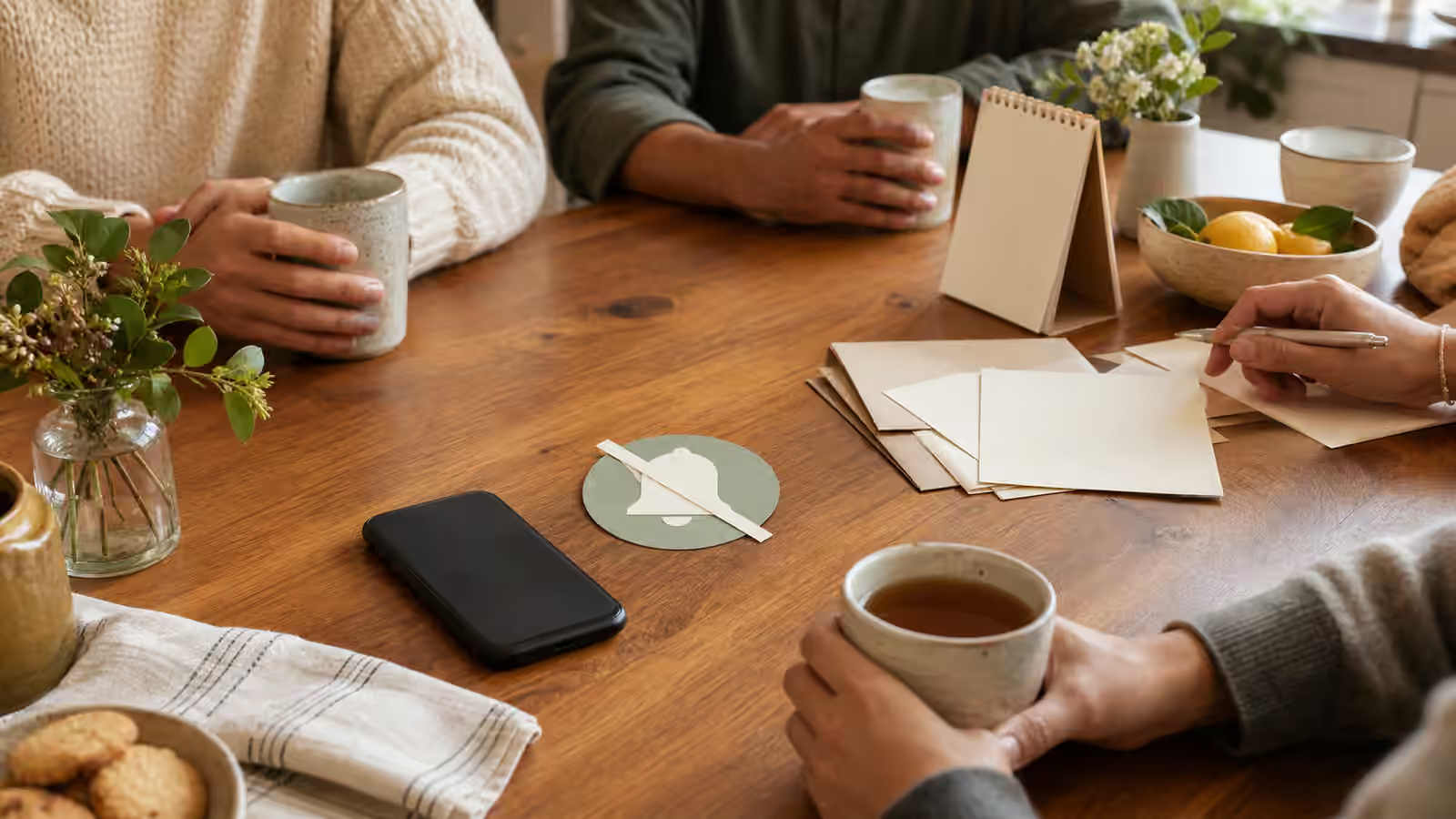
The most common modern injury at a small gathering is the surprise photo. Someone lifts a phone, and now a guest who came to be off the clock is on a stranger’s feed, mid-sentence, unposed. The fix is a default, not a rule read aloud: you, the host, simply ask before you post anything, and you make that visible early by saying something light the first time a camera appears. “Take whatever you like of the food; check with people before anything with faces goes anywhere.” Said once, warmly, it sets the norm for the whole room without turning into a policy. Guests who have been burned before will notice, and they will exhale.
Alcohol at the edge, not the center
A table is sober-ish when it still makes complete sense with nothing alcoholic in the room. That is a design test, not a moral one. Put water and a genuinely good nonalcoholic option within arm’s reach and treat them as the default pour, the thing you hand someone without asking. If wine or beer is around, let it sit to one side like any other thing on the table, offered once and never chased. The tell that you have gotten it right is that nobody at your table ever has to explain why they are not drinking, because nobody notices who is. People abstain for reasons that are theirs alone, and a good host builds a room where that reason never has to be spoken.
Conflict, food needs, and the easy exit
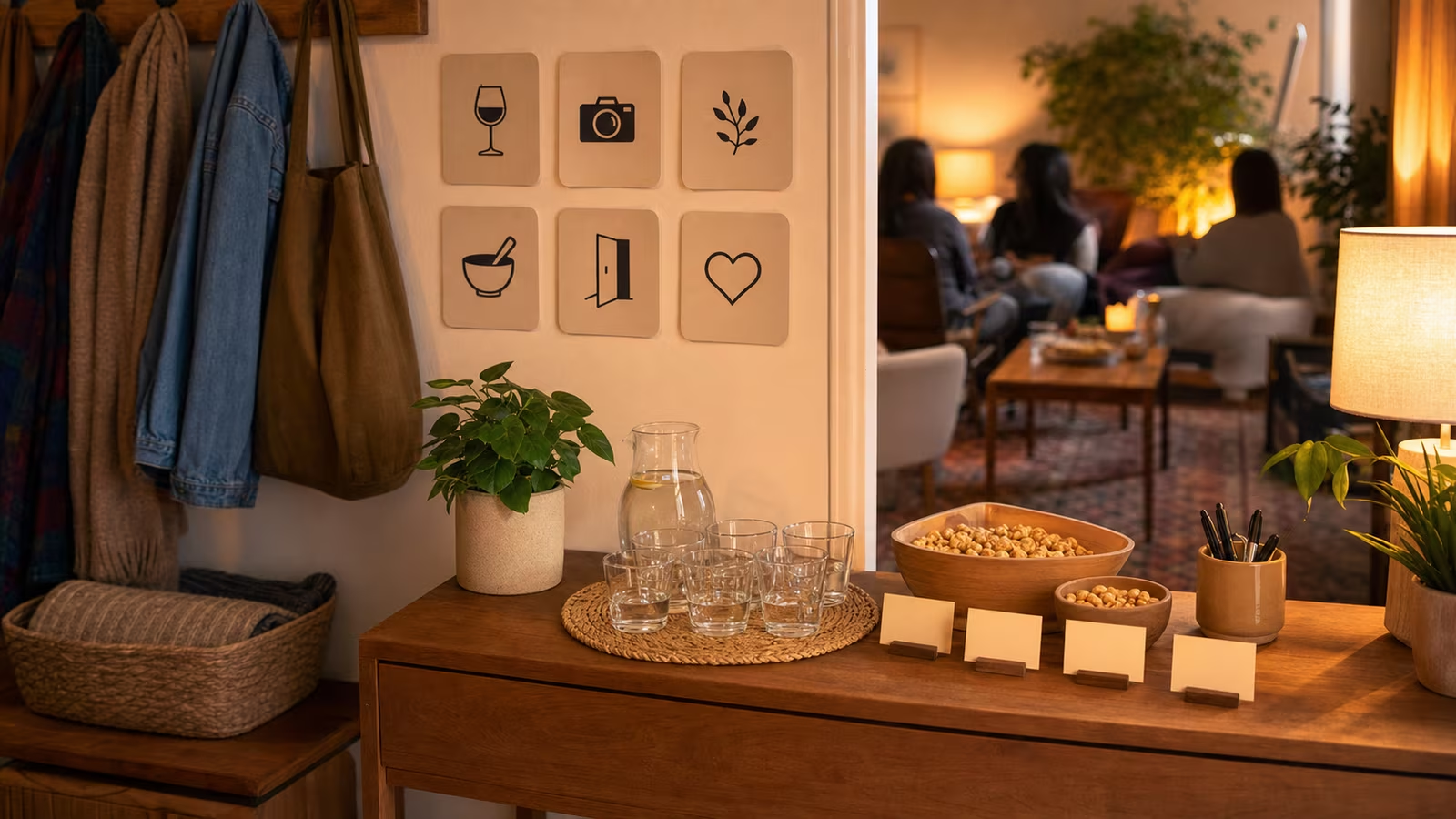
Three quieter defaults round out the set. On conflict: when a topic starts to heat, your job is not to referee it in front of everyone but to move it. A short redirect to the shared activity, and if needed a quiet word later, keeps the table hospitable; Topic Boundaries Without Policing the Table goes deep on the actual phrasing. On food: a small labeled note beside a dish, or a plain sentence about what is in the soup, spares people with allergies and restrictions the exhausting work of interrogating every plate. And on leaving: say at the start that people can slip out whenever they need to, no speech required. A guest who knows the exit is easy stays longer and more comfortably than one who fears getting trapped.
The failure mode is the lecture
There is a way to do all of this badly, and it is worth naming because well-meaning hosts fall into it. The failure mode is turning house rules into a lecture, standing at the door and reciting your values before anyone has settled. It reads as anxiety, and it makes guests feel managed. The opposite failure is just as common: saying nothing, and letting the room learn your boundaries only when someone crosses one and gets corrected in front of everyone. Both come from the same place, which is leaving the work until the moment of friction. The remedy is to bake the defaults into the shape of the evening so that most of them never need to be spoken at all. If your table protects the host as much as the guests, it will last; The Host Energy Budget is the companion piece on keeping yourself in the design.
Practice this once
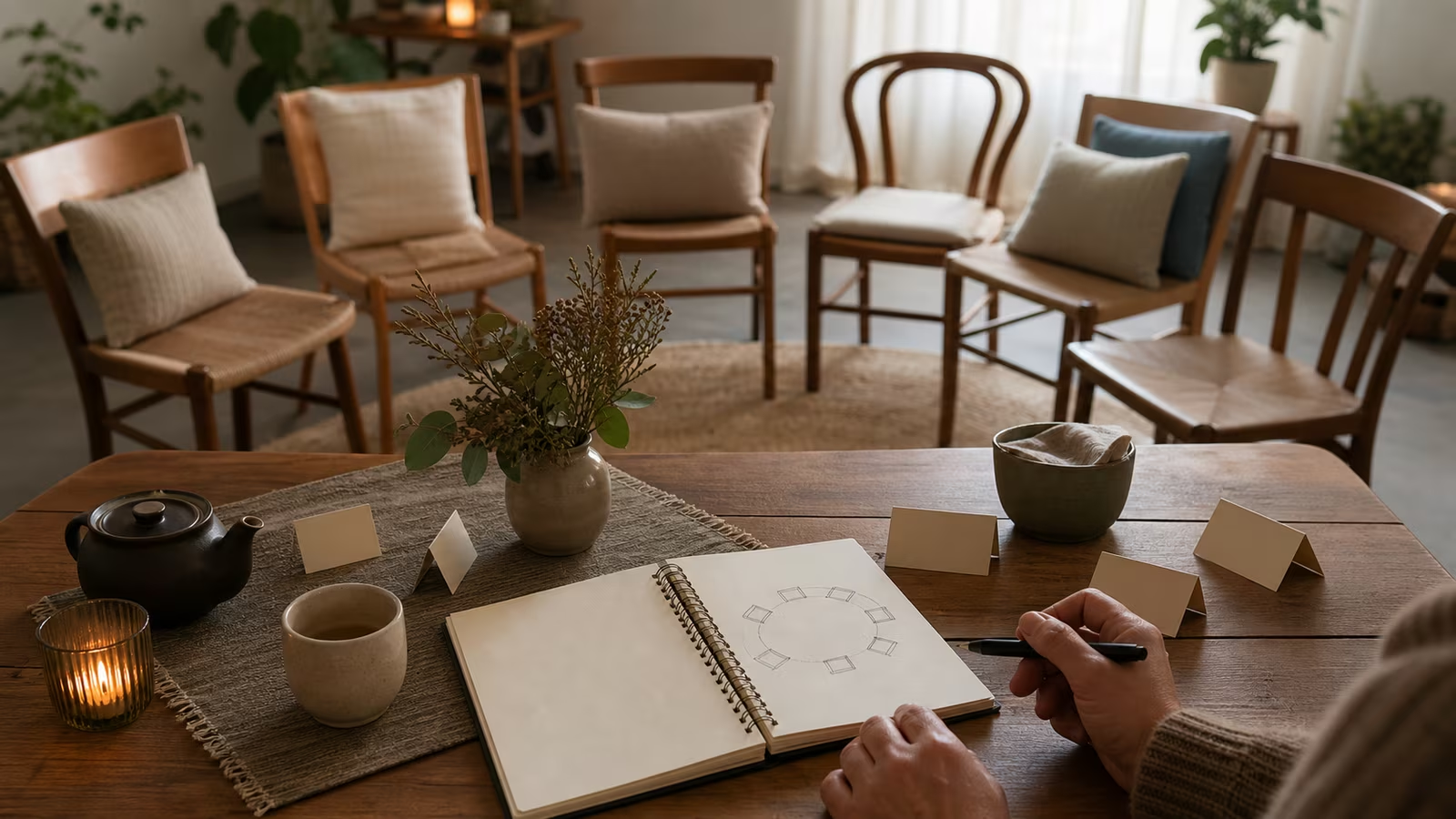
Before your next gathering, write four one-line house defaults that would make a brand-new guest safer without making the invitation feel heavy. Keep them short enough to fit in the way you actually talk. Then, at the gathering, notice which ones you had to say out loud and which ones the room simply absorbed. The ones you never had to speak are the ones you built well. A low-drama recurring format like Monthly Soup Night is a forgiving place to test them, and Invitations Without Pressure shows how to fold a couple of these defaults into the invite itself, so the safety starts before anyone walks through the door. You can also browse the full Common Table guidebook shelf for adjacent formats.