Adding one new person to a familiar group is a manageable act; The Newcomer Bridge covers it well. Bringing two whole circles together is a different animal, and hosts routinely underestimate it. You are not slipping a single guest into a known rhythm. You are asking two small social systems, each with its own inside jokes, its own pace, its own unspoken pecking order, to occupy one table without either one feeling inspected, displaced, or quietly asked to prove it belongs.
This comes up constantly. Partners want their friends to know each other. Neighbors meet the old college crowd. Coworkers cross into the home circle. The risk is almost never that people will be unkind to one another. The risk is subtler and more common: that the room drifts into the texture of a networking event, where the two or three most confident people set the tone and everyone else waits, politely, for a gap to climb into.
Name the overlap before anyone arrives
Do not gather two circles and trust that they will discover the reason once they are in the room. Give them the reason in the invitation, in plain human language. “I think you’d all get on, both groups are into repair projects and low-key dinners” hands every guest a small map and a first thing to say. “Everyone should meet each other” hands them pressure and a blank page. The overlap you name should be specific enough to be useful and modest enough that nobody has to adopt an identity to qualify, a shared liking for walking, or soup, or early evenings and low noise, is plenty. You are not writing a case for compatibility. You are offering the first handhold.
Who you invite matters at least as much as how you frame it. Guest Fit Without Gatekeeping is worth reading here, because a combined table rewards steadiness over status. This is not the night to showcase your most impressive or most dominating friend. The first mix should reward kindness more than charisma, since kindness is what makes strangers from two camps willing to reach across.
Keep the first version short, and protect the old rhythm
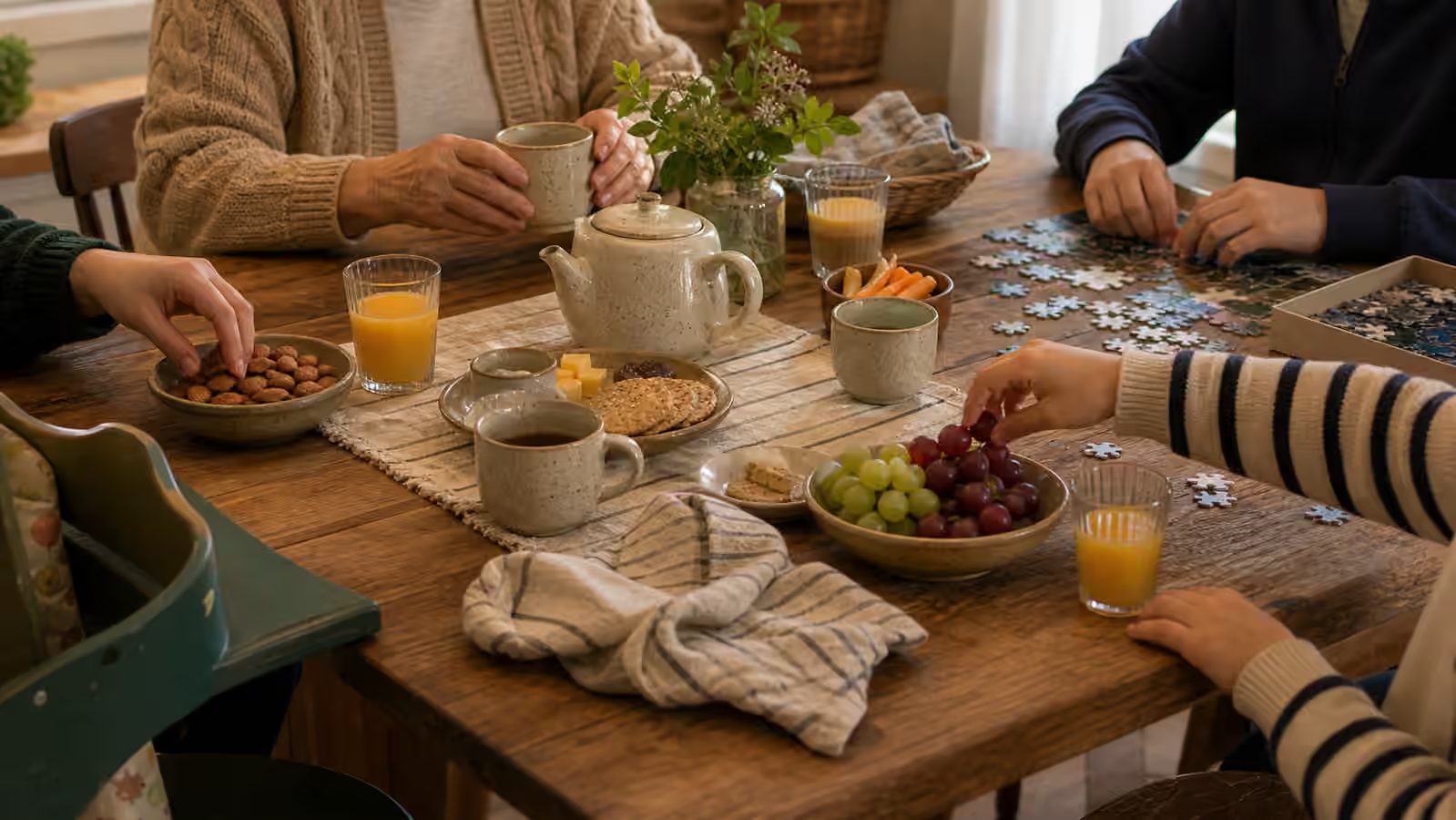
Long combined gatherings give the room too many chances to split back into its original camps. A short table, ninety minutes, a dessert hour, a single soup night, gives people enough time to meet without demanding instant intimacy, especially when a shared anchor gives everyone something to do besides compare résumés. The anchor is doing quiet work: it means a lull is not a failure, just a pause in the activity.
There is also a rhythm to protect. Each circle arrives with habits, and one of them is usually the “home” circle whose ritual this normally is. If your regular table has a familiar opening, keep a gentle version of it so your regulars still recognize the evening. If the other circle has a custom that would baffle newcomers, either explain it briefly or set it aside for this first mix. Plus-Ones Without Resetting the Table makes the crucial point: regulars should never feel their table has been handed away without warning. A single sentence prevents most of that anxiety, something like, “This one’s an overlap night, so it’ll feel a bit bigger, and next month we’re back to the usual four.” That promise lets people who love the established ritual relax into the experiment.
Seat for bridges, not for factions
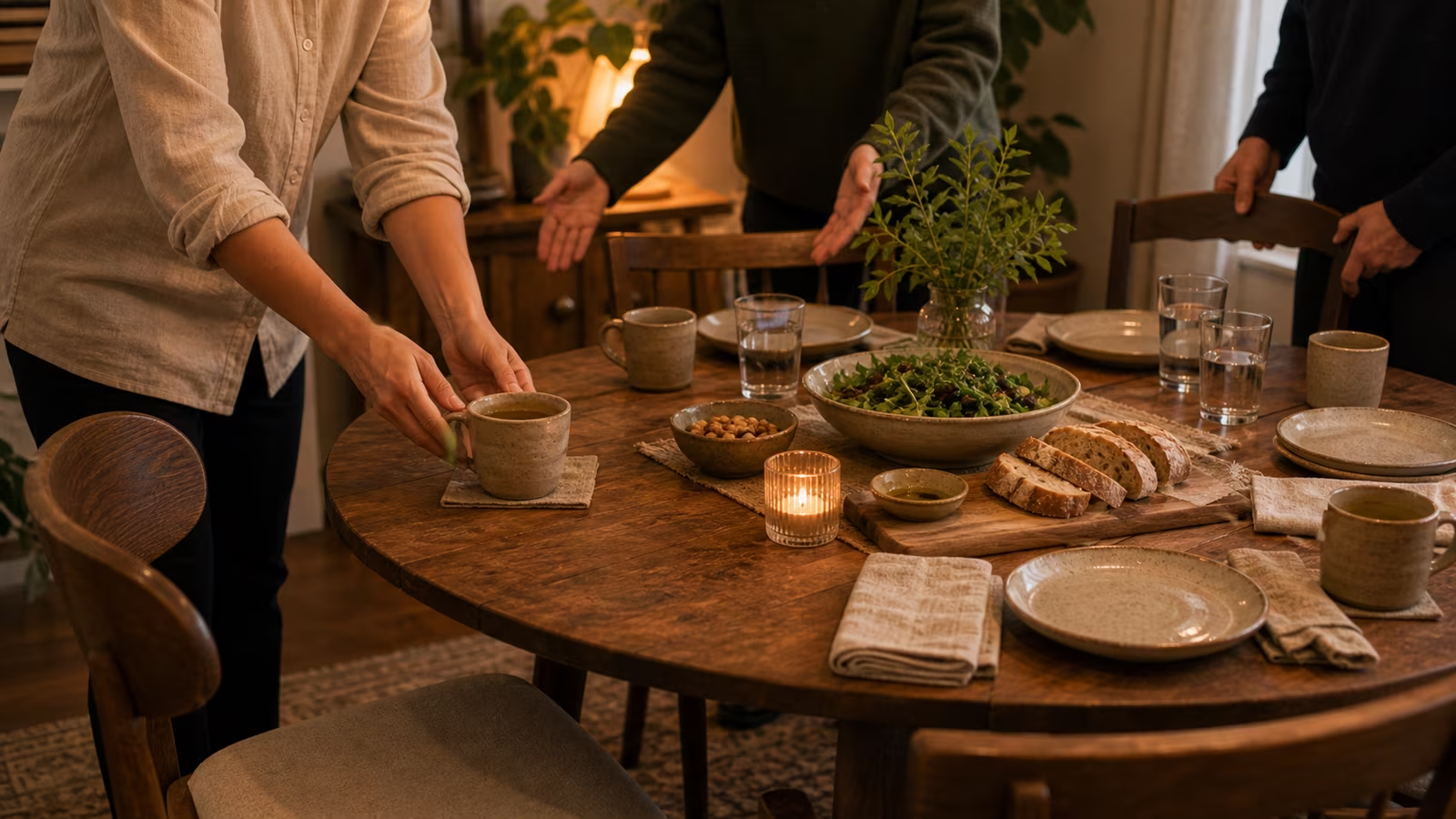
Physical arrangement quietly decides whether circles blend or square off. Seat one group down one side and the other opposite, and you have built an interview table with a net down the middle. Instead, thread the seating so that “bridge people,” anyone who knows at least one person from each circle, or who can stay warm without dominating, sit between the groups rather than within them. Conversation then has more than one path across the table.
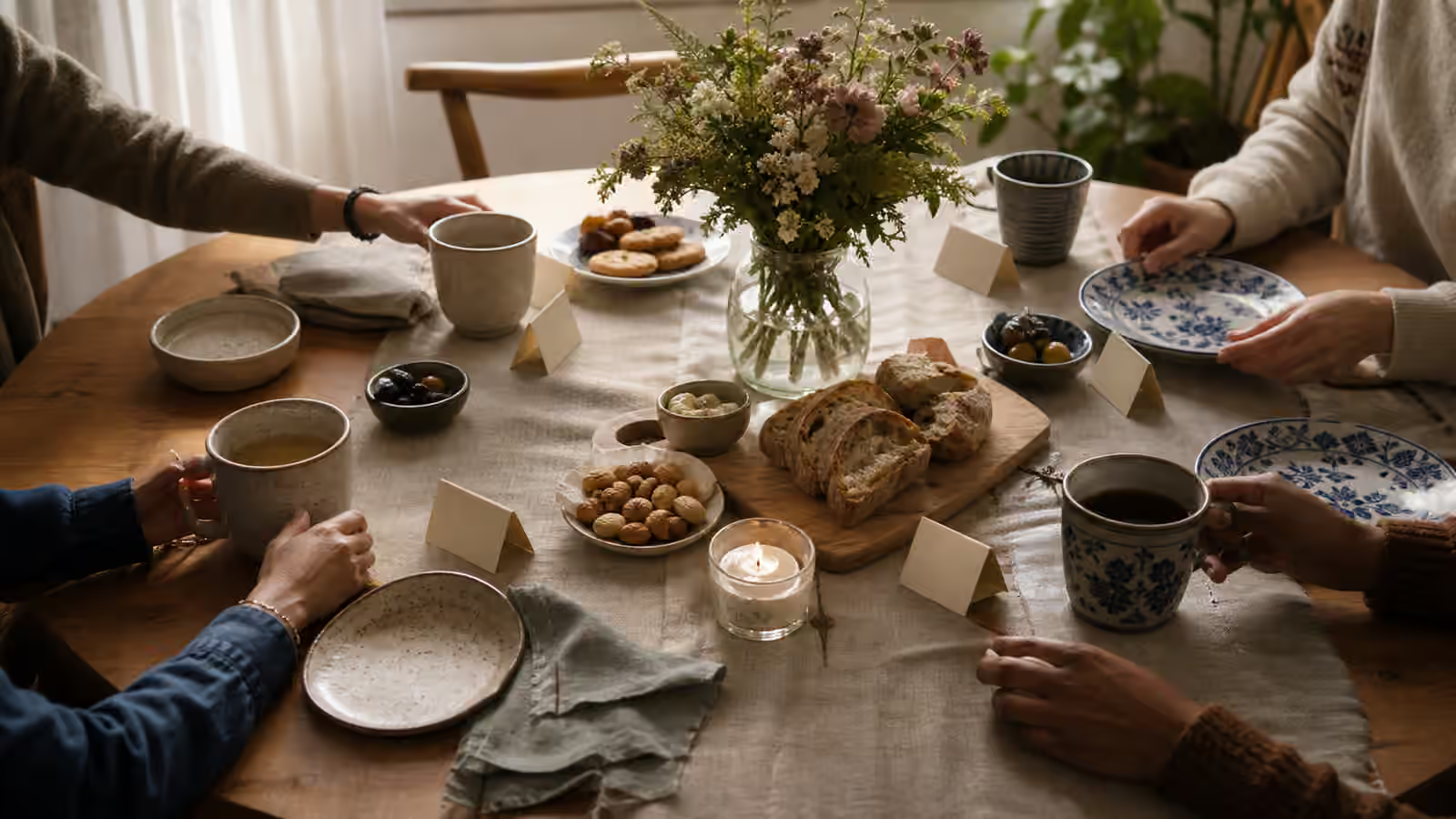
You rarely need place cards to do this; unless your group already enjoys that kind of choreography, small cues work better. Put the food or the tea in the center so people reach across without it meaning anything. Angle the chairs so no one is stranded at a far end. Leave enough room that a person can step away for a minute without the whole table shifting. If the space itself herds people into clumps, Small-Room Seating Flow has fixes. And when you introduce people, keep it light and concrete: “Mara’s the one who told me about the repair cafe, and Eli fixed the shelf we’re eating off tonight” gives two strangers a specific place to start. A full biography just makes a guest feel exhibited.
One shared action does the melting
Two circles almost always loosen up after doing one ordinary thing together. Pouring the tea, passing bread, choosing a game, reading a short passage aloud, labeling the leftovers, walking a block, sorting a small repair pile, any of these interrupts the silent pressure to converse impressively. Keep the action simple enough that nobody has to become the instructor, and steer away from anything that splits the room along its existing lines. If the old friends end up playing against the new friends, the table learns exactly the wrong lesson. If one circle knows the game cold and the other has never seen it, simplify the rules or pick something else.
Different circles also carry different conversational norms, so the boundaries in Topic Boundaries Without Policing the Table matter more than usual tonight. A light, early redirect, “let’s keep tonight off work diagnosis”, is far easier than rescuing the room twenty minutes into someone’s unsolicited expertise.
Do not force a merged future
A good overlap night does not require the two circles to fuse forever. Some guests will enjoy each other and still prefer their original rhythm. Some will strike up a smaller friendship. Some will need a second, calmer meeting before they thaw. Resist announcing a new tradition before the room has actually chosen one. A short note afterward can preserve everyone’s freedom: “I loved how the two groups met. I might do another overlap night down the line, and the regular table stays exactly as it is.” That single message spares your regulars the worry that every future gathering will now be bigger and less familiar.
Watch, instead, for the quiet evidence that the bridge held: a guest asking someone’s name a second time without embarrassment, two people comparing walking routes, someone from the newer circle clearing cups unbidden. Those small signs tell you more than any loud declaration that everyone must gather again immediately. You are looking for ease, not proof. Try it once, four people, two from each circle, one shared anchor, one clear reason they might enjoy meeting, and then simply notice where the ease appears. The best possible result is one warm conversation, one new name remembered, and the sense that nobody had to audition for a seat.